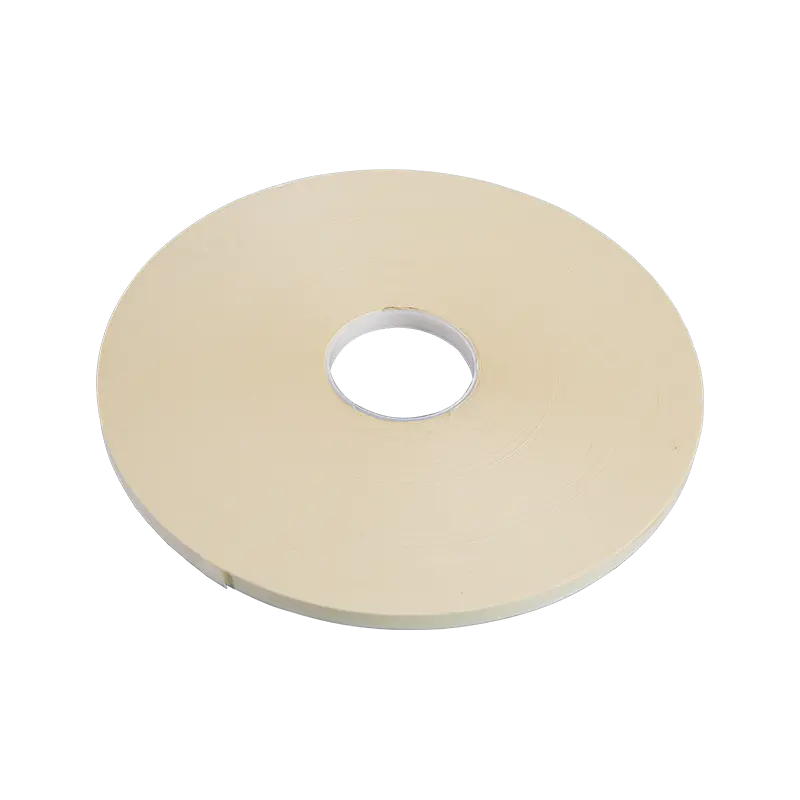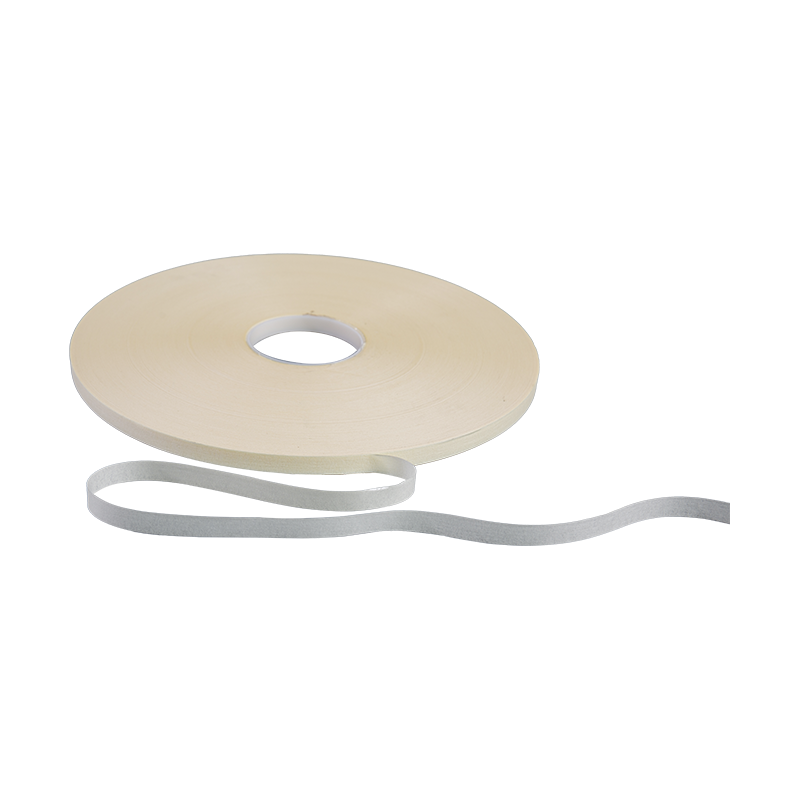
For large-format prints, heat activated film consistently produces a more uniform finish than hot melt adhesive sheets. The reason comes down to thickness control and activation behavior. A heat activated adhesive film is manufactured with a fixed, even coating weight across its entire roll width, so when heat and pressure are applied during lamination, the bonding layer melts and spreads in a predictable, repeatable way. Hot melt adhesive sheets, by contrast, are often cut from bulk material or applied in granule or powder form before lamination, which makes it harder to guarantee identical thickness from one section of a print to another. On prints wider than 40 inches, this difference becomes visually obvious, especially under raking light where uneven adhesive distribution shows up as faint ridges, dull patches, or slight rippling in the laminate.
That said, hot melt adhesive sheets are not without merit. They tend to bond faster at lower temperatures in some formulations, which appeals to print shops trying to speed up throughput. But speed without consistency is a poor trade for any business producing banners, vehicle wraps, or point-of-sale graphics where visual quality is the entire point of the product.
Large-format printing magnifies small flaws. A two-micron variance in adhesive thickness might be invisible on a postcard, but stretched across a six-foot-wide print, that same variance can create visible streaking once the laminate cools and the print is viewed under store lighting or daylight. Heat activated film is extruded or coated using rollers calibrated to apply adhesive within a tight tolerance band, typically within plus or minus one to two microns across the entire web width.
Hot melt adhesive sheets, especially those produced in smaller batches or applied manually in sheet form, are more prone to thickness drift. Operators sometimes compensate by running the laminator hotter or slower, but this introduces its own risks, including scorching sensitive print substrates or causing the laminate to shrink unevenly as it cools.
| Material | Typical Thickness Variance | Visible Defect Risk |
|---|---|---|
| Heat activated film | ±1–2 microns | Low |
| Hot melt adhesive sheets | ±4–8 microns | Moderate to high |
One of the most common complaints with large-format lamination is trapped air bubbles forming under the laminate, particularly near the center of wide prints where roller pressure is hardest to distribute evenly. Heat activated film tends to outperform hot melt adhesive sheets here because its activation temperature window is narrower and more predictable, allowing the adhesive layer to reach a tacky, flowable state at a consistent point across the entire sheet rather than activating unevenly.
Print shops that switch from hot melt adhesive sheets to heat activated film often report a noticeable drop in rework rates tied to bubbling, since the film's activation behavior is easier to dial in once the correct temperature and dwell time are established.
Heat activated film generally requires a roll laminator equipped with heated rollers capable of maintaining a steady temperature, usually somewhere between 230°F and 270°F depending on the film formulation. Once a shop calibrates the correct settings for a given film, those settings tend to remain stable across multiple jobs, which shortens setup time for repeat orders.
Hot melt adhesive sheets can sometimes require more frequent recalibration, especially if sheet batches vary slightly in composition or thickness from one supplier shipment to the next. This variability is one reason some operators find hot melt sheets less convenient for high-volume, repeat large-format runs.
A uniform finish is only valuable if it holds up over time. Heat activated film, once properly bonded, tends to resist edge lifting and delamination better in outdoor or high-traffic settings because the adhesive layer flows into the substrate's micro-texture more thoroughly during activation. This matters for products like vehicle graphics, retail window displays, and floor decals, all of which experience repeated flexing, foot traffic, or temperature swings.
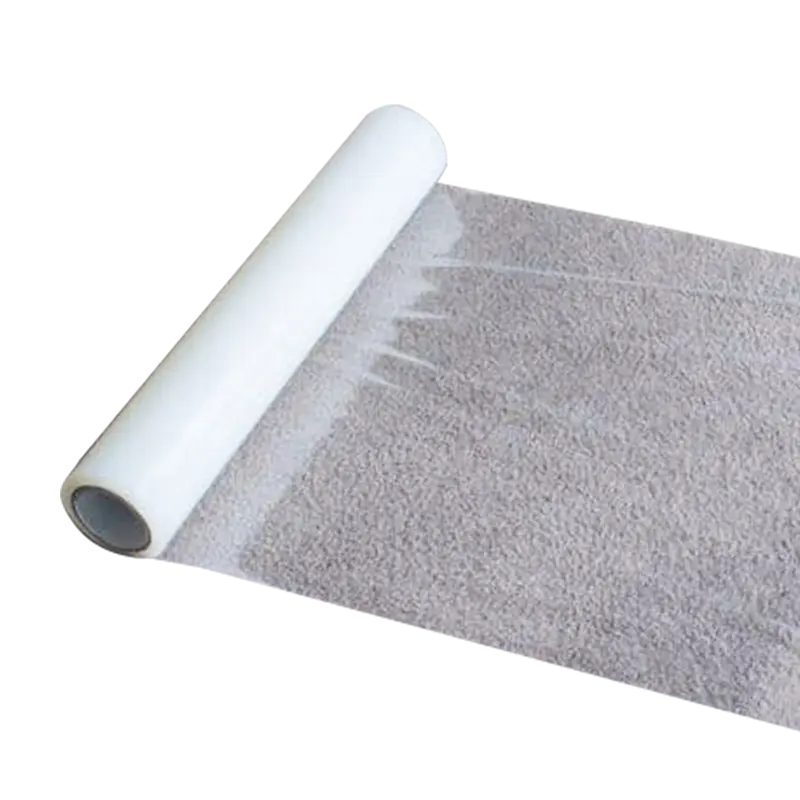
Interestingly, this same adhesive logic applies outside of signage. A car carpet protector film relies on similar bonding principles, where an even, well-activated adhesive layer determines whether the protective film stays flat and bubble-free under repeated foot traffic inside a vehicle. Whether the application is a 10-foot trade show banner or a car carpet protector film cut to fit a footwell, the underlying physics of adhesive flow and uniform activation are the same.
Heat activated film typically carries a slightly higher per-square-foot material cost than basic hot melt adhesive sheets, but the gap often narrows or reverses once rework and material waste are factored in. A 3 to 5 percent reduction in rejected prints due to bubbling or uneven adhesive can offset a 10 percent higher material cost within the first few production runs.
| Factor | Heat Activated Film | Hot Melt Adhesive Sheets |
|---|---|---|
| Material cost | Moderate to high | Low to moderate |
| Average rework rate | 2–4% | 6–10% |
| Setup recalibration frequency | Low | Moderate |
Not every large-format job demands the same level of finish precision, so the right choice depends on the end use of the printed material.
For most businesses producing large-format graphics meant to represent a brand professionally, the more consistent activation behavior and lower defect rate of heat activated film make it the more dependable choice, even with a modest cost premium per square foot.

Copyright © Wuxi Wanfeng Protective Film Co., Ltd. All Rights Reserved.
 English
 русский