 English
 русский
Materials Comparison — Protective Films
PET film outlasts PE nearly four times over under sustained UV exposure
A side-by-side look at how polyethylene and polyethylene terephthalate protective films actually hold up in the sun — with the numbers to back it.
In shortPET protective film resists UV-driven breakdown far longer than PE protective film, thanks to its tighter, more crystalline molecular structure. For anything sitting outdoors for more than a few weeks — construction materials, transported metal sheet, solar components — PET is the safer bet. For short indoor cycles, PE remains the more economical choice.
Why UV resistance decides whether a film actually works
UV degradation is one of the most common reasons protective film fails before its job is done. Once a film starts breaking down under sunlight, it turns brittle, cracks, and can fuse to the surface it was meant to protect — leaving adhesive residue that's genuinely hard to remove.
This isn't a minor inconvenience for exporters. Products shipped internationally can spend weeks in transit and outdoor storage before they're ever installed, and every one of those days counts against the film's clock.
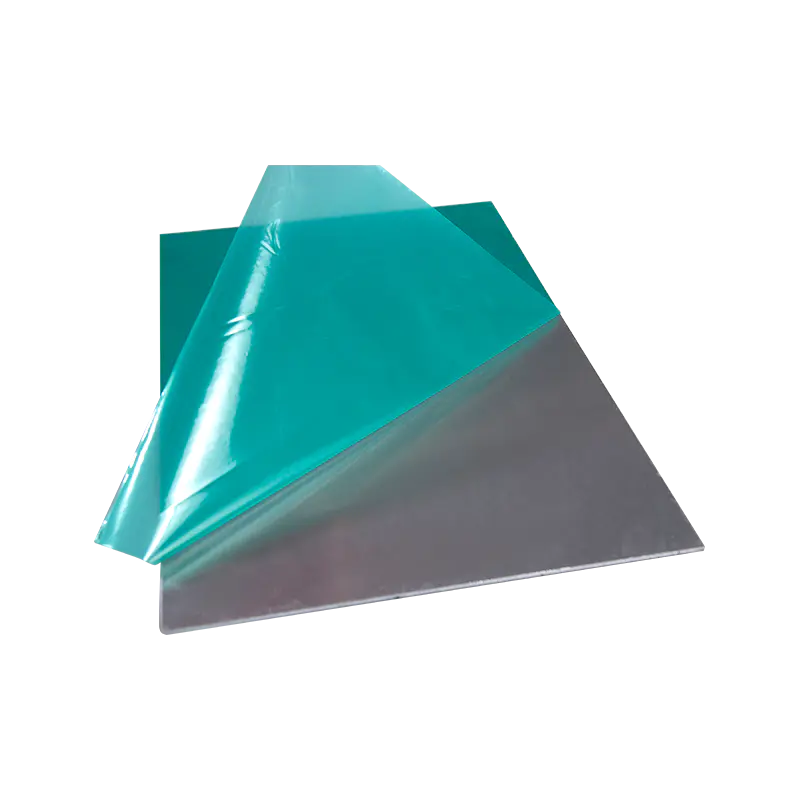
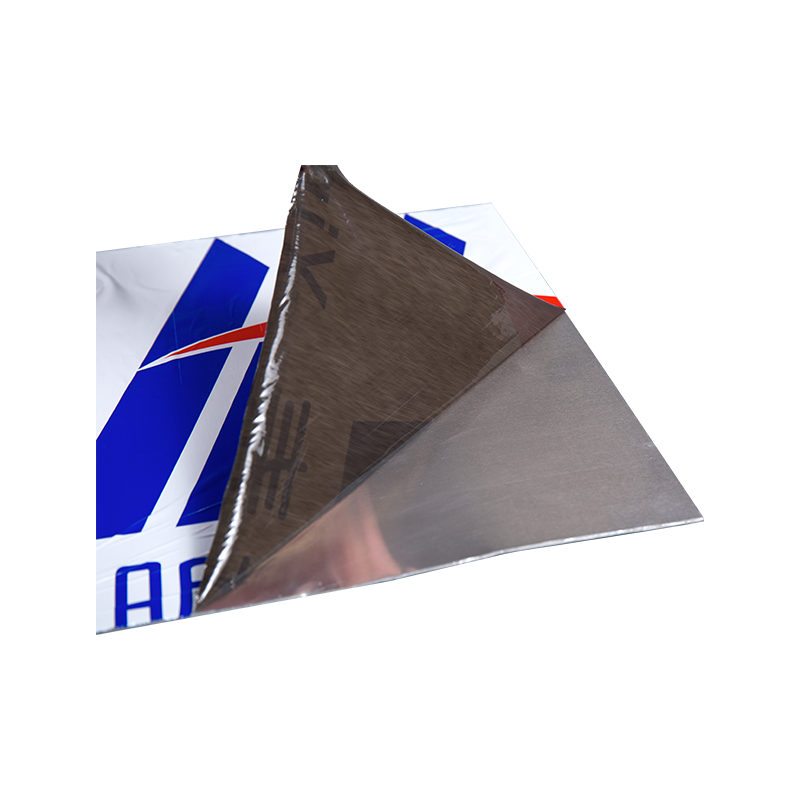
Fabricators applying protective tape for aluminium surfaces — window frames, architectural panels, curtain wall components — run into this constantly. Aluminium stock is routinely left in open yards or hauled on flatbed trucks for weeks before installation, which means the film covering it has to survive real, sustained sun exposure, not just a lab estimate.
PE protective film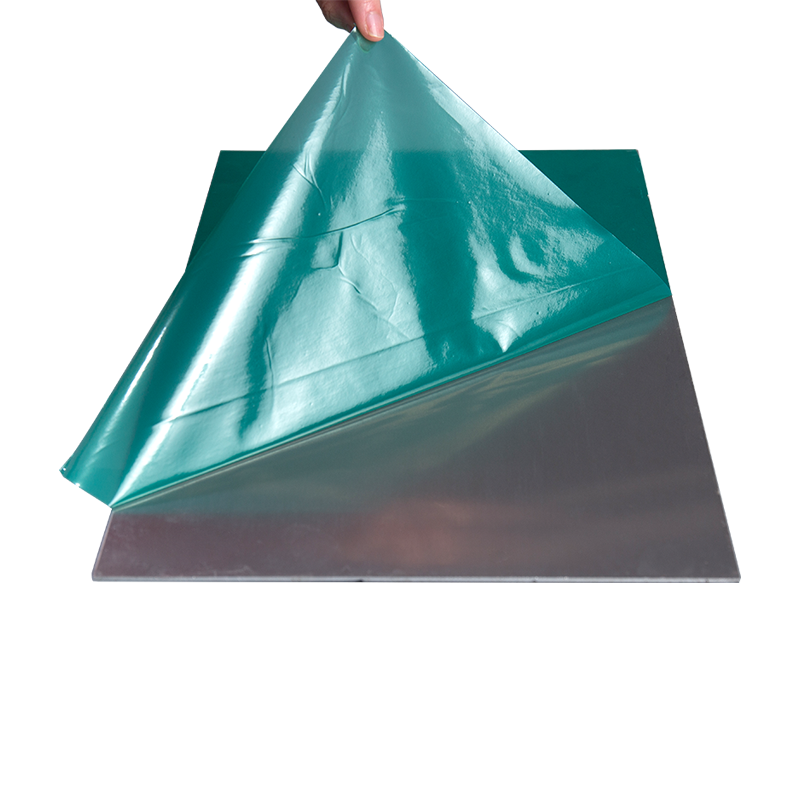
What's actually happening at the molecular level
Polyethylene: flexible chains, fast breakdown
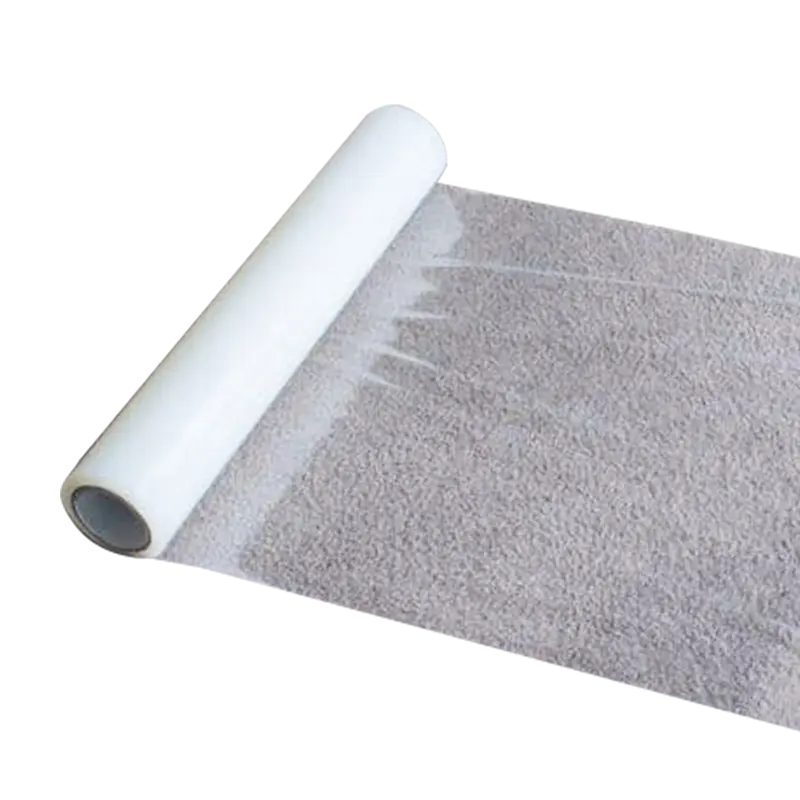
PE protective film is built from polyethylene — a polymer with loose, flexible molecular chains. Under ultraviolet light, those chains undergo photo-oxidation: they break apart, the film yellows, stiffens, and eventually cracks. Without added UV stabilizers, standard PE film can start visibly degrading in as little as 30 to 45 days of continuous sun exposure.
PET: denser structure, slower degradation
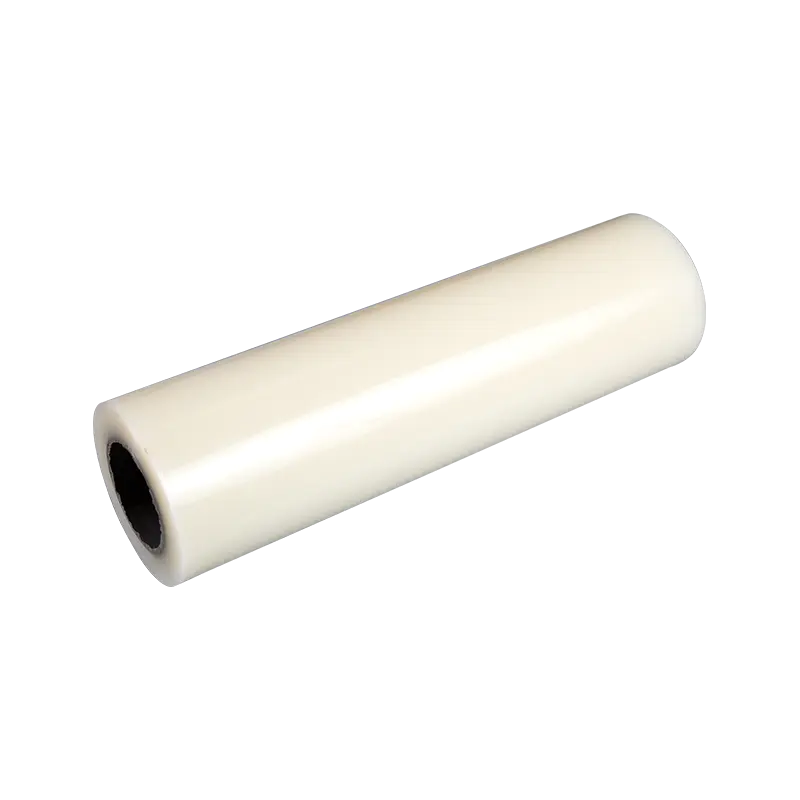
PET protective film is made from polyethylene terephthalate, a polymer with a more rigid, tightly packed structure — and it's often manufactured with additional UV inhibitors on top of that. The result is a much slower rate of chain breakdown. Accelerated UV testing shows PET films retaining over 90% of their original tensile strength after 500 hours of exposure, while comparable PE films typically fall below 70% under the same test.
The numbers, side by side
| Property | PE protective film | PET protective film |
| Outdoor UV lifespan | 1–3 months | 6–12 months |
| Tensile strength retained (500 hr UV test) | 65–70% | 90–95% |
| Typical thickness range | 0.03–0.15 mm | 0.02–0.10 mm |
| Relative cost | Lower | Higher |
Matching the film to the exposure
Outdoor · long transit
Choose PET
Metal roofing sheet, solar panel components, and aluminium profiles that sit uncovered for weeks during shipping or yard storage need film that won't quit halfway through. A high-grade protective tape for aluminium with strong UV resistance keeps brushed or anodized finishes scratch-free and residue-free through the full exposure window.
Indoor · short cycle
Choose PE
Furniture surfaces, appliance panels, and interior fixtures rarely see meaningful UV exposure between manufacturing and installation. Paying the premium for PET's extended UV life isn't necessary here — standard PE film does the job for less.
- PE protective film suits indoor furniture and appliance manufacturing lines
- PET protective film suits outdoor construction materials and long-haul shipments
- Either film can be paired with UV-stabilizing additives to extend service life
- Film choice should match expected exposure duration before final use, not just unit cost
Weighing cost against the risk of failure
PET protective film typically costs 20% to 40% more than standard PE film. That premium only makes sense if it's actually solving a problem you have. Here's a simple way to check:
- Estimate how long the product will realistically sit exposed before final use.
- Weigh the cost difference against the risk of returns or claims from film failure.
- Test samples under real or simulated sunlight before committing to a bulk order.
- Consider a hybrid approach: PE for the short legs of the journey, PET for extended outdoor storage.
Watch for thisA film that looks fine at day 20 can fail sharply by day 35 — UV degradation isn't linear. Don't extrapolate short-term test results into long-term exposure claims.
Bottom lineChoose PET protective film whenever UV exposure will exceed about one month — outdoor storage, long-distance transport, or anything construction-related. Choose PE protective film for indoor use, short manufacturing cycles, or wherever cost efficiency matters more than extended UV life. Knowing your product's real exposure timeline is the cheapest insurance against replacing film — or the surface underneath it.