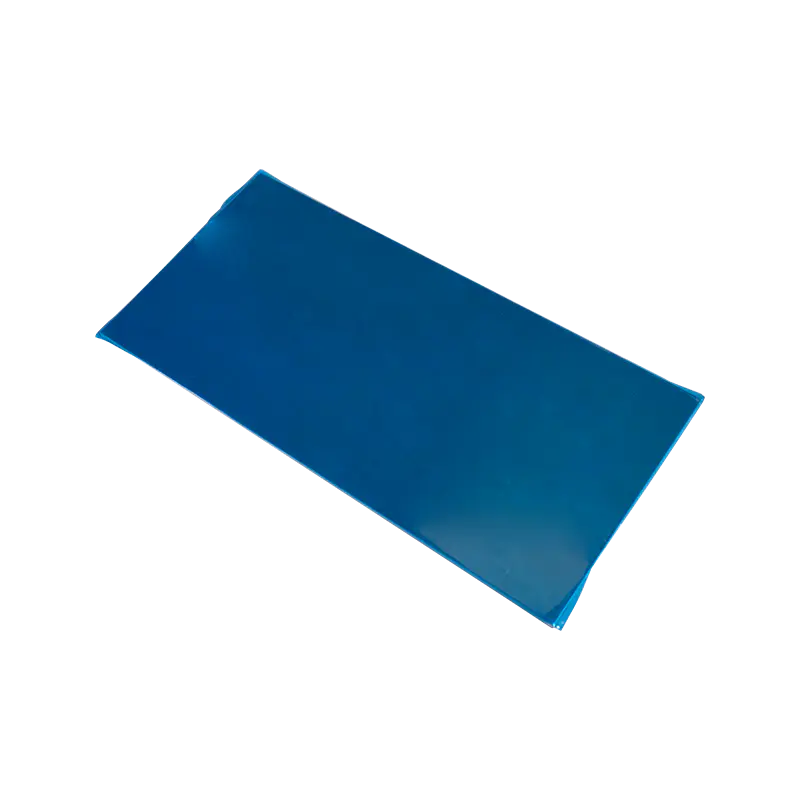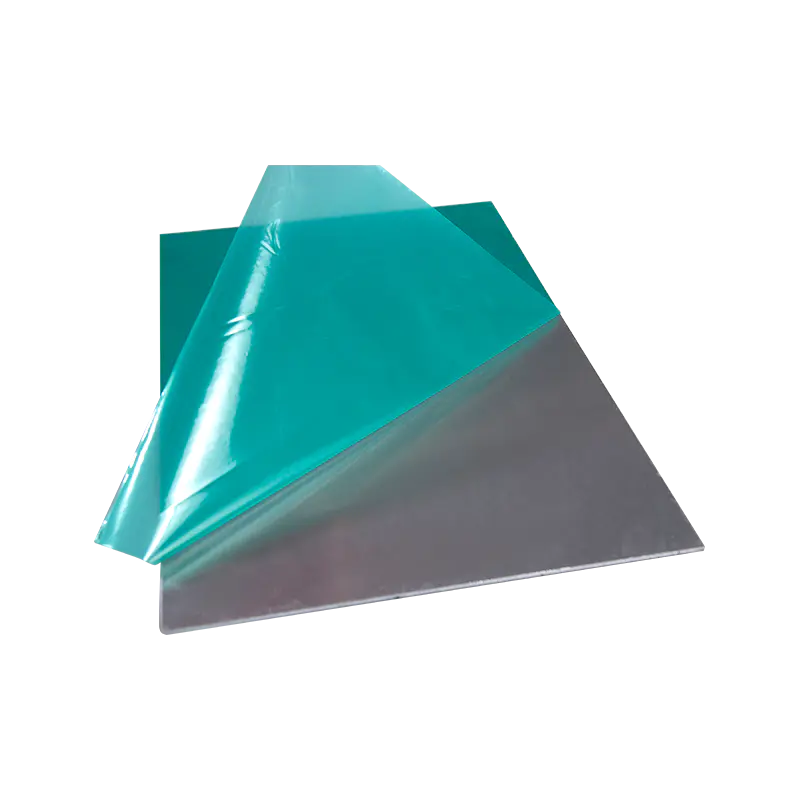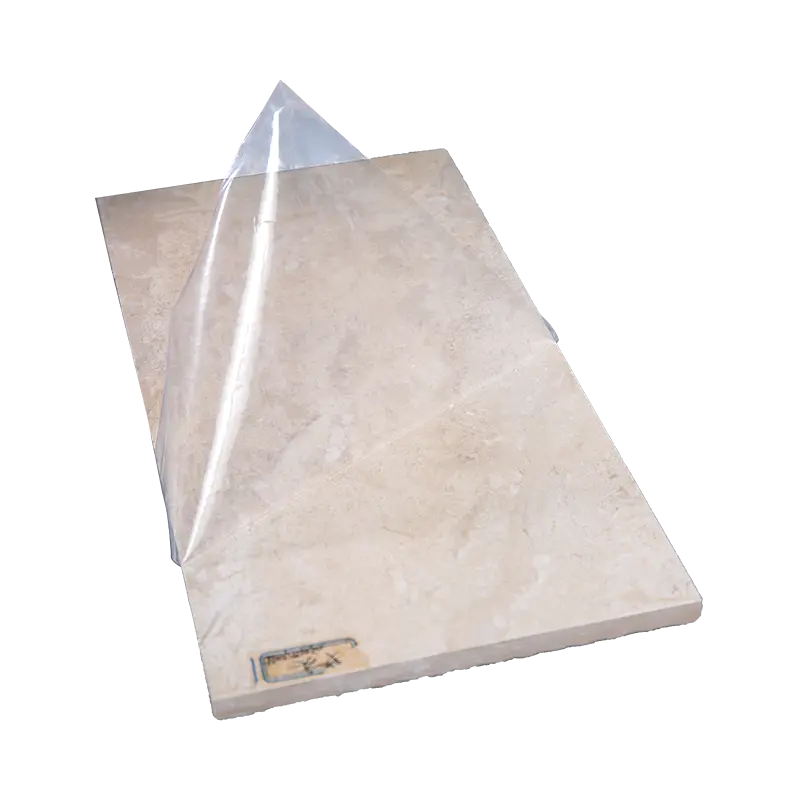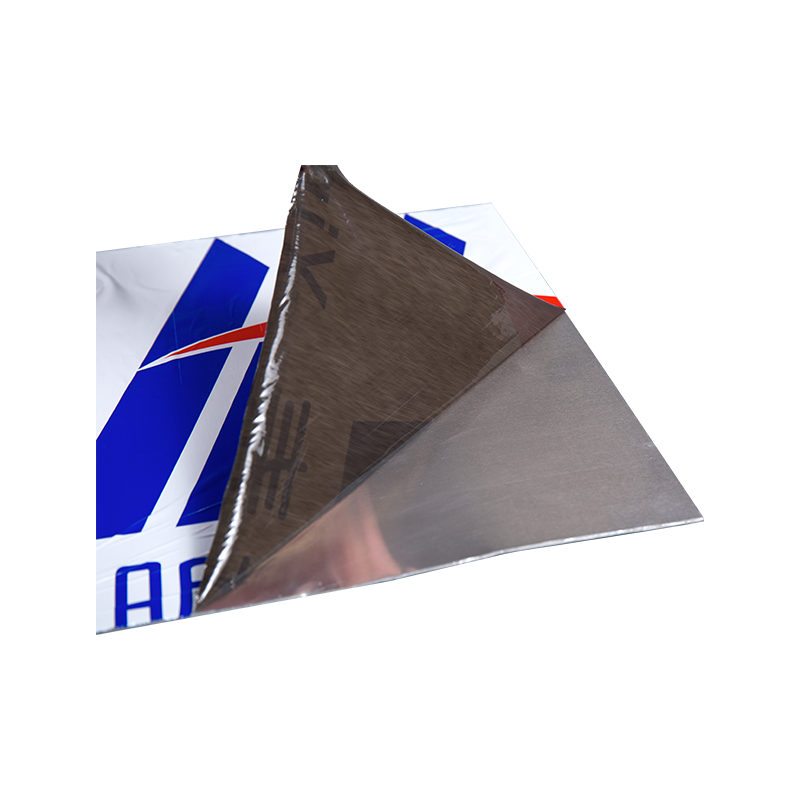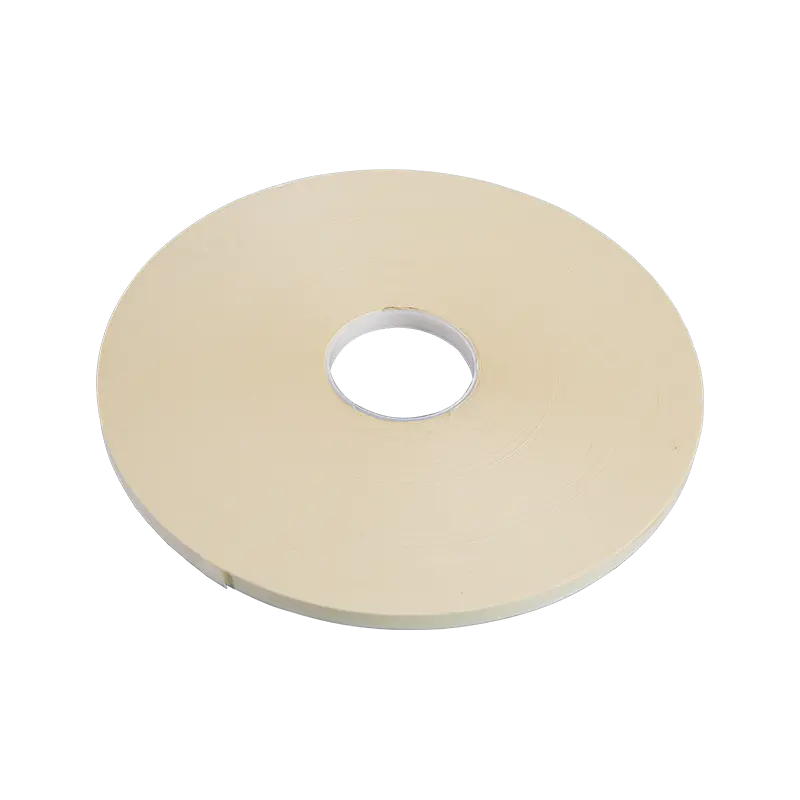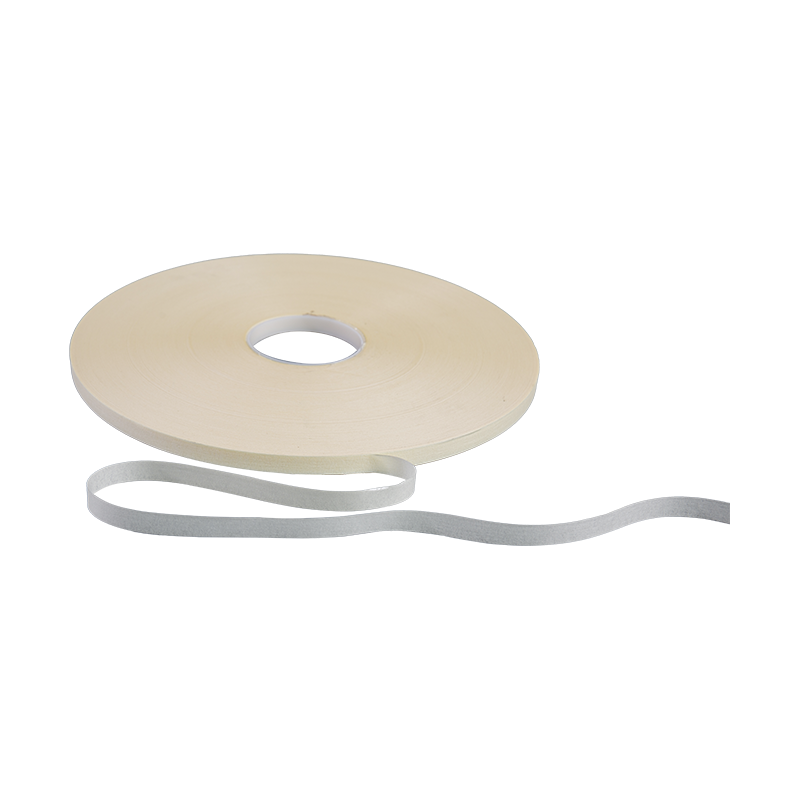
Storage Conditions – Temperature: Furniture Board Protective Films must be stored in an environment where temperature is strictly controlled, ideally ranging between 15°C and 25°C (59°F–77°F). Exposure to higher temperatures can lead to softening of the adhesive layer, causing the film to lose its shape and potentially stick to itself or other surfaces. This may result in difficulties during application and uneven adhesion, reducing the protective efficiency. Conversely, exposure to low temperatures can make the film brittle, increasing the risk of cracking or tearing during handling or application. Maintaining consistent temperature conditions is particularly critical in warehouses or transport scenarios, where sudden temperature fluctuations could compromise the quality of the film. Temperature control helps preserve the mechanical strength of the polymer substrate, ensuring that the film maintains its tensile strength, flexibility, and overall protective capacity during storage and before use.
Storage Conditions – Humidity: The relative humidity of the storage environment should be maintained between 40% and 60% to ensure optimal performance of Furniture Board Protective Films. Excessive humidity can compromise the adhesive, causing it to lose tackiness or creating bubbles and warping in the film. This is particularly critical for films intended for delicate finishes or pre-laminated furniture boards, where moisture penetration can affect adhesion and surface aesthetics. On the other hand, overly dry environments can increase static electricity on the film surface, which attracts dust and particles. Dust contamination can result in scratches, surface imperfections, or incomplete adhesion during application. Maintaining moderate humidity levels helps preserve both the adhesive properties and the dimensional stability of the film, ensuring that the product remains easy to handle, apply, and remove without damaging the furniture board surfaces.
Storage Conditions – Light Exposure: Furniture Board Protective Films should be protected from direct sunlight and strong artificial light sources that emit ultraviolet (UV) radiation. Prolonged exposure to UV light can accelerate the degradation of the polymer matrix within the film, causing yellowing, discoloration, or even structural weakening of the film. This degradation reduces the film’s protective capabilities and may make removal more difficult, potentially leaving adhesive residues or causing the film to tear during peeling. UV exposure can also alter the adhesive chemistry, reducing tackiness and causing uneven bonding to the furniture board surface. Proper storage in shaded areas, opaque packaging, or UV-protective environments ensures that the film maintains its physical and chemical integrity throughout its shelf life, providing consistent protection during transport, storage, and application.
Handling Practices – Clean Hands or Gloves: When handling Furniture Board Protective Films, it is essential that personnel use clean, oil-free hands or gloves to prevent contamination of the adhesive surface. Even minimal exposure to natural skin oils, grease, or dirt can compromise adhesion, reduce tackiness, or leave residues on the furniture board after the film is removed. Contaminated films can result in air bubbles, uneven application, or localized lifting, which diminishes protective performance. In industrial settings, implementing strict hand hygiene, wearing nitrile or cotton gloves, and avoiding unnecessary contact with the adhesive side of the film can significantly reduce the risk of contamination. This practice ensures that the protective film functions as intended, maintaining a clean, smooth surface for the furniture boards during manufacturing, transportation, or storage.
Handling Practices – Avoid Sharp Objects: Furniture Board Protective Films are susceptible to physical damage from sharp tools, metal edges, or abrasive surfaces. Even minor punctures, scratches, or tears can compromise the film’s protective barrier, exposing the furniture board surface to dust, moisture, and mechanical impacts. During handling, transport, and installation, it is critical to maintain a safe distance between sharp objects and the film. Protective measures such as using soft storage racks, padded surfaces, or dedicated handling tools can prevent accidental damage. In addition, proper staff training and awareness of the fragility of the film are essential to minimize the risk of punctures or cuts. Maintaining the integrity of the film ensures consistent protection for the furniture board surfaces, preserving both their aesthetic finish and structural quality.
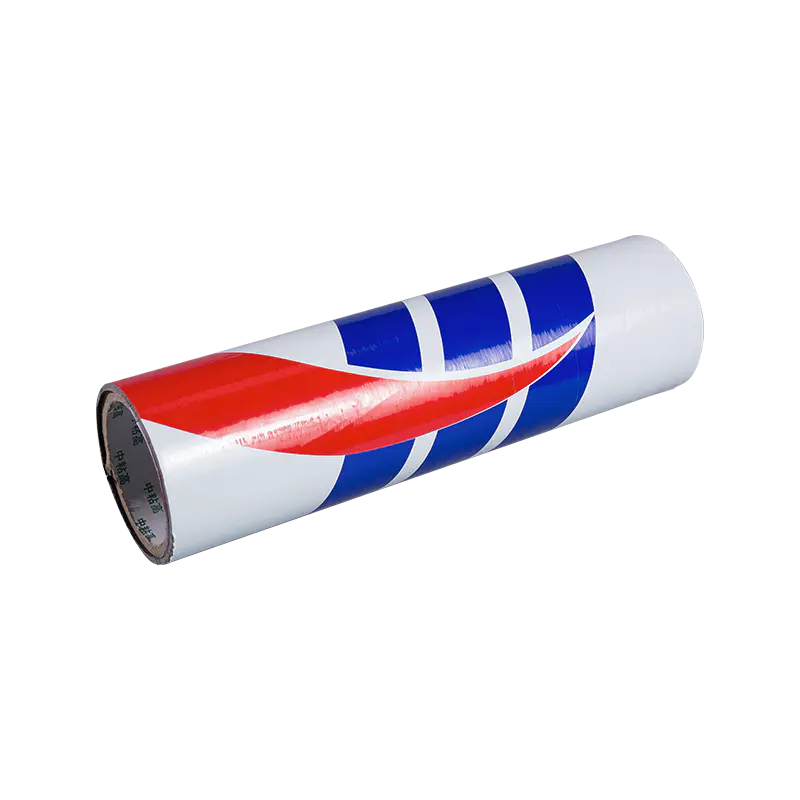
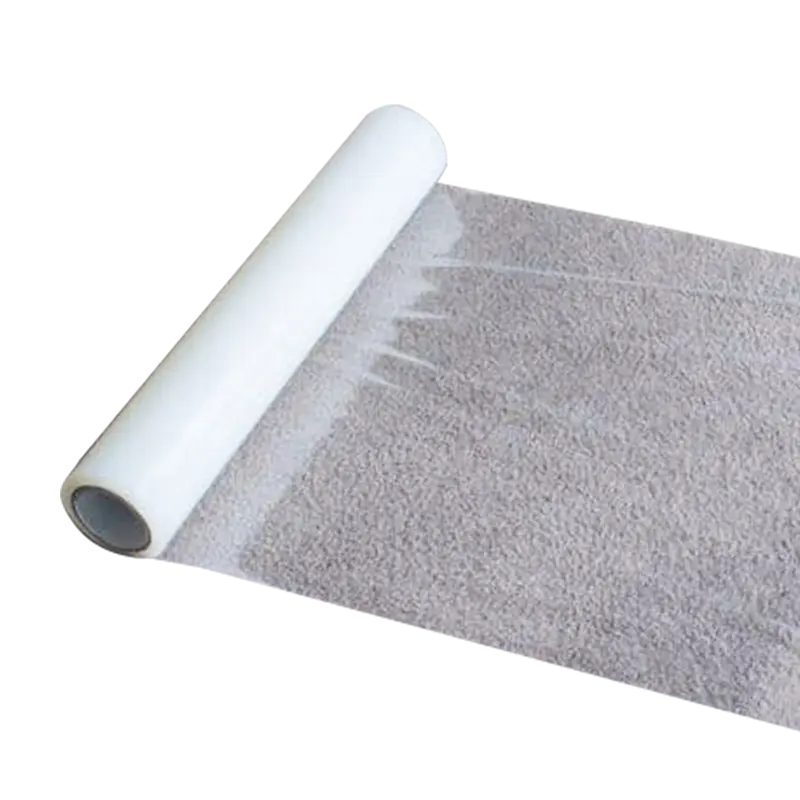
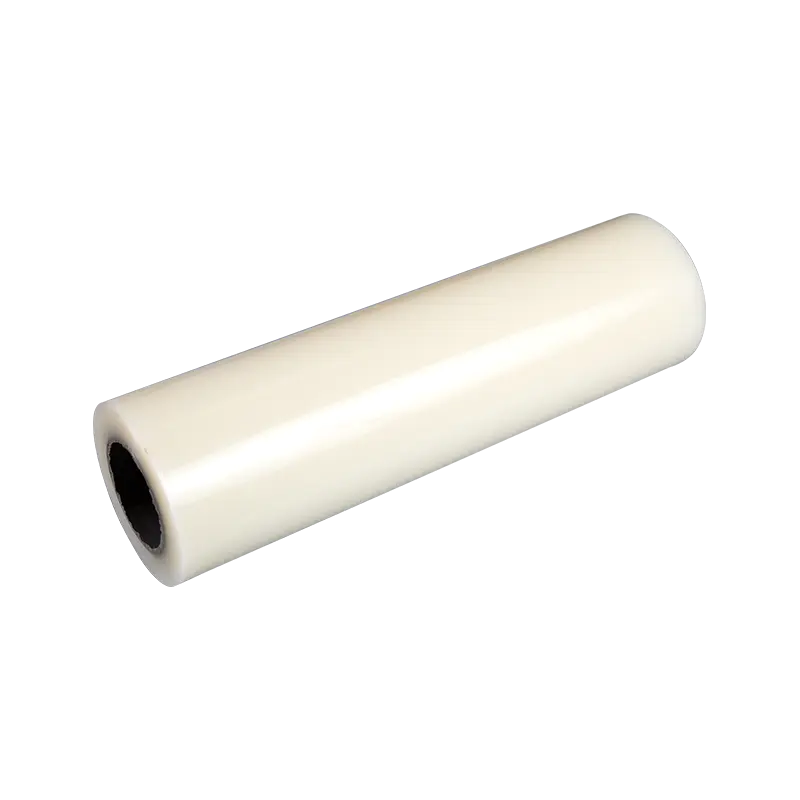
Handling Practices – Roll Management: Furniture Board Protective Films are often supplied in rolls, which require careful storage and handling to prevent deformation, edge damage, or unintended adhesion. Rolls should be stored upright on flat, stable surfaces, avoiding contact with uneven or rough floors that can cause flattening or indentations. Heavy stacking of rolls should be strictly avoided, as pressure can permanently crease the film, reduce adhesive effectiveness, and make application difficult. During handling, rolls should be lifted and moved carefully to prevent edge damage or unrolling accidents. Proper roll management not only preserves the structural integrity of the film but also ensures smooth and even application when the film is deployed on furniture boards, reducing waste and maintaining product quality.

Copyright © Wuxi Wanfeng Protective Film Co., Ltd. All Rights Reserved.
 English
 русский