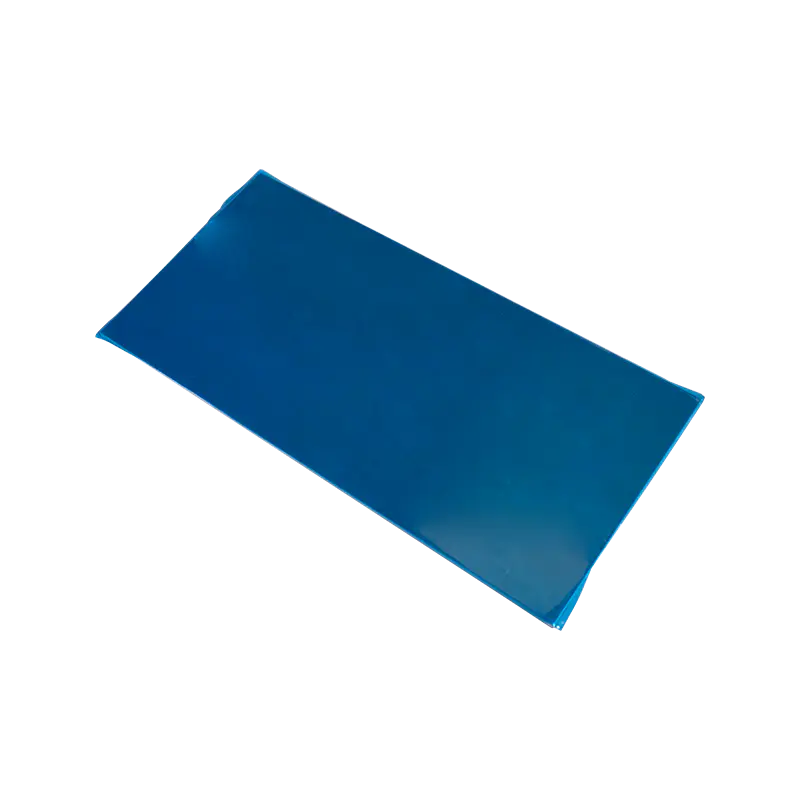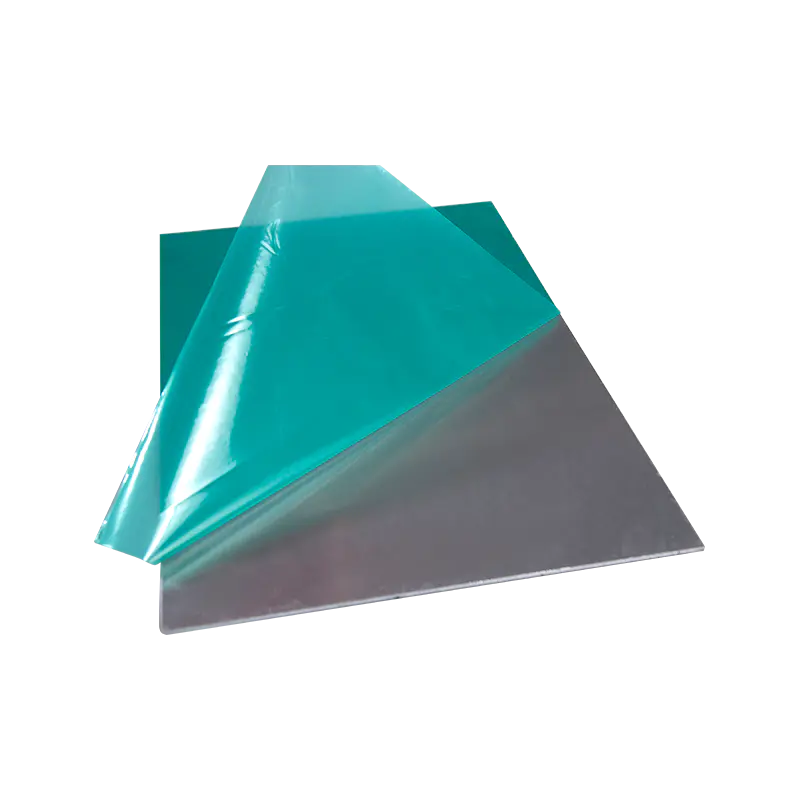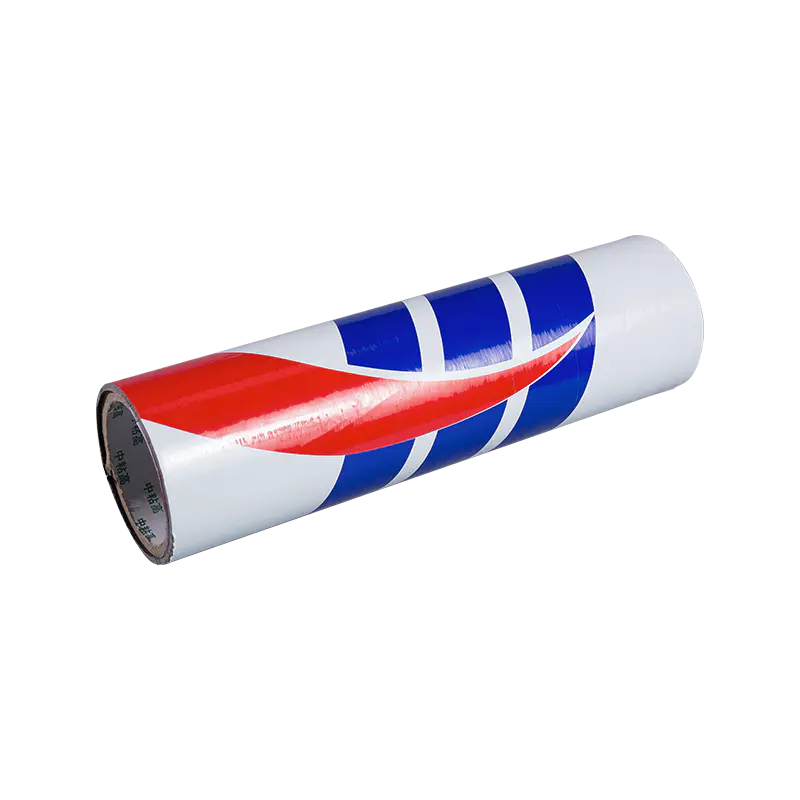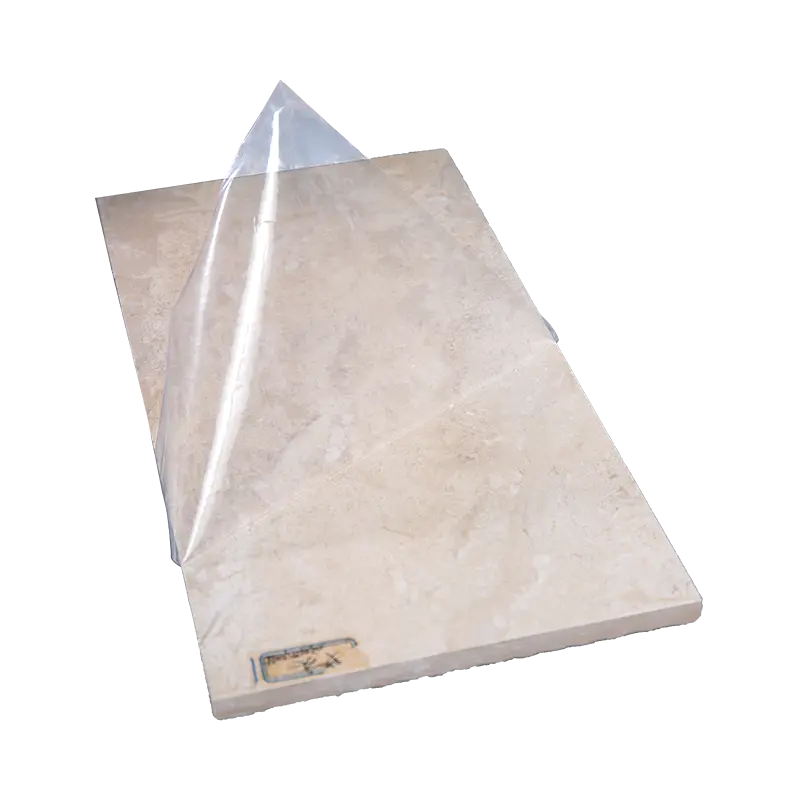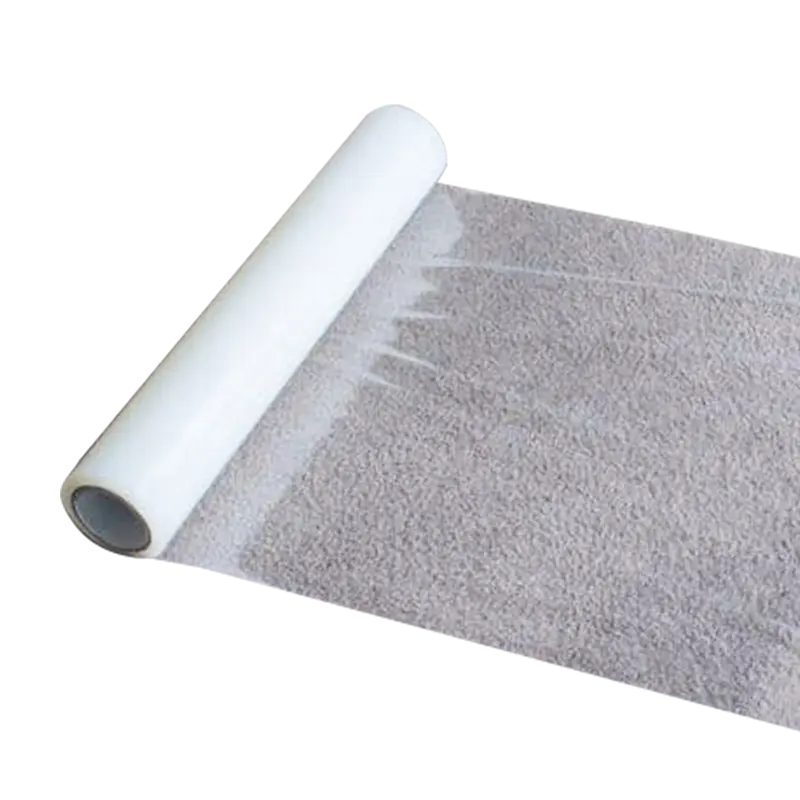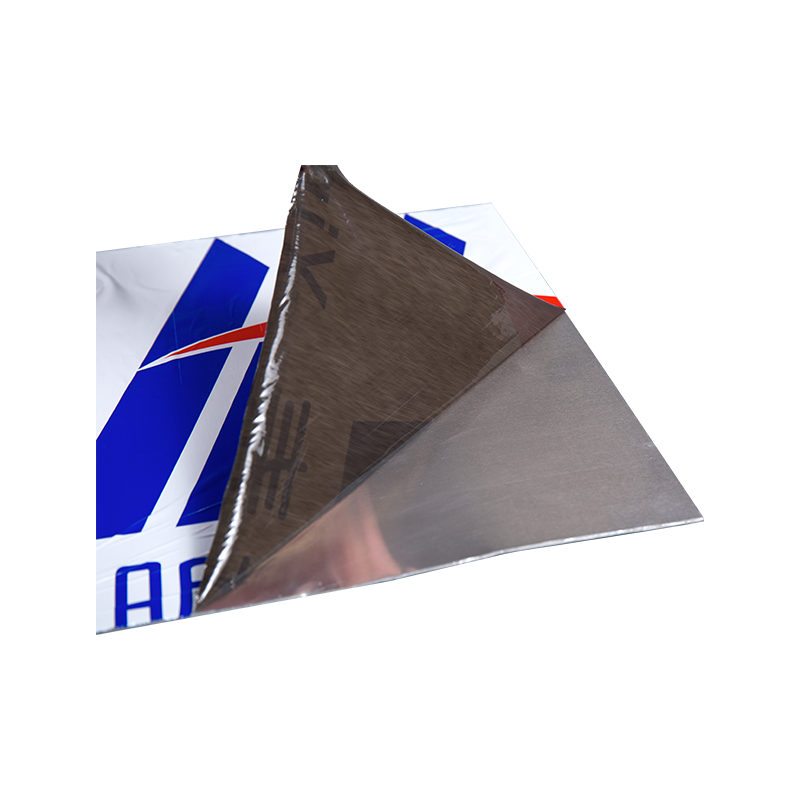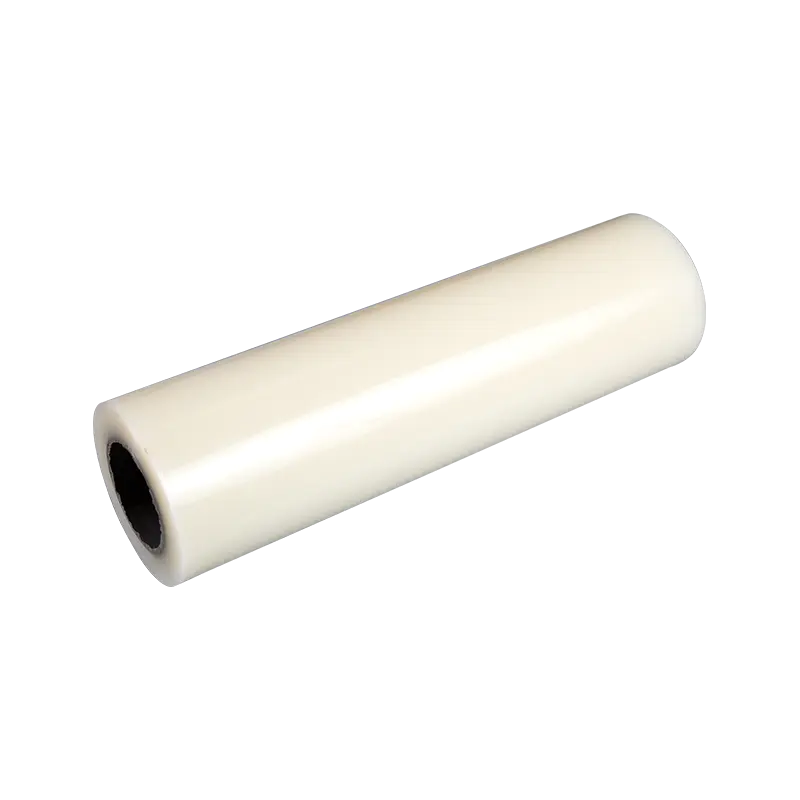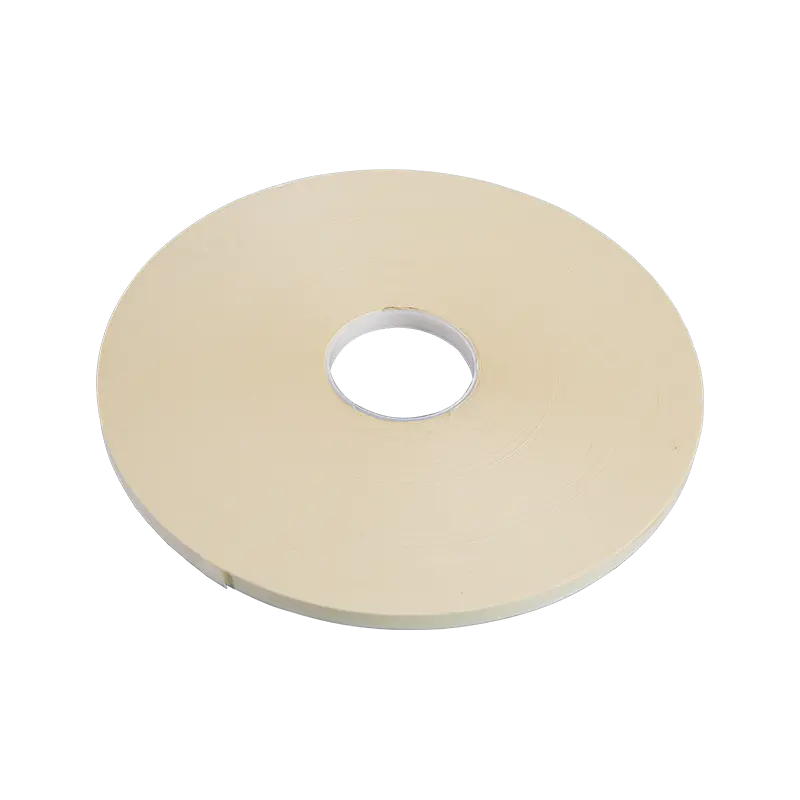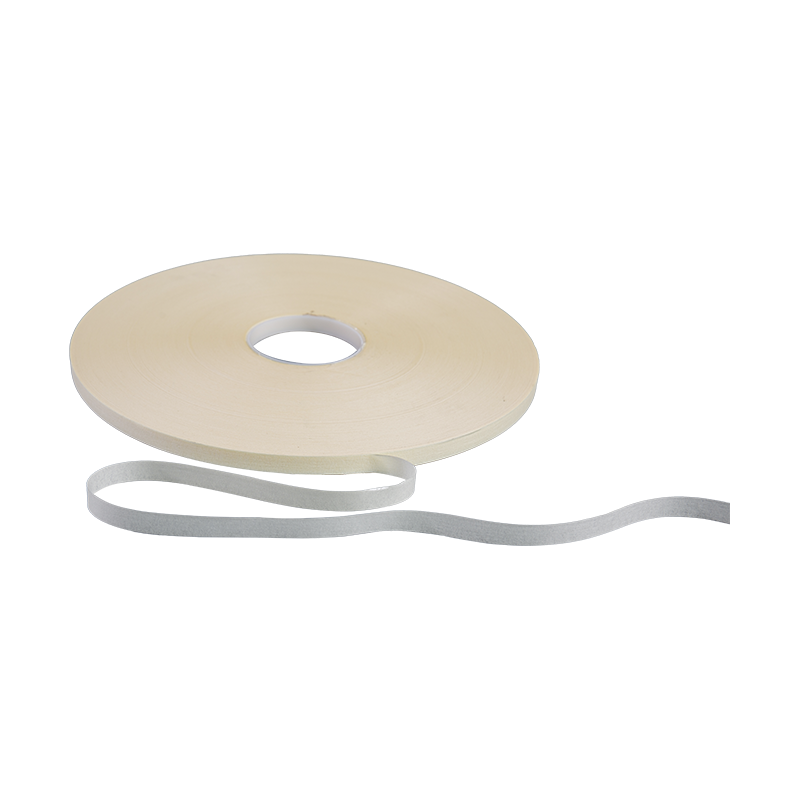
The Aluminum Profile Protective Film serves as a robust physical barrier between the aluminum surface and potentially damaging chemicals encountered during manufacturing, transport, or installation. Aluminum, although naturally corrosion-resistant, can suffer surface degradation when exposed to acids, alkalis, or other industrial chemicals over time. The protective film ensures that chemical agents do not make direct contact with the aluminum, preserving both the aesthetic and structural integrity of the profiles. High-quality films are engineered with a chemical-resistant polymer layer that withstands contact with various cleaning solvents, industrial degreasers, or minor spills, preventing pitting, etching, or discoloration. By acting as a shield, the film ensures that aluminum profiles maintain their original finish even in environments prone to chemical exposure.
In industrial and commercial applications, aluminum profiles are often exposed to cleaning agents, including alkaline detergents, degreasers, and mild acidic solutions used on surrounding surfaces. The Aluminum Profile Protective Film is specifically designed to resist penetration or degradation from these substances. Its chemical-resistant properties prevent softening, bubbling, or tearing, which could otherwise compromise adhesion and protection. This ensures that the aluminum underneath remains chemically unaltered, preserving surface finishes such as anodized, powder-coated, or brushed textures. By maintaining its integrity during routine cleaning or accidental exposure to cleaning agents, the film reduces maintenance needs and ensures that the profiles are protected until they are installed or ready for final finishing.
Although aluminum has a natural oxide layer that provides corrosion resistance, prolonged exposure to moisture and industrial chemicals—particularly at edges, cut surfaces, or joints—can accelerate surface degradation. The Aluminum Profile Protective Film acts as an additional protective layer, preventing contaminants, moisture, or chemical residues from reaching the aluminum surface. This is particularly important during storage, handling, and transportation, where profiles may be exposed to humidity, rain, or accidental chemical spills. By preventing direct contact with corrosive agents, the film preserves both structural and aesthetic qualities, reducing the risk of long-term deterioration. This ensures that aluminum profiles retain their performance characteristics and appearance over extended periods before installation.
During fabrication and installation, aluminum profiles are frequently exposed to adhesives, lubricants, machining fluids, or cleaning agents used on surrounding materials such as glass, concrete, or steel. The Aluminum Profile Protective Film shields sensitive surfaces from accidental chemical contact, spills, or splashes, preventing staining, etching, or surface discoloration. Additionally, the film allows installers and fabricators to handle, cut, and join profiles without fear of damaging the finish. The easy-peel design ensures that the film remains intact until all fabrication, cleaning, and installation activities are complete, providing continuous chemical protection. This reduces the need for touch-ups, cleaning, or rework and ensures the profiles are visually pristine upon project completion.
To maximize the protective effectiveness of the Aluminum Profile Protective Film, it should be applied to clean, dry aluminum surfaces immediately after fabrication or extrusion. Users should ensure the film remains intact during storage, handling, and transportation, replacing or reapplying it if any damage occurs. For high-risk environments with heavy chemical exposure, thicker or higher-adhesion films are recommended, as they provide additional resistance to penetration and longer-lasting protection. The protective film should only be removed after all fabrication, cleaning, and installation processes are complete to ensure full surface protection. Periodic inspection during storage or handling is also advised to maintain continuous coverage, preserving both the surface quality and structural integrity of the aluminum profiles.

Copyright © Wuxi Wanfeng Protective Film Co., Ltd. All Rights Reserved.
 English
 русский