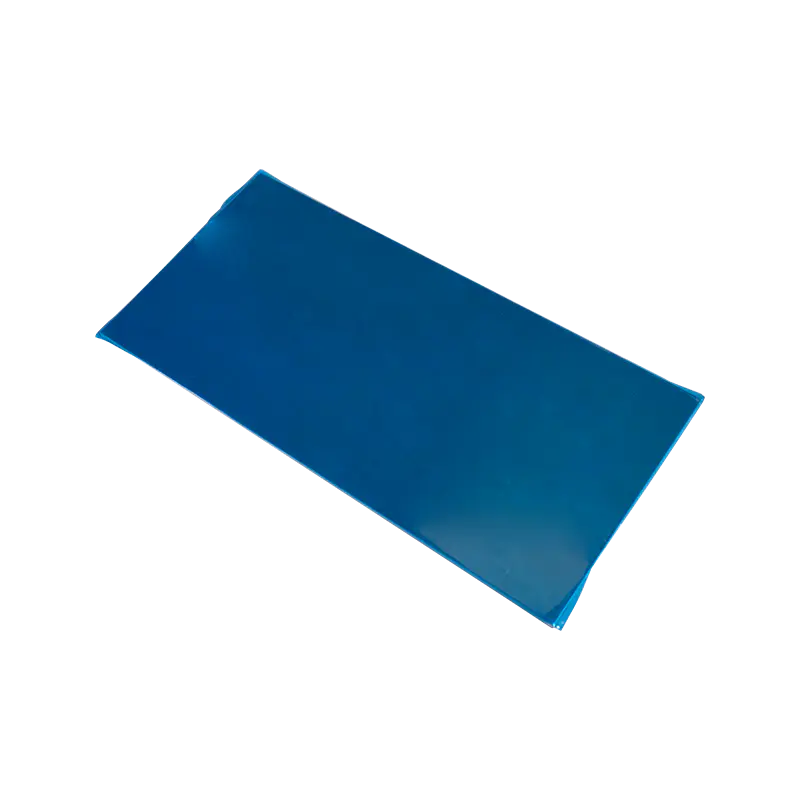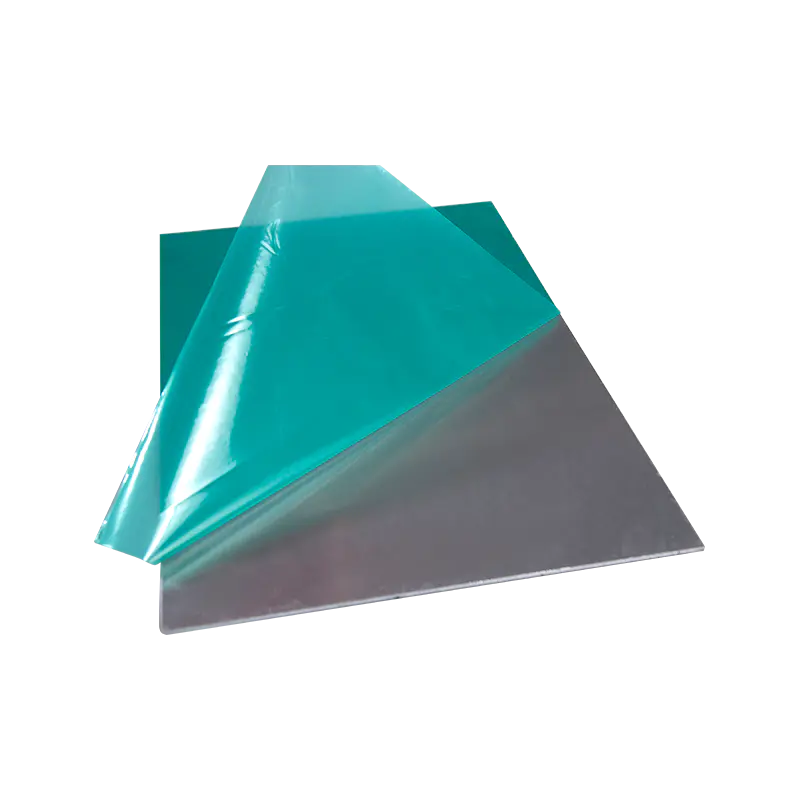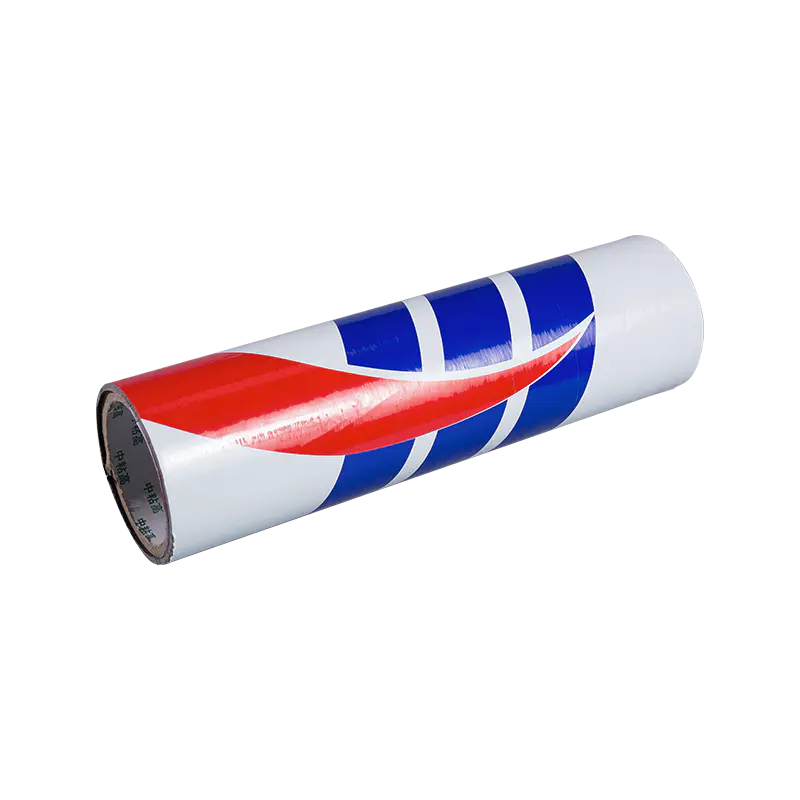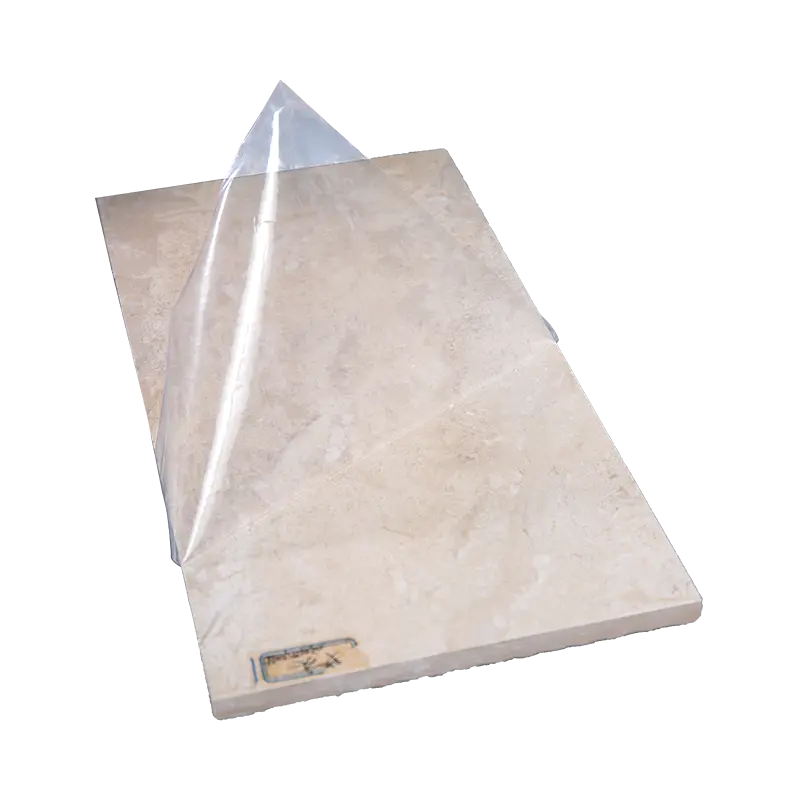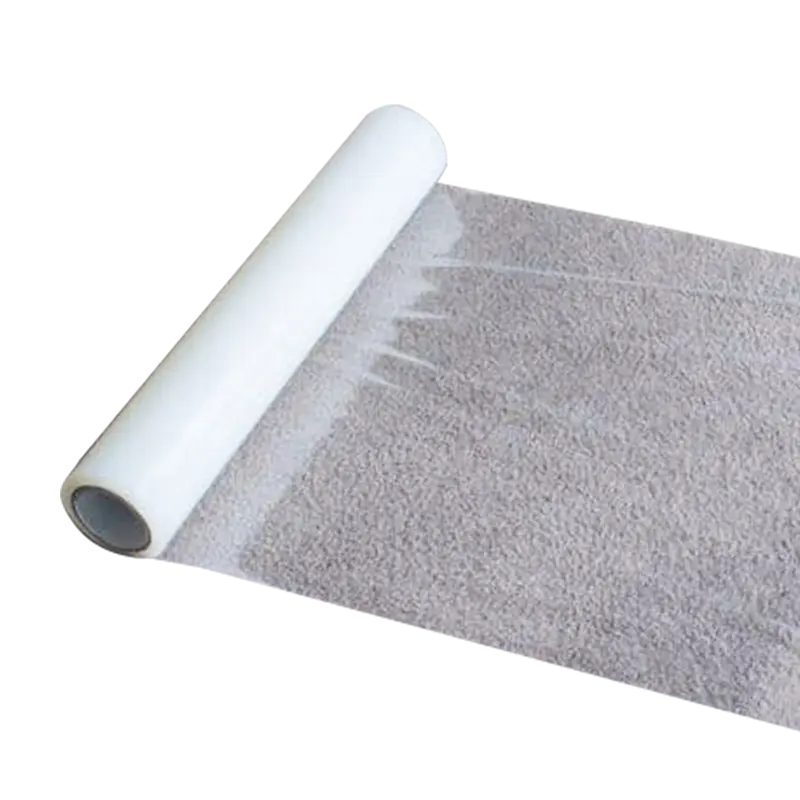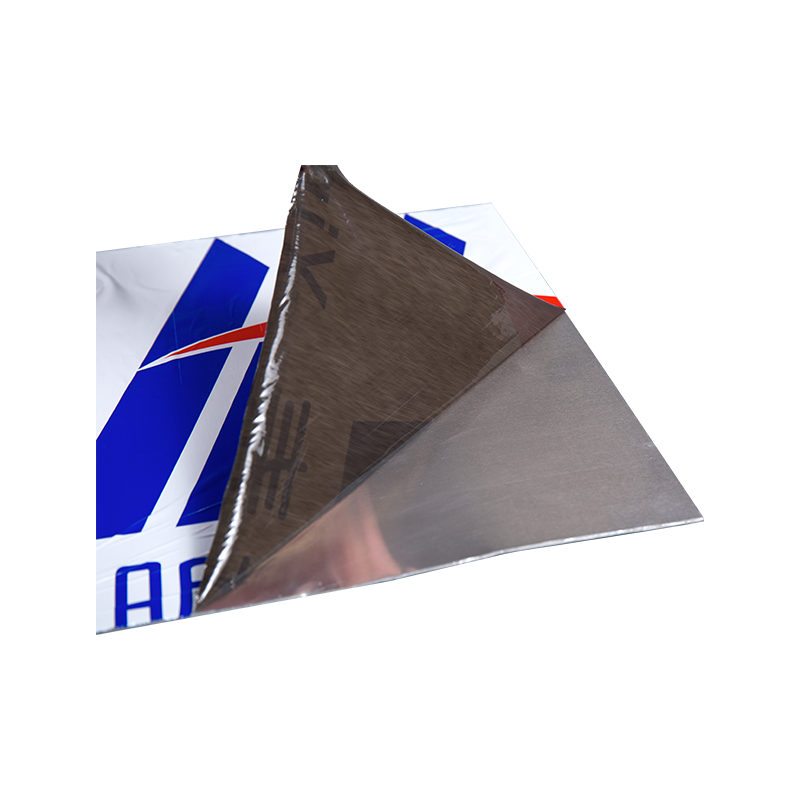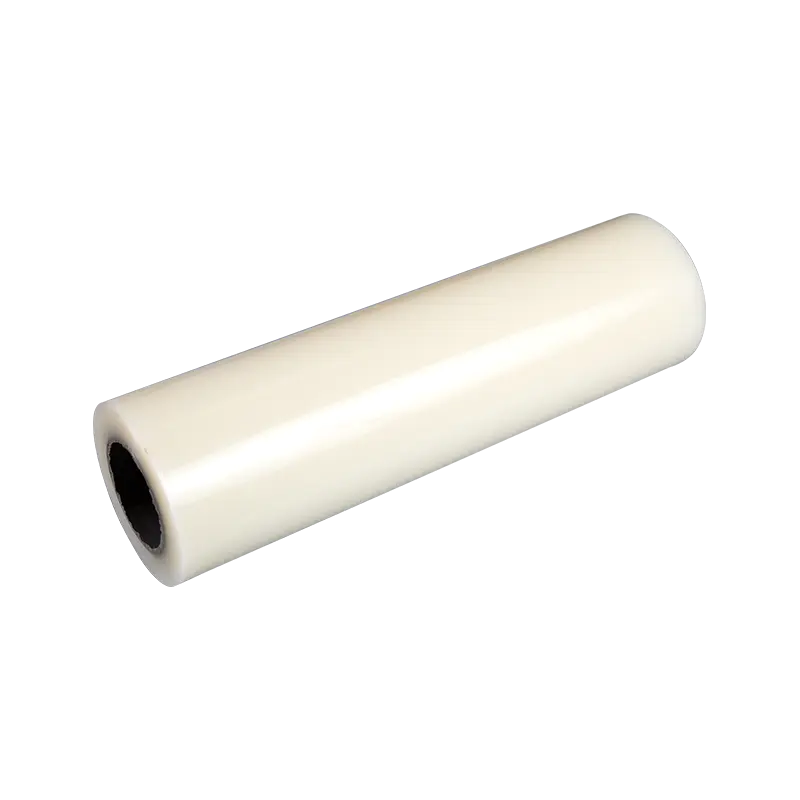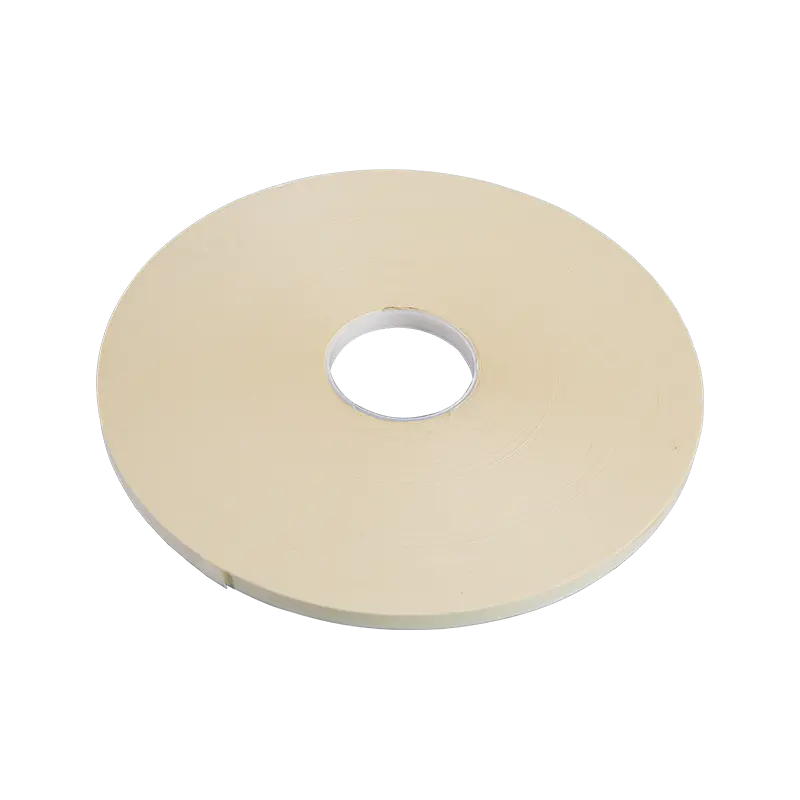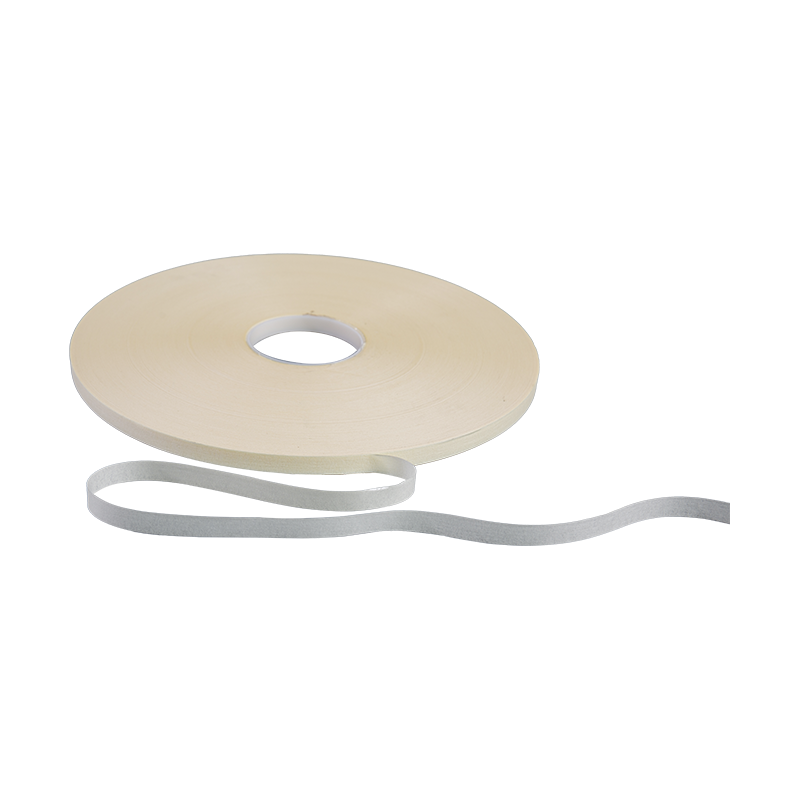
PVC Profile Protective Film can be applied inline during the PVC profile extrusion process. This is not only technically feasible but is widely adopted in modern profile manufacturing lines as the most efficient and cost-effective method of surface protection. Inline application eliminates the need for a secondary lamination step, reduces labor costs, and ensures consistent film coverage from the moment the profile leaves the die head. However, successful inline application depends on carefully controlled parameters including line speed, film tension, applicator positioning, and adhesive compatibility with the still-warm profile surface.
In a standard PVC profile extrusion setup, the profile passes through the die, enters a calibration and cooling tank, and then moves through haul-off units before being cut to length. The PVC Profile Protective Film applicator is typically positioned between the haul-off unit and the cutter, at a point where the profile has cooled sufficiently to accept the adhesive without causing thermal degradation of the film.
The film is fed from a roll mounted on a motorized unwind stand. A set of pressure rollers presses the film onto the profile surface as it passes through. The applicator unit is synchronized with the extrusion line speed to maintain consistent film tension and avoid stretching or wrinkling.
The application speed of the PVC Profile Protective Film must match the extrusion line speed precisely. A mismatch — even by a small margin — can result in film stretching, bubbling, edge lifting, or uneven adhesion. Most modern inline film applicators are equipped with servo-driven unwind systems that automatically synchronize with the haul-off speed signal.
| Profile Type | Typical Line Speed | Recommended Film Speed Tolerance |
|---|---|---|
| Window & Door Profiles | 2 – 5 m/min | ±1% |
| Decorative Trim Profiles | 5 – 12 m/min | ±0.5% |
| Lightweight Sealing Profiles | 10 – 20 m/min | ±0.5% |
For high-speed lines running above 10 m/min, dancer roller tension control systems are strongly recommended to buffer speed fluctuations and maintain consistent film web tension throughout the application process.
Tension management is one of the most technically demanding aspects of inline PVC Profile Protective Film application. Too much tension causes the film to stretch and neck down, resulting in reduced effective width and poor edge coverage. Too little tension allows the film to sag, wrinkle, or trap air pockets beneath the adhesive layer.
Industry practice recommends maintaining a film web tension of 5 to 15 N per meter of film width, depending on the film thickness and substrate surface energy. Thinner films in the range of 30 to 50 microns require tighter tension control compared to heavier 60 to 100 micron films, which have more inherent stiffness and dimensional stability.
One of the most frequently overlooked factors in inline application is the profile surface temperature at the point of film contact. If the PVC profile is still too warm — typically above 60°C — the heat can soften the adhesive layer of the PVC Profile Protective Film excessively, causing it to flow into micro-textures on the profile surface and making later removal difficult or messy.
Conversely, if the profile has cooled too much or carries surface condensation from the water tank, adhesion may be insufficient, leading to edge lifting during handling or transit. The optimal application window for most water-based acrylic adhesive PVC Profile Protective Films is a profile surface temperature between 25°C and 45°C.
Manufacturers should conduct an air-drying or blow-off step after the cooling tank to remove surface moisture before the film applicator station. A simple air knife system positioned 0.5 to 1 meter before the applicator rollers is sufficient in most production environments.
Not all PVC Profile Protective Film products are equally suited to inline extrusion application. When selecting a film for this process, the following specifications should be evaluated carefully:
Even well-configured inline systems experience occasional issues. The table below summarizes the most common problems encountered during inline PVC Profile Protective Film application and their recommended corrective actions.
| Problem | Likely Cause | Recommended Solution |
|---|---|---|
| Edge lifting after cutting | Insufficient adhesion or profile surface contamination | Increase roller pressure; add air knife drying step |
| Film wrinkling or bubbling | Excess film tension or speed mismatch | Recalibrate tension system; synchronize film speed with haul-off |
| Adhesive residue after removal | Film applied to hot profile or left too long in UV exposure | Verify surface temperature; use UV-stabilized film grade |
| Film tearing during application | Film too thin for line speed or tension level | Switch to a thicker film grade (60–80 microns); reduce tension |
| Uneven coverage on complex profiles | Applicator roller geometry not matching profile cross-section | Use custom-shaped conforming rollers or foam pressure pads |
Compared to offline or manual film application, inline application of PVC Profile Protective Film offers measurable operational advantages. A mid-sized profile extrusion facility running two lines at 5 m/min with manual offline film application typically requires two to three additional operators per shift just for the lamination process. Switching to inline application eliminates this labor cost entirely while improving consistency.
Inline application reduces film waste. Manual application often results in misalignment, overlaps, and cut-offs that can account for 8 to 15% material waste. An automated inline system with edge-guided film tracking typically reduces this waste to under 3%, delivering a meaningful cost saving at scale.

Copyright © Wuxi Wanfeng Protective Film Co., Ltd. All Rights Reserved.
 English
 русский