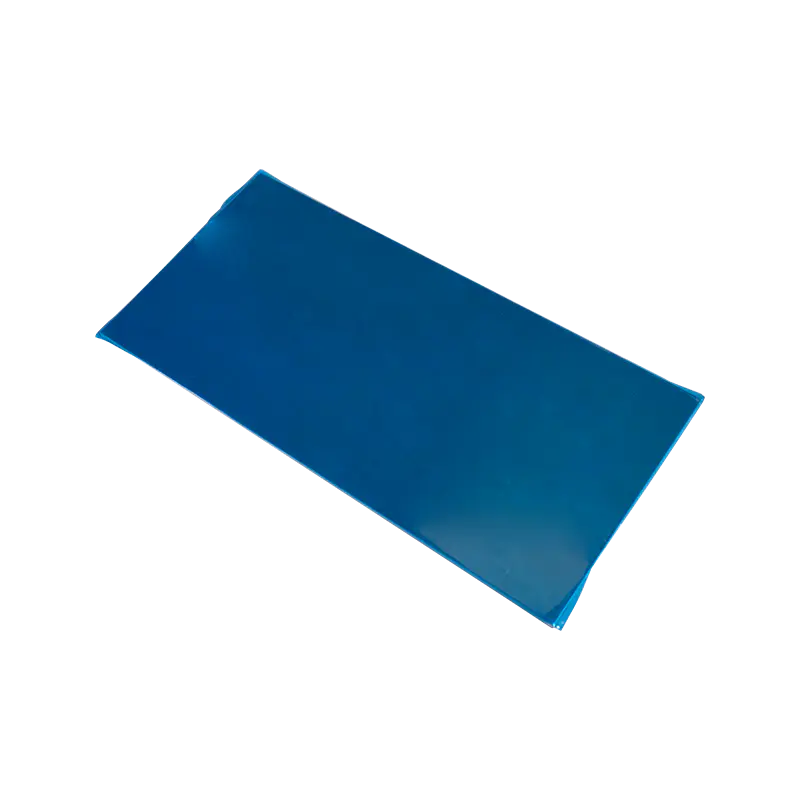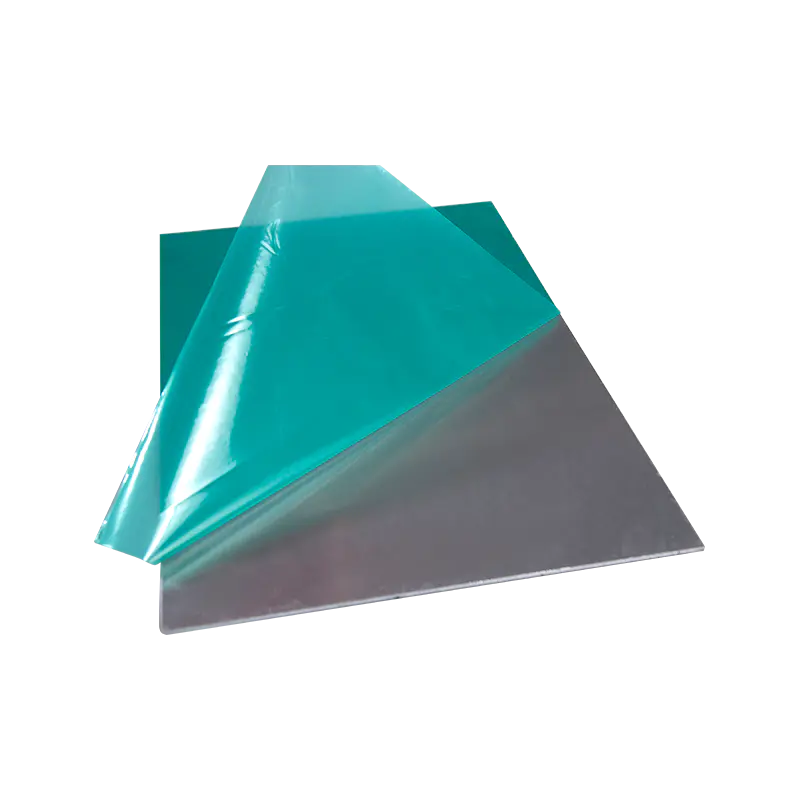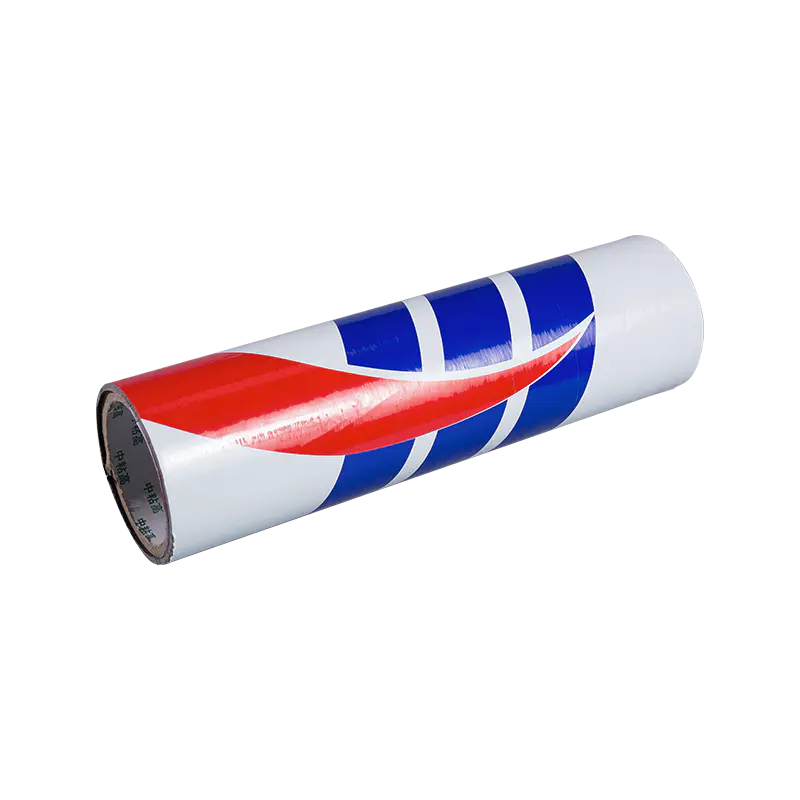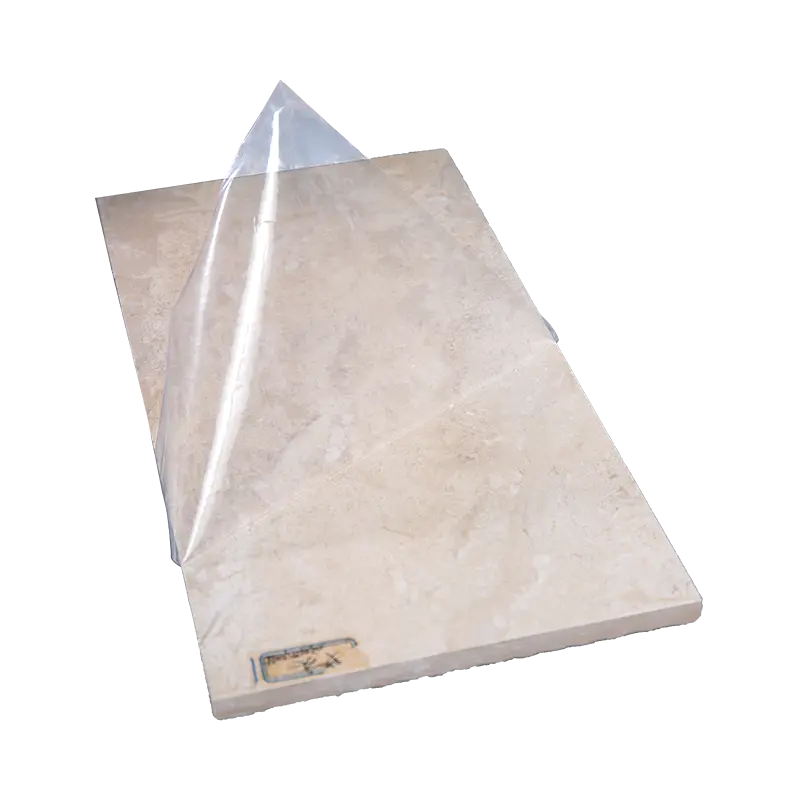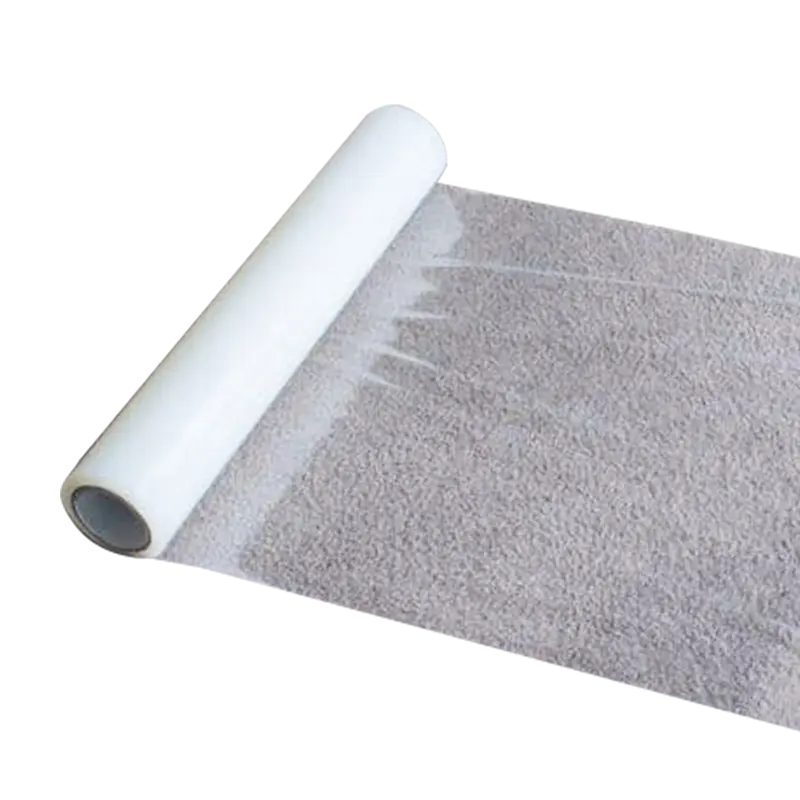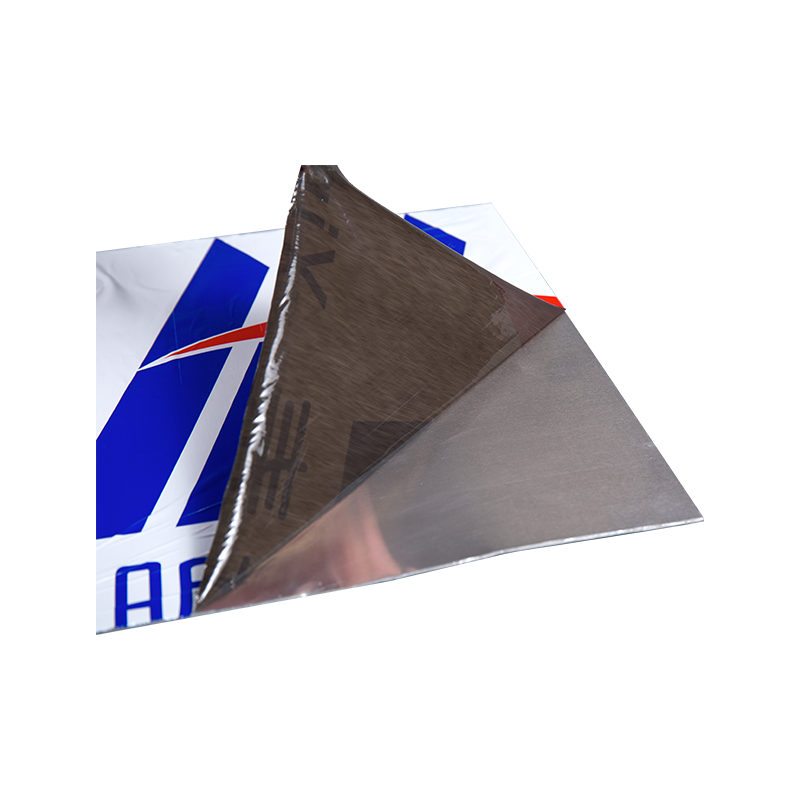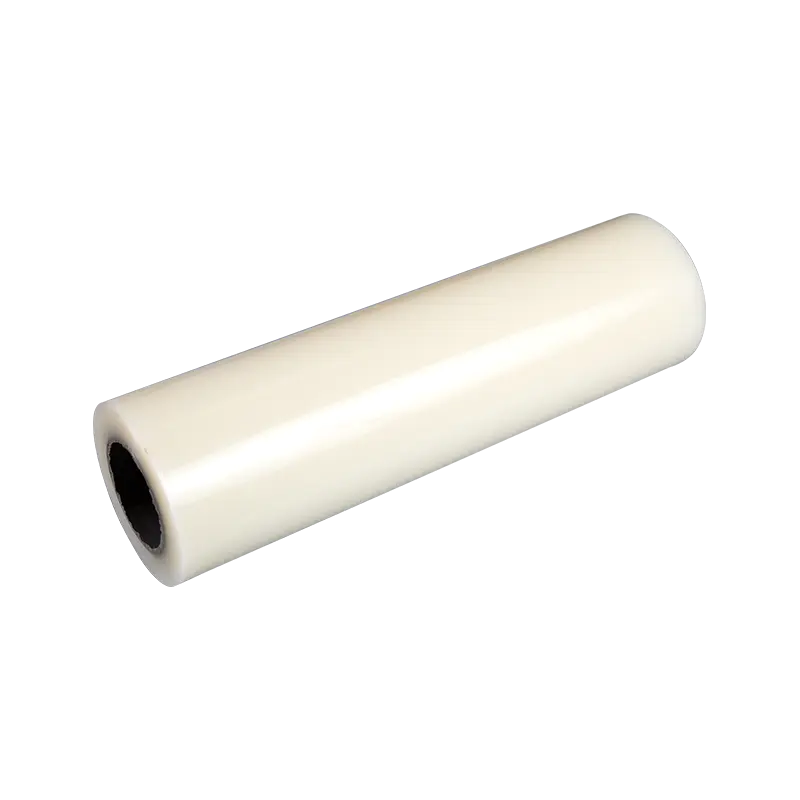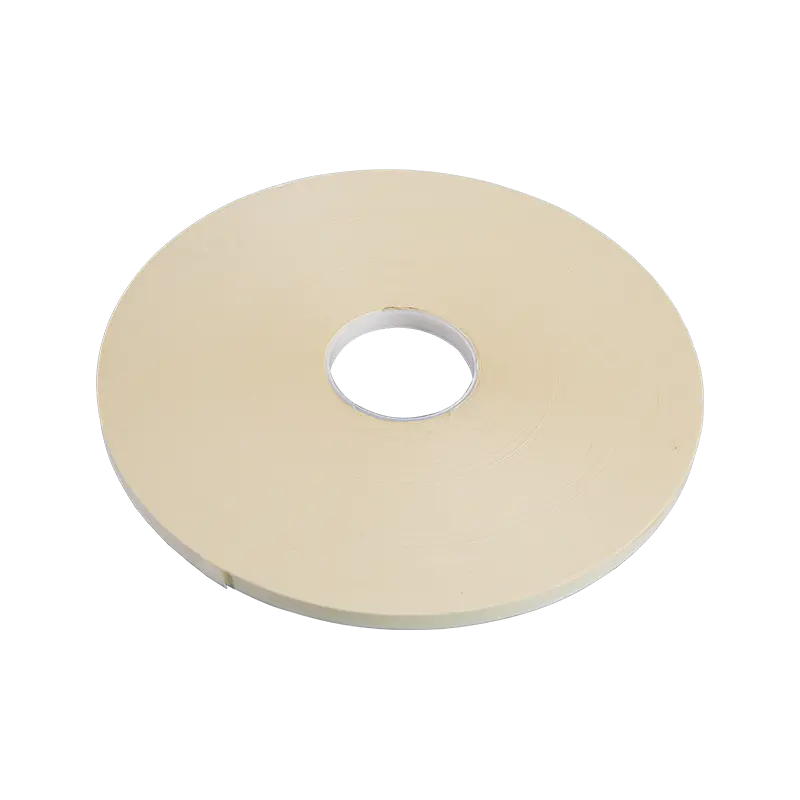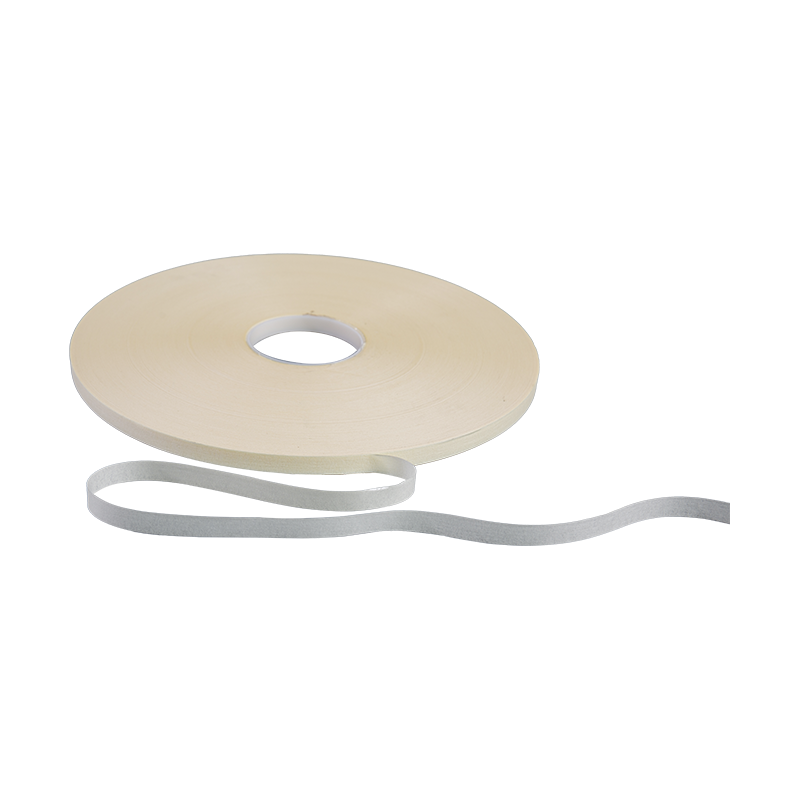
Furniture Board Protective Film significantly reduces transportation and handling damage by acting as a physical barrier against scratches, moisture, dust, and minor impacts. It preserves surface integrity, minimizes rework rates, and ensures that furniture components arrive at their destination in near-perfect condition.
In manufacturing and distribution environments, where furniture boards are frequently stacked, moved, and exposed to varying conditions, this protective layer plays a critical role in maintaining product quality and reducing financial losses.
One of the most common types of damage during transportation is surface scratching and abrasion. Furniture boards, especially those with high-gloss or laminated finishes, are highly susceptible to visible defects.
Furniture Board Protective Film creates a durable shield that absorbs friction and prevents direct contact between surfaces. This is particularly important when boards are stacked or transported in bulk.
During transportation, furniture boards may be exposed to humidity, condensation, or even rain. These environmental factors can cause swelling, warping, or surface discoloration.
Furniture Board Protective Film acts as a moisture-resistant barrier, reducing water absorption by up to 70% in short-term exposure scenarios. This is especially valuable for materials like MDF and particleboard.
Handling processes in warehouses and logistics centers involve frequent lifting, sliding, and repositioning of furniture boards. Without protection, these actions increase the risk of damage.
Protective films provide a smoother, more controlled surface that reduces friction inconsistencies and improves grip during handling. This results in fewer accidental drops or slips.
Damage during transportation often leads to costly rework, repairs, or complete product replacement. These issues directly impact profitability and customer satisfaction.
Studies in furniture manufacturing indicate that protective film usage can reduce surface defect rates by up to 60%. This translates into significant cost savings across production and distribution stages.
| Factor | Without Protective Film | With Protective Film |
|---|---|---|
| Damage Rate | 8%–12% | 2%–4% |
| Rework Cost | High | Low |
| Customer Complaints | Frequent | Rare |
In the furniture industry, visual quality is directly tied to brand perception. Even minor scratches can lead to customer dissatisfaction or product rejection.
Furniture Board Protective Film ensures that products reach customers in pristine condition, reinforcing brand reliability and perceived value.
This is particularly critical for premium furniture lines where surface perfection is a key selling point.
Furniture boards are transported through various logistics channels, including trucks, shipping containers, and warehouse storage systems. Each scenario presents unique risks.
Protective films can be customized in thickness and adhesion strength to match specific transportation conditions.
Furniture Board Protective Film is not just an optional accessory but a strategic solution for reducing transportation and handling damage. Its ability to protect surfaces, resist environmental factors, and lower operational costs makes it indispensable in modern furniture manufacturing and distribution.
By integrating protective film into logistics workflows, companies can achieve higher product quality, improved customer satisfaction, and stronger market competitiveness.

Copyright © Wuxi Wanfeng Protective Film Co., Ltd. All Rights Reserved.
 English
 русский