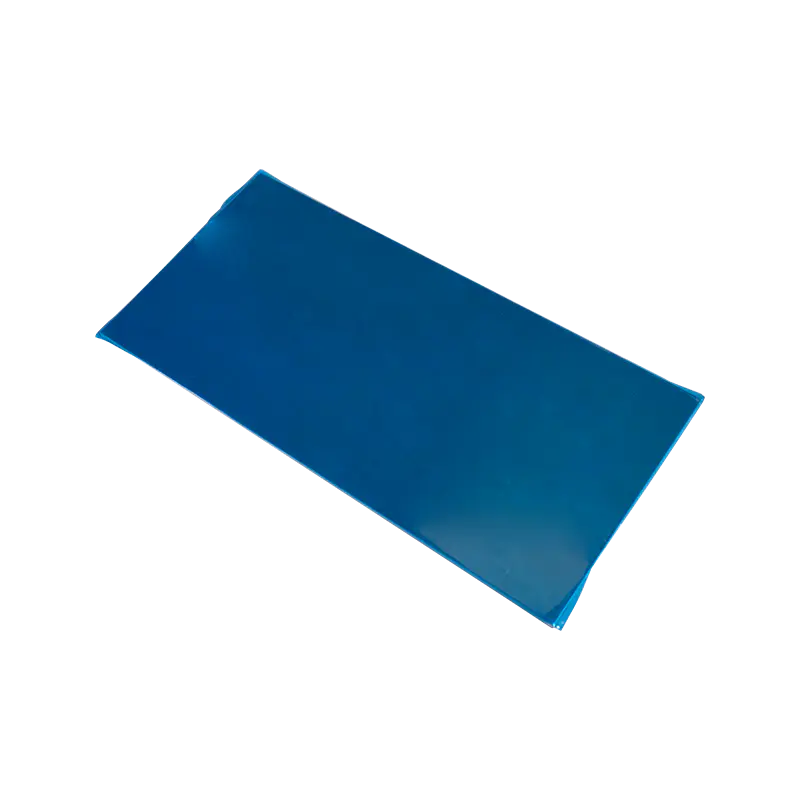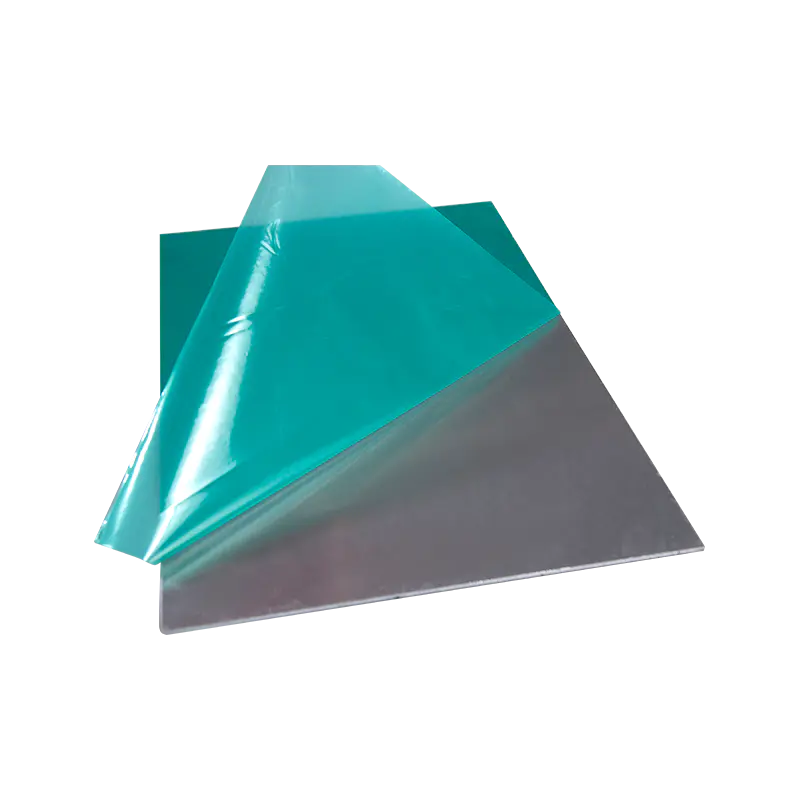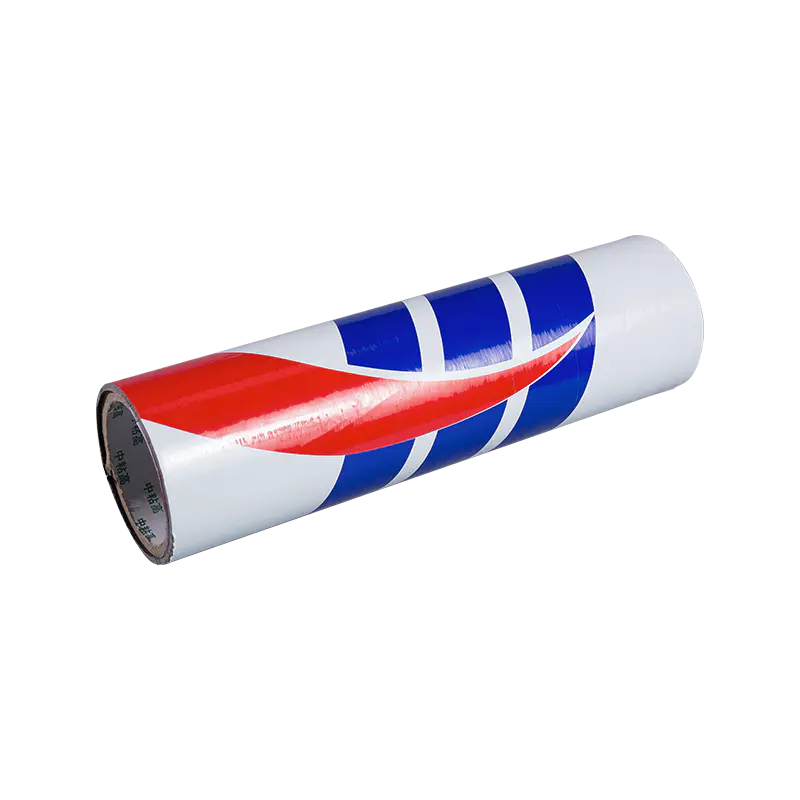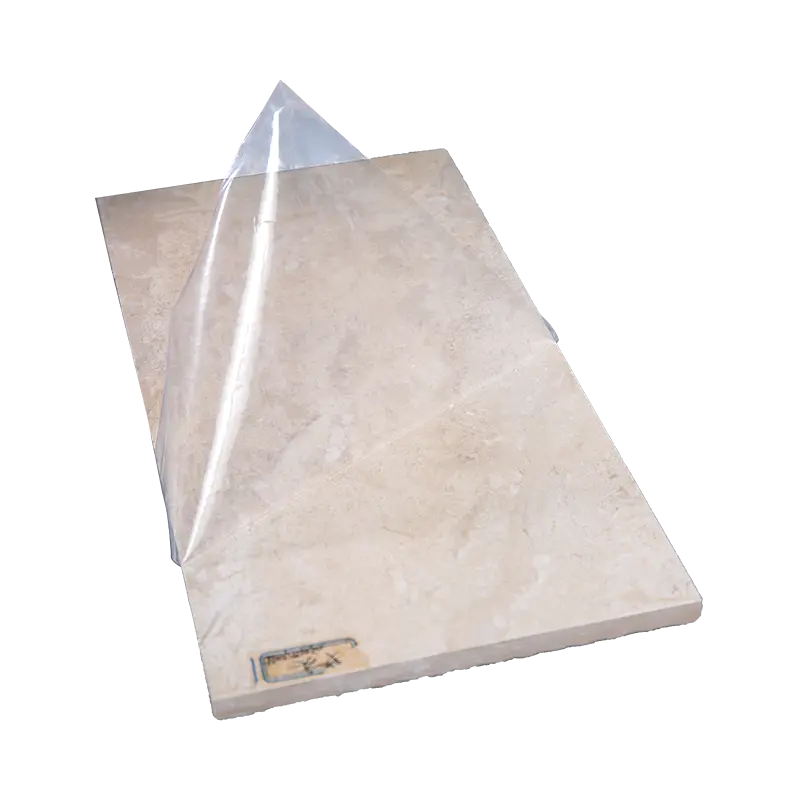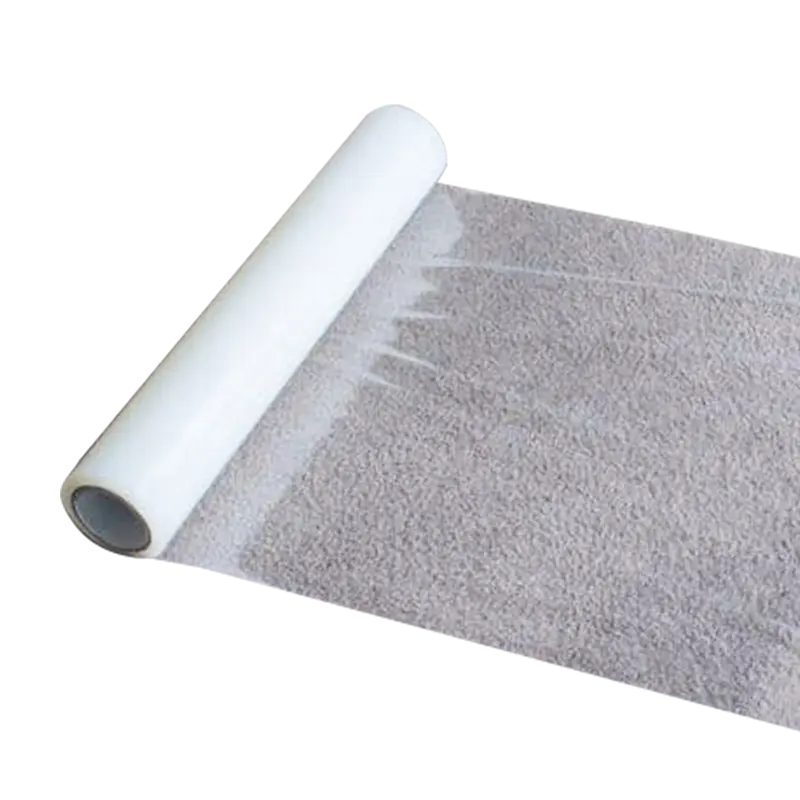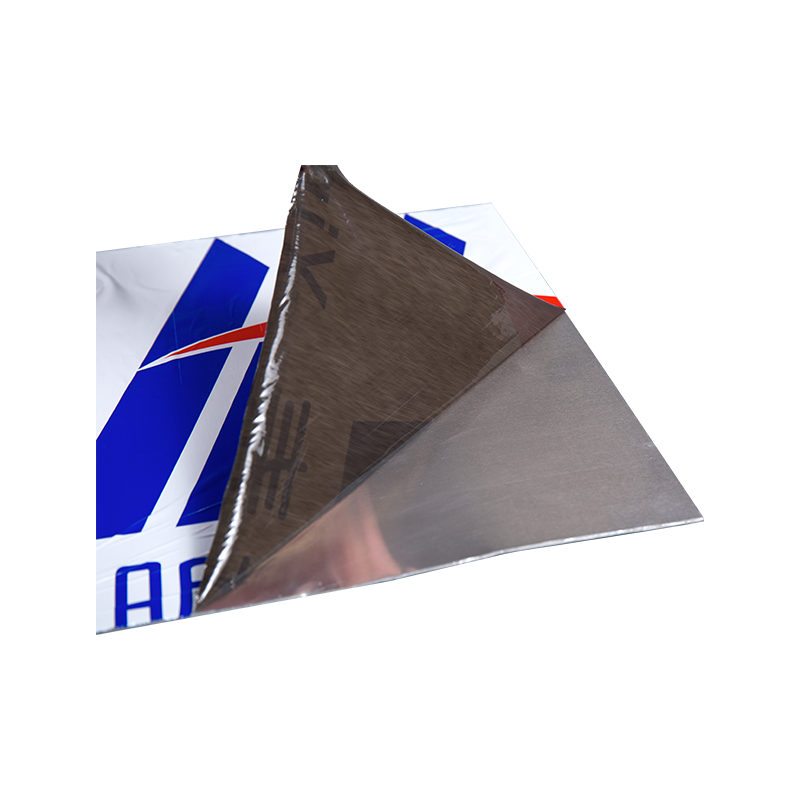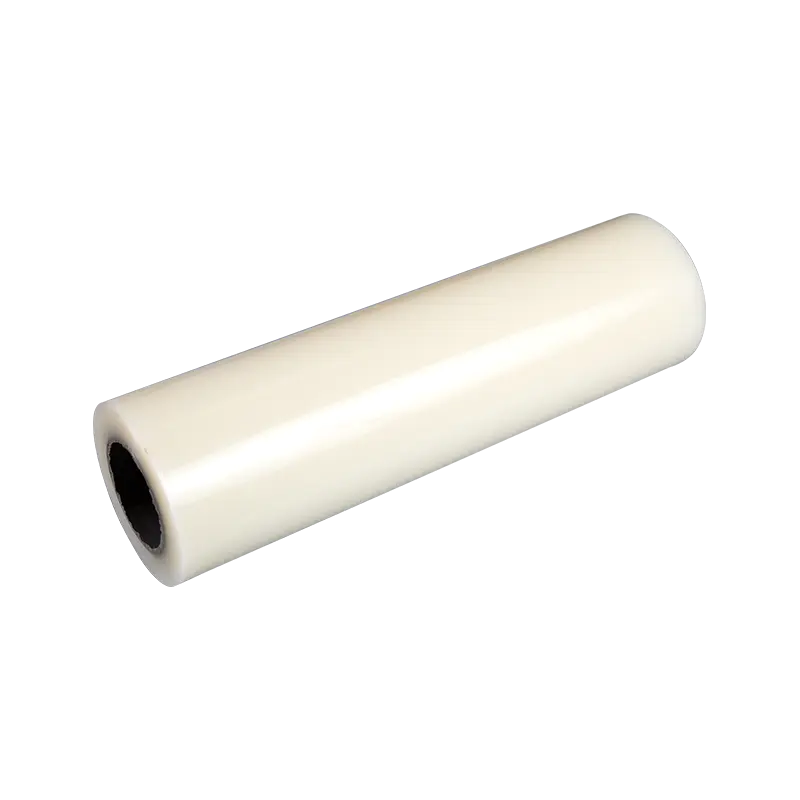
Furniture board protective film can be applied to curved or contoured board edges, but the success of the application depends heavily on the film's material composition, thickness, and the radius of the curve involved. Not all protective films are created equal — while standard polyethylene (PE) films handle gentle curves reasonably well, sharp contours and tight radii require specially formulated stretchable or conformable films to achieve full, bubble-free coverage without lifting.
This is a common concern for furniture manufacturers, board processors, and logistics professionals who need reliable surface protection during production, handling, and transport. Understanding the film properties and application techniques that make curved-edge coverage possible is essential to avoiding damage, adhesive failure, or film delamination in real-world use.
Flat surfaces are straightforward — the film lays down uniformly and the adhesive bonds evenly across the substrate. Curved or contoured edges, however, introduce mechanical stress at the point of bending. When a film is wrapped around an edge, the outer surface of the film must stretch while the inner surface compresses. If the film lacks sufficient elongation capacity, it will either tear, wrinkle, or lift at the edges.
The tighter the radius, the greater this stress. For example, a board edge with a radius of 3mm or less places significantly more demand on a film than a gradual bullnose profile with a 15mm radius. In practice, standard low-density polyethylene (LDPE) films with elongation at break around 200–300% may suffice for gentle curves, but profiles such as bevel edges, ogee cuts, or fully rounded edges often require films rated at 400% elongation or higher.
Choosing the right furniture board protective film for curved applications starts with understanding what each film type offers in terms of flexibility and conformability.
| Film Type | Elongation at Break | Best For | Edge Radius Suitability |
|---|---|---|---|
| Standard LDPE Film | 200–300% | Flat panels, slight curves | ≥ 10mm radius |
| Stretch PE Film | 400–600% | Bullnose, rounded profiles | 3–10mm radius |
| TPU Conformable Film | 500–800% | Tight radii, complex contours | ≤ 3mm radius |
| PVC Soft Film | 250–400% | Decorative edges, moderate curves | 5–12mm radius |
Thermoplastic polyurethane (TPU) films represent the premium option for the most demanding edge profiles. Though more costly than standard PE films, they conform tightly to virtually any contour and maintain adhesion without creasing — making them the preferred choice for high-end furniture manufacturers working with sculpted or designer-profile boards.
Thickness is a critical and often overlooked factor when applying furniture board protective film to non-flat surfaces. Thicker films generally offer better puncture resistance and surface protection, but they also resist bending more aggressively — which can cause lifting or tunneling on curved edges.
As a practical guideline:
For most curved-edge furniture board protection scenarios, a 40–60 micron stretchable PE or TPU film strikes the ideal balance between conformability and surface protection performance.
Even with the right film, the application method determines whether the furniture board protective film bonds cleanly around contoured edges or develops weak spots and air pockets.
Applying moderate heat (typically 40–60°C) using a heat gun or warm roller softens the film and temporarily increases its elongation capacity, allowing it to conform to tight radii without tearing. This is particularly effective with PE and PVC films. The film should be stretched gently while warm and held in place as it cools to lock in the conformed shape.
Using a soft rubber squeegee or foam roller to press the furniture board protective film firmly against curved surfaces helps eliminate air entrapment and ensures the adhesive contacts the substrate at every point of the contour. Starting from the center of the curve and working outward distributes tension evenly and prevents wrinkle formation.
For very tight or angular contours, an overlap technique — where the film is applied to the face of the board and wrapped over the edge with controlled tension — ensures continuous protection. A 10–15mm wrap-around overlap is typically sufficient. On sharp 90° edges, scoring and folding the film rather than stretching it can prevent stress fractures in the film material.
The adhesion performance of a furniture board protective film on curved edges is also influenced by the substrate surface condition. Even the most conformable film will fail prematurely if applied to a contaminated or incompatible surface.
Different furniture board edge profiles present different levels of challenge for protective film application. Here is a practical overview of how furniture board protective film performs across common edge types:
For high-volume production environments where boards have consistent edge profiles, ordering custom-slit or die-cut furniture board protective film tailored to the specific board dimensions and edge geometry significantly improves application efficiency and reduces material waste. Pre-cut films can be designed with extra wrap allowance built into the dimensions, eliminating the need for manual trimming at contoured edges.
Some suppliers also offer pre-stretched or pre-formed edge protection film strips specifically designed to be applied as a secondary film layer on complex profiles, used in combination with a flat-face film on the board panel itself. This two-layer approach provides complete surface and edge protection without requiring a single film to handle both flat and curved areas simultaneously.
In summary, selecting the correct film material, thickness, and application method is far more important than whether the film is theoretically capable of covering curves. With the right product and technique, furniture board protective film can reliably protect even complex contoured edges throughout the manufacturing and delivery process.

Copyright © Wuxi Wanfeng Protective Film Co., Ltd. All Rights Reserved.
 English
 русский