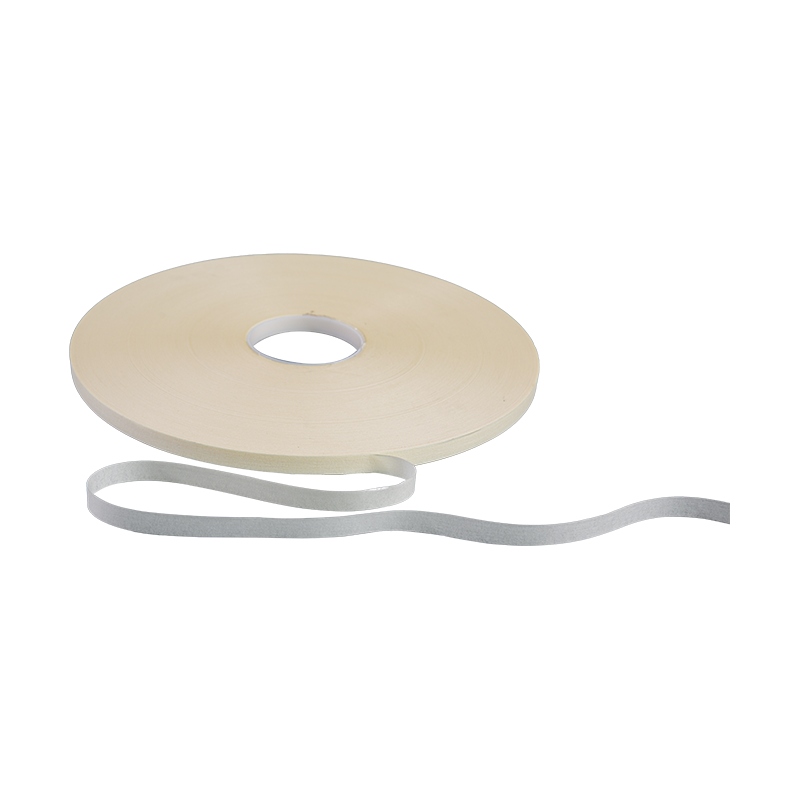
Field Notes on Adhesives
Hot Melt Tape: Speed, Bonding Chemistry, and the Failures That Nobody Puts on the Spec Sheet
A practical look at what hot melt tape can do, where it struggles, and how to choose a version that won’t embarrass you at 4°C.
It happened on a packaging line in the middle of winter. The new hot melt tape sealed cartons beautifully at 18 boxes a minute, then shattered the next morning when the warehouse dropped to 4°C. The datasheet said the tape had solid adhesion. It did—but adhesion alone was never the point.
Hot melt tape is a fast, solvent-free adhesive system that earns its keep in the right environment. Its strengths are quick bond formation and a firm hold on paper, cardboard, and many industrial surfaces. Its weakness is that performance depends on formulation, coating weight, and the temperature around the joint. If you are buying hot melt tape for the first time, or replacing a troubled tape, read the next few sections before you place a roll into production.
Hot melt tape starts with a thermoplastic adhesive that is melted, coated onto a backing, and allowed to cool. Unlike pressure-sensitive tape, which stays tacky at room temperature and bonds under light pressure, hot melt tape forms its bond as the adhesive cools and hardens. The practical result is faster line speeds and a more aggressive initial grab on fibrous surfaces.
The trade-off is that the adhesive has to be at the right temperature when it meets the substrate. If the roll is cold, the adhesive may not wet the surface properly. If the ambient temperature is too high, the adhesive may stay soft and lose shear strength. That is why production discussions about hot melt tape usually sound less like “which tape is stronger” and more like “which formulation fits our environment.”
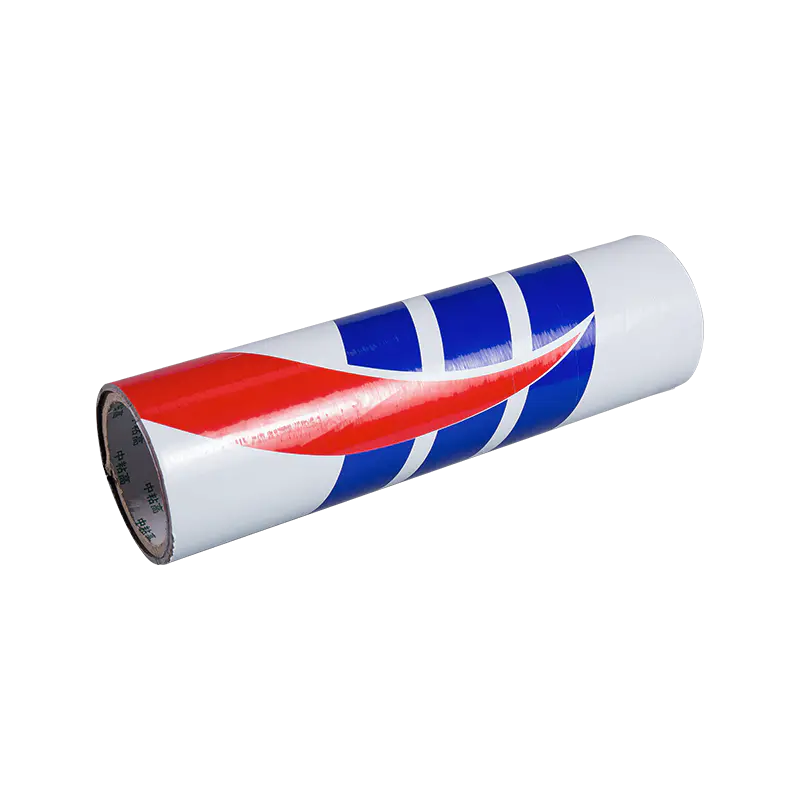
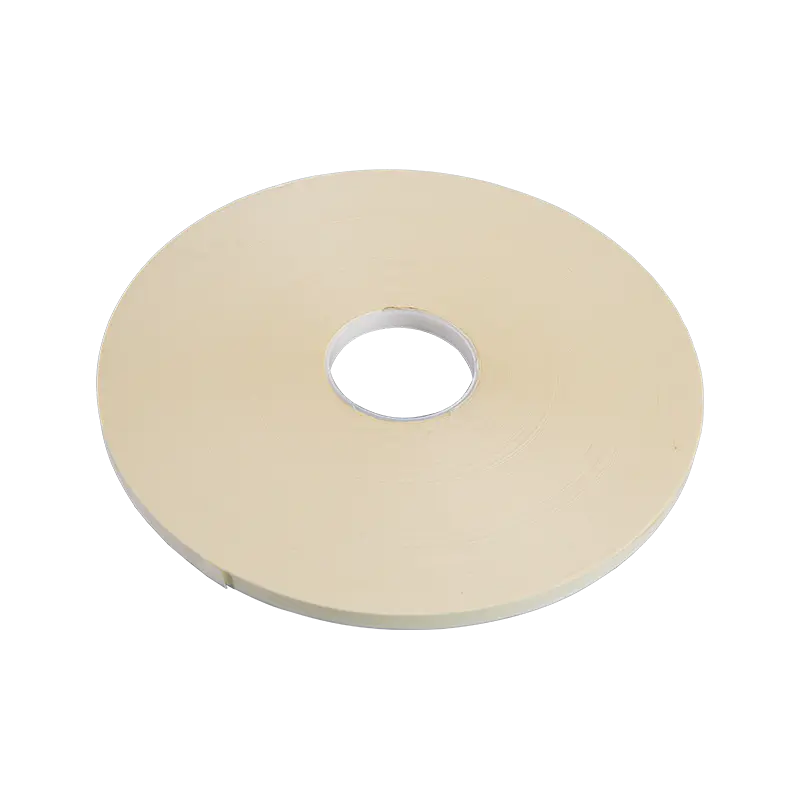
A good starting reference point is a general-purpose product built for clean release and steady performance on packaging surfaces. Wanfeng’s hot-melt tape is one example; it is designed for the kind of work we describe below.
 Hot Melt Tape for Electronic Component PackagingIdeal for finishing electronic components, this masking-paper tape with natural latex offers steady performance on packaging surfaces, as discussed above.View Product →
Bond strength depends on polymer type, coating weight, and the substrate’s surface energy. EVA-based hot melts soften at lower temperatures. Synthetic rubber formulations add tack. Polyolefin blends behave better in heat. On corrugated board, hot melt tape grabs quickly, then the bond stabilizes over the next few hours.
| Factor | Typical behavior | Why it matters |
|---|---|---|
| Bond speed | Sets in seconds after cooling | Supports high-speed lines without long compression zones |
| Initial tack | High on paper and cardboard | Reduces slippage during transfer and stacking |
| Continuous temperature | Roughly 0–60°C, depending on formulation | Outside this range, the failure mode changes |
| Humidity | Little effect after cure | More forgiving than water-based adhesive on damp board |
| Removal behavior | Can be clean or leave residue | Test at 24 hours and 7 days before full rollout |
One point that surprises buyers: coating weight matters more than backing thickness. Two tapes with the same backing can behave completely differently because one carries 20% more adhesive. A thick backing does not compensate for an uneven coating that leaves dry spots across the web.
The first 48 hours of a hot melt bond tell you more than the adhesion number on the data sheet.
The clearest wins are high-volume, repetitive operations: carton sealing, tray forming, bag closing, and light-duty splicing. Because the adhesive needs no water or solvent to cure, hot melt tape can run in cold environments where liquid adhesives slow down. It also holds on recycled corrugated board, where low-tack pressure-sensitive tapes often fail to get a reliable bite.
On a typical carton line, hot melt tape reduces compression time and lets boxes move straight into palletizing. The tape is forgiving on slightly dusty cardboard, as long as the dust is not combined with grease or a release agent.
For paper mills, converters, and light assembly operations, hot melt tape can act as a quick splice or a positioning aid before a permanent fastening method is applied. Elasticity and shear resistance become more important in these jobs, which is why a real production sample matters more than a brochure.
Hot melt tape is rarely the best choice for permanent structural bonding; it excels when the bond needs to be strong enough for handling, stacking, and short-term protection. That may sound modest, but in a busy packaging hall, it is exactly what keeps the line moving.
For heavier work that needs firm adhesion without heat assistance, some plants choose a cold-pressed tape with cowhide instead.
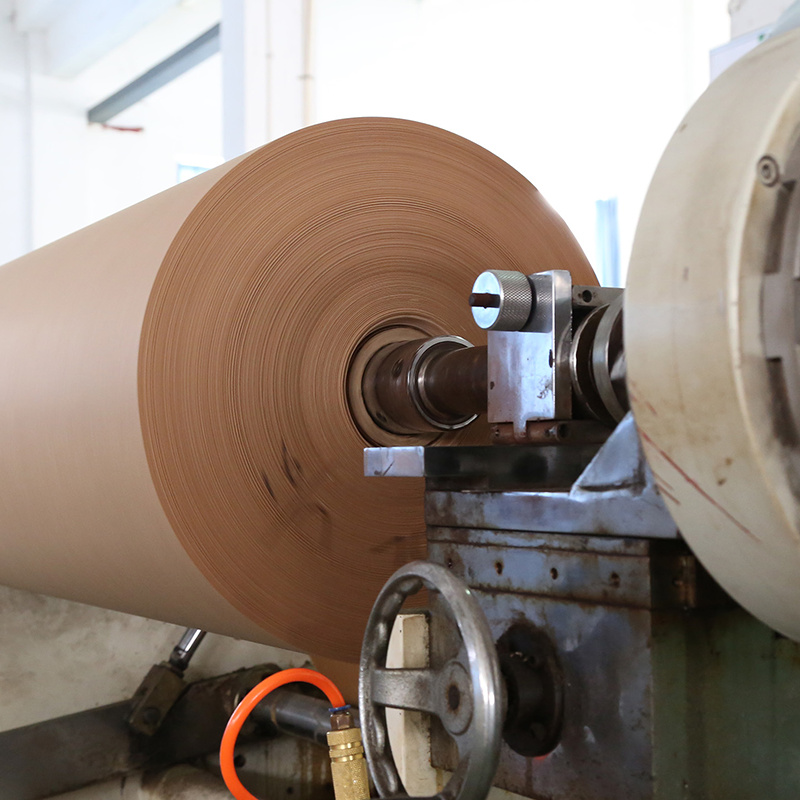 Cold Pressed Cowhide Tape for Industrial CapacitorsHeavier-duty kraft paper tape with natural latex, suited for capacitor masking and other industrial bonding tasks where firm adhesion is needed without heat.View Product →
The most common mistake is using hot melt tape outside its thermal window. Above 60°C, many EVA-based coatings soften and wick into the paper, which destroys the bond. Below 0°C, the adhesive can become brittle and shatter under vibration. The next mistake is ignoring surface chemistry: plasticizers, silicone, mold release, or oily residues can make the tape look bonded for an hour and then fail overnight.
Start with three questions: what is the substrate, what temperature will the tape see for at least 24 hours, and how long does the bond need to hold? Clean paper and board with short- or medium-term bonding point toward hot melt tape. If the line speed is high, choose a fast-cooling formulation. If the tape will sit in a hot warehouse or near a motor, ask for a higher softening point.
The cheapest roll is rarely the most cost-effective, because application failures appear in downtime and rejected units. A slightly more expensive tape that runs without stops usually pays for itself before the end of the shift.
Hot melt tape is not the most glamorous adhesive in the factory, but it is fast, predictable, and cost-efficient when matched correctly. The companies that get it right treat the datasheet as a starting point, not a promise. They test under real line conditions, watch the first shifts, and then let the tape do what it does best: hold a seam without slowing anyone down.

Copyright © Wuxi Wanfeng Protective Film Co., Ltd. All Rights Reserved.
 English
 русский