Hot Melt Tape vs Solvent Based Tape: Which One Belongs on Your Line?
A packaging engineer once told us why she stocked two tapes in her plant: the solvent based roll never let her down in summer heat, but the hot melt roll was what the line actually ran with day after day. That split mirrors what most industrial buyers face when they compare hot melt tape and solvent based tape. Hot melt is the stronger default for fast packaging lines, lower cost, and a cleaner environmental profile; solvent based tape remains the sensible choice when the bond must resist sustained heat, humidity, and long-term shear stress. Here is how the two chemistries compare and where each one earns its place.
Hot melt tape is coated with a thermoplastic adhesive that is applied in a molten state and forms its bond as it cools. Because there is no water and no solvent, nothing has to evaporate before the tape grips. A hot melt tape reaches high initial tack within seconds of application, which is why it performs so well on high-speed carton closing equipment. The trade-off: the adhesive remains thermoplastic, so heating it past its softening point will make it flow again. That sets a real ceiling on continuous service temperature.
Solvent based tape starts with adhesive polymers dissolved in an organic solvent. As the solvent evaporates, the adhesive crosslinks into a three-dimensional network, and bond strength builds gradually. Once fully cured, a solvent based adhesive typically delivers higher shear resistance and better resistance to plasticizers, oils, and weathering than a typical hot melt formulation. The practical outcome is simple: hot melt gives you speed at the application point; solvent based gives you extra durability after the cure is complete. Which one matters more depends on your line, your substrate, and your customer's storage conditions.
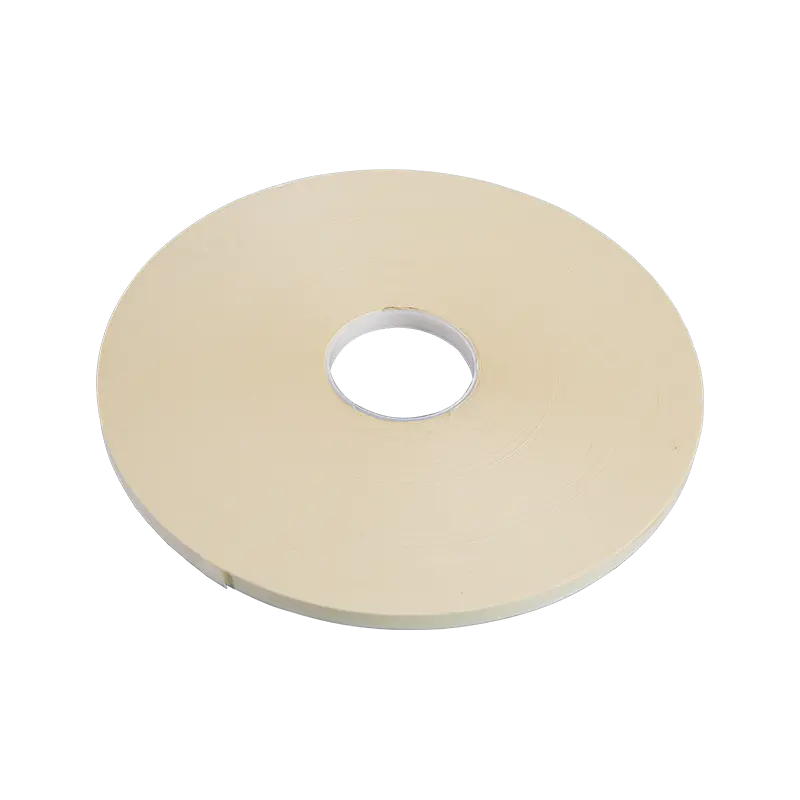
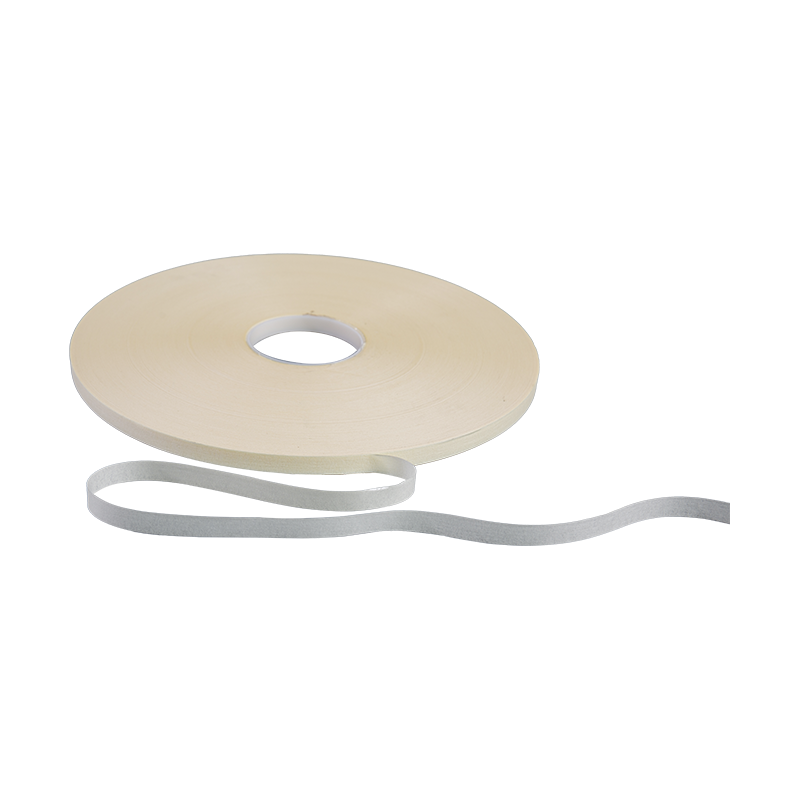
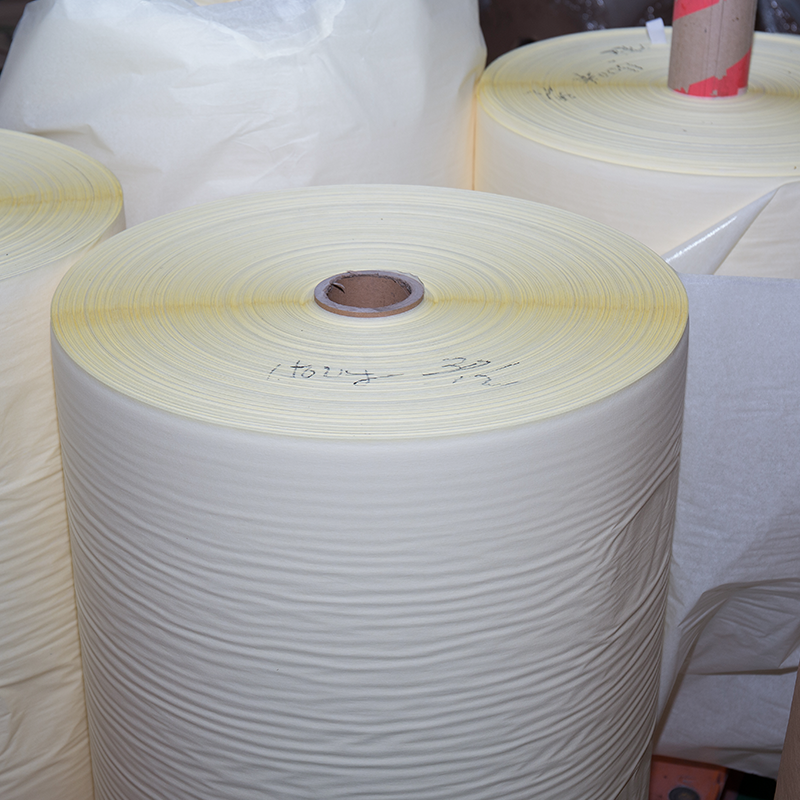 Hot Melt Carton Sealing Tape with Natural Latex AdhesiveThis hot melt tape delivers fast initial tack at low temperatures, useful for quick carton sealing lines where immediate bond strength is critical before palletizing.View Product →
In controlled comparisons, hot melt tape outperforms comparable solvent based tape in initial tack across the full temperature range from -10°C to 25°C. Solvent based tape catches up as it cures, but "catches up" is the operative phrase: on a fast carton sealing line, the case is already palletized before a solvent based bond reaches its final strength.
| Property | Hot Melt Tape | Solvent Based Tape |
|---|---|---|
| Initial tack | High, within seconds | Low to moderate until solvent evaporates |
| Full bond strength | Reached almost immediately | Builds over minutes to days |
| Long-term holding power | Good for standard indoor duty | Excellent under sustained load |
| Heat resistance | Limited by thermoplastic softening point | Superior due to crosslinked network |
| Cold temperature behavior | Strong tack from -10°C to 25°C | Tack develops more slowly |
| VOC emissions during application | Near zero | Present until solvent fully evaporates |
| Relative material cost | Lower | Higher |
The temperature point deserves emphasis. If your package sits in a warehouse that reaches 50°C in summer, or if the bonded part goes through oven curing or powder coating, solvent based tape is the safer call. If your environment stays within ordinary indoor conditions, hot melt's instant bond and lower cost win. Removal behavior also differs: hot melt tape tends to release cleanly within its intended service window, while a fully aged solvent based bond can pull fibers or leave residue on porous surfaces. That matters for rework and for customers who return products.
In practice, the selection often comes down to these scenarios:
Hot melt tape is generally less expensive than solvent based tape on material cost alone, and the gap widens when application equipment and energy are included. Hot melt applicators are compact and simple: they melt, coat, and bond in one pass, with no drying stage. A solvent based adhesive line needs drying capacity, fume extraction, and floor space, because the solvent has to leave the adhesive before bond strength can build. On a high-speed packaging line, that extra dwell time can become a bottleneck.
Look at total cost of ownership, not roll price. Add the adhesive cost, applicator maintenance, heating energy, ventilation, rejected cases, and the labor to clear stoppages. For most indoor carton sealing operations, hot melt tape finishes with a meaningful advantage. In slower coating or laminating processes that already include a curing stage, the economics of solvent based tape change, and its durability payoff can justify the higher price.
Sustainability now sits in the middle of the specification. Hot melt tape is produced without solvents, emits near-zero volatile organic compounds (VOCs) during application, and consumes less energy because no drying step is required. On a kraft paper substrate, hot melt tape achieves a 76% recyclability rate, which makes it far easier to document for packaging recycling programs. Solvent based tape carries a larger carbon footprint in manufacturing and contributes solvent emissions during coating and application.
Regulatory pressure is growing across the European Union, China, and several U.S. states, and large packaging buyers increasingly audit suppliers on solvent content and recyclability. If your customer asks for a low-carbon packaging declaration, hot melt on paper is the easier story to tell. We discuss the broader lifecycle picture in our review of the environmental impacts of using hot melt tape.
There is no "best" tape, only the right tape for your line, your substrate, and your end customer. Work through these four questions before you commit to a formulation.
"The best tape isn't the one with the highest peel number on a data sheet. It's the one that still holds when the case reaches your customer."
Finally, test before you switch. Run a 180-degree peel test and a shear holding power test under the actual temperature and load conditions of your application. Watch how the tape behaves in the first ten seconds, after one hour, and after one week. That data separates production reality from marketing claims.
Choose hot melt tape when you need instant bond strength, lower adhesive and equipment cost, and a cleaner environmental profile. Choose solvent based tape when the bond must survive sustained heat, chemicals, or long-term mechanical stress that a thermoplastic adhesive cannot carry. For the majority of carton sealing, bundling, and general industrial bonding applications, hot melt tape is the practical winner — which is why we build our hot melt tape production around consistent coating quality and reliable release.
If you are evaluating either type, start with the four questions above, run a simple comparison test, and let the data decide.

Copyright © Wuxi Wanfeng Protective Film Co., Ltd. All Rights Reserved.
 English
 русский