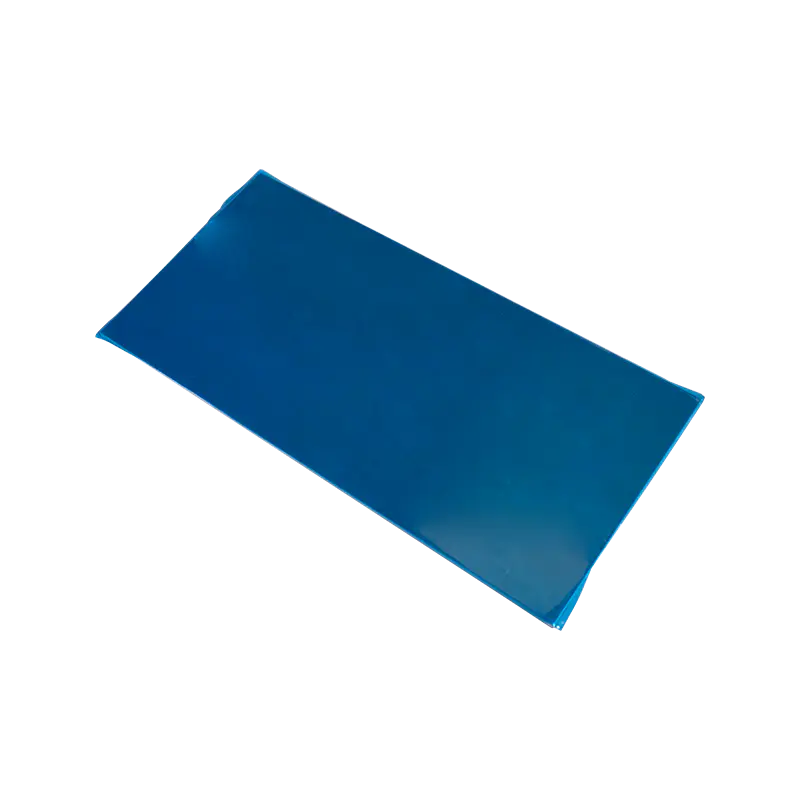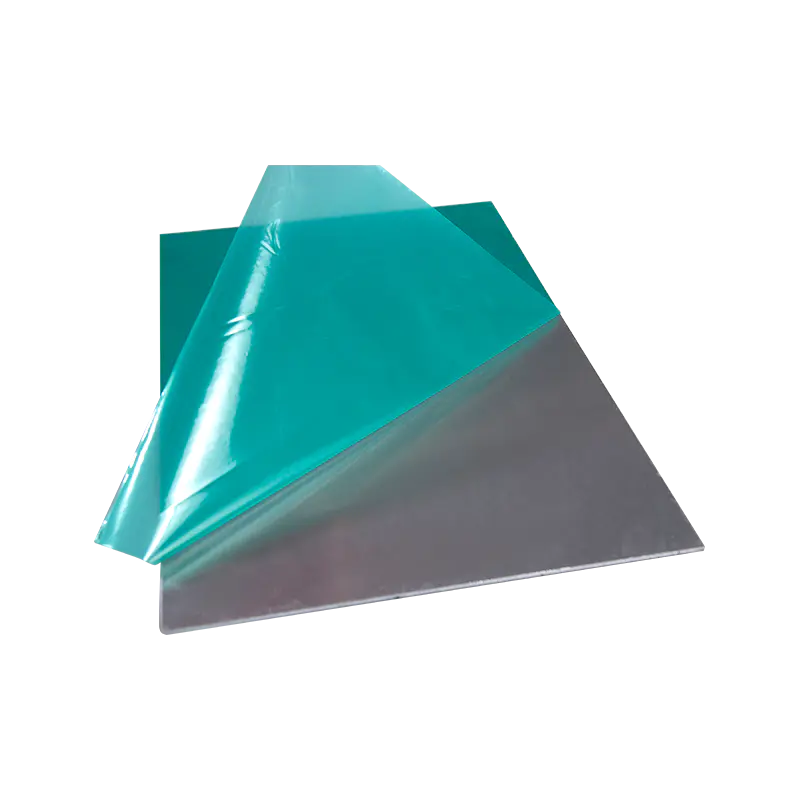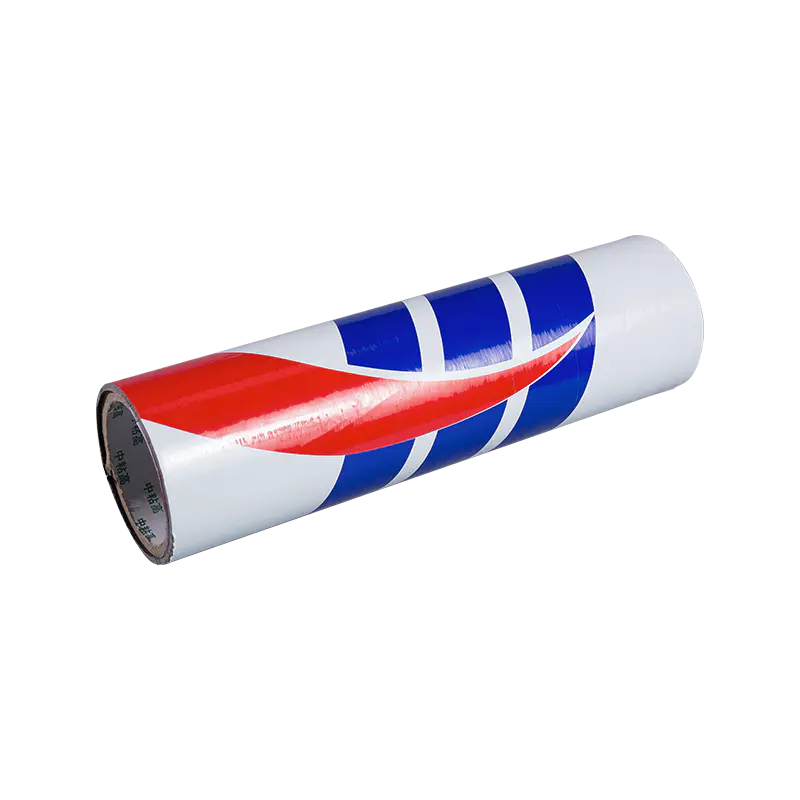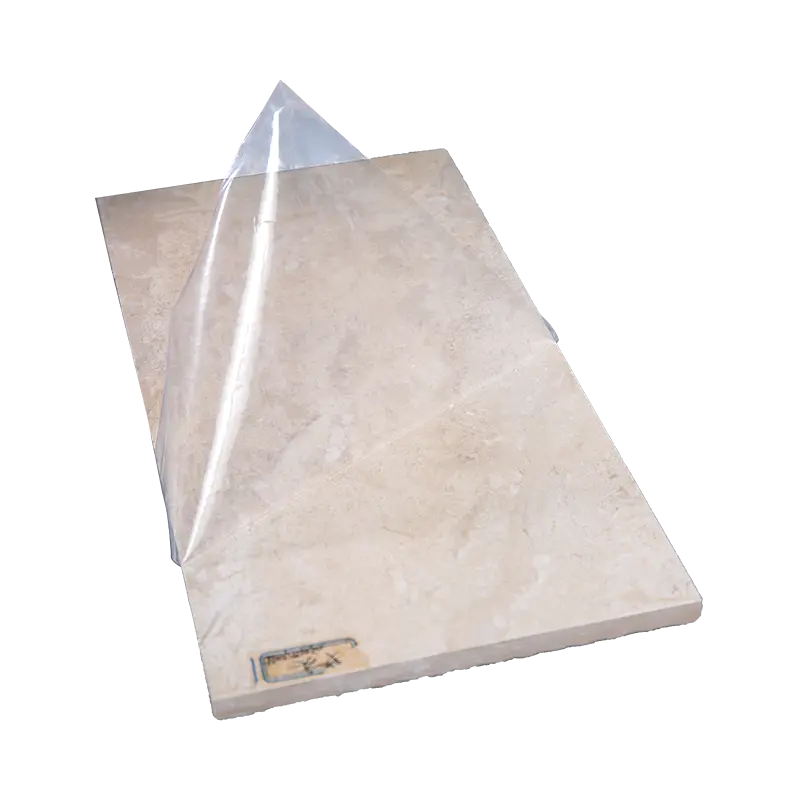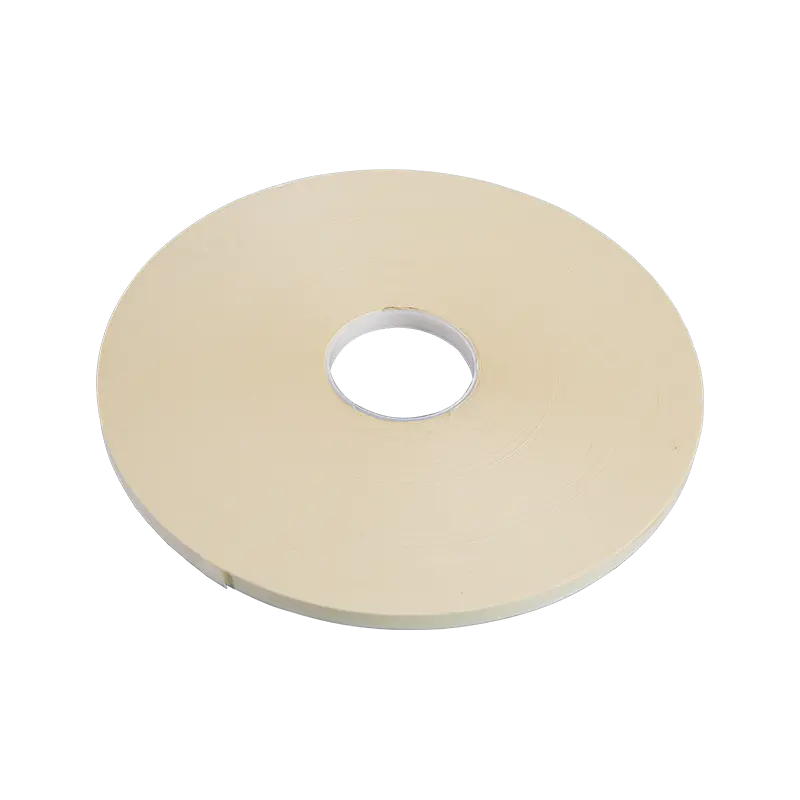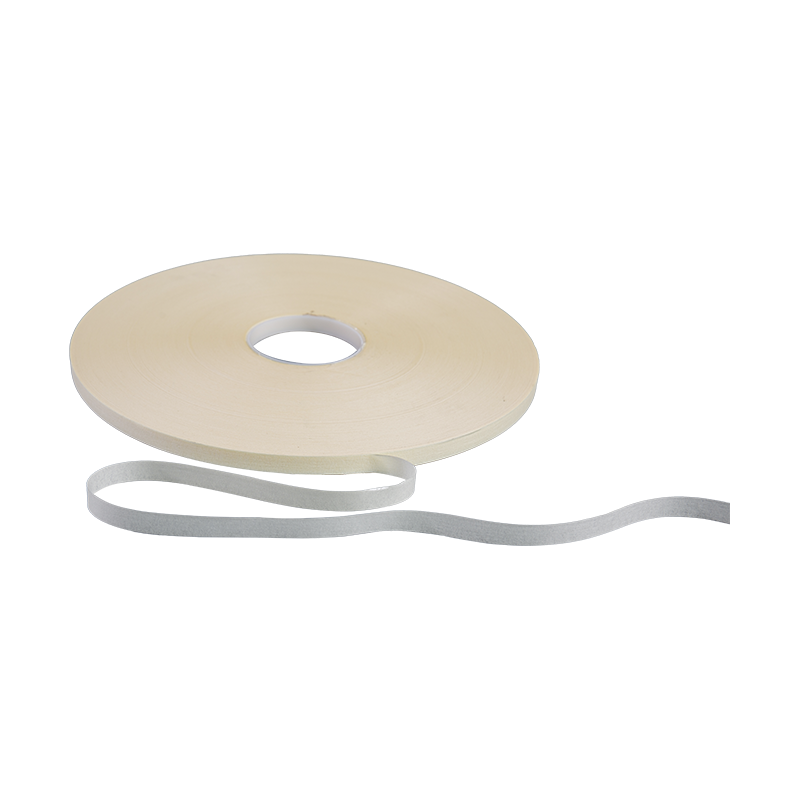
The clear answer is that Floor Protective Film generally provides better protection against dust, paint, and liquid contamination than protective floor boards. Because the film adheres directly to the floor surface, it creates a continuous protective barrier that minimizes gaps where contaminants can enter. Protective floor boards are highly effective at preventing impact damage and supporting heavy foot traffic, but they often leave seams between panels that may allow dust, paint, and liquids to reach the flooring underneath.
For most renovation, painting, finishing, and maintenance projects where cleanliness is a primary concern, Floor Protective Film offers superior contamination control. However, understanding the strengths and limitations of both solutions is essential when selecting the right protection method for a specific project.
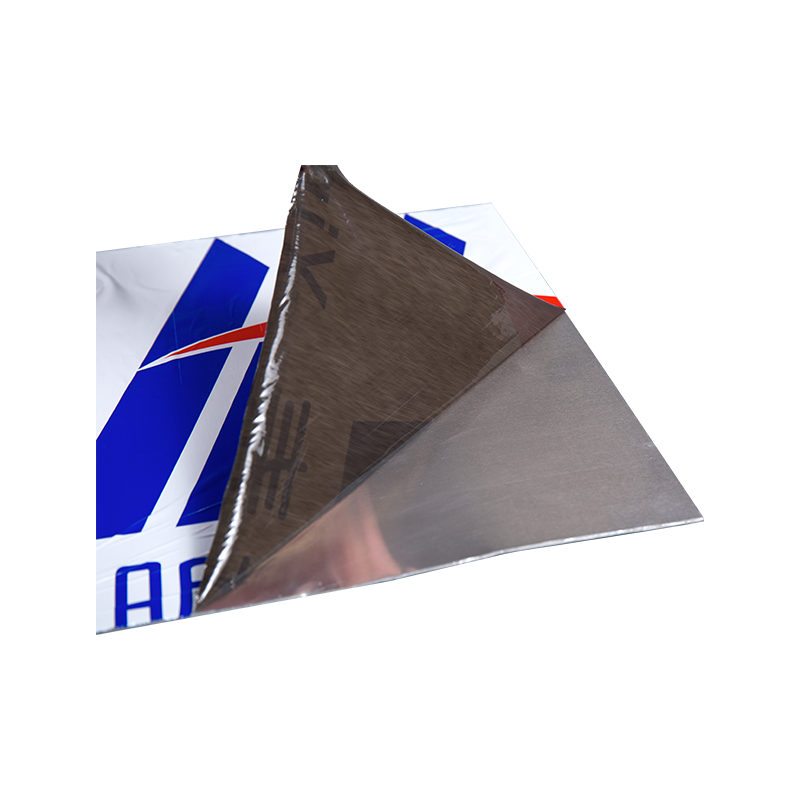
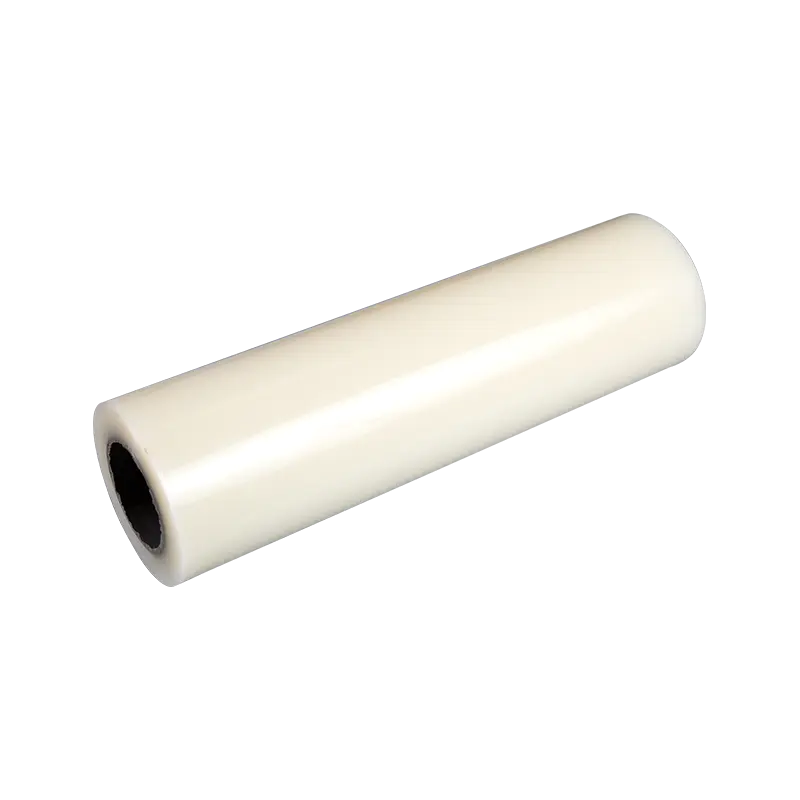
Floor Protective Film is designed to cover finished flooring surfaces with a temporary protective layer. It is commonly used on hardwood, tile, laminate, vinyl, engineered wood, natural stone, and other finished floors during construction and renovation activities.
Protective floor boards, on the other hand, are rigid panels placed over flooring to provide impact resistance. They are frequently used in projects where heavy equipment, carts, ladders, or construction materials are moved across the floor.
While both products help protect flooring, their primary functions differ significantly. Floor Protective Film focuses on contamination prevention, while floor boards emphasize physical protection from impacts and heavy loads.
| Protection Factor | Floor Protective Film | Protective Floor Boards |
|---|---|---|
| Dust Protection | Excellent | Moderate |
| Paint Protection | Excellent | Good |
| Liquid Resistance | Excellent | Fair |
| Impact Resistance | Moderate | Excellent |
| Installation Speed | Fast | Moderate |
Construction dust is one of the most difficult contaminants to control during renovation projects. Activities such as sanding drywall, cutting wood, grinding concrete, and drilling into masonry generate fine particles that can settle on finished flooring surfaces.
Because Floor Protective Film adheres directly to the floor, it creates a sealed surface that prevents dust from migrating underneath. This feature significantly reduces cleanup requirements at the end of the project.
Protective floor boards often leave small gaps between sections. Even when taped together, dust can enter through seams, edges, or damaged areas. Over the course of a large project, these openings can allow substantial contamination to accumulate beneath the boards.
Painting operations create significant contamination risks. Even experienced painters can accidentally spill paint, primer, stain, or coating materials onto floors. Small splatters can permanently damage flooring if not removed immediately.
Floor Protective Film provides an impermeable barrier that prevents paint from contacting the floor surface. Once the project is complete, the film can be removed along with any paint residue that has accumulated during the work.
Protective floor boards can successfully block large spills, but paint may seep through joints or flow beneath unsecured edges. This risk increases when liquid materials remain on the boards for extended periods before cleanup.
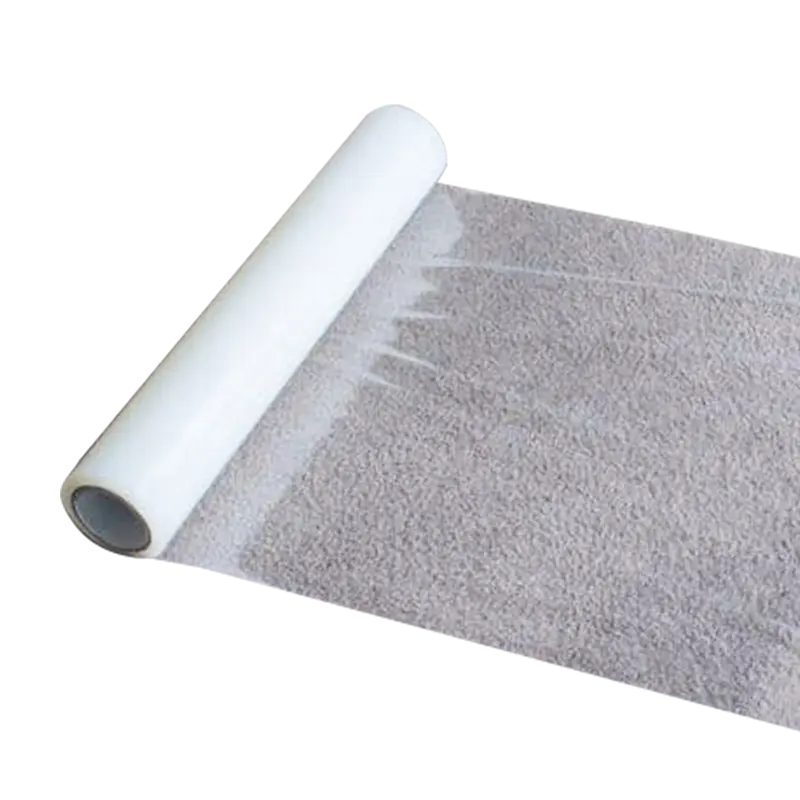
Many contractors also use carpet masking film when working in buildings that contain both hard floors and carpeted areas. Combining Floor Protective Film with carpet masking film creates a comprehensive protection strategy that minimizes contamination throughout the entire project site.
Liquid contamination can be particularly damaging to flooring materials. Water, cleaning chemicals, grout residue, concrete slurry, and coating products may cause staining, discoloration, swelling, or surface deterioration.
High-quality Floor Protective Film products are designed to resist liquid penetration. Since the film forms a continuous protective layer, liquids remain on the surface where they can be cleaned or removed before causing damage.
Protective floor boards often contain seams that can allow liquids to migrate underneath. Additionally, some board materials may absorb moisture, reducing their effectiveness during extended exposure.
For example, during tile installation, grout wash water can travel beneath floor boards through panel joints. A properly installed Floor Protective Film helps eliminate this pathway and provides greater protection for finished flooring surfaces.
One of the biggest advantages of Floor Protective Film is installation speed. Rolls can be applied quickly across large floor areas, allowing workers to protect hundreds or even thousands of square feet within a relatively short time.
The self-adhesive design helps keep the film in place, reducing the need for additional securing methods. This feature also minimizes trip hazards and movement during construction activities.
Protective floor boards require more labor. Workers must transport, position, trim, and secure individual panels. This process can be time-consuming, especially in projects with irregular room layouts, narrow corridors, or multiple floor transitions.
In projects where labor efficiency is a priority, Floor Protective Film often provides a measurable advantage.
Although Floor Protective Film offers superior contamination control, protective floor boards remain valuable in specific applications.
In these scenarios, the rigid structure of floor boards can provide protection that film alone may not deliver. Some contractors combine both solutions by using floor boards in traffic paths and Floor Protective Film throughout surrounding finished spaces.
Floor Protective Film is particularly effective in projects where contamination prevention is the primary objective.
In facilities that contain multiple flooring types, Floor Protective Film may be used on hard surfaces while carpet masking film protects carpeted zones. This approach creates consistent contamination control across the entire work area.
When the primary goal is preventing dust, paint, and liquid contamination, Floor Protective Film is generally the superior solution compared to protective floor boards. Its continuous adhesive-backed design provides excellent protection against airborne dust, paint splatters, moisture, and construction debris while simplifying cleanup at project completion.
Protective floor boards remain valuable for impact resistance and heavy-duty traffic, but they are typically less effective at creating a complete contamination barrier. For renovation, painting, finishing, and maintenance projects where floor cleanliness is critical, Floor Protective Film offers the best balance of protection, efficiency, and ease of use. When combined with carpet masking film in mixed-flooring environments, it can provide comprehensive site-wide contamination protection that helps preserve floor quality and reduce costly repairs.

Copyright © Wuxi Wanfeng Protective Film Co., Ltd. All Rights Reserved.
 English
 русский