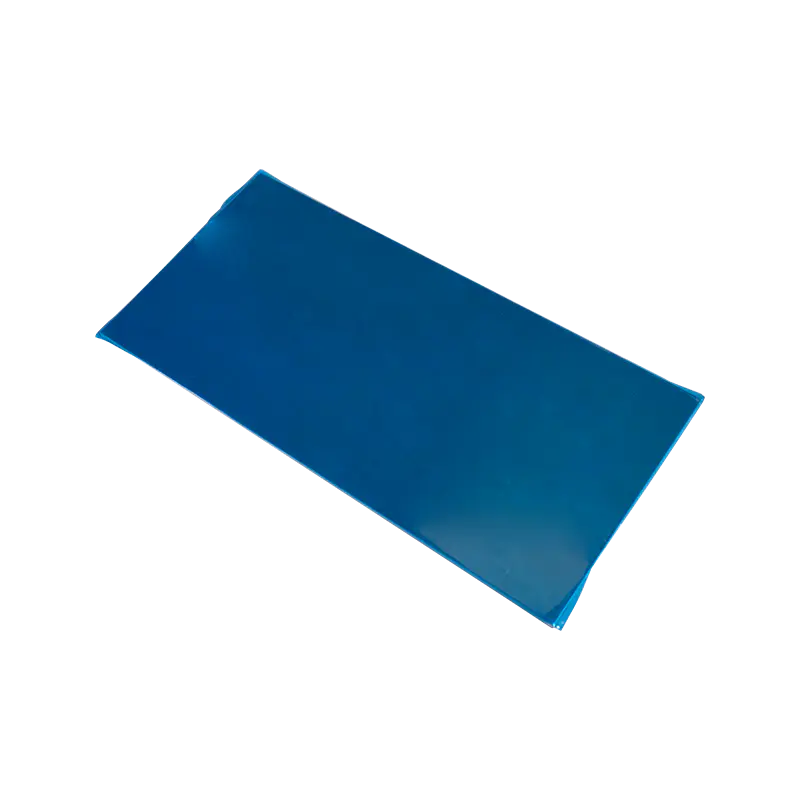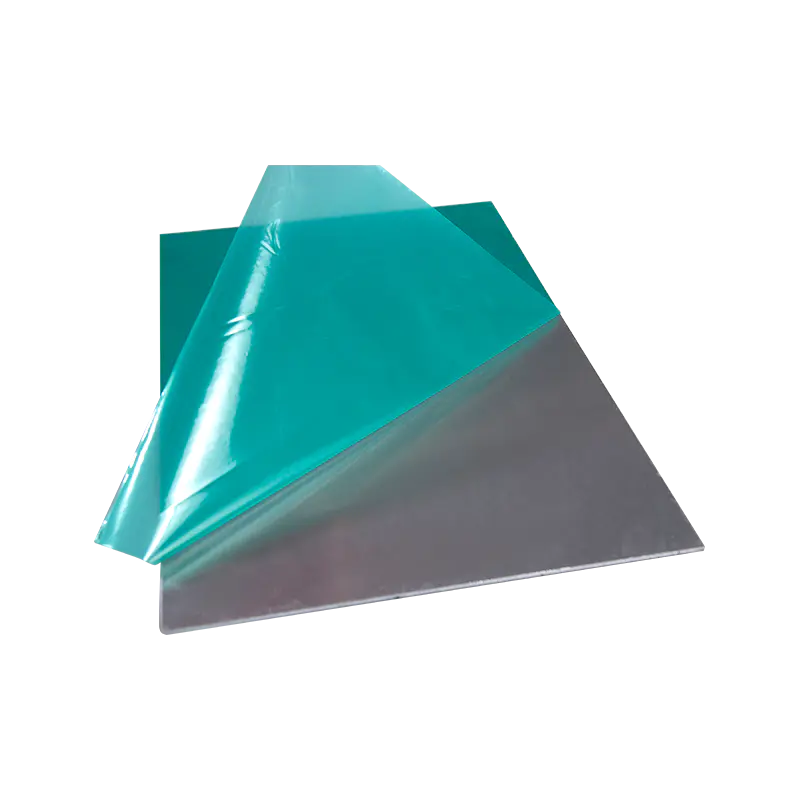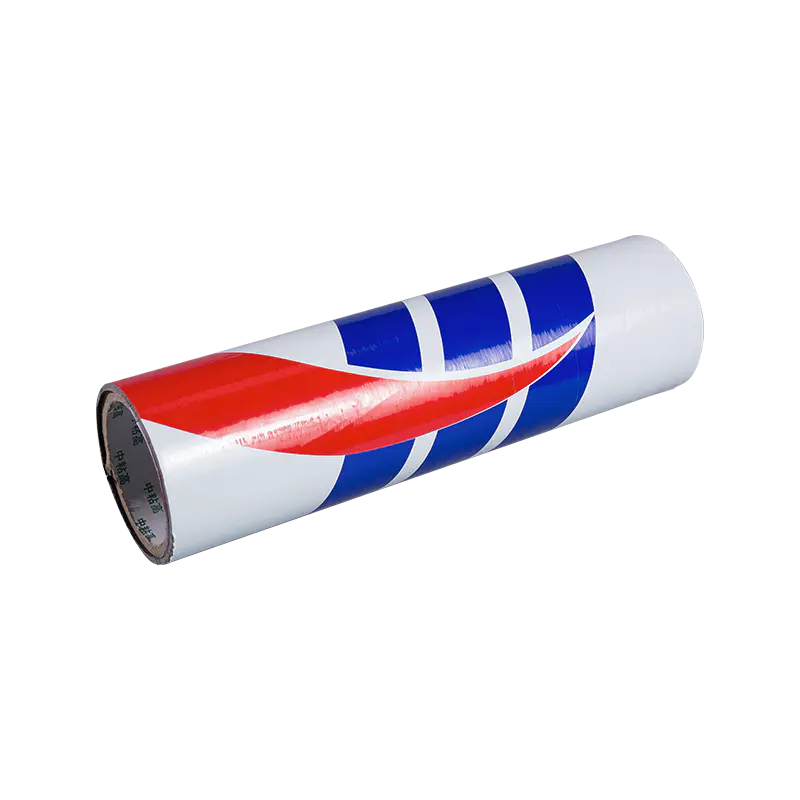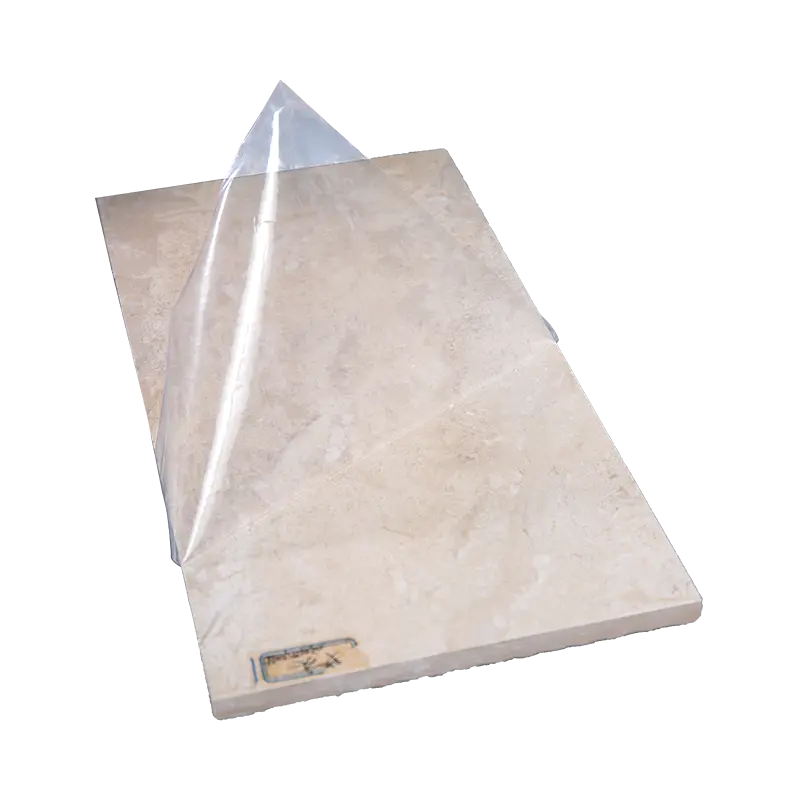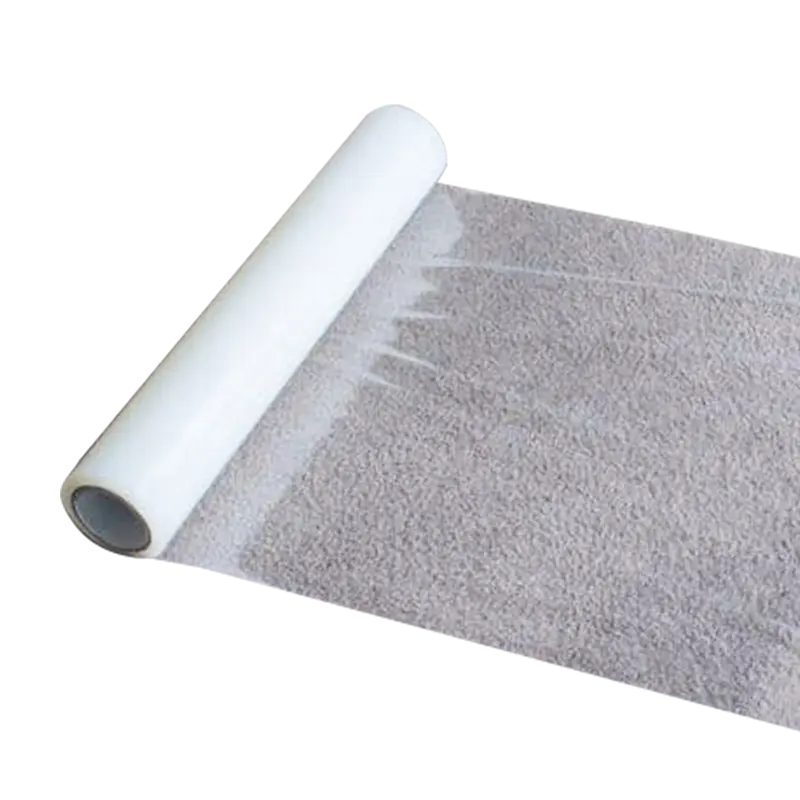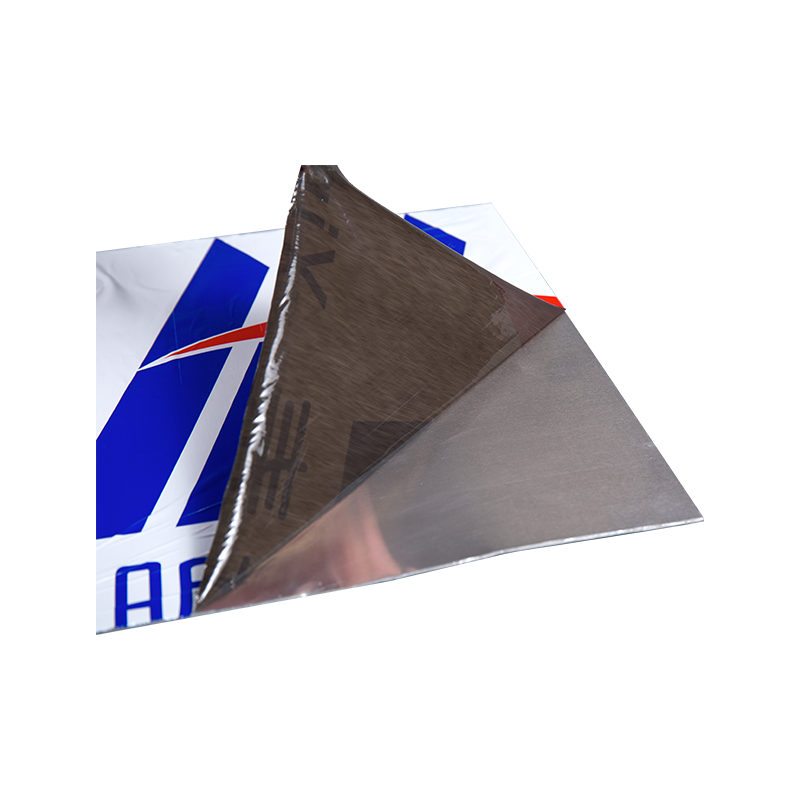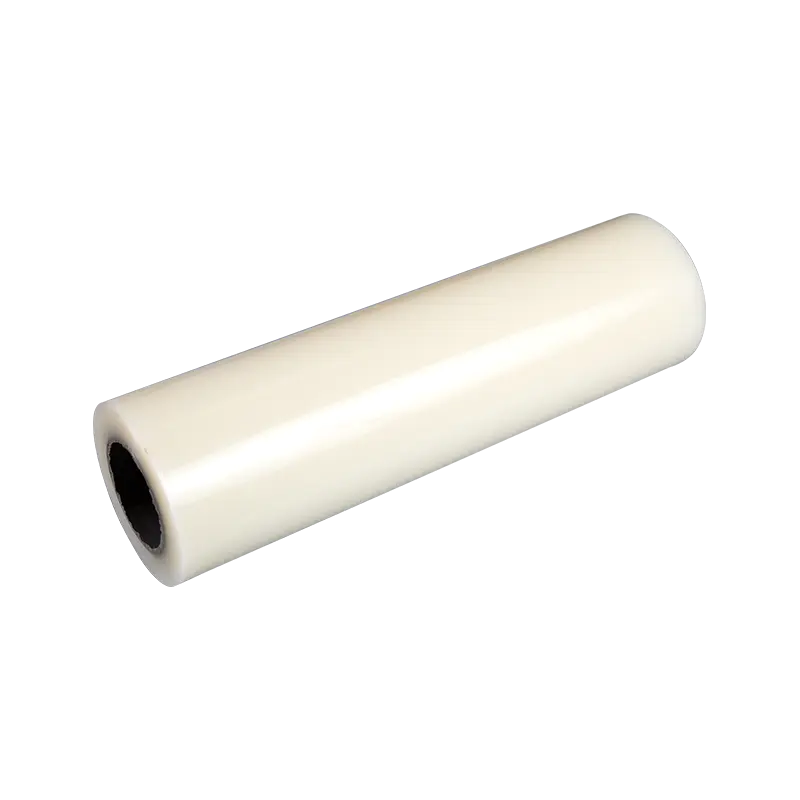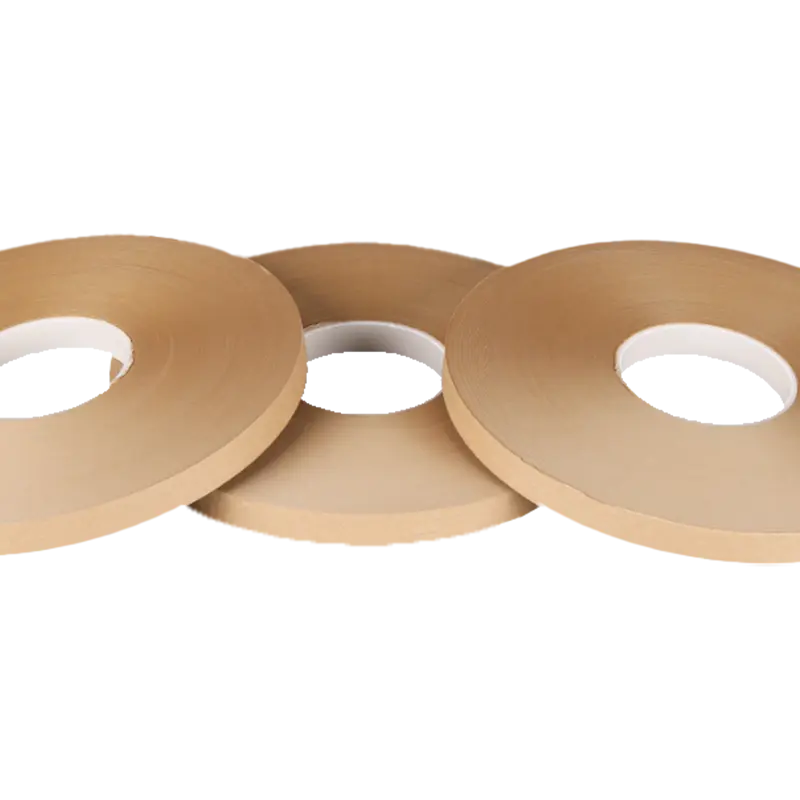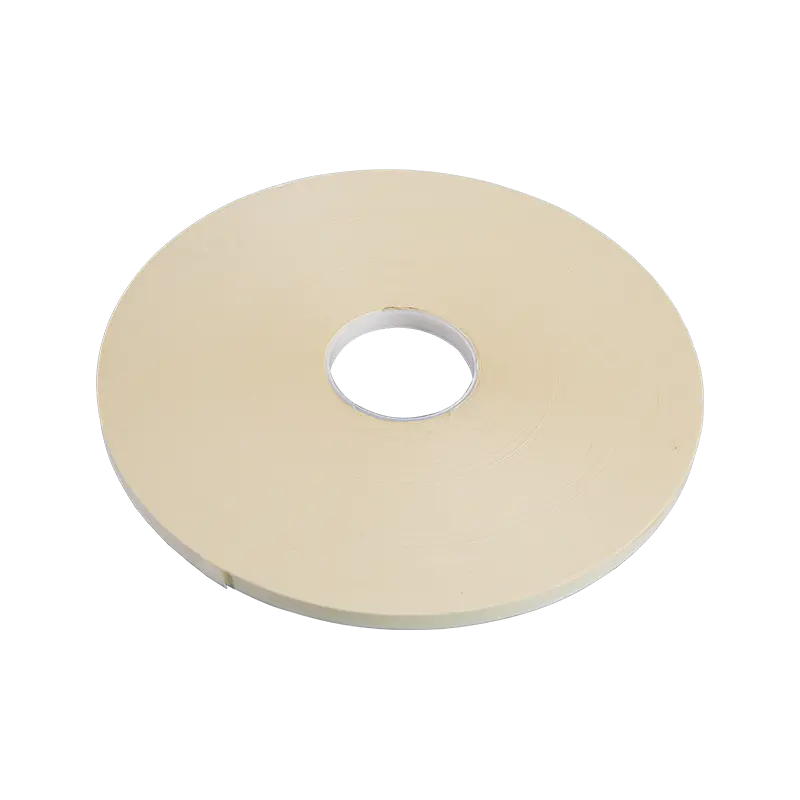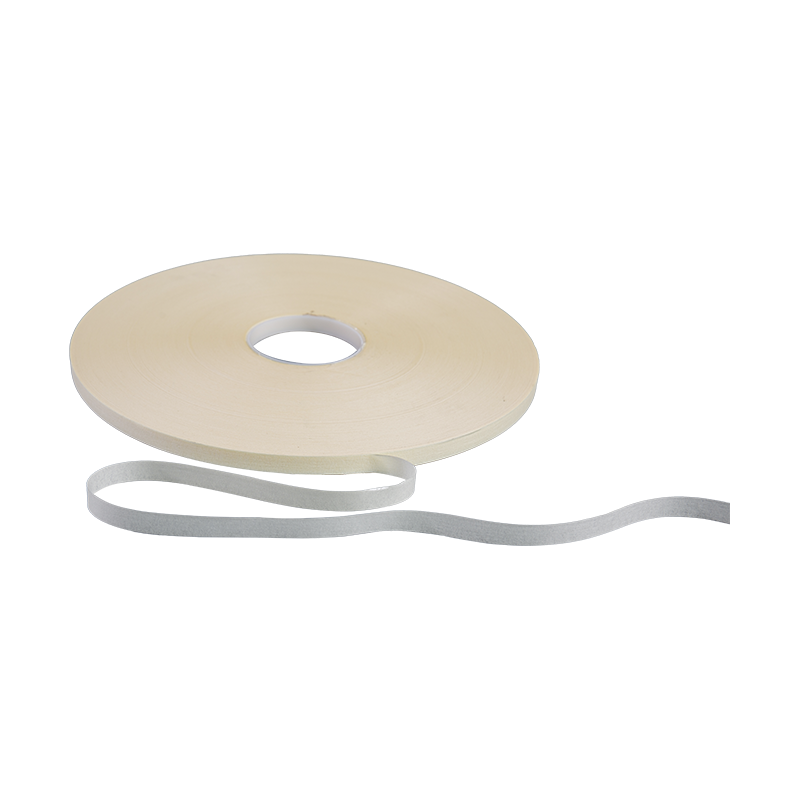
Furniture Board Protective Films offer significantly better protection, durability, moisture resistance, and residue-free removal compared with traditional masking paper. For furniture manufacturers, cabinet producers, and decorative panel suppliers, these films reduce surface damage during transportation, cutting, storage, and installation. While masking paper has been used for decades because of its low initial cost, modern protective films provide superior long-term value by minimizing scratches, reducing labor costs, and lowering product rejection rates.
In high-end furniture production, surface quality directly affects customer satisfaction and brand reputation. Protective films are specifically engineered to preserve glossy laminates, acrylic panels, MDF boards, melamine sheets, and decorative veneers. Unlike masking paper, they create a stable protective barrier against dust, abrasion, humidity, and chemical contamination.
Many manufacturers now also adopt technologies inspired by clear paint protection film systems used in the automotive industry. These advanced film structures improve scratch resistance and maintain surface appearance even under heavy handling conditions.
One of the biggest advantages of Furniture Board Protective Films is their ability to prevent scratches and surface abrasion. Furniture boards often pass through multiple handling stages including cutting, drilling, packaging, shipping, and installation. Every step introduces potential surface damage.
Traditional masking paper provides only minimal cushioning and tears easily when exposed to friction or sharp edges. In contrast, polyethylene (PE) and PET protective films are designed to absorb impact and resist tearing. High-performance films can reduce visible surface scratches by over 85% during transportation compared with paper-based coverings.
| Protection Material | Scratch Resistance | Moisture Resistance | Durability |
|---|---|---|---|
| Masking Paper | Low | Poor | Short-Term |
| Furniture Board Protective Films | High | Excellent | Long-Term |
Traditional masking paper can leave glue residue after prolonged storage or exposure to heat. This residue requires additional cleaning, increasing labor costs and slowing production efficiency. On glossy or decorative furniture panels, adhesive contamination may permanently damage the finish.
Modern Furniture Board Protective Films use advanced acrylic or silicone adhesive systems that maintain stable adhesion without leaving residue. Manufacturers can remove the film quickly after installation or processing without additional cleaning steps.
Similar adhesive technologies are commonly found in premium clear paint protection film products where residue-free removal is essential for maintaining surface appearance.
Furniture boards are highly sensitive to environmental conditions. Humidity exposure can damage decorative surfaces, weaken adhesives, and increase contamination risks. Masking paper absorbs moisture easily, causing wrinkling and adhesive failure.
Furniture Board Protective Films provide a waterproof barrier that protects surfaces during warehouse storage and overseas shipping. PE-based films maintain stability even under high humidity conditions above 80% relative humidity.
This environmental resistance is particularly important for:
High-gloss acrylic and laminated furniture boards require exceptional surface protection because even minor scratches are highly visible. Masking paper lacks the flexibility and smooth surface needed to protect premium decorative finishes effectively.
Furniture Board Protective Films maintain consistent surface contact and reduce friction during movement. Transparent films also allow visual inspection without removal, helping manufacturers identify defects early in the production process.
Advanced multilayer films inspired by clear paint protection film technology can even provide self-healing properties that minimize micro-abrasions during handling.
Although masking paper may appear cheaper initially, it often increases overall operating costs because of higher damage rates and additional labor requirements. Furniture Board Protective Films reduce replacement costs by protecting products more effectively throughout the supply chain.
| Cost Factor | Masking Paper | Protective Films |
|---|---|---|
| Initial Material Cost | Lower | Higher |
| Surface Damage Risk | High | Low |
| Cleaning Labor | High | Minimal |
| Replacement Cost | Frequent | Reduced |
Studies from industrial packaging suppliers indicate that manufacturers can reduce damage-related losses by 20% to 40% after switching from masking paper to professional protective films.
Modern furniture production increasingly relies on automated lamination, CNC machining, and robotic handling systems. Traditional masking paper is difficult to apply consistently in automated production environments because of tearing and uneven adhesion.
Furniture Board Protective Films are engineered for machine application, improving speed and consistency. Their controlled thickness and flexible structure support precise application on flat and curved surfaces.
Another major advantage is customization flexibility. Furniture Board Protective Films are available in different thicknesses, adhesive strengths, colors, and surface finishes. Manufacturers can select films specifically designed for glossy acrylic panels, textured melamine boards, stainless steel surfaces, or decorative veneers.
Masking paper offers limited customization and cannot adapt well to modern decorative materials. Protective films also allow printed branding, instructional labels, and anti-static treatments.
Some advanced solutions even integrate multilayer technologies comparable to clear paint protection film systems, providing enhanced UV resistance and improved durability for premium furniture products.
Furniture Board Protective Films clearly outperform traditional masking paper in almost every critical performance category. They provide stronger scratch resistance, cleaner removal, superior moisture protection, improved manufacturing efficiency, and lower long-term operational costs.
As furniture manufacturing continues to evolve toward higher-quality decorative surfaces and automated production systems, protective films have become the preferred solution for professional surface protection. Their ability to preserve appearance, reduce damage rates, and support efficient processing makes them a valuable investment for modern furniture manufacturers.
Technologies influenced by clear paint protection film innovations are also helping the industry develop even more durable and reliable protective solutions for furniture boards, ensuring better product quality and customer satisfaction in competitive global markets.

Copyright © Wuxi Wanfeng Protective Film Co., Ltd. All Rights Reserved.
 English
 русский