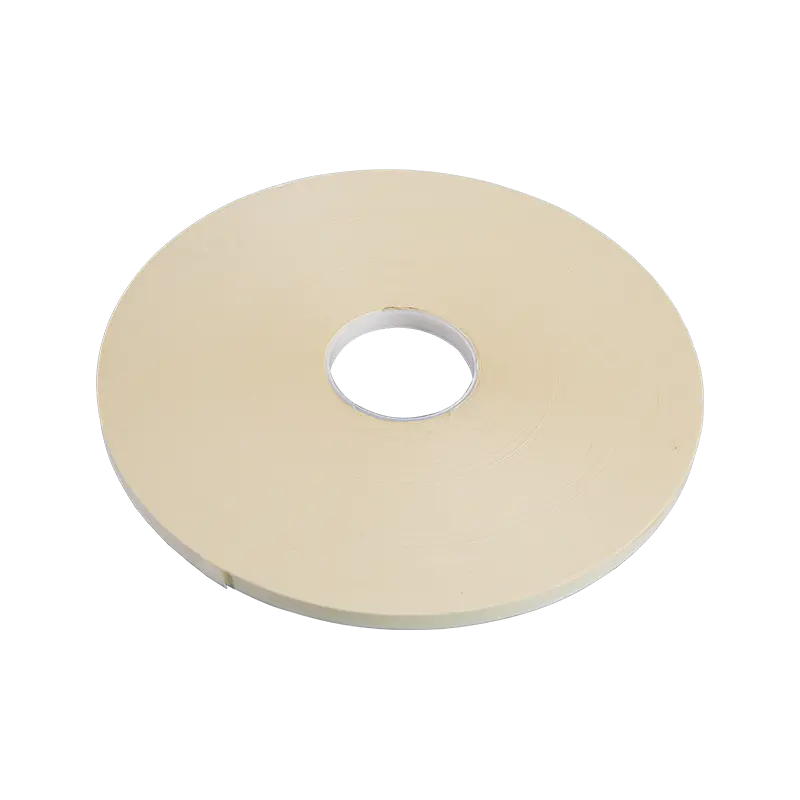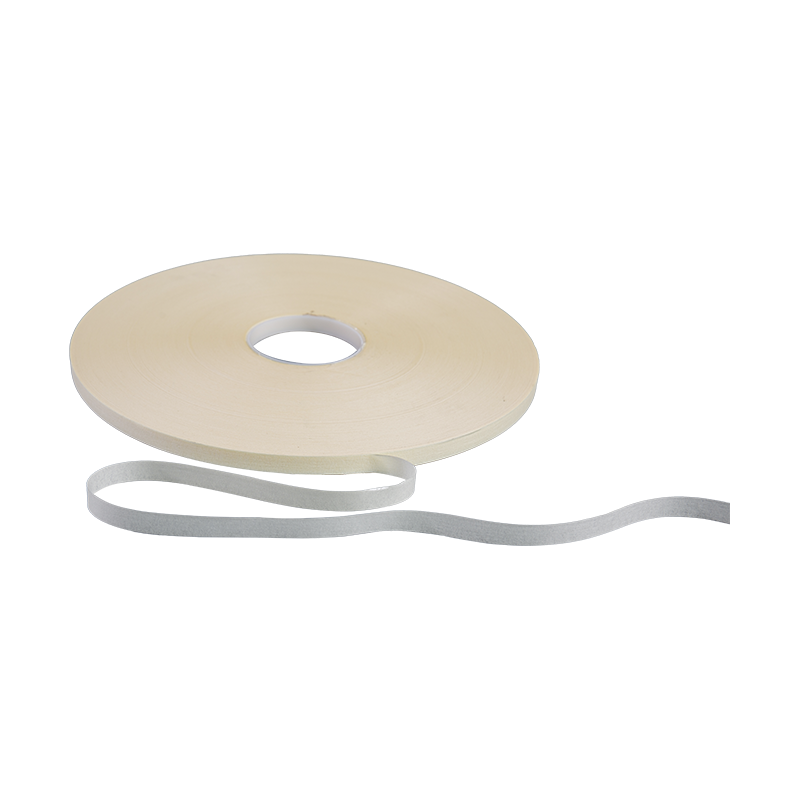
When it comes to curved or irregular surfaces, self-adhesive vinyl films generally outperform Heat Activated Film in conformability and ease of application, but Heat Activated Film delivers a stronger, more durable bond once properly applied — provided the correct film grade and application method are used. The performance gap between the two materials narrows significantly when heat is applied with precision tools such as a heat gun or contour press, and when the correct Heat Activated Film formulation is selected for the surface geometry involved.
Flat surface lamination is straightforward for both Heat Activated Film and self-adhesive vinyl. The real differentiation emerges when surfaces introduce compound curves, ridges, recessed channels, or tight-radius bends. Each film responds to these challenges based on its physical construction — particularly its elongation at break, modulus of elasticity, and adhesive flow characteristics.
Self-adhesive vinyl films are engineered with conformability as a primary feature. Cast vinyl films, for example, are manufactured using a casting process that aligns polymer chains for maximum flexibility, allowing elongation rates of 200–300% before tearing. This makes them highly effective at wrapping around vehicle body panels, curved signage substrates, and architectural surfaces with minimal wrinkling.
Heat Activated Film, by contrast, is typically a stiffer, dimensionally stable film. Its elongation at break ranges from 50–150% depending on the base polymer (EVA, PU, or PET), and its adhesive only flows and conforms during the heat activation window — typically between 80°C and 160°C. Outside that window, the film behaves as a rigid laminate, making cold application to curved surfaces prone to lifting, bridging, or stress cracking.
| Property | Heat Activated Film | Cast Self-Adhesive Vinyl | Calendered Self-Adhesive Vinyl |
|---|---|---|---|
| Elongation at Break | 50–150% | 200–300% | 80–150% |
| Cold Conformability | Poor | Excellent | Moderate |
| Warm/Heat-Assisted Conformability | Good to Very Good | Very Good | Good |
| Bond Strength After Application | Very High | High | Moderate |
| Edge Lifting Risk on Curves | Low (if heat-applied correctly) | Very Low | Moderate to High |
| Skill Level Required | High | Moderate | Low to Moderate |
The critical advantage of Heat Activated Film on non-flat surfaces is that heat softens the film and adhesive simultaneously, temporarily increasing flexibility and allowing the material to conform before the bond sets. This process — when executed correctly — produces a wrinkle-free, fully contacted laminate even on moderately curved geometry.
For irregular or compound-curved surfaces where a flatbed press cannot reach, a heat gun set to 100–130°C (depending on film type) can be used to locally soften Heat Activated Film section by section. This technique, common in automotive interior trim lamination, allows the film to be worked into recesses and around protrusions with a squeegee or roller. Proper dwell time of 3–8 seconds per zone is essential to achieve full adhesive flow without overheating.
In industrial settings such as furniture manufacturing or door panel production, membrane presses and contour laminators apply Heat Activated Film over 3D-routed MDF and wood profiles. The silicone membrane conforms to the surface geometry while heat and pressure activate the adhesive uniformly. This method achieves wrap angles of up to 180° on routed profiles, a result that self-adhesive vinyl can match only with specialized air-release liner systems.
For field applications, large-format vehicle wraps, and situations where heat equipment is unavailable or impractical, self-adhesive cast vinyl film remains the superior choice. Its conformability without heat is unmatched by any grade of Heat Activated Film currently available.
Both film types handle gentle single-axis curves well. Heat Activated Film applied with a roll laminator or heat gun achieves full contact with minimal stress. Self-adhesive vinyl wraps cleanly by hand. For production volumes, Heat Activated Film is preferred due to its faster cycle time on roll laminators and stronger final bond.
Compound curves — surfaces that curve in two directions simultaneously — are where the difference becomes most pronounced. Cast self-adhesive vinyl manages compound curves through its high elongation and ability to redistribute stress during installation. Heat Activated Film requires a flexible PU or EVA formulation and skilled heat-gun technique to avoid puckering. On radii tighter than 25mm, most standard Heat Activated Film grades will wrinkle without precise heat management.
For routed MDF profiles and deeply embossed surfaces used in furniture and interior design, Heat Activated Film applied via membrane press is the industry standard. Self-adhesive vinyl does not perform well in deep recesses, where it tends to bridge across cavities rather than conform fully into the profile. Heat Activated Film, under membrane press vacuum and heat, wraps into recesses as deep as 20–25mm reliably.
The right choice depends on the surface geometry, available equipment, production environment, and durability requirements. Use the following criteria as a practical guide:
Heat Activated Film and self-adhesive vinyl films each occupy a distinct niche when it comes to curved and irregular surface applications. Self-adhesive cast vinyl is the more versatile and forgiving choice for complex, compound-curved surfaces — especially in field installation contexts. Heat Activated Film, however, excels in controlled industrial environments where membrane presses, contour laminators, or skilled heat-gun application can fully leverage its superior bond strength and durability.
For users working with furniture profiles, interior panels, or any application involving deeply routed surfaces, Heat Activated Film is not just a viable option — it is the preferred standard. For those in vehicle graphics, large-format signage, or rapid-turnaround decorative applications on curved geometry, cast self-adhesive vinyl remains the benchmark. Understanding the geometry of your surface and the equipment at your disposal is the most reliable starting point for making the right film selection.

Copyright © Wuxi Wanfeng Protective Film Co., Ltd. All Rights Reserved.
 English
 русский