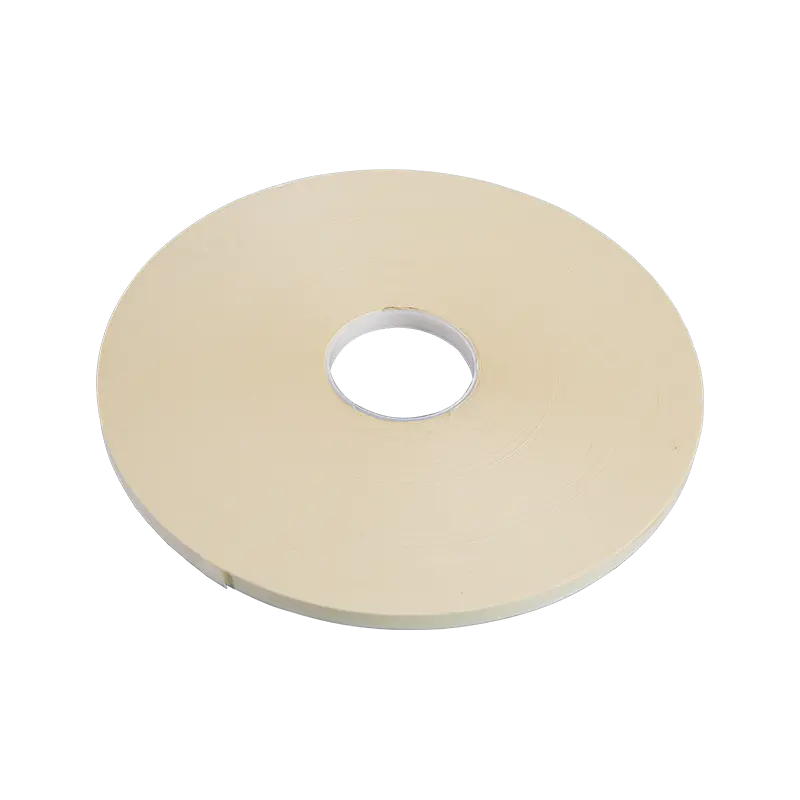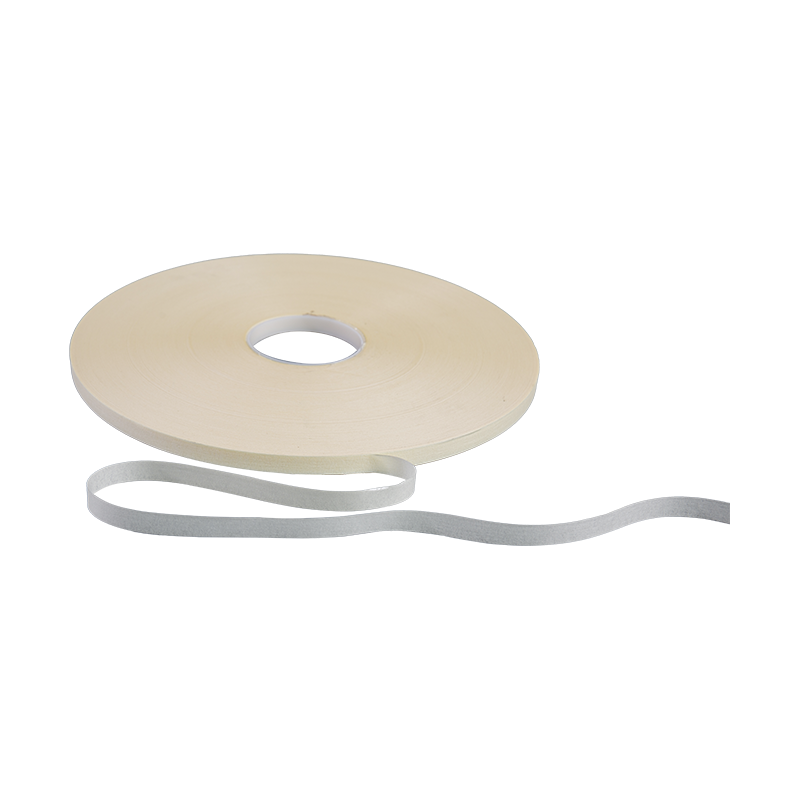
Heat Activated Film generally offers superior chemical resistance compared to pressure-sensitive laminate films in industrial environments. The primary reason lies in the bonding mechanism: heat activation creates a thermally fused, continuous adhesive layer with minimal air gaps, whereas pressure-sensitive adhesives (PSA) rely on a tacky polymer matrix that remains chemically reactive and more vulnerable to solvent penetration. That said, the performance gap depends on the specific chemicals involved, substrate type, and film material composition.
Heat Activated Film uses a heat-triggered adhesive — typically ethylene vinyl acetate (EVA), polyurethane (PU), or polyester-based compounds — that melts and flows into the substrate before cooling into a solid, inert bond. This cross-linked or thermoplastic seal leaves little to no residual reactive chemistry on the surface.
In contrast, pressure-sensitive laminate films use acrylic or rubber-based adhesives that remain in a semi-soft, viscoelastic state. These adhesives are inherently more permeable. When exposed to aggressive chemicals — such as acetone, methyl ethyl ketone (MEK), or concentrated acids — the PSA matrix can soften, swell, or delaminate.
In lab immersion testing, acrylic PSA films typically show adhesion loss of 30–60% after 72-hour exposure to common industrial solvents, while heat-activated polyester films under the same conditions retain over 85% of their original bond strength.
Not all Heat Activated Films are equal. The base polymer of the film itself — separate from its adhesive — plays a critical role in how well it withstands industrial chemicals. Below is a general comparison:
| Film Type | Adhesive Method | Solvent Resistance | Acid/Alkali Resistance | Typical Industrial Use |
|---|---|---|---|---|
| PET Heat Activated Film | Heat activation | Excellent | Good | Electronics, labels, overlays |
| PU Heat Activated Film | Heat activation | Very Good | Very Good | Automotive, industrial panels |
| EVA Heat Activated Film | Heat activation | Moderate | Moderate | Packaging, textiles |
| Acrylic PSA Laminate Film | Pressure-sensitive | Poor to Moderate | Moderate | General signage, graphics |
| Rubber-based PSA Laminate Film | Pressure-sensitive | Poor | Poor | Temporary masking, low-demand use |
Different industrial environments expose laminate films to very different chemical stressors. Here is how Heat Activated Film and pressure-sensitive laminate film perform across the most common scenarios:
In environments where solvents like isopropyl alcohol (IPA), acetone, or toluene are routinely used for cleaning or production, Heat Activated Film with a PET or PU base outperforms PSA films by a significant margin. PSA films often exhibit edge lifting and bubbling within hours of solvent contact, while heat-activated PET films can withstand repeated IPA wipe-downs without adhesion loss.
For labeling or panel protection in environments with dilute acids or alkalis (pH 3–11), both PU-based Heat Activated Film and high-quality acrylic PSA films perform adequately in short-term exposure. However, for continuous or prolonged immersion, Heat Activated Film maintains bond integrity up to 40% longer before failure, according to comparative adhesion tests conducted under ASTM D1002 standards.
In automotive assembly lines, components are routinely exposed to hydraulic fluids, lubricants, and fuel. Heat Activated Film — particularly PU variants — is widely specified for instrument panel overlays and interior trim precisely because it resists plasticizer migration from PVC substrates, a known failure mode for PSA films that causes delamination over time.
It is important to acknowledge that Heat Activated Film is not universally superior. Pressure-sensitive laminate films retain key practical advantages in certain contexts:
Before specifying Heat Activated Film for an industrial application based on chemical resistance, users should assess the following parameters:
For industrial environments with regular or sustained chemical exposure, Heat Activated Film — particularly PET or PU-based variants — is the more reliable choice over pressure-sensitive laminate films. The thermally fused bond creates a more complete, chemically inert seal that resists solvent penetration, delamination, and edge lifting far more effectively than PSA alternatives.
However, for applications involving heat-sensitive substrates, occasional chemical contact, or environments where rapid field application is critical, pressure-sensitive laminate films remain a cost-effective and practical solution. The decision should ultimately be driven by a combination of chemical exposure data, substrate characteristics, and the total cost of failure — since delaminated film in a regulated industrial environment can result in both compliance issues and unplanned downtime.

Copyright © Wuxi Wanfeng Protective Film Co., Ltd. All Rights Reserved.
 English
 русский