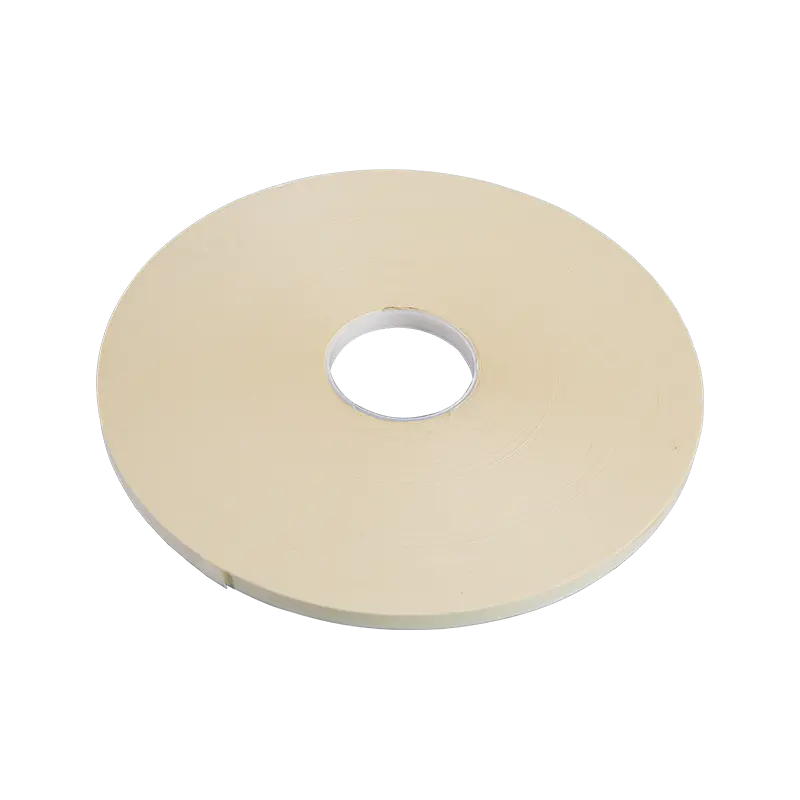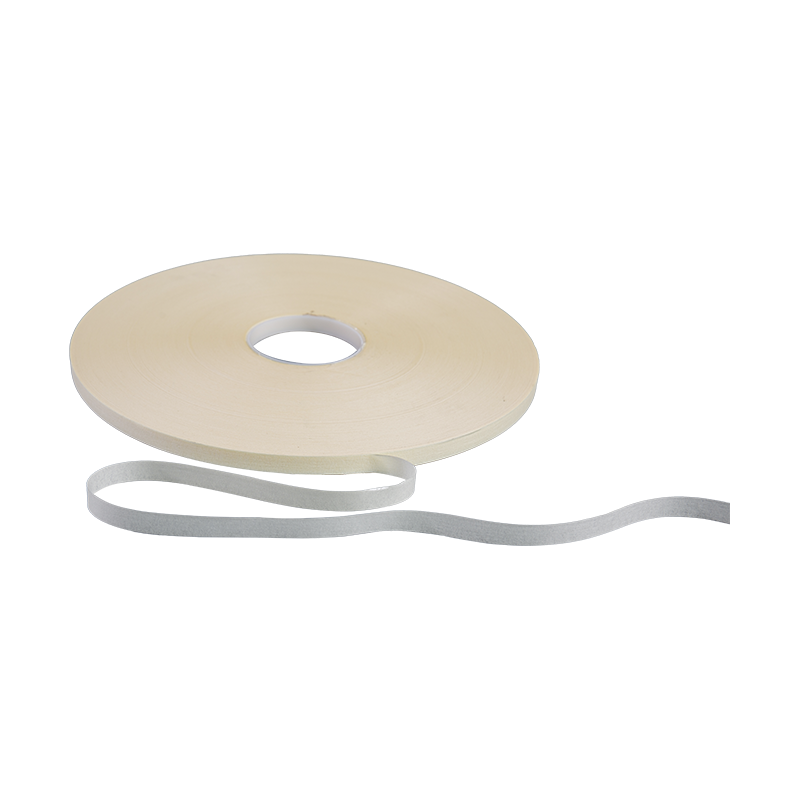
Thermal Stability During High-Temperature Processes
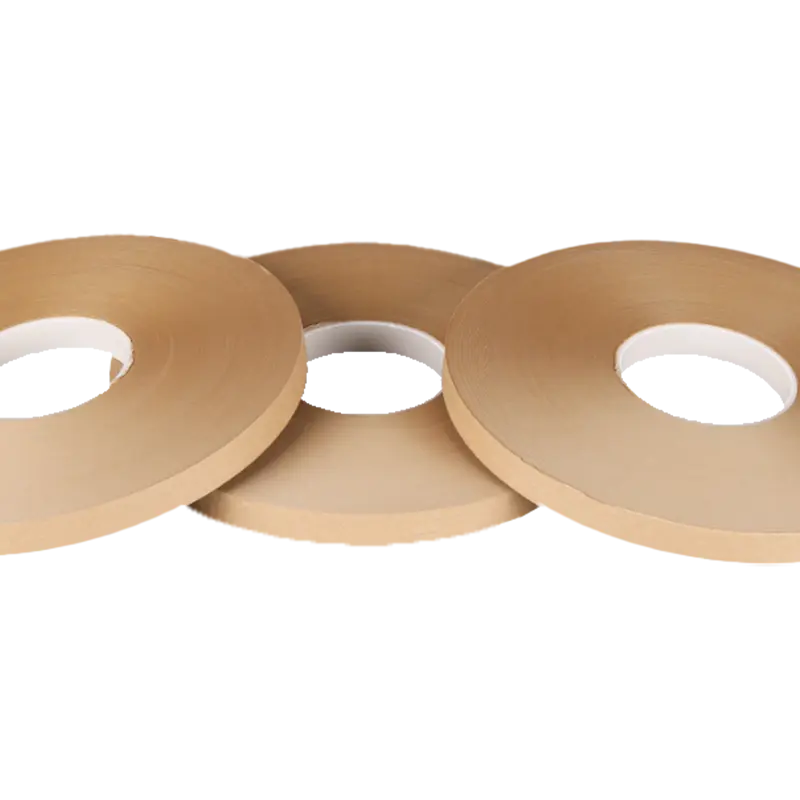
Heat Resistant PI Tape is specifically engineered to withstand extreme temperatures, often ranging from 250°C to 400°C, which makes it highly suitable for industrial processes such as powder coating, high-temperature painting, and curing operations. Unlike conventional masking tapes, which can melt, shrink, or degrade when exposed to elevated temperatures, PI tape maintains dimensional and structural stability throughout the process. This stability ensures that the tape does not warp, curl, or lift from the surface, allowing operators to create precise masking boundaries even on complex geometries. By resisting thermal degradation, Heat Resistant PI Tape prevents the intrusion of coatings beneath the tape, which is critical for maintaining high-quality finishes and avoiding costly rework or surface defects.
Adhesion on Multiple Substrates
Heat Resistant PI Tape is formulated with a high-performance adhesive system, typically silicone-based, that remains effective under high temperatures. This adhesive provides reliable bonding to a wide variety of substrates, including metals, glass, ceramics, and select high-temperature plastics, which are commonly encountered in industrial finishing and plating operations. The tape’s adhesion is designed to be strong enough to withstand heat, chemical exposure, and mechanical handling during production, yet balanced to allow clean removal without leaving residue. This property is essential for protecting sensitive areas from coatings, paint overspray, or plating solutions while preserving the integrity of the underlying substrate and the precision of the finished component.
Chemical and Solvent Resistance
During processes such as electroplating, high-temperature painting, or powder coating, surfaces are often exposed to solvents, acids, alkaline solutions, and cleaning chemicals. Heat Resistant PI Tape exhibits excellent chemical resistance, ensuring that the adhesive does not degrade, soften, or lose adhesion when in contact with these substances. This resistance guarantees that masked regions remain protected and that the tape does not contaminate the exposed areas. Furthermore, its chemical inertness allows for repeated exposure in multi-step or batch processes without compromising performance, making it highly reliable in demanding industrial environments where precision and repeatability are crucial for product quality and throughput.
Masking Precision and Edge Quality
The polyimide backing of Heat Resistant PI Tape provides a smooth, stable surface that contributes to precise masking during coating and plating operations. Its dimensional stability, combined with consistent adhesive performance, prevents bleeding, lifting, or distortion at the edges, ensuring that masked areas maintain clean, sharp boundaries. This is particularly important in powder coating, where particles can migrate under less stable tapes, and in electroplating, where metal deposition must be prevented on protected areas. The tape’s ability to maintain a flat, uniform contact with the substrate ensures high-quality edges, accurate geometries, and professional-grade finishes.
Ease of Removal After Processing
The key advantage of Heat Resistant PI Tape is its ability to be removed cleanly after exposure to high temperatures or chemicals. Even after prolonged exposure in powder coating ovens, electroplating baths, or high-temperature painting environments, the tape can typically be peeled away without tearing, leaving no adhesive residue. This property minimizes post-processing cleanup, reduces the risk of surface damage, and allows operators to maintain high production efficiency. Its combination of strong adhesion during processing and clean removal afterward ensures consistent masking performance across multiple batches, reducing downtime and rework in high-volume industrial settings.

Copyright © Wuxi Wanfeng Protective Film Co., Ltd. All Rights Reserved.
 English
 русский