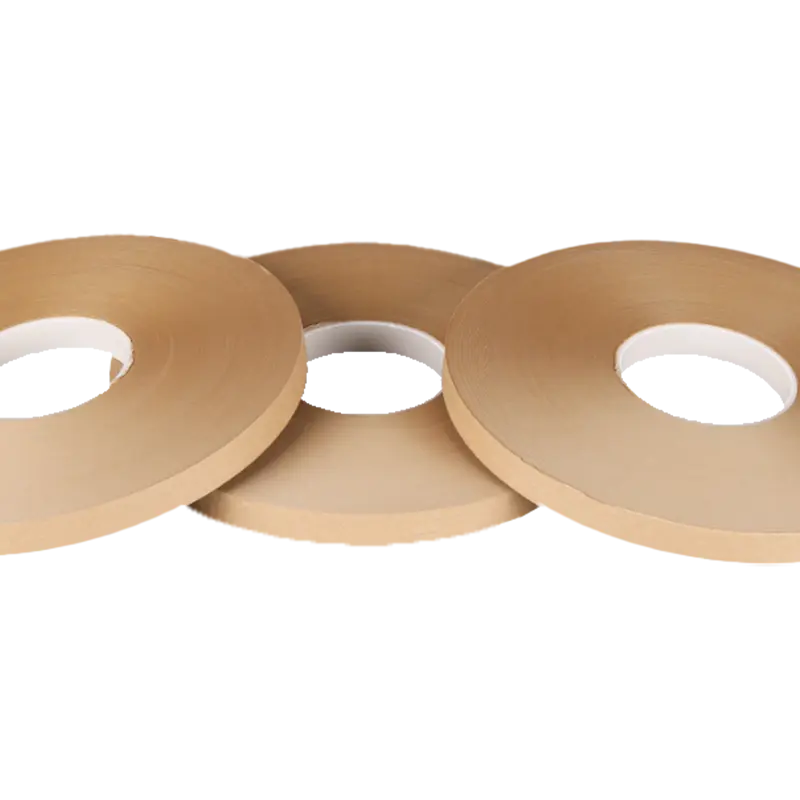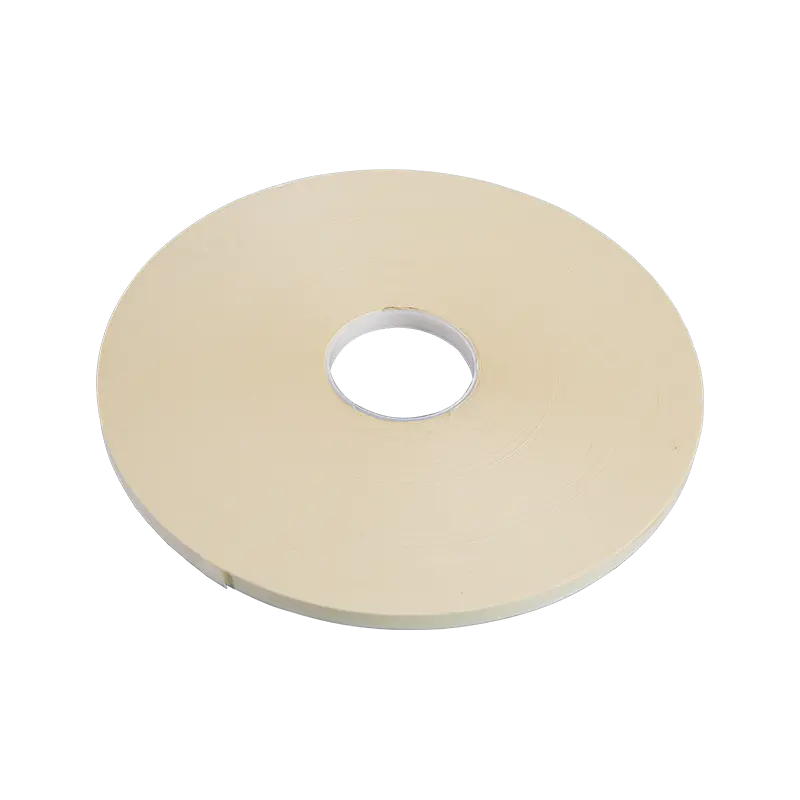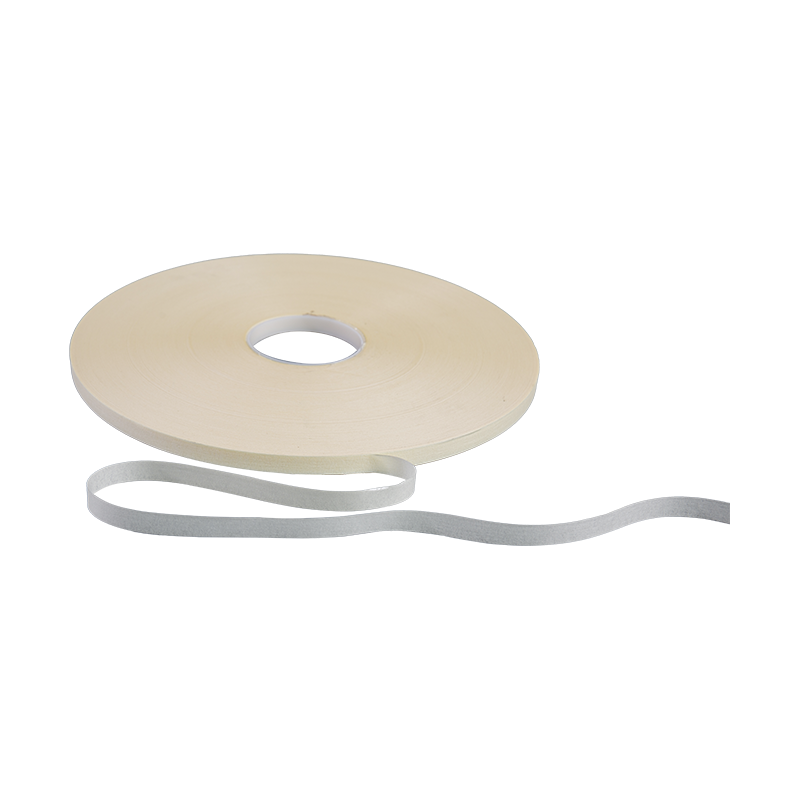
When it comes to high-temperature bonding, hot melt tape underperforms compared to solvent-based adhesive tape at sustained elevated temperatures — but the full picture is more nuanced. Hot melt tape offers superior initial tack and faster bond formation, making it ideal for ambient and moderate-heat environments. However, once temperatures exceed 80°C–100°C, the thermoplastic adhesive in hot melt tape begins to soften and lose cohesive strength. Solvent-based adhesive tapes, particularly those using synthetic rubber or acrylic carriers, can often withstand temperatures up to 150°C or higher, making them the preferred choice for demanding thermal environments.
That said, the right choice depends on your specific application, substrate, exposure duration, and whether the tape must perform under continuous or intermittent heat. This article breaks down the key differences so you can make a data-backed decision.
The core difference between hot melt tape and solvent-based adhesive tape lies in their adhesive chemistry, which directly determines how each product responds to heat.
Hot melt tape uses a thermoplastic adhesive — typically EVA (ethylene-vinyl acetate), SIS (styrene-isoprene-styrene), or APAO (amorphous poly-alpha-olefin) — that is solid at room temperature and was originally applied in a molten state during manufacturing. Because these polymers are thermoplastic by nature, they re-soften when reheated. The softening point for most standard hot melt adhesives ranges from 70°C to 110°C, at which point shear resistance drops significantly.
Solvent-based tapes use adhesives dissolved in organic solvents (such as toluene or ethyl acetate) and applied as a wet coating that cures through solvent evaporation. The resulting adhesive network — often acrylic or rubber-based — is cross-linked and thermoset in character, meaning it does not re-melt when exposed to heat. High-performance solvent-based acrylic tapes can maintain strong adhesion at temperatures between 130°C and 180°C, and some specialty formulations exceed 200°C.
The table below summarizes how both tape types perform across a range of operating temperatures, based on typical industry-grade products:
| Temperature Range | Hot Melt Tape Performance | Solvent-Based Tape Performance |
|---|---|---|
| Below 60°C | Excellent — high tack and peel strength | Good — slightly slower initial tack |
| 60°C – 100°C | Moderate — adhesive begins softening | Good to excellent — minimal degradation |
| 100°C – 150°C | Poor — significant bond failure risk | Good — acrylic variants hold firmly |
| Above 150°C | Fails — adhesive flows or delaminates | Varies — specialty grades required |
Despite its limitations under sustained heat, hot melt tape is not without merit. There are specific scenarios where it outperforms solvent-based options:
For applications exceeding 120°C, neither standard hot melt tape nor general-purpose solvent-based tape may be sufficient. In these cases, engineers and procurement specialists often turn to more specialized products:
Heat activated film is a dry adhesive product that bonds only when a specific activation temperature is reached — typically between 60°C and 160°C depending on formulation. Unlike pressure-sensitive hot melt tape, heat activated film creates an extremely stable bond post-activation because the adhesive fully cross-links under heat and pressure. It is widely used in textile lamination, electronic component bonding, and automotive interior assembly where a permanent, heat-resistant bond is required without the mess of liquid adhesives.
For extreme thermal environments, Kapton tapes — made from DuPont's polyimide film with silicone adhesive — are the industry benchmark. Kapton tapes can operate continuously at temperatures up to 260°C and withstand short-term exposure above 400°C. They are extensively used in PCB wave soldering, aerospace wiring harnesses, and motor insulation. Where both hot melt tape and standard solvent-based tape would fail completely, Kapton tapes maintain dimensional stability and electrical insulation properties without adhesive migration.
Choosing between hot melt tape and solvent-based adhesive tape — or a more advanced option like heat activated film or Kapton tapes — comes down to a clear set of application parameters:
Understanding how these tapes behave in real scenarios reinforces why the temperature threshold matters so much in practice:
Solvent-based adhesive tape has a clear and measurable advantage over hot melt tape under high-temperature conditions. With a typical usable range extending 50°C–80°C beyond that of standard hot melt tape, solvent-based acrylic formulations offer the thermal stability required in automotive, industrial, and electrical applications. Hot melt tape remains the smart choice for ambient-temperature, high-speed, and cost-sensitive packaging applications where thermal demands are low.
For applications that push beyond 150°C, neither product is adequate on its own — and that's where purpose-built solutions like Kapton tapes and heat activated film step in to fill the gap with engineered precision. Matching your tape to the actual thermal profile of your application is not just best practice — it is the difference between a reliable bond and a costly failure.

Copyright © Wuxi Wanfeng Protective Film Co., Ltd. All Rights Reserved.
 English
 русский