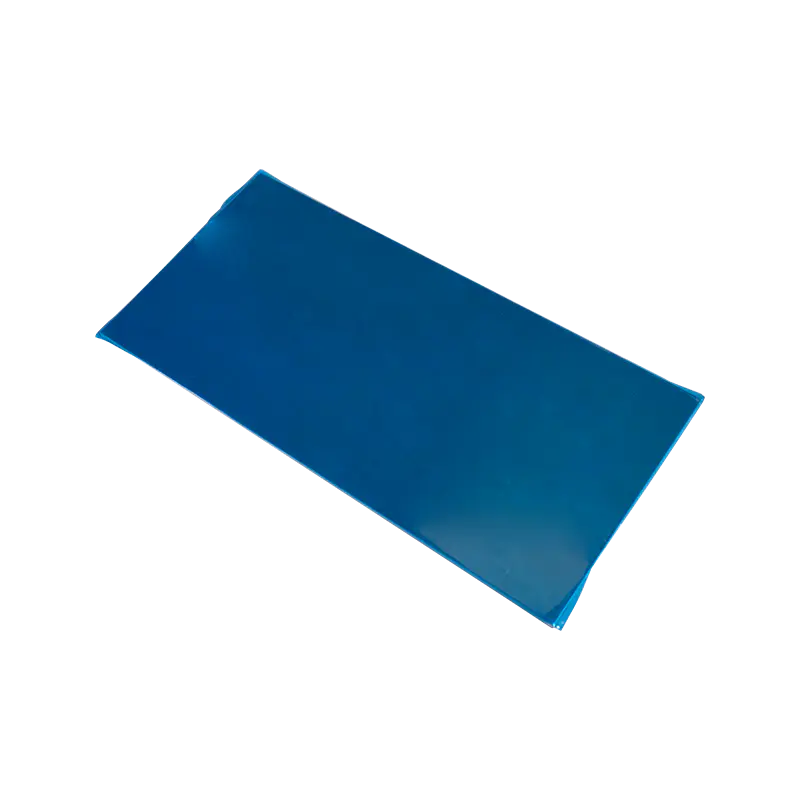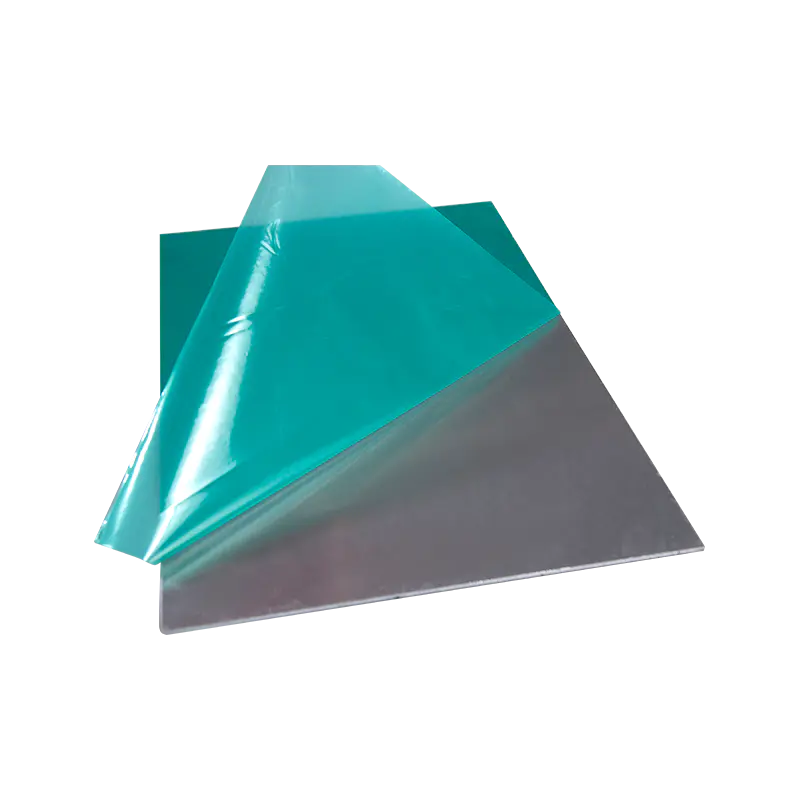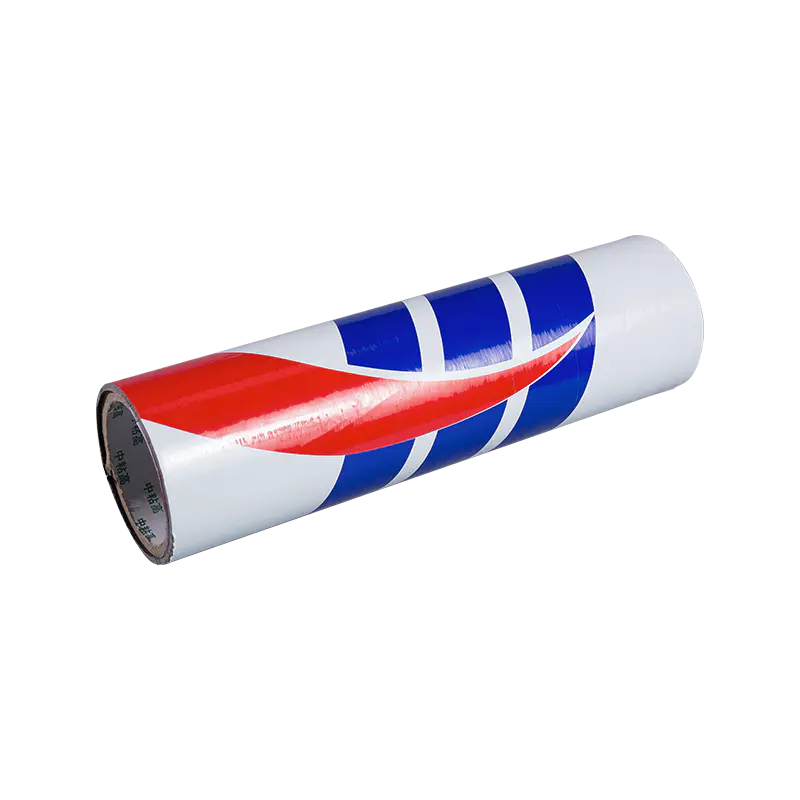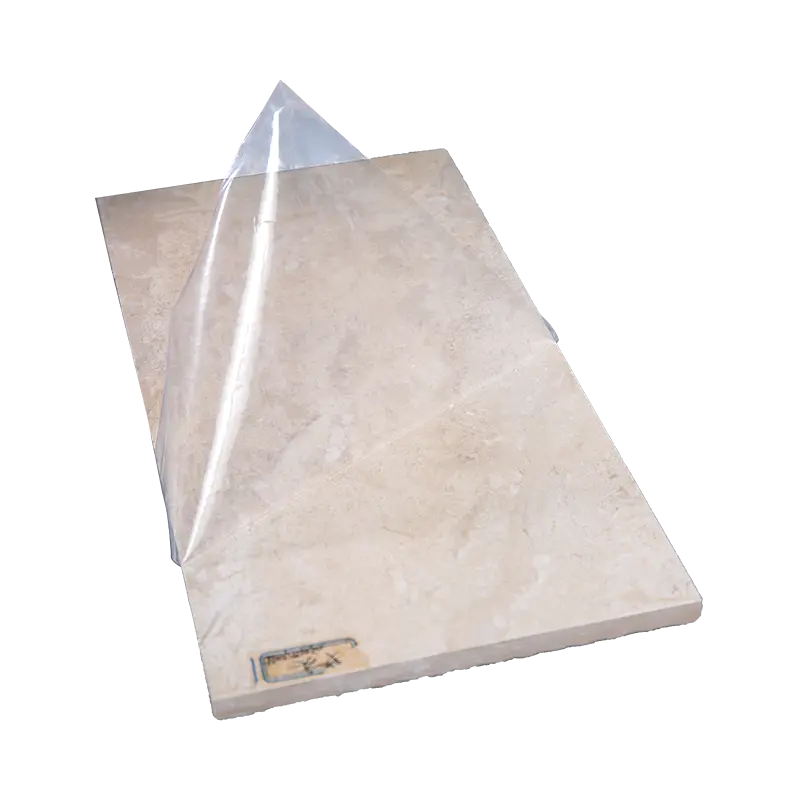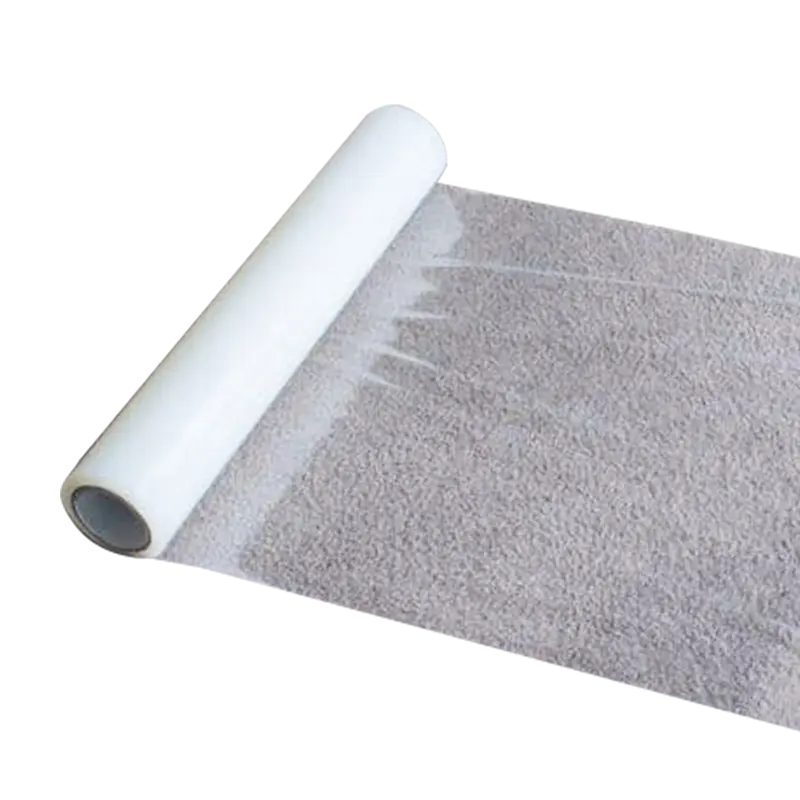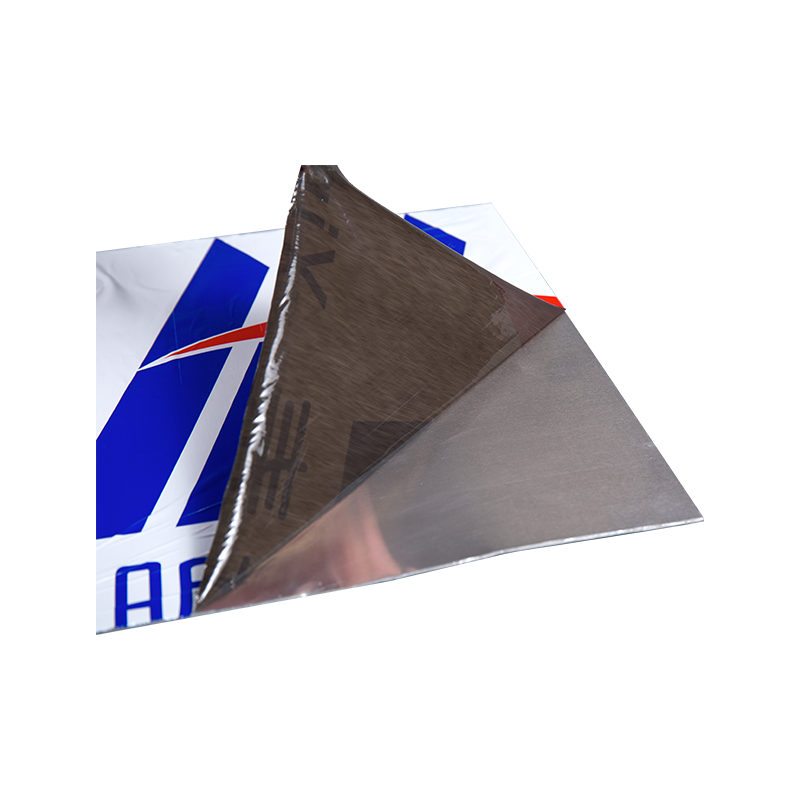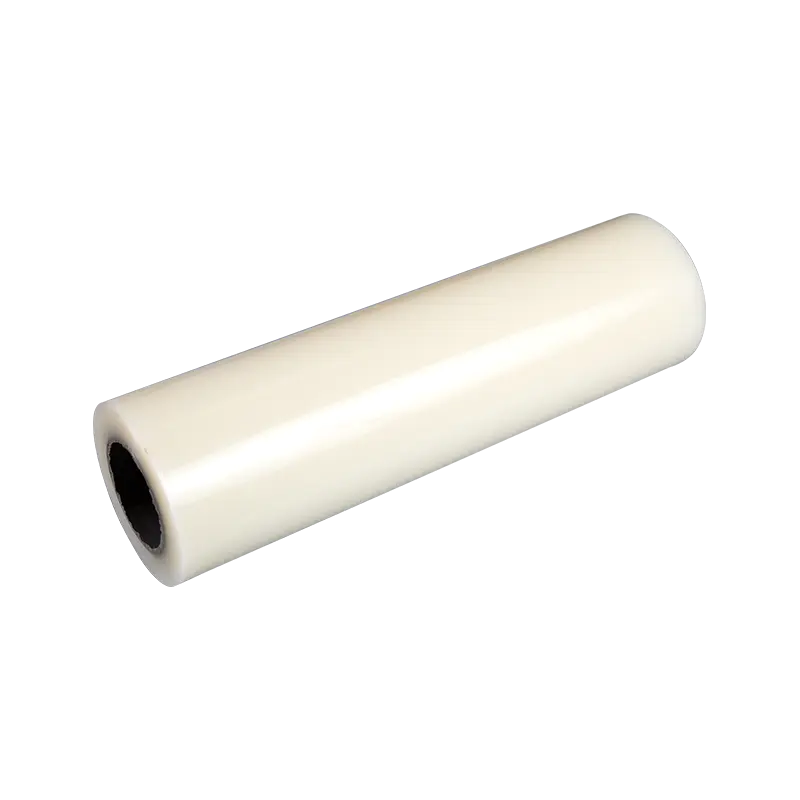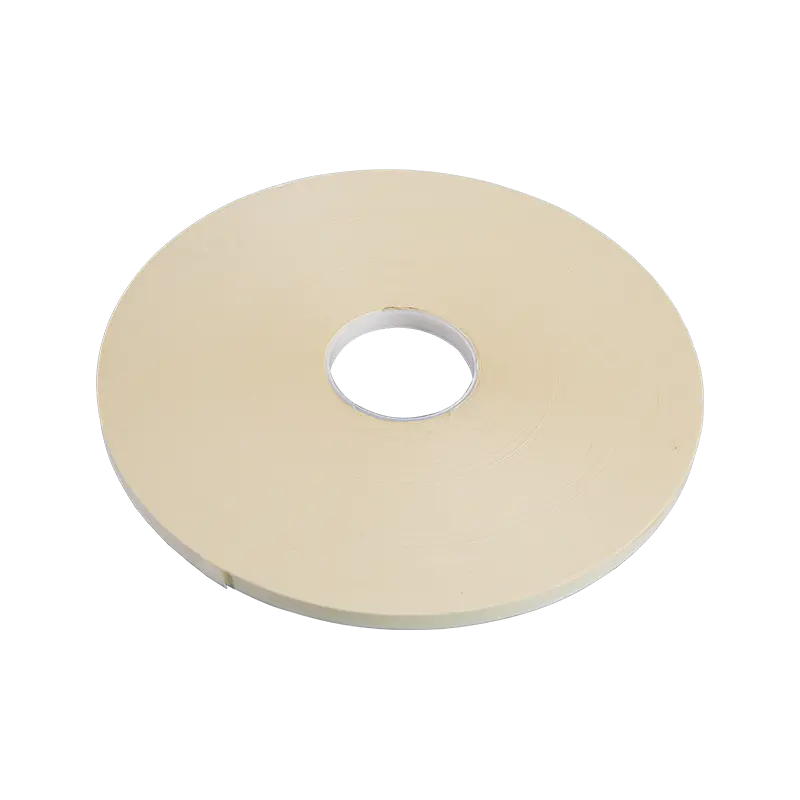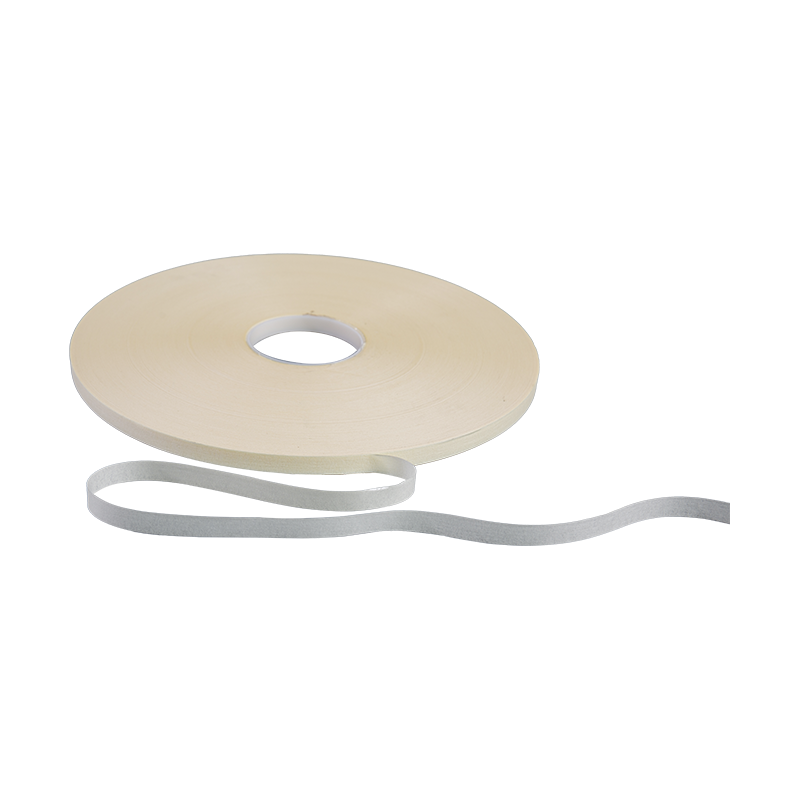
Stainless steel protective film can be suitable for outdoor use, but only when the right type is selected. Not all stainless steel protective films are engineered for outdoor conditions. Standard surface protection films, which are typically designed for short-term indoor use during fabrication or transportation, often fail when exposed to UV radiation, moisture, and temperature fluctuations. If you need outdoor protection, you must specifically choose a UV-stabilized, weather-resistant stainless steel protective film — otherwise, you risk adhesive degradation, film brittleness, and residue contamination on your steel surface.
This article breaks down the key differences between stainless steel protective film and standard surface protection film in outdoor scenarios, so you can make an informed purchasing decision.
Stainless steel protective film is a specialized adhesive film applied directly to stainless steel surfaces to protect them from scratches, dust, moisture, and mechanical damage during processing, transportation, storage, and installation. It is commonly made from polyethylene (PE) or polypropylene (PP) as the base layer, combined with an acrylic or rubber-based pressure-sensitive adhesive.
Key specifications typically include:
Standard surface protection film is a general-purpose protective film used across many substrates — including painted surfaces, glass, aluminum panels, plastics, and more. It is not optimized for any single material. While it overlaps in construction (often PE-based with pressure-sensitive adhesive), it lacks the surface-specific adhesion tuning and, critically, the UV stabilizers or weather-resistant coatings that outdoor applications demand.
Standard surface protection film is typically designed for indoor, short-duration use — often 30 to 90 days — before removal. Leaving it outdoors beyond this window frequently leads to film degradation and adhesive transfer.
The table below compares stainless steel protective film (outdoor-grade) against standard surface protection film across the most critical outdoor performance categories:
| Performance Factor | Stainless Steel Protective Film (Outdoor Grade) | Standard Surface Protection Film |
|---|---|---|
| UV Resistance | UV stabilizers added; resists yellowing and embrittlement for 6–12 months | No UV protection; degrades within 30–60 days of sun exposure |
| Adhesive Residue Risk | Low, when removed within recommended timeframe | High after prolonged outdoor exposure |
| Temperature Range | –20°C to 100°C (high-performance grades) | –10°C to 60°C (typical) |
| Moisture Resistance | Sealed edges resist water ingress | Edges may lift in high humidity or rain |
| Recommended Duration | Up to 12 months outdoors | 30–90 days maximum (indoors preferred) |
| Cost | Higher (due to UV additives and thicker film) | Lower upfront cost |
UV radiation is the primary reason standard surface protection film fails in outdoor environments. PE-based films without UV stabilizers begin photodegradation within weeks under direct sunlight. The film becomes brittle, cracks, and adheres more aggressively to the substrate — making clean removal nearly impossible.
In one documented scenario, a fabrication company used standard PE protective film on stainless steel cladding panels for an outdoor installation. After just 45 days of summer sun exposure, the film had partially fused to the surface. Removal required solvent cleaning, which added significant cost and delayed the project.
Outdoor-grade stainless steel protective film incorporates UV absorbers (such as benzophenone compounds) and HALS (Hindered Amine Light Stabilizers) directly into the PE resin during extrusion. This allows the film to maintain flexibility and controlled adhesion even after months of UV exposure.
The adhesive layer is just as important as the film base. In outdoor-grade stainless steel protective film, acrylic-based adhesives are strongly preferred over rubber-based ones for the following reasons:
Standard surface protection films often use rubber-based adhesives to reduce manufacturing costs — which is acceptable for factory-floor use but becomes a liability outdoors.
When properly specified, stainless steel protective film is used reliably in a range of outdoor applications:
In all these cases, the critical rule is: remove the stainless steel protective film before it reaches the end of its rated outdoor lifespan, which is typically stated by the manufacturer as 6 or 12 months. Exceeding this window dramatically increases residue risk.
When sourcing stainless steel protective film for outdoor applications, verify the following specifications before purchasing:
Standard surface protection film costs significantly less — sometimes 30–50% less per roll than outdoor-grade stainless steel protective film. However, when used outdoors, the cost of adhesive residue removal, potential surface damage, and rework labor far exceeds any upfront savings.
Professional solvent-based adhesive removal on stainless steel panels can cost $5–$15 per square meter in labor and materials, not counting potential surface re-polishing. On a mid-size cladding project with 500m² of stainless steel, that is a potential remediation cost of $2,500–$7,500 — entirely avoidable by using the correct stainless steel protective film from the start.
The conclusion is straightforward: for any stainless steel surface that will be exposed to outdoor conditions for more than 30 days, always specify an outdoor-rated stainless steel protective film with verified UV resistance and acrylic adhesive. Standard surface protection film is not an adequate substitute and carries significant risk of surface contamination and damage.

Copyright © Wuxi Wanfeng Protective Film Co., Ltd. All Rights Reserved.
 English
 русский