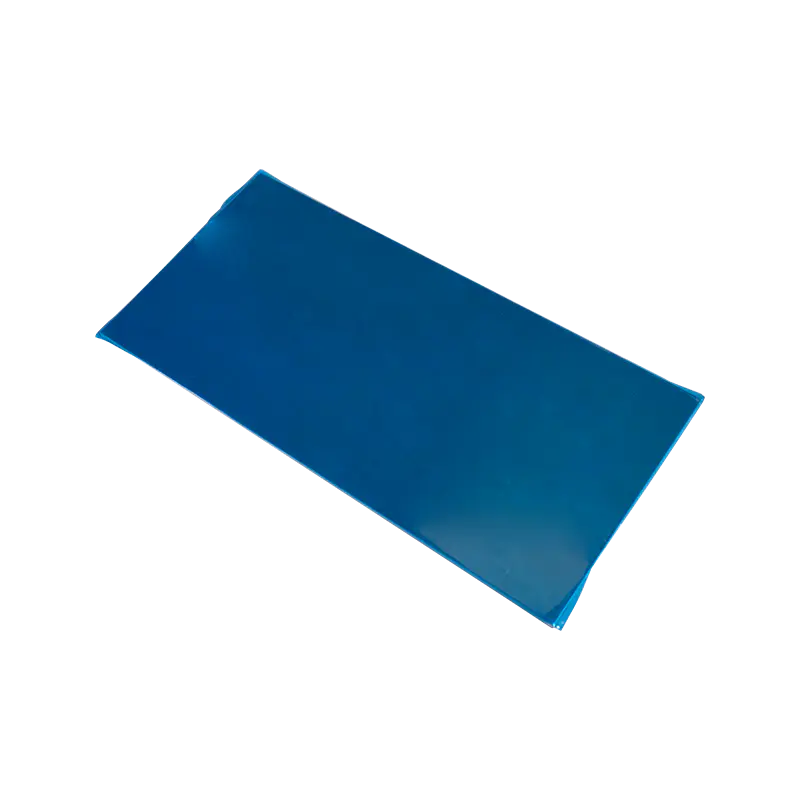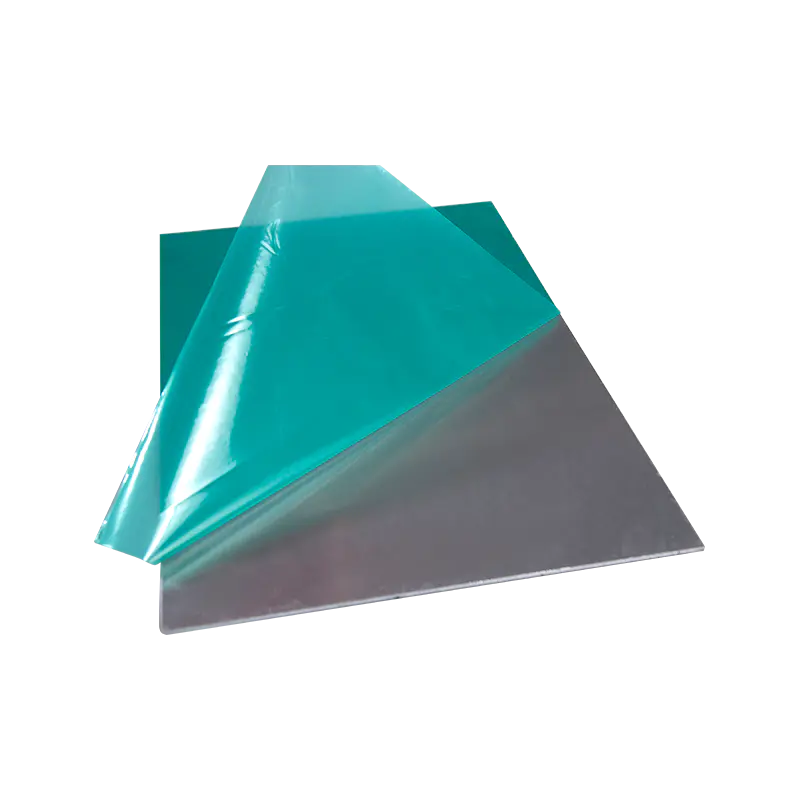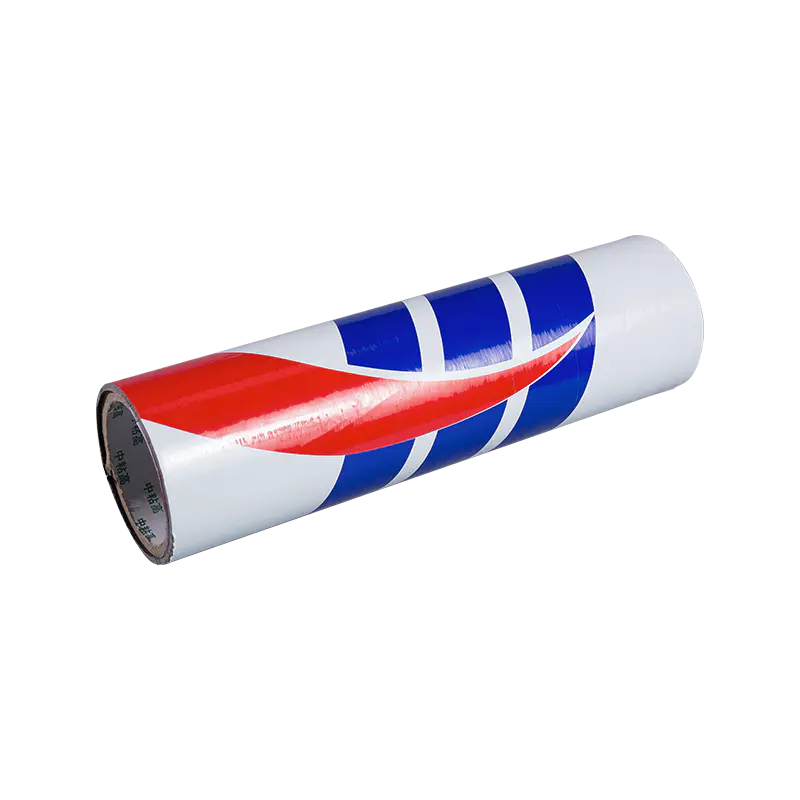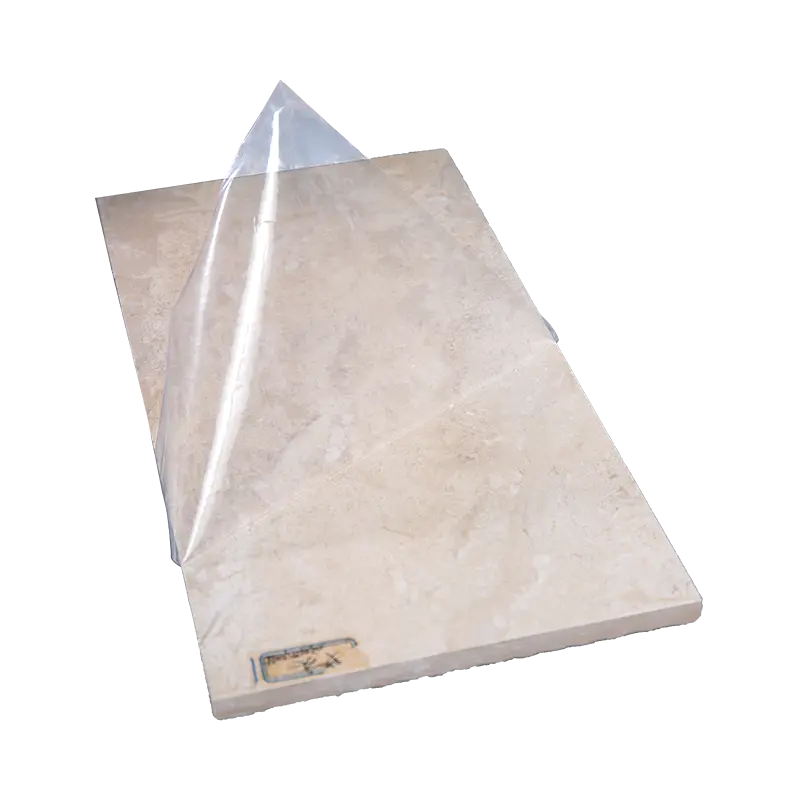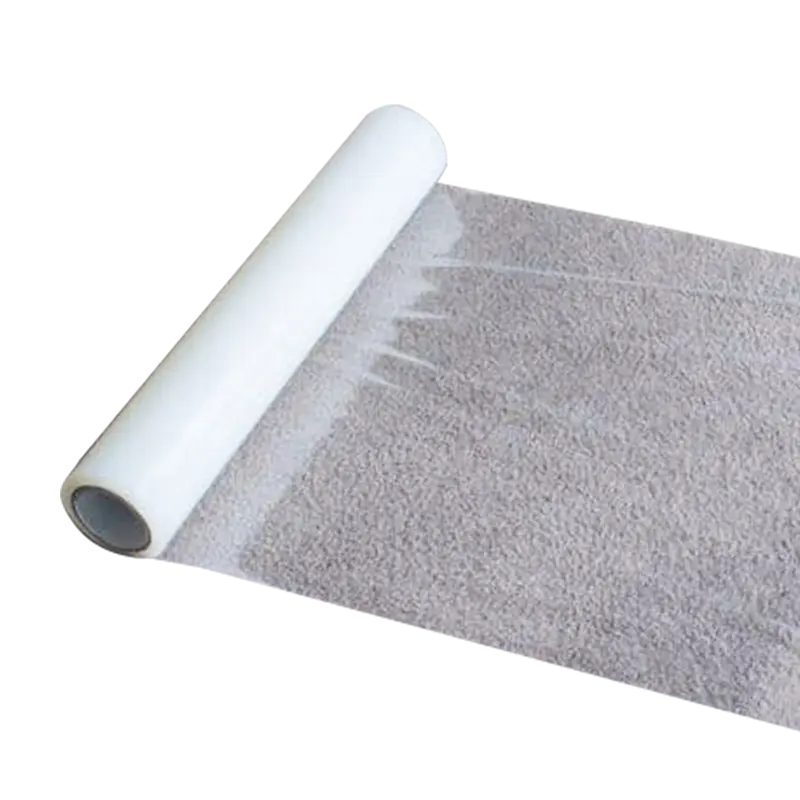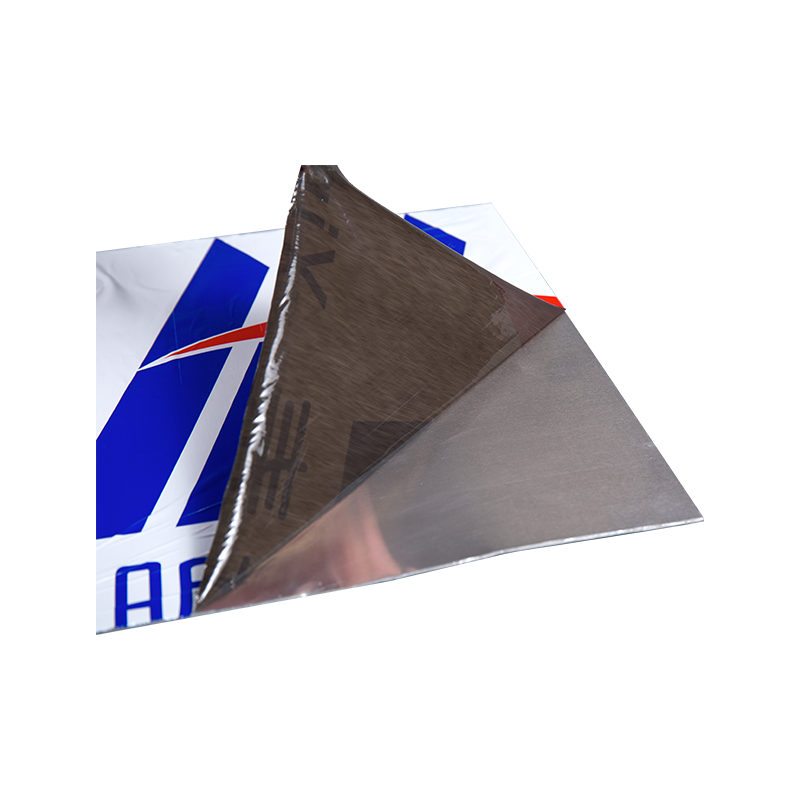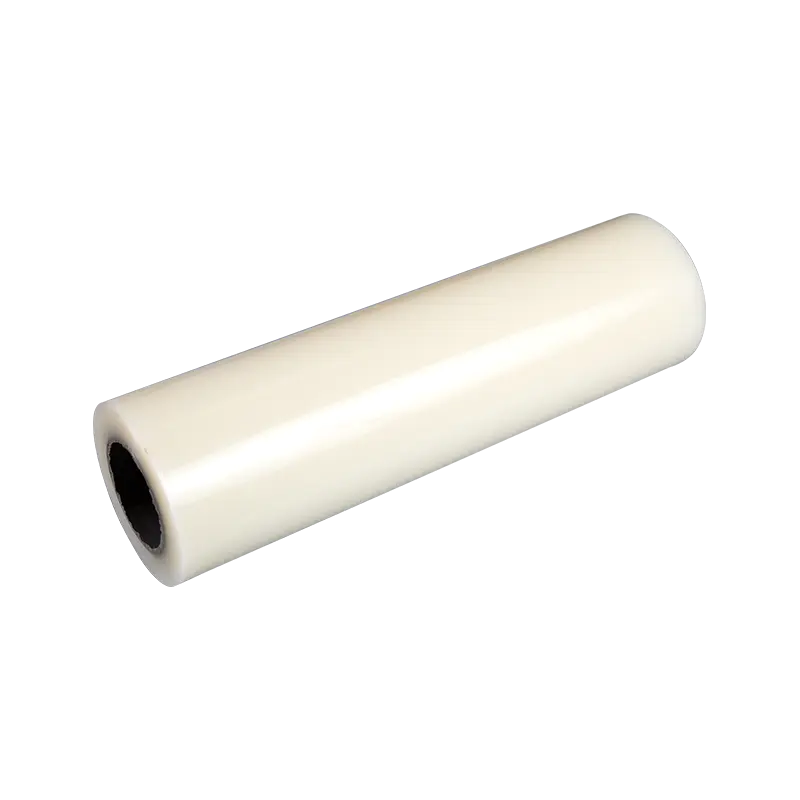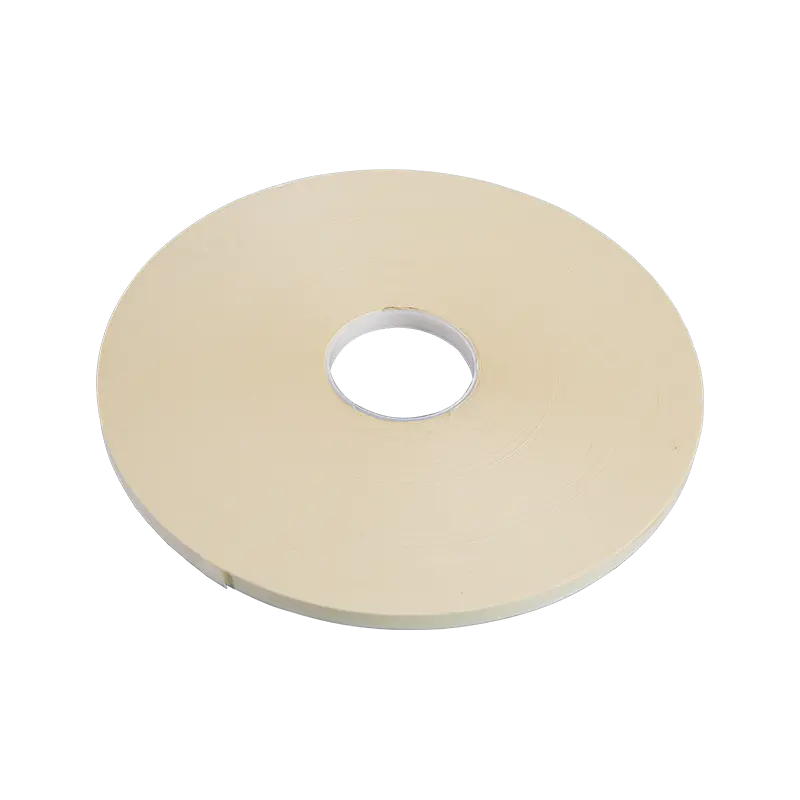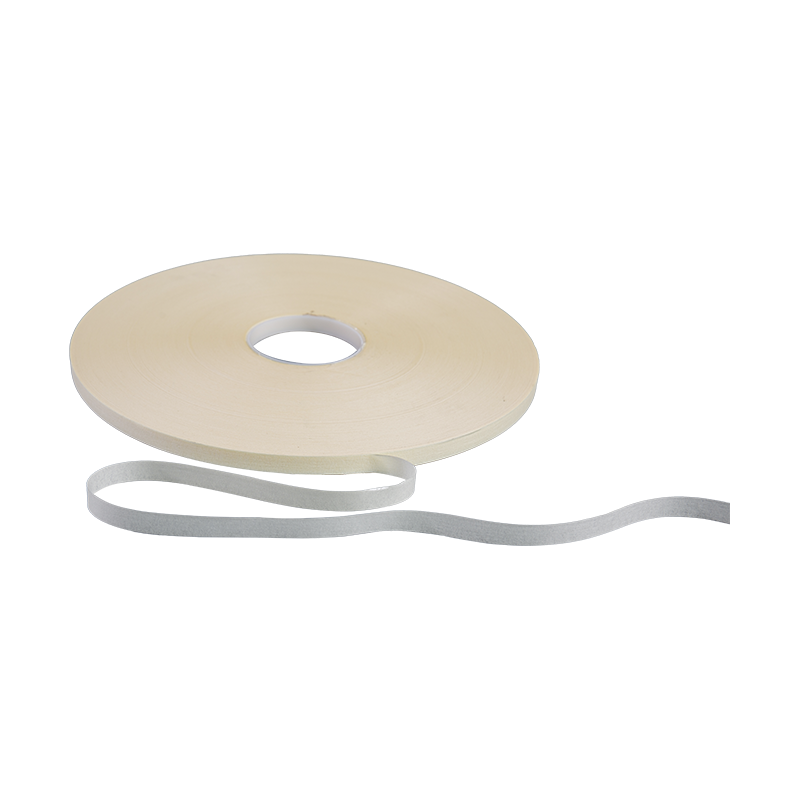
When temperatures drop below -10°C, aluminum profile protective film specifically engineered for low-temperature environments significantly outperforms standard PE film in flexibility, adhesion retention, and surface protection integrity. Standard PE (polyethylene) film becomes increasingly brittle below -10°C, with elongation-at-break values dropping from a typical 300–500% at room temperature to as low as 80–120% at -15°C. In contrast, a purpose-formulated aluminum profile protective film—usually based on modified LLDPE or CPP (cast polypropylene) compounds—maintains elongation-at-break values above 200% even at -20°C, making it far less likely to crack, split, or delaminate during cold-climate handling, transportation, and storage.
Standard PE protective film is manufactured primarily for general-purpose surface protection in ambient or moderately cold conditions. Its polymer chains begin to lose mobility at sub-zero temperatures, causing the film to harden and lose the elastic behavior critical for clinging to aluminum profiles without lifting, cracking, or tearing.
Key failure modes of standard PE film below -10°C include:
These failures are not merely cosmetic. Exposed aluminum profiles during cold-weather transit or storage can suffer scratches, oxidation, and surface contamination that require costly reworking before installation.
The cold-weather advantage of a quality aluminum profile protective film lies in its material formulation. High-performance variants use one or more of the following approaches:
Linear low-density polyethylene (LLDPE) and metallocene-catalyzed polyethylene resins have a more uniform molecular structure than conventional LDPE. This allows the polymer chains to remain flexible at lower temperatures. Metallocene PE films typically retain over 250% elongation-at-break at -20°C, versus 90–130% for standard LDPE films at the same temperature.
Some aluminum profile protective films use a co-extruded CPP layer combined with a soft adhesive core. CPP offers excellent optical clarity and maintains moderate flexibility down to -10°C to -15°C. However, below -20°C, even CPP begins to stiffen, which is why metallocene LLDPE formulations are preferred for extreme cold applications.
The adhesive layer is equally critical. Standard hot-melt or rubber adhesives harden and lose tack below -10°C. Cold-weather aluminum profile protective films use specially formulated acrylic adhesives with a glass transition temperature (Tg) well below -30°C, ensuring the adhesive remains soft, pressure-sensitive, and firmly bonded to the aluminum surface throughout the cold chain.
The table below summarizes key performance metrics for both film types under cold-weather conditions:
| Performance Metric | Aluminum Profile Protective Film (Cold-Grade) | Standard PE Protective Film |
|---|---|---|
| Elongation-at-break at -15°C | 220–280% | 80–130% |
| Adhesive tack retention at -10°C | ≥85% of room-temp tack | 40–60% of room-temp tack |
| Edge cracking risk at -15°C | Low | High |
| Unrolling performance at -10°C | Smooth, consistent | Stiff, prone to snapping |
| Tunneling/delamination risk | Minimal | Moderate to High |
| Minimum application temperature | -15°C to -20°C | 0°C to +5°C |
Understanding when cold-weather flexibility actually becomes a practical concern helps procurement and quality teams make informed film selection decisions.
Aluminum profiles destined for construction, automotive, or industrial assembly are frequently stored outdoors in Northern European, North American, or Northern Asian climates where winter temperatures routinely fall to -15°C or below. A standard PE aluminum profile protective film applied in these conditions can harden overnight, crack at handling points, and allow dust and moisture ingress that causes surface spotting or early oxidation.
Shipping containers crossing cold regions—particularly overland transport through Central Asia, Scandinavia, or Canada in winter—expose aluminum profiles to sustained sub-zero temperatures for days or weeks. In these cases, the aluminum profile protective film must maintain adhesion and flexibility throughout the entire journey, not just at the point of application. Cold-grade films with low-Tg adhesive systems are the only reliable option for this use case.
When aluminum profiles are cut or machined in unheated workshops during winter, the protective film on the profile must flex around cut edges and not crack or peel back. A brittle standard PE film in this setting frequently delaminates at the cut point, leaving the freshly machined edge exposed and unprotected.
This principle is analogous to what is understood in automotive surface protection. Just as a clear paint protection film used on vehicles must remain flexible and crack-resistant in winter driving conditions to protect painted surfaces from road debris, an aluminum profile protective film must retain the same elastic resilience when the material it shields faces mechanical stress in cold environments.
Not all films marketed as aluminum profile protective film are rated for sub-zero conditions. When evaluating a film for cold-weather use, request or verify the following specifications from the supplier:
Cold-grade aluminum profile protective films typically cost 15–35% more per meter than standard PE alternatives. For buyers evaluating this premium, the risk calculation should consider:
In most cold-climate supply chains, the economics favor investing in a cold-grade aluminum profile protective film. A single rework event on a batch of anodized aluminum profiles can cost multiples of the entire film cost for that shipment. Just as specifying the right car protection film for a specific climate and use case eliminates costly repaint or surface repair work, selecting the correct cold-weather aluminum profile protective film eliminates downstream surface quality failures that are far more expensive than the film upgrade itself.

Copyright © Wuxi Wanfeng Protective Film Co., Ltd. All Rights Reserved.
 English
 русский