Physical Barrier Protection
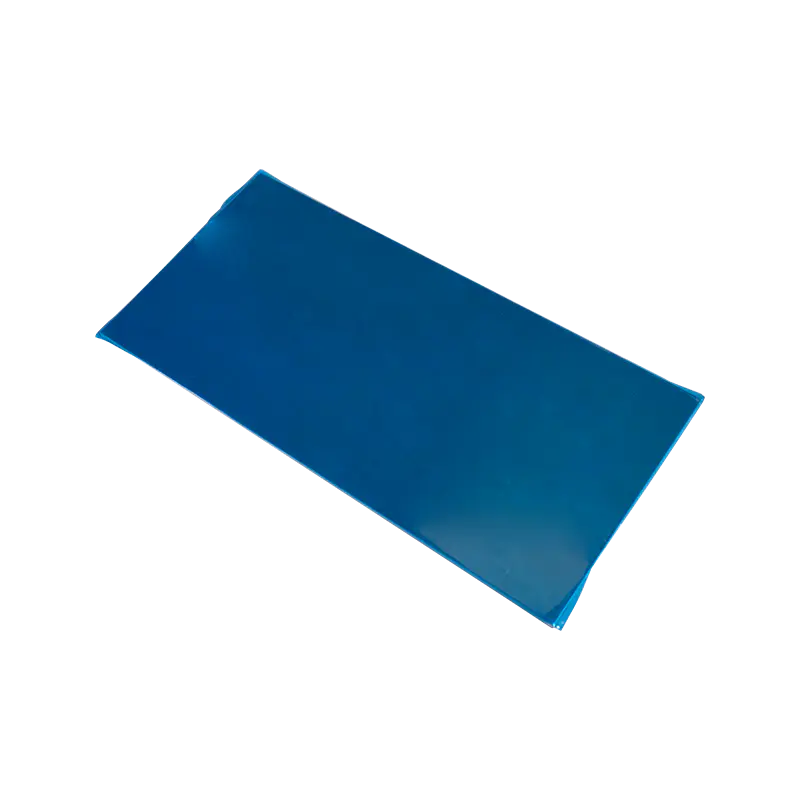
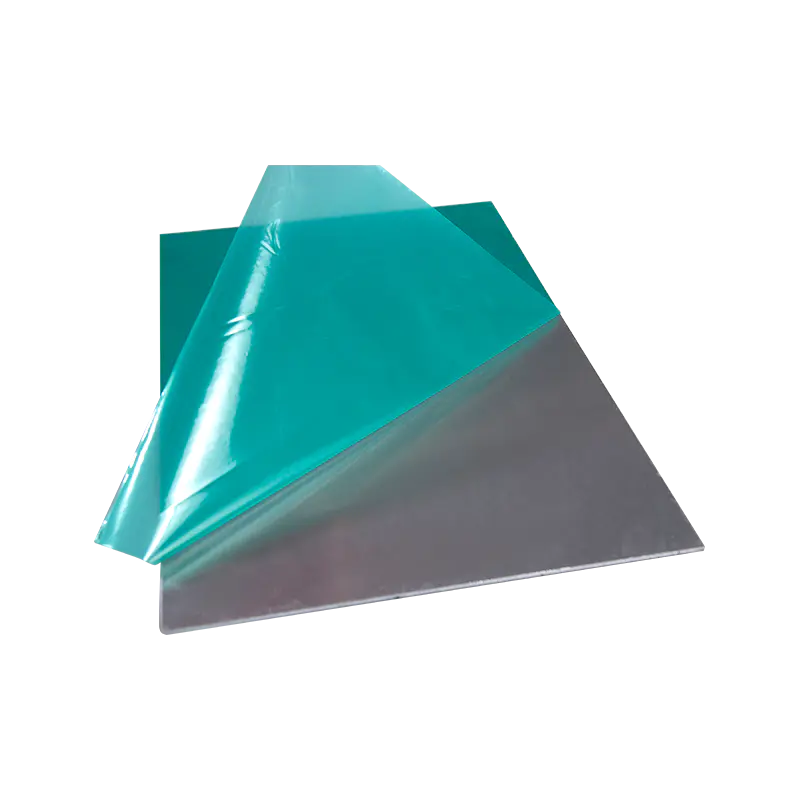
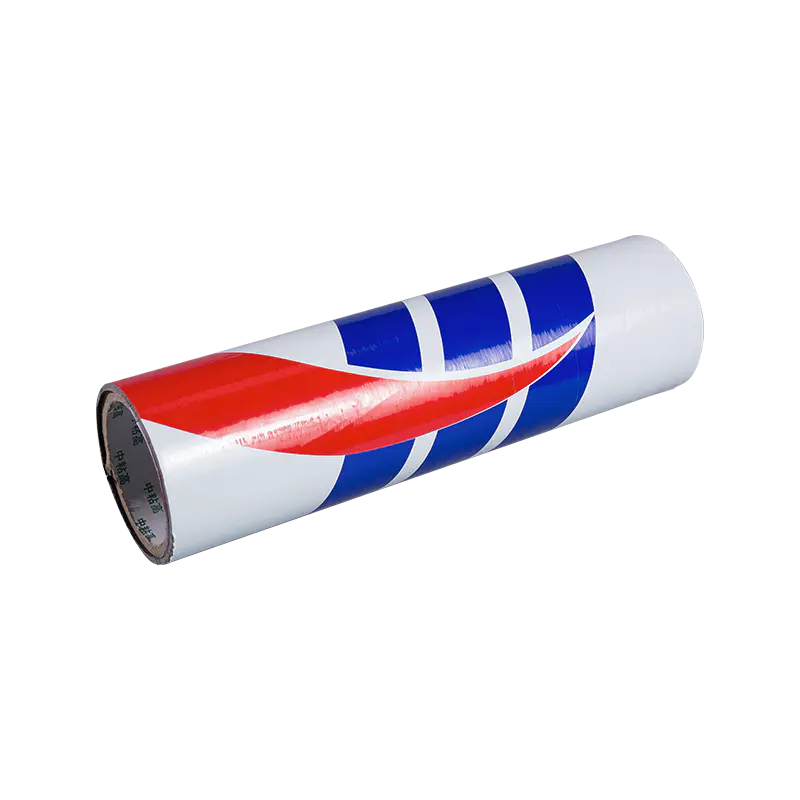
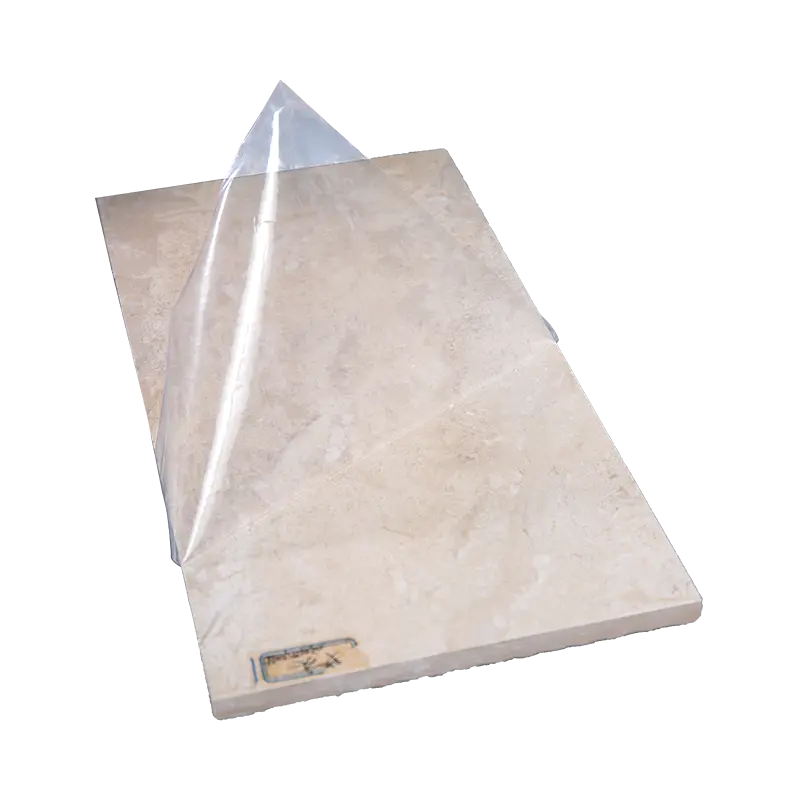
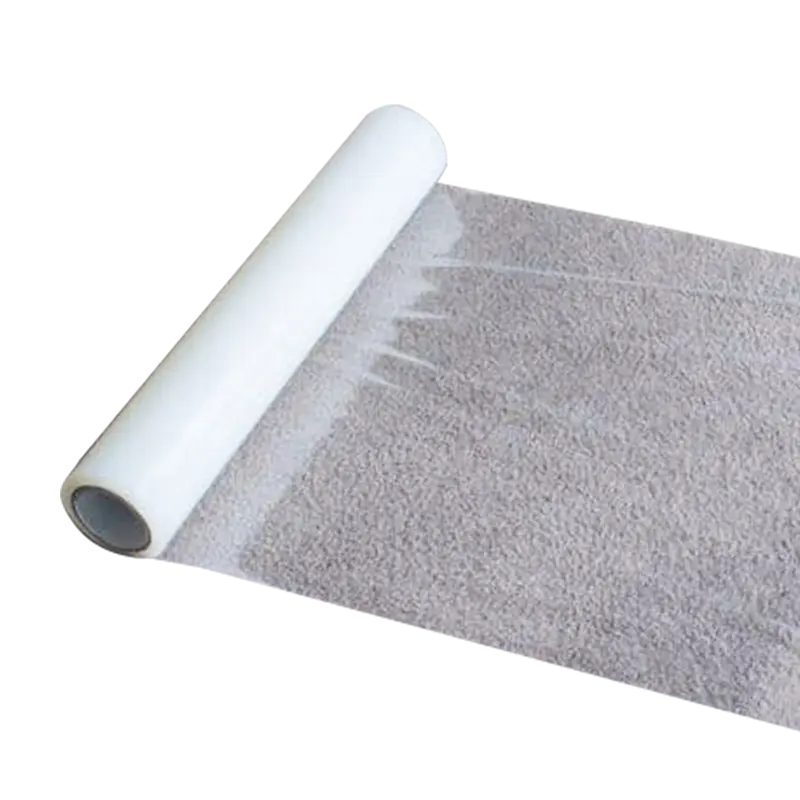
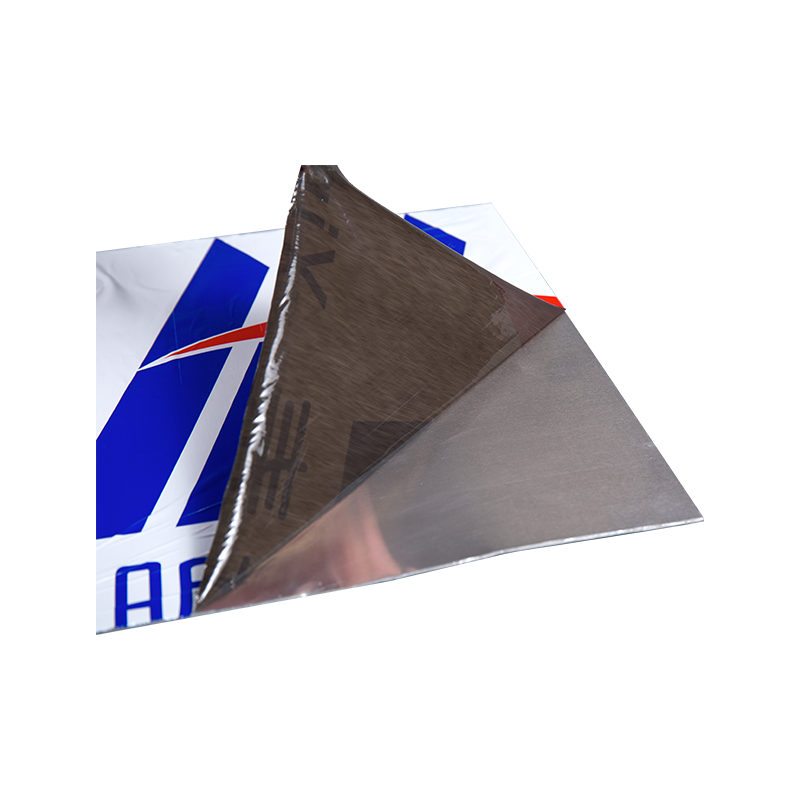
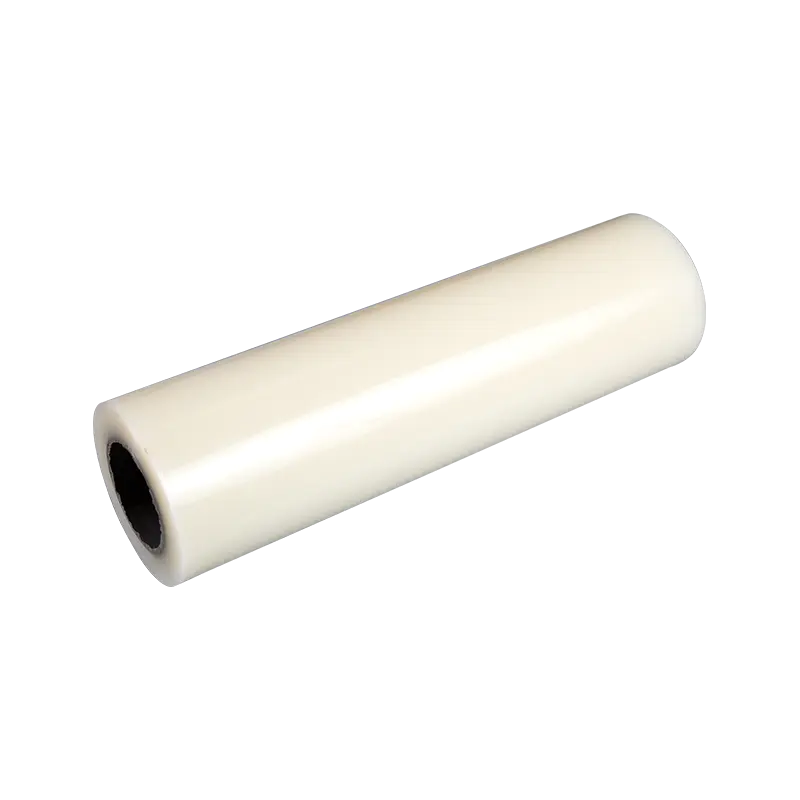
The primary function of Floor Protective Film is to serve as a robust physical barrier between flooring surfaces and external sources of damage. Typically manufactured from durable materials such as high-density polyethylene, polypropylene, or reinforced laminated composites, the film creates a continuous protective layer that shields the floor from direct contact with heavy, sharp, or abrasive objects. During construction or renovation, tools, hardware, furniture, or other equipment may be dropped or dragged across the surface. The protective film intercepts these forces, ensuring that the underlying flooring—whether hardwood, laminate, tile, or polished concrete—remains intact. Its flexibility allows it to conform to irregular surfaces, corners, and edges, maintaining comprehensive coverage. By establishing a physical separation between potential hazards and the flooring, the film significantly reduces the risk of scratches, dents, and scuffs, preserving both the visual appearance and structural integrity of the surface throughout high-traffic or high-risk activities.
Cushioning and Load Distribution
In addition to acting as a barrier, Floor Protective Film often incorporates a slightly thickened or textured design to provide a cushioning effect. This cushioning distributes localized pressure from heavy objects, rolling carts, or foot traffic over a larger surface area, minimizing the likelihood of indentations or permanent marks on delicate flooring. High-gloss finishes, hardwood planks, or soft vinyl are particularly susceptible to dents caused by concentrated force. By dispersing impact energy, the protective film reduces the stress transmitted to the flooring beneath, effectively absorbing mechanical shocks. In scenarios where repeated impacts occur, such as during moving furniture or construction work, this cushioning capacity helps maintain the floor’s aesthetic quality and structural integrity over time, ensuring that minor accidents or operational pressure do not result in lasting damage.
Abrasion Resistance and Friction Management
Floor Protective Film is designed with abrasion-resistant surfaces capable of enduring friction from shoes, equipment wheels, or dragged tools. During renovation or construction activities, repeated movement over the floor can generate frictional forces that would normally scratch, scuff, or mar the finish. The film acts as a sacrificial layer, absorbing friction and wear while preserving the underlying flooring surface. Advanced films may also include textured or slip-resistant coatings, which reduce uncontrolled sliding of equipment and prevent micro-abrasions caused by shifting debris. This combination of durability and friction control ensures that both high-traffic and high-contact areas are safeguarded, maintaining the floor’s original appearance, smoothness, and finish quality throughout the duration of the project.
Adhesive Backing and Secure Placement
Many high-performance Floor Protective Films feature a low-residue adhesive backing that ensures the film remains securely in place during use. Proper adhesion prevents the film from shifting, wrinkling, or curling, which can otherwise lead to edges catching underfoot or beneath equipment, potentially scratching the surface. The adhesive is carefully formulated to provide sufficient grip without bonding permanently to the flooring, allowing for safe removal after construction or renovation. By keeping the film flat and immobile, this design feature ensures continuous and uninterrupted protection across large surface areas, corners, and irregular shapes. The combination of adhesion and flexibility allows the film to adapt to different flooring types, maintaining its protective role without compromising the finish or leaving residue that would require additional cleaning.
Protection Against Contaminants
Floor Protective Film also serves as a barrier against abrasive particles and staining agents. Dust, sand, paint, cement, and construction debris are common culprits of micro-scratches or chemical scuffs. By covering the floor, the film prevents these contaminants from making direct contact, which is particularly important for high-value or delicate surfaces. Even small particles trapped beneath shoes or equipment can cause abrasion when moved across the floor; the protective film intercepts these forces, preserving the flooring’s aesthetic and functional integrity. This layer also reduces the need for repeated cleaning, sanding, or refinishing, making it a highly efficient solution for temporary floor protection in commercial or residential construction projects.
Summary of Performance Features
Floor Protective Film prevents scratches, dents, and scuffs through a multi-layered protection strategy. Its physical barrier separates the floor from direct contact with tools, debris, and heavy objects. The cushioning effect distributes localized pressure, reducing indentation risk. Abrasion-resistant surfaces manage friction and wear, while secure adhesive backing ensures flat, stable placement without shifting. It blocks contaminants, including dust, paint, or sand, that could cause micro-damage. Together, these features allow Floor Protective Film to maintain flooring integrity, aesthetic appearance, and structural quality throughout construction, moving, or renovation activities, providing reliable, professional-grade protection for diverse flooring types in high-risk environments.

Copyright © Wuxi Wanfeng Protective Film Co., Ltd. All Rights Reserved.
 English
 русский