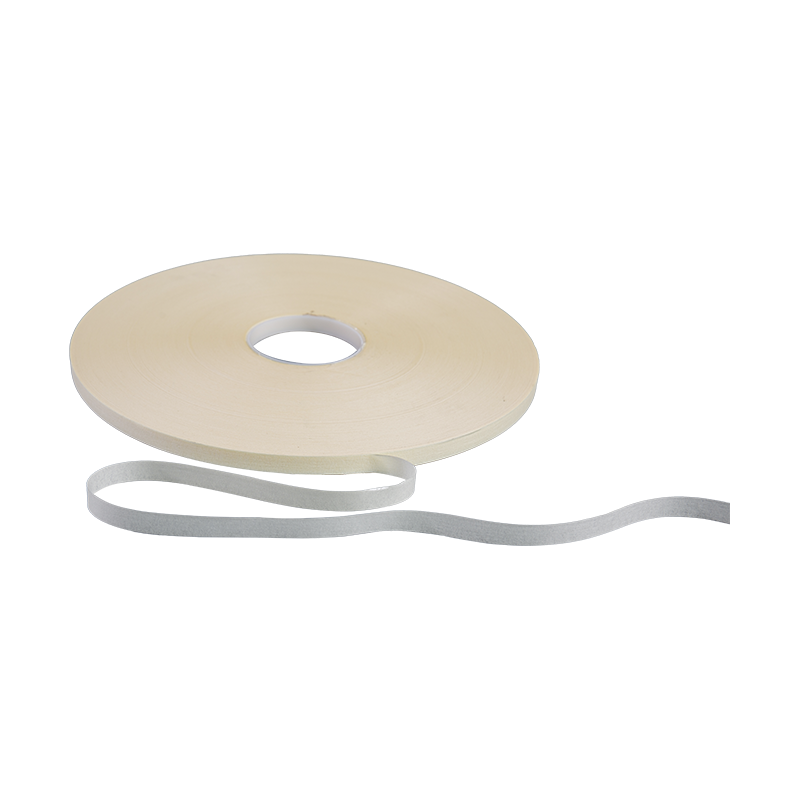
Heat Activated Films require elevated temperatures to achieve proper adhesion, which inherently introduces significant thermal hazards in industrial settings. Operators are at risk of burns from contact with hot surfaces, press plates, or adhesive layers, which may exceed safe handling temperatures. To mitigate these risks, it is critical for workers to wear appropriate personal protective equipment (PPE). High-quality heat-resistant gloves, flame-retardant long-sleeve clothing, and protective eyewear should be mandatory to prevent direct and radiant heat exposure. Face shields or goggles protect against accidental splashes of hot adhesive or material ejection during pressing.
In addition to PPE, worker training is crucial. Employees should receive comprehensive instruction on proper handling techniques, including how to position their hands, tools, and body to avoid exposure to hot surfaces, and how to safely transfer films to heated equipment. Workstations should be clearly marked to indicate high-temperature zones, and mechanical aids such as tongs or automated feeding mechanisms can be used to minimize human contact with heated components. Implementing these practices ensures thermal hazards are controlled while maintaining production efficiency and reducing injury risk.
Activation of Heat Activated Films may release fumes or volatile organic compounds (VOCs), which can present respiratory hazards or skin and eye irritation. In enclosed industrial areas, exposure to these fumes can accumulate, creating unsafe conditions for operators. Effective ventilation systems are essential to mitigate this risk. Local exhaust ventilation, ducted fume hoods, and forced-air circulation are recommended to remove harmful emissions directly from the operator’s breathing zone.
Beyond ventilation, operators should be trained to recognize early symptoms of fume exposure, such as coughing, dizziness, eye irritation, or throat discomfort, and respond promptly. Where required, respiratory protective equipment like masks or respirators should be provided, and air quality monitoring should be conducted regularly to ensure compliance with occupational exposure limits. Proper ventilation not only ensures worker safety but also prevents interference with the adhesive properties of the films. Maintaining clean, contaminant-free air reduces the risk of chemical interaction with adhesives during activation, ensuring consistent bonding performance and reliable industrial outcomes.
Because Heat Activated Films operate at high temperatures, the risk of fire is significant if combustible materials are present near heating equipment. Industrial facilities must maintain clear zones around presses, ovens, or infrared heaters to prevent accidental ignition of paper, solvents, packaging, or dust. Heating equipment should be regularly inspected to ensure proper functionality of temperature controls, electrical connections, and heating elements to prevent overheating or sparking.
Operators must be trained in fire prevention and emergency response procedures, including proper fire extinguisher use and evacuation protocols. Automated temperature regulation and safety interlocks on heating devices can further reduce the likelihood of accidents caused by human error. Thermal insulation around heated surfaces can protect surrounding areas and personnel from radiant heat, minimizing fire hazards. By combining equipment safety features with employee training and clear workspace protocols, the risk of fire during the handling and activation of Heat Activated Films can be significantly reduced, ensuring a safe production environment.
Industrial application of Heat Activated Films often involves machinery such as high-pressure presses, rollers, or automated feed systems. These systems introduce mechanical hazards including pinching, crushing, and entanglement risks. Mishandling of films—such as improper insertion, misalignment, or rapid removal—can lead to jams or sudden ejection of materials, which may expose operators to heated surfaces or moving parts.
To minimize these risks, employees must receive comprehensive training on safe loading, alignment, and removal of films. Safety devices such as guards, interlocks, and emergency stop mechanisms should be installed on all relevant equipment to prevent accidental access during operation. Regular maintenance is essential to ensure smooth operation of mechanical systems, reducing unexpected movement or failures that could injure personnel. Clear communication protocols, such as signaling during machine operation, also enhance safety. By addressing both operator behavior and equipment design, mechanical hazards associated with applying Heat Activated Films can be effectively mitigated.
Heat Activated Films may contain adhesives, tackifiers, or chemical additives that can irritate skin, eyes, or respiratory systems. Even unheated films may cause dermatitis or allergic reactions if handled without protective gloves. Prolonged exposure can increase the likelihood of skin irritation or sensitization. Workers must wear chemical-resistant gloves, long-sleeve clothing, and eye protection when handling films.
Strict hygiene protocols, including washing hands after handling films and avoiding eating or drinking near work areas, help prevent accidental ingestion or skin absorption of chemicals. Access to Material Safety Data Sheets (MSDS) for each type of film is essential to provide operators with information on chemical composition, hazards, and first-aid procedures. Clear labeling of materials and work areas ensures that employees are aware of potential chemical risks and follow appropriate handling practices. By combining protective equipment, hygiene, and training, the risks of chemical exposure can be minimized, protecting operator health while maintaining adhesive performance.

Copyright © Wuxi Wanfeng Protective Film Co., Ltd. All Rights Reserved.
 English
 русский