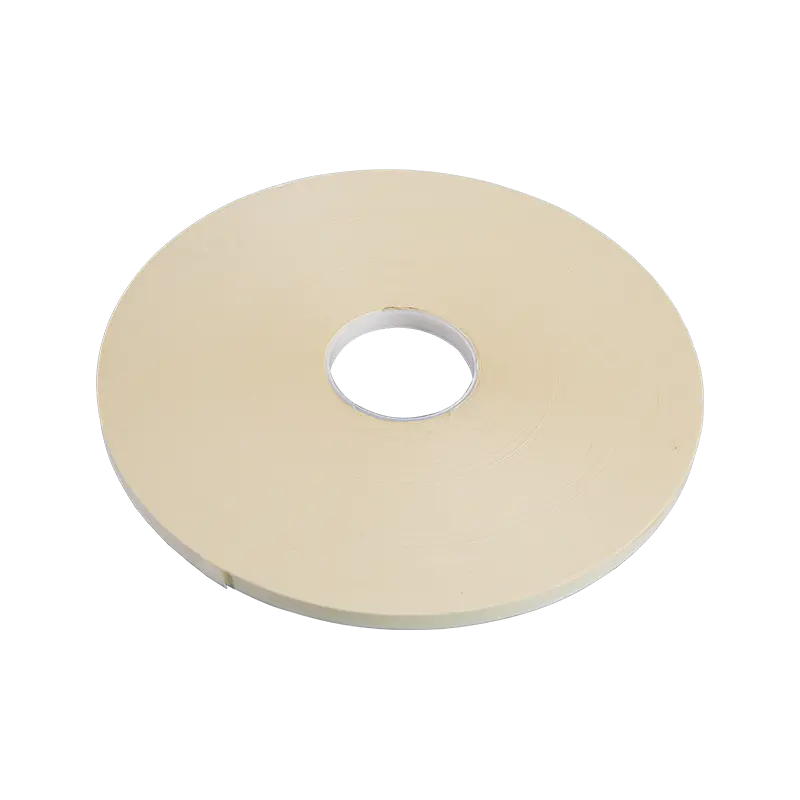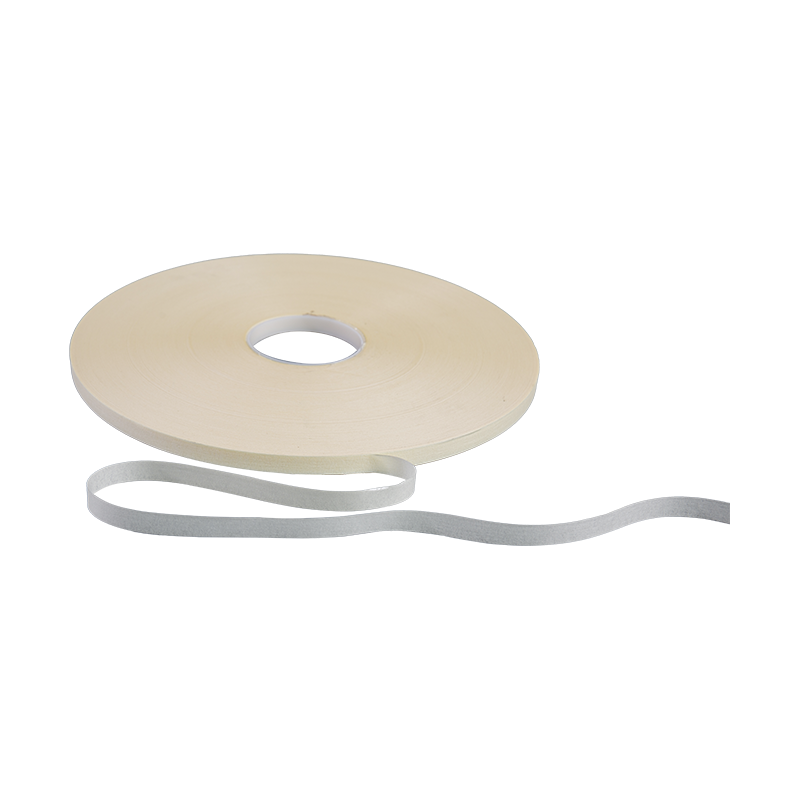
Electrolyte Retention and Distribution: The Electrolytic Capacitor Paper functions as both the dielectric spacer and the medium for holding electrolyte between the aluminum foils. The thickness of the paper is a critical factor because it determines the total volume of electrolyte that the paper can accommodate. Thicker paper can store more electrolyte, which is essential for capacitors designed to handle high ripple currents, extended operation at elevated temperatures, or high-load conditions. Sufficient electrolyte retention ensures that ionic conduction is maintained over long periods, reducing the likelihood of localized dry spots that could degrade performance. However, overly thick paper can increase the equivalent series resistance (ESR) and lower capacitance density per unit volume, so careful optimization is required to balance electrolyte retention with electrical efficiency.
Porosity of the paper controls the absorption and distribution of electrolyte throughout the capacitor winding. Highly porous paper provides extensive capillary pathways, allowing the electrolyte to penetrate uniformly across the dielectric surface. This uniform distribution is vital for consistent ionic conductivity and minimizes the formation of localized regions with insufficient electrolyte, which could create high-resistance areas or reduce effective capacitance. Low-porosity paper can hinder electrolyte penetration, impair conductivity, and result in uneven voltage stress across the dielectric, increasing the risk of early failure or performance degradation. Optimized porosity ensures that electrolyte is available precisely where it is needed, enhancing both operational efficiency and reliability.
Impact on Self-Healing Properties: Electrolytic capacitors possess a natural self-healing mechanism, allowing them to recover from minor dielectric breakdowns without permanent failure. The self-healing process relies on the presence of sufficient electrolyte at the site of the micro-short, where localized oxidation or vaporization restores insulation between the aluminum foils. The thickness and porosity of the capacitor paper directly influence this mechanism. Adequate thickness ensures that enough electrolyte is present to support the chemical reactions required for self-healing, while high porosity enables rapid and uniform distribution of the electrolyte to affected regions. If the paper is too thin or insufficiently porous, the local electrolyte may be depleted during breakdown events, reducing self-healing effectiveness and increasing the probability of permanent shorts or accelerated aging. Properly engineered paper enhances the capacitor’s ability to self-repair repeatedly, improving long-term reliability.
Thermal and Mechanical Considerations: The physical properties of the paper also affect thermal management and mechanical stability. During high ripple currents or transient overload conditions, heat is generated within the capacitor due to ionic movement and ESR losses. Thicker or highly porous papers can help absorb and distribute this heat more evenly, reducing hotspots that could degrade the dielectric or electrolyte. At the same time, high porosity can reduce mechanical strength if not properly engineered, making the paper more susceptible to deformation during winding or assembly. Therefore, capacitor designers carefully select paper with a balance of porosity and thickness that maximizes electrolyte retention and self-healing while maintaining sufficient tensile strength and mechanical robustness to withstand manufacturing stresses and operational vibration.
Optimization for Performance: In practice, the performance of an electrolytic capacitor depends on precisely optimizing paper thickness and porosity. Papers are engineered to ensure enough electrolyte is retained for high-current handling, uniform distribution for consistent conductivity, and effective self-healing in response to dielectric breakdowns. Advanced capacitor papers may undergo surface treatments or chemical impregnation to enhance affinity for the electrolyte, further improving retention and self-repair properties. By carefully controlling these parameters, manufacturers can produce capacitors with reliable long-term operation, stable capacitance, and low ESR even under demanding thermal, electrical, and mechanical conditions.

Copyright © Wuxi Wanfeng Protective Film Co., Ltd. All Rights Reserved.
 English
 русский