PACKING TAPE FIELD NOTES
A practical, plant-floor view of why this tape seals so quickly, where it stops making sense, and how to specify a roll that behaves the way your packing line expects.
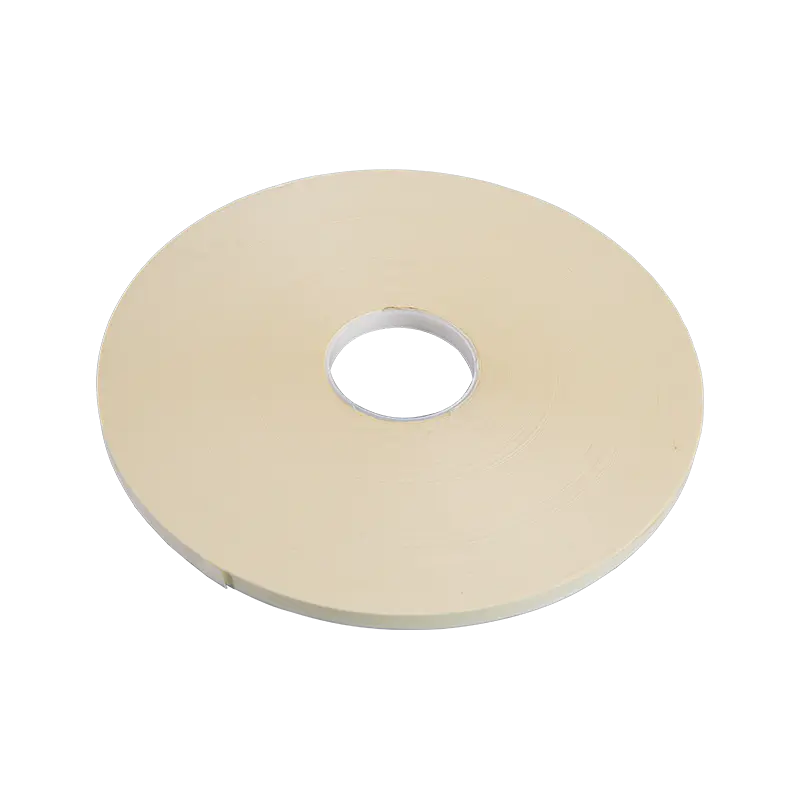
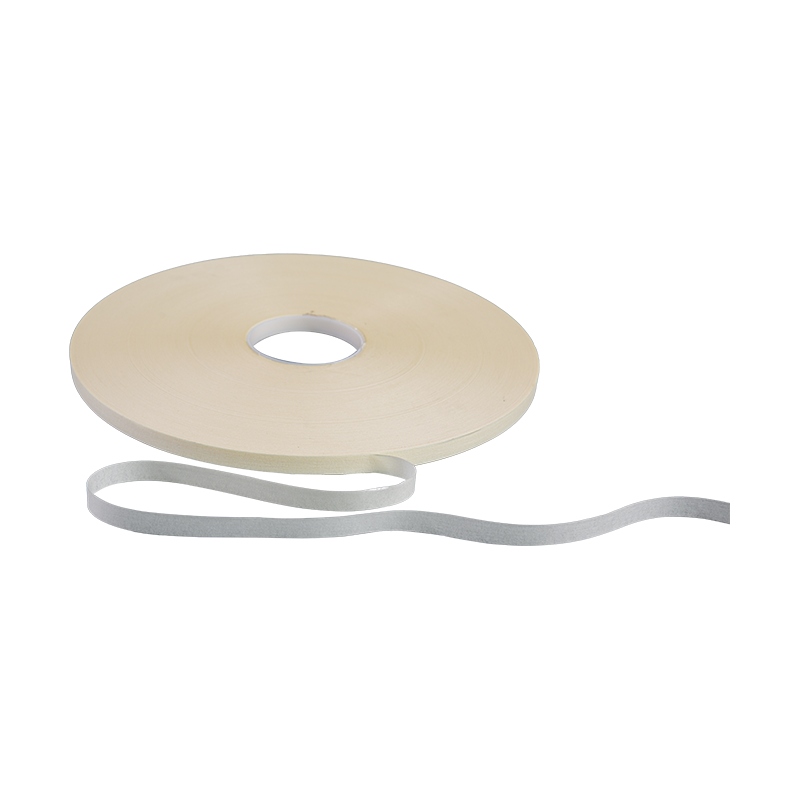
At first glance, non-reinforced hot melt packing tape looks like ordinary clear tape. The difference is in the adhesive and the backing. The backing is a film, usually BOPP, without the fiberglass strands you see in reinforced tape. The adhesive is a hot melt formulation, applied while molten and cooled to form a fast-grabbing bond. That combination gives you a tape that is thin, quiet, and quick to seal.
Because there is no reinforcement, this tape is not built to carry heavy loads like strapping. Its job is to close a carton and hold the flaps together under normal handling. For that job, hot melt adhesive earns its place: it tends to grab quickly, tolerate dusty or recycled board better than some acrylic tapes, and hold well in cool conditions. It is not magic. On a heavy box with poor board quality, no non-reinforced tape will replace a proper reinforced tape or strapping.
Speed is the first reason. A hot melt tape often bonds on contact, so a case sealer or hand dispenser does not need a long dwell time. That matters in e-commerce operations where a few seconds per carton add up over a shift. The second reason is appearance. Non-reinforced tape lays flat, looks clean, and does not show the glass filaments that some buyers dislike on retail-ready cartons. The third reason is noise. If you have ever stood beside a packing bench for eight hours, you know that quieter tape is not a small detail.
A good tape cannot fix a bad carton. It can only seal the carton you actually have.
Hot melt also has a practical advantage on recycled corrugated. The surface can be dusty, fibrous, or slightly uneven. A high-tack hot melt adhesive often bites into that surface faster than a pressure-sensitive acrylic adhesive. It is not a guarantee, because board quality still matters, but it can reduce the fiddle factor on the line.
Use the table below as a quick fit check. It is not a specification sheet, but it will keep you from asking a carton-sealing tape to do a strapping tape’s job.
| Packing situation | Fit | Why |
|---|---|---|
| E-commerce cartons, light to medium | Good | Fast tack, clean finish, quiet unwind |
| High-speed case sealing | Good | Hot melt adhesive grabs quickly |
| Recycled or dusty corrugated | Usually good | High initial tack can handle imperfect board |
| Heavy industrial boxes | Limited | No reinforcement for load-bearing closure |
| Bundling pipes or pallets | Poor | Use strapping or reinforced tape instead |
| Long-term outdoor storage | Limited | Heat and sun can soften the adhesive |
Two notes are worth pinning above the packing bench. First, non-reinforced hot melt tape is a closure tape, not a load-bearing strap. Second, storage matters. Heat and direct sun can soften the adhesive and make the roll harder to unwind cleanly.
Most tape selection problems come from buying on price per roll and ignoring how the tape behaves in the dispenser. A few practical checks will get you close.
If you are comparing constructions, our tape range gives you a practical starting point. The right roll should feel controlled in the dispenser, seal without excessive pressure, and remove cleanly when the carton is opened.
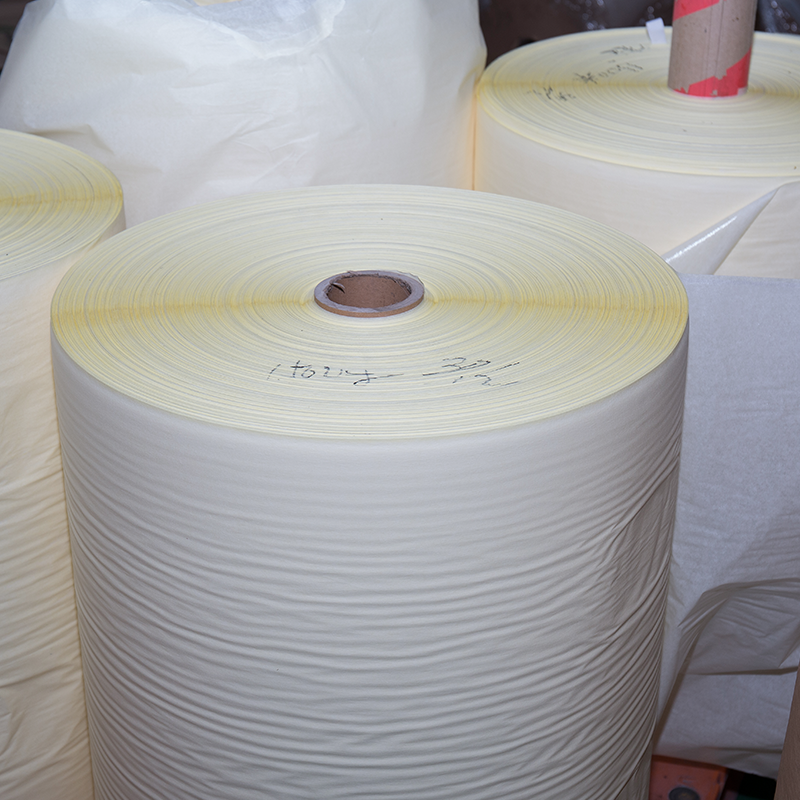 Hot Melt Tape for Electronic Component TapingMasking-paper tape with natural latex adhesive, intended for electronic-component taping and packaging uses that need quick adhesion and moisture resistance.View Product →
One more thing: do not assume thicker is always better. A thicker film can add strength, but it can also fight a dispenser or cost more than the carton needs. Match the tape to the board, the load, and the sealing method. That is the whole game.
Tape is only one part of a seal. The carton board, the flap alignment, the dispenser, the operator’s technique, and the tape all work together. A tape with great initial tack will still fail if the flaps are not square or if the board is damp. A perfectly good carton will still look messy if the dispenser is set wrong.
The best tape in the world cannot square a crooked flap.
Walk the line before you blame the tape. Check that the carton is dry, the flaps meet cleanly, the dispenser is loaded correctly, and the tape is centered on the seam. On automatic case sealers, confirm that the tape is not being stretched too far or pressed too hard. On hand dispensers, make sure the roll is the right width and the brake is set sensibly.
Non-reinforced hot melt tape is excellent at closing cartons. It is not the right tool for every job. If you need high tensile strength, cut resistance, or load-bearing reinforcement, choose a reinforced tape. Those products carry fiberglass strands that add strength across the width of the tape. They are a better fit for heavy boxes, bundling, and applications where the tape may be pulled or nicked.
For everything else, non-reinforced hot melt tape is often the more economical and better-looking choice. If you are unsure, test both on your actual carton. The packing line will tell you more than a brochure.
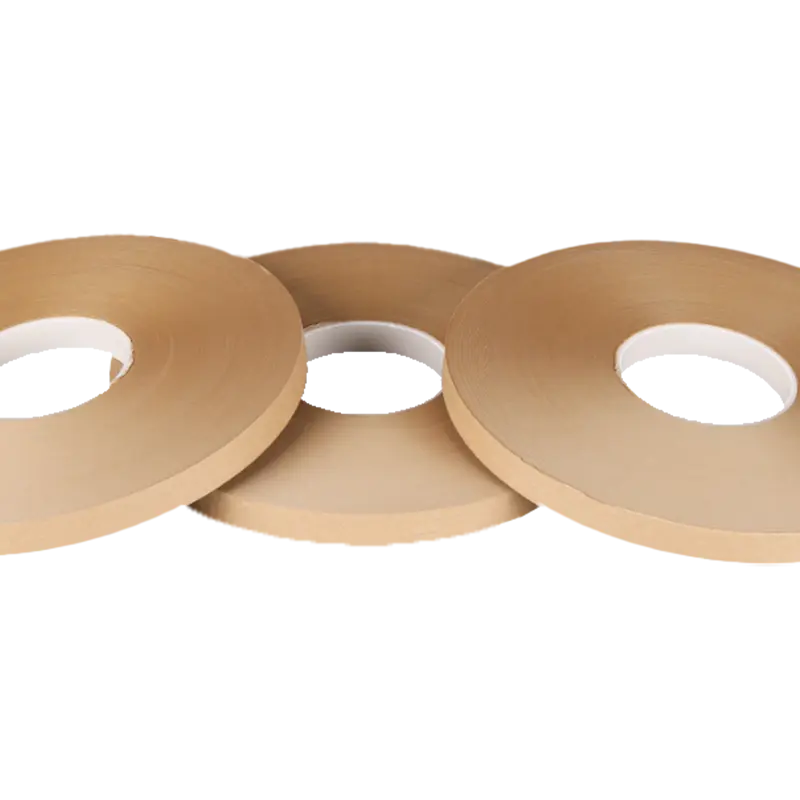 Tape Range for Electronics, Insulation, and PackagingBrowse cold-pressed, hot-melt, PI, electrolytic-capacitor paper, and masking tapes for component, insulation, and packaging uses, with options for different sealing and protection needs.View Product →
Packing tape is the last thing a customer sees, but it is not the only protective material in the box. At Wanfeng, we have been making protective films and tapes since 1989, and we have seen how often a clean carton seal is only half the job. The other half is making sure the product inside arrives without scratches, scuffs, or residue.
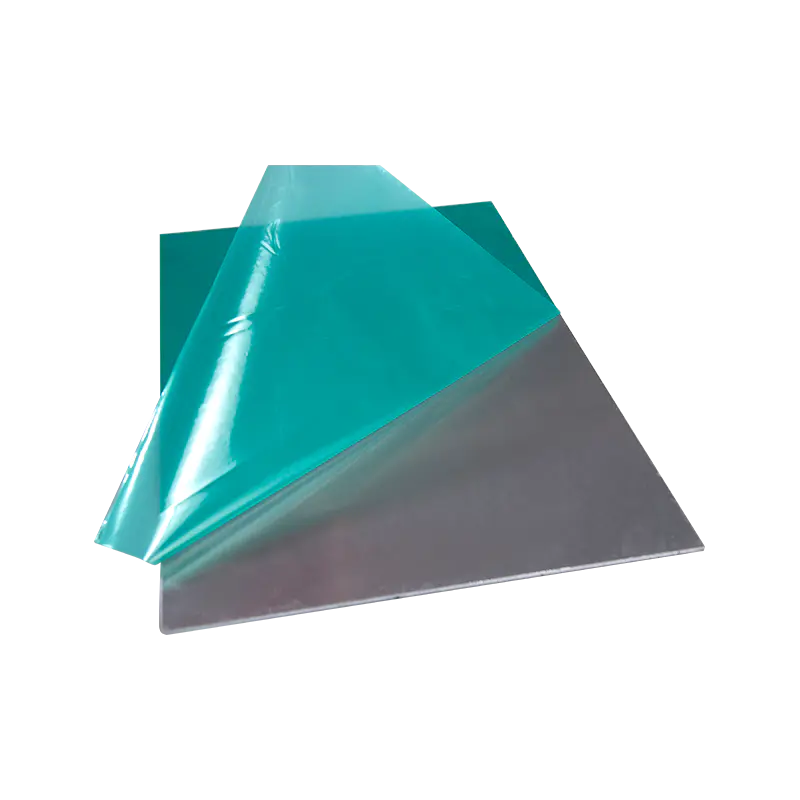
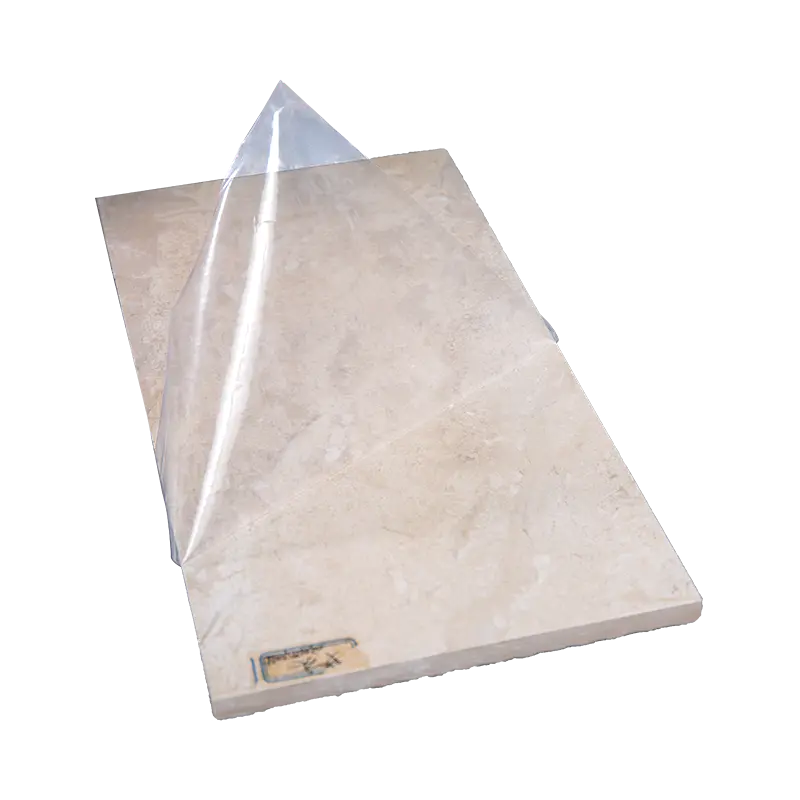
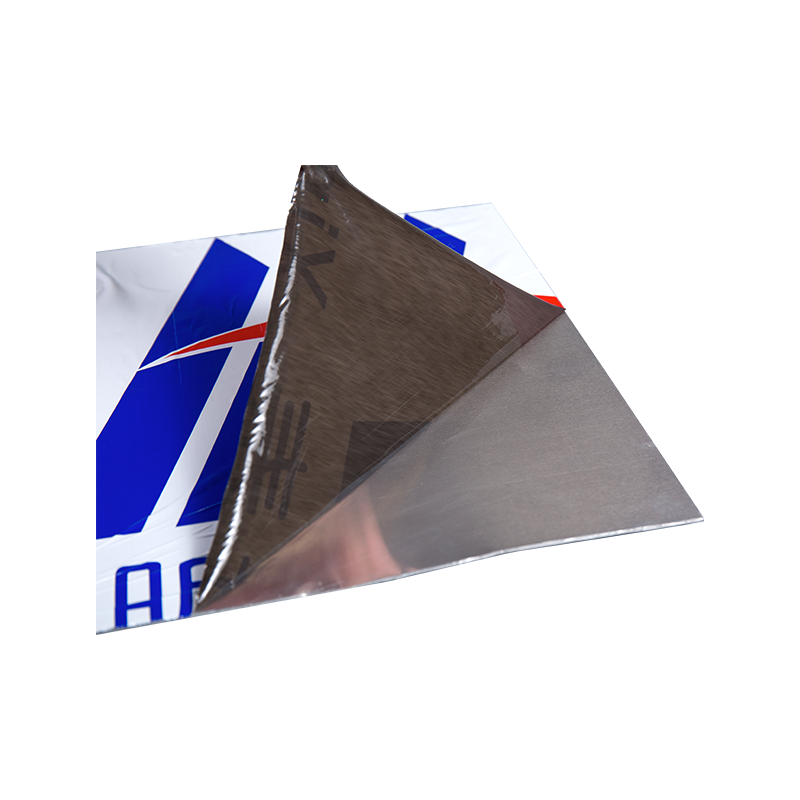
For aluminum sheets, aluminum profiles, stainless steel, glass, acrylic, marble, and painted metal, a temporary protective film can do what tape cannot: shield the surface itself during handling, storage, and installation. If you are shipping high-value panels or parts, it is worth matching the carton closure with the right surface protection.
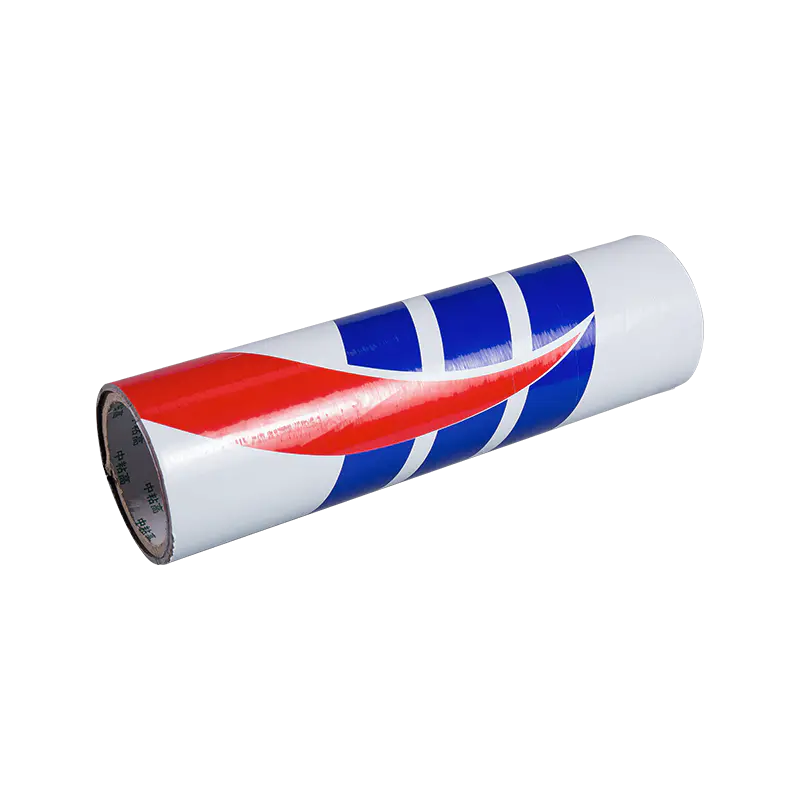
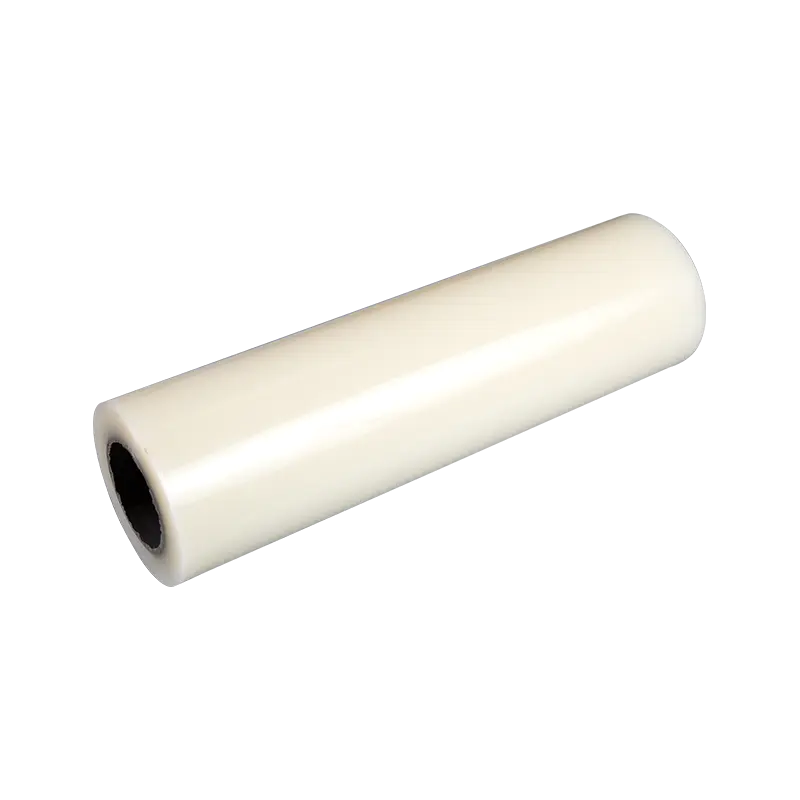
Explore our protective film range if you need to protect the product as well as the carton.
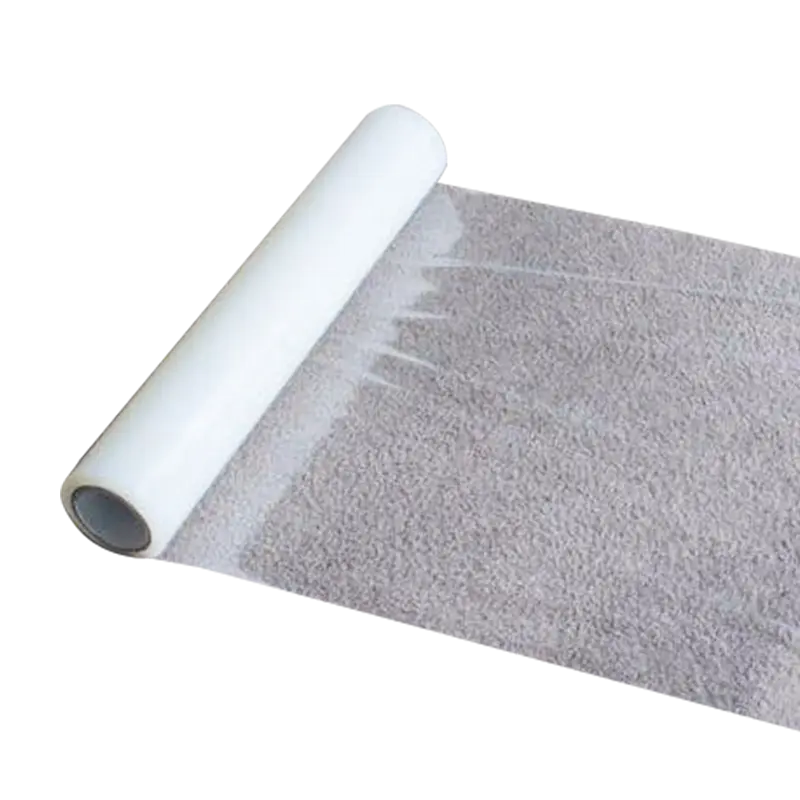
 Temporary Protective Films for Surfaces and FloorsPE protective films for aluminum, glass, stainless steel, carpets, and floors, including removable, residue-free, flame-retardant, and anti-slip options for temporary surface protection.View Product →
Not every shipment needs both. But when it does, the right combination should feel simple: a tape that seals cleanly and a film that removes cleanly. That is the standard we work toward.
Non-reinforced hot melt packing tape is not a luxury product. It is a practical, fast-sealing tape for the right carton, the right board, and the right line speed. Choose it for clean e-commerce cartons, light to medium loads, and operations where quick tack and a quiet seal matter. Do not ask it to replace strapping or reinforced tape on heavy loads.
If you are comparing options, start with the carton, not the catalog. Test a roll on your actual board, at your actual speed, with your actual dispenser. Then check the seal after handling. The tape that still looks clean and holds firm at the end of the line is the right one for you.

Copyright © Wuxi Wanfeng Protective Film Co., Ltd. All Rights Reserved.
 English
 русский