Tape Selection Guide
Both will close a carton. Only one will still be holding it shut a year later, and nothing on the outside of the roll tells you which.
We have been coating and converting film and tape since 1989, and in that time one pattern has repeated itself in almost every conversation about adhesive choice: the question is rarely about the adhesive itself. It is about the ninety days between packing and opening. It is about the pallet that sits on a loading dock through a July afternoon, or the box that arrives at a customer's door already soft at the seams.
So when someone asks us to compare hot melt tape with acrylic tape, we usually start somewhere else entirely, with what happens to the box after it leaves the line. Once that part is clear, the adhesive question tends to answer itself.
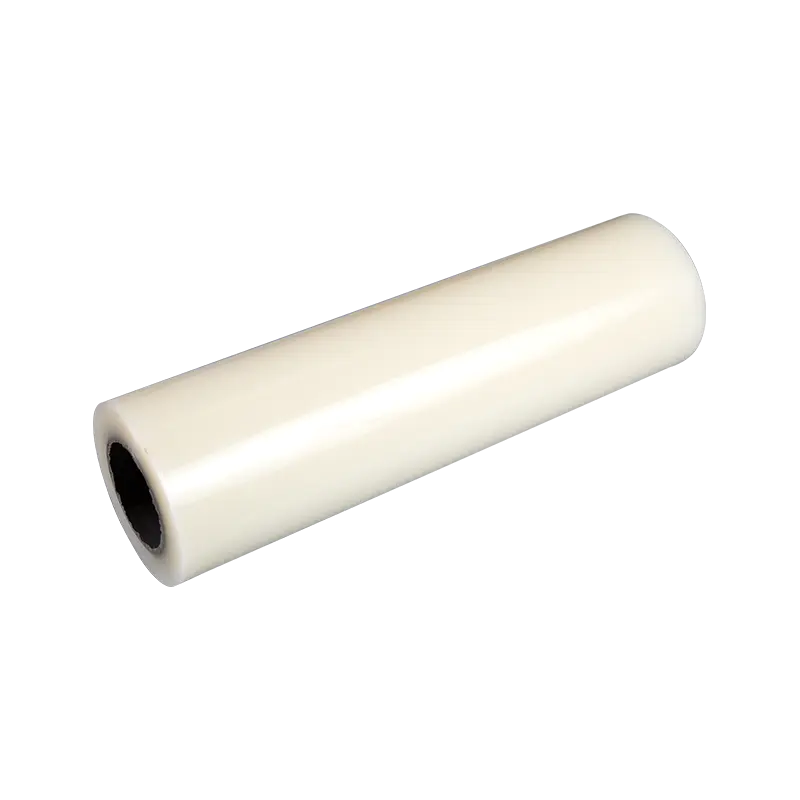
Both are pressure-sensitive tapes, and in packaging both are usually built on the same biaxially oriented polypropylene film. From the outside they look identical: same gloss, same width, same core, same colour. The difference lives in a layer thinner than a human hair.
Hot melt adhesive is a thermoplastic blend of rubber and resin. It is applied to the film while molten, cools within seconds, and settles into a tacky, slightly elastic layer. Acrylic adhesive is a polymer, often coated as a water-based emulsion and then dried through an oven, that bonds through a different mechanism and, crucially, ages in a different way.
That single material difference produces two very distinct personalities on a packing bench. Most of the confusion in this comparison comes from expecting one tape to behave like the other, or from testing them for five minutes and assuming the result will still hold in five months.
Hot melt is the tape you notice immediately. Its initial tack is high, which means it grabs on contact and holds even when an operator applies it quickly, at an angle, or with less pressure than the manual recommends. That grab is especially valuable on recycled corrugate, where dust, short fibres and an uneven surface can defeat a milder adhesive.
It is also a strong performer in the cold. Where other adhesives stiffen and lose their grip near freezing, hot melt keeps enough flexibility to seal cartons in a chilled room or an unheated warehouse in the middle of winter.
What it does not do well is time. The rubber-resin chemistry is vulnerable to oxidation and ultraviolet light, so over months the adhesive can yellow, lose cohesion and lift at the edges. Sustained high heat softens it in much the same way, which is why a pallet stored under a metal roof in summer is not where hot melt shines.
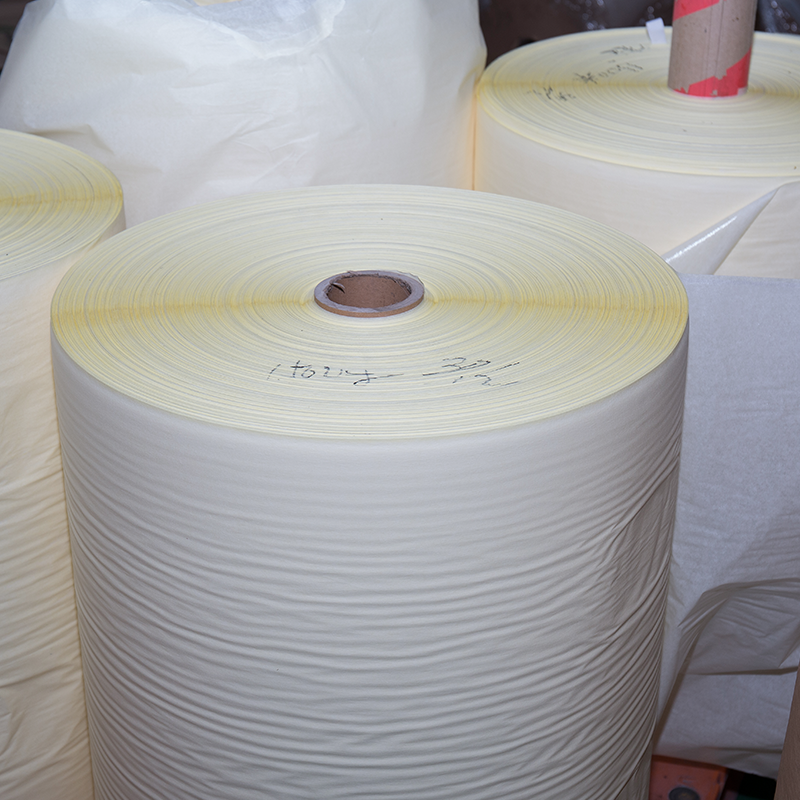 Hot Melt Tape for Packaging and ElectronicsMasking-paper tape with natural latex adhesive, offering quick adhesion for high-speed packaging and electronic component applications; useful when comparing adhesive families.View Product →
If your converting or packaging process also uses other adhesive families, our note on how hot melt tape differs from pressure-sensitive tape is a useful companion read before you commit to a specification.
Acrylic is the quieter tape. It usually feels less aggressive on first touch, because its bond builds over time and with pressure rather than grabbing instantly. Give it a firm rub-down and a few hours, and it develops a remarkably stubborn hold that is difficult to peel cleanly.
Its real advantage is durability. Acrylic polymers resist oxidation and UV far better than rubber-resin hot melts, which is why acrylic tapes are the usual choice for pallets that will sit in a yard, boxes that may be stored for months, and cartons that have to survive a long sea freight without a climate-controlled container.
The trade-off sits at the two extremes. On very dusty or heavily recycled board, acrylic sometimes needs a heavier coat weight or a wider strip of tape to match what hot melt achieves in one pass. And while modern acrylics handle cold reasonably well, the very lowest temperatures still favour hot melt's flexibility.
Here is the version we sketch on the back of a delivery note when a customer needs a fast answer. Treat it as a starting point for a trial, not a replacement for one.
| Property | Hot melt tape | Acrylic tape |
|---|---|---|
| Initial tack | Very high, grabs on contact | Moderate, builds with pressure |
| Long-term aging and UV | Yellows, can lift at edges | Stable over months or years |
| Sustained high heat | Softens and loses shear strength | Holds up noticeably better |
| Cold conditions | Excellent flexibility | Good, with limits at extremes |
| Recycled or dusty board | Strong wet-out and grab | May need more pressure or width |
| Unwind noise | Louder | Quieter |
| Residue on removal | Can transfer under heat | Cleaner release |
| Typical cost per roll | Higher | Lower |
If cartons are sealed below roughly 5°C, hot melt is generally the safer bet. The adhesive stays flexible where acrylics have stiffened, and the bond forms quickly enough that a chilled box does not need to be held in place or re-pressed by hand.
Anything that will sit in a yard, on a dock or inside a non-insulated container for weeks belongs with acrylic. Heat and UV are exactly what break a rubber-resin adhesive down, and acrylic simply does not share that weakness.
The tape that fails is rarely the tape that looked weak on day one. It is the tape that was still expected to perform on day three hundred.
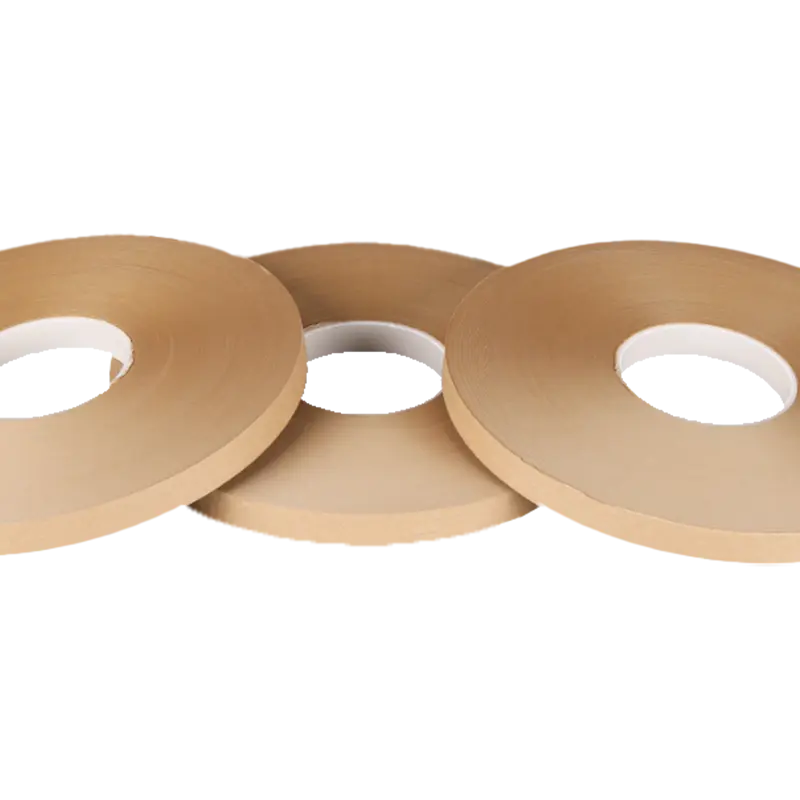
Not every bond calls for a film-backed packaging tape. Where a strong paper backing, high tensile strength and clean tearing matter, a kraft-based construction does a better job than either adhesive type above.
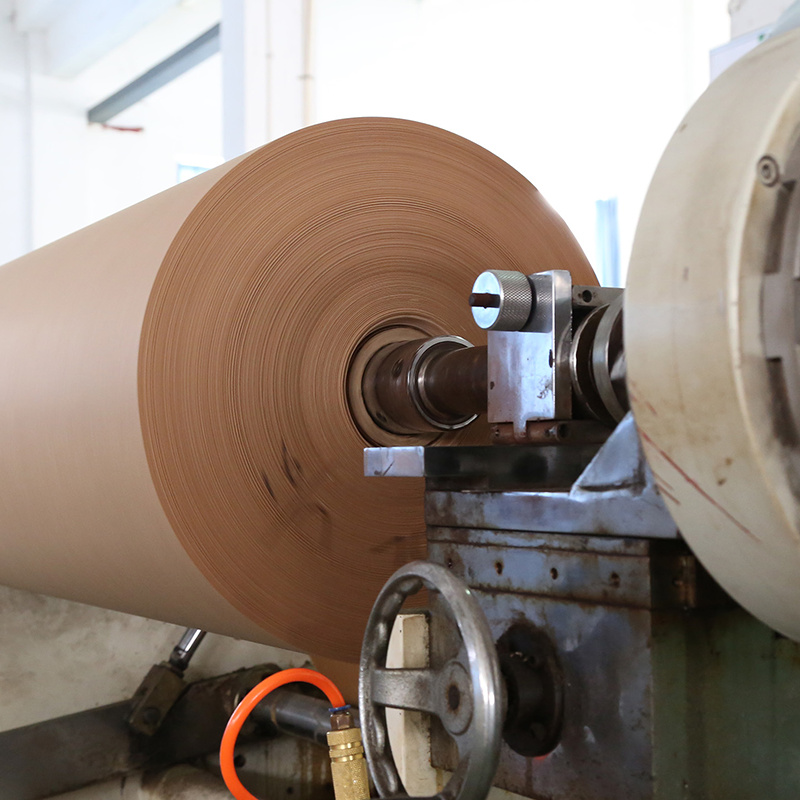 Kraft-Paper Cold Press Tape for Capacitor MaskingKraft-paper tape with natural latex primer for room-temperature cold-press bonding, clean removal, and masking in capacitor and gold-spraying applications.View Product →
Inside a reflow oven or a masking step at 260°C, neither packaging adhesive is relevant. That is the territory of polyimide film tapes, where dimensional stability and clean removal at temperature matter more than tack.
 Heat-Resistant Polyimide Tape for PCB and Motor InsulationPolyimide tape with 230°C resistance for 24 hours, high insulation, and clean removal for PCB solder masking and motor insulation.View Product →
Shelf life is where the two adhesives diverge in a way that procurement teams feel directly. A hot melt roll is typically at its best within twelve months of production, and its performance curve falls away faster if the roll has been stored warm. Acrylic rolls comfortably tolerate two or three years in the same conditions.
For both types, the enemies are the same: direct sunlight, heat above roughly 30°C, high humidity and physical pressure on the roll edge. Store rolls flat or on end in the original wrap, away from south-facing windows and away from the compressor that heats the back corner of the warehouse. Rotate stock on a first-in, first-out basis, and write the production date on the carton if the supplier has not already done so.
A roll that has been sitting in a hot warehouse for eighteen months may still look perfect and still fail on the line. If a batch behaves oddly, test a fresh roll before you blame the operator, the machine or the corrugate.
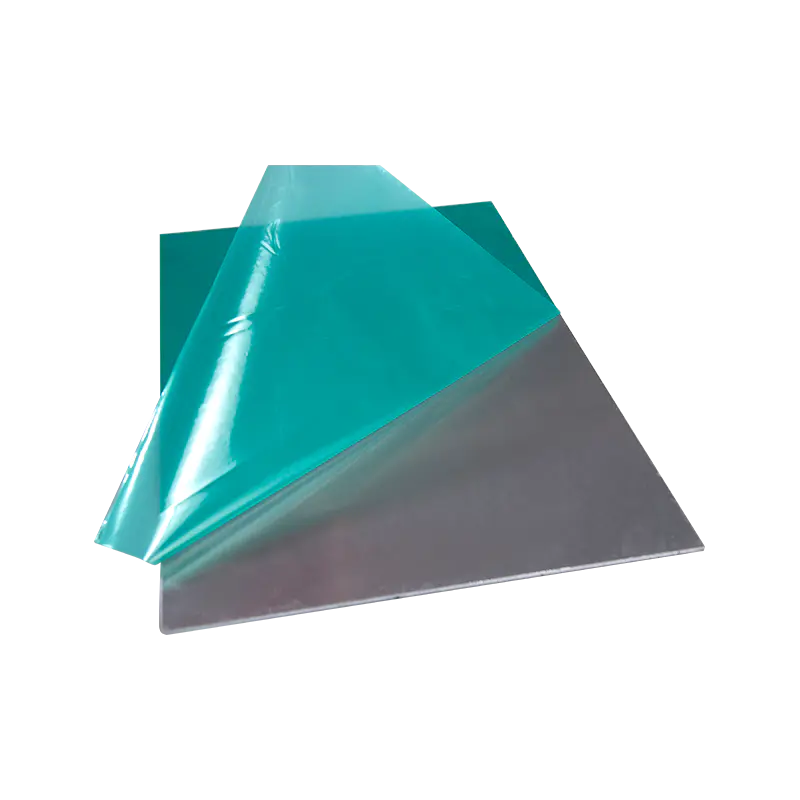
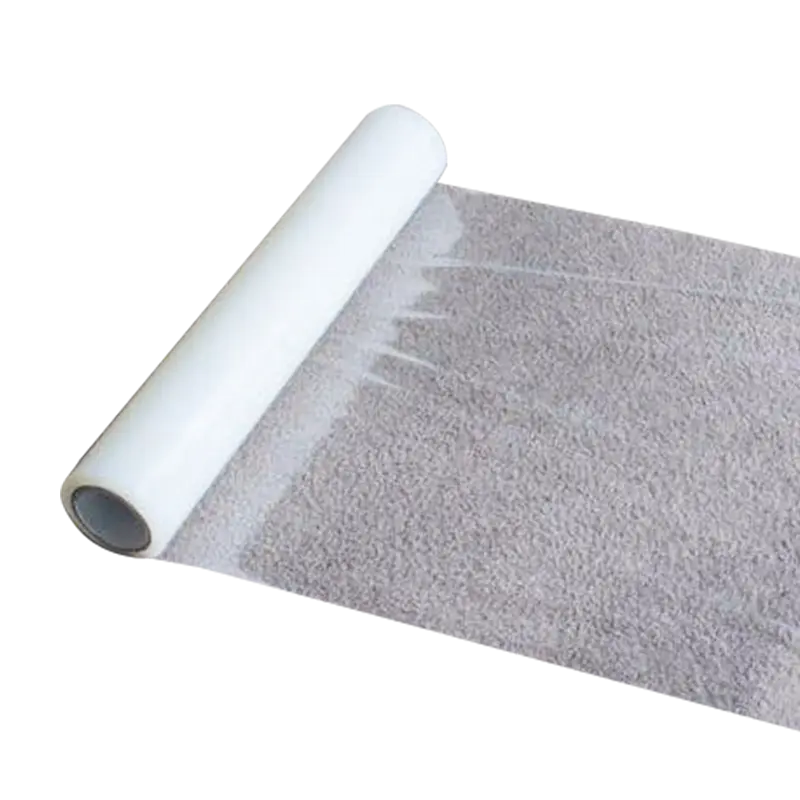
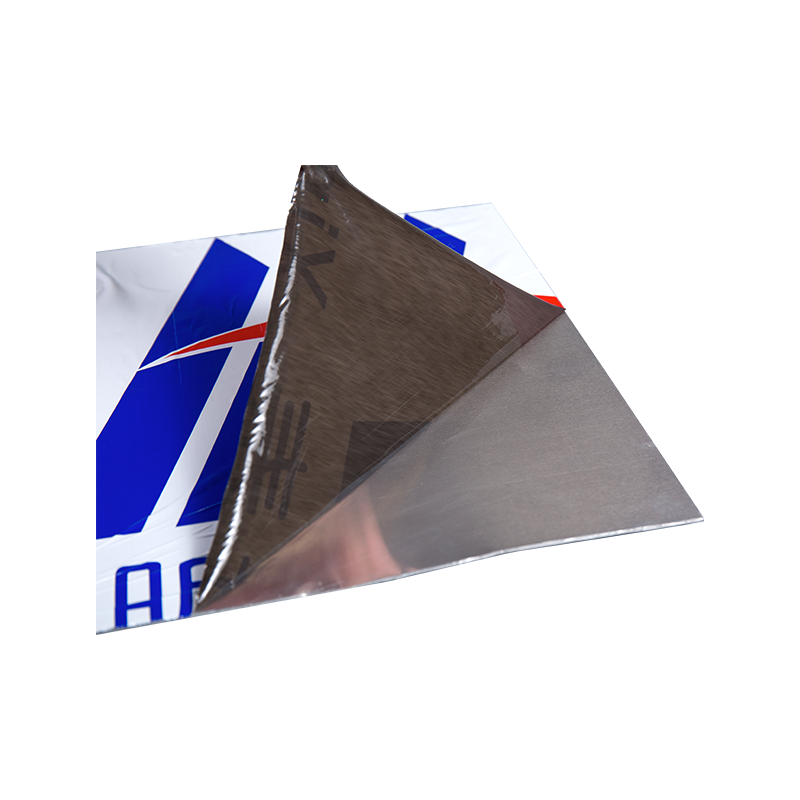
Tape rarely travels alone in a factory. The same metal sheet that gets taped into a bundle usually carries a temporary protective film on its finished face, and the two products have to be compatible: an adhesive that plasticises the film beneath it, or a film that leaves residue when the tape is pulled, will cost more in rework than either product saved at purchase.
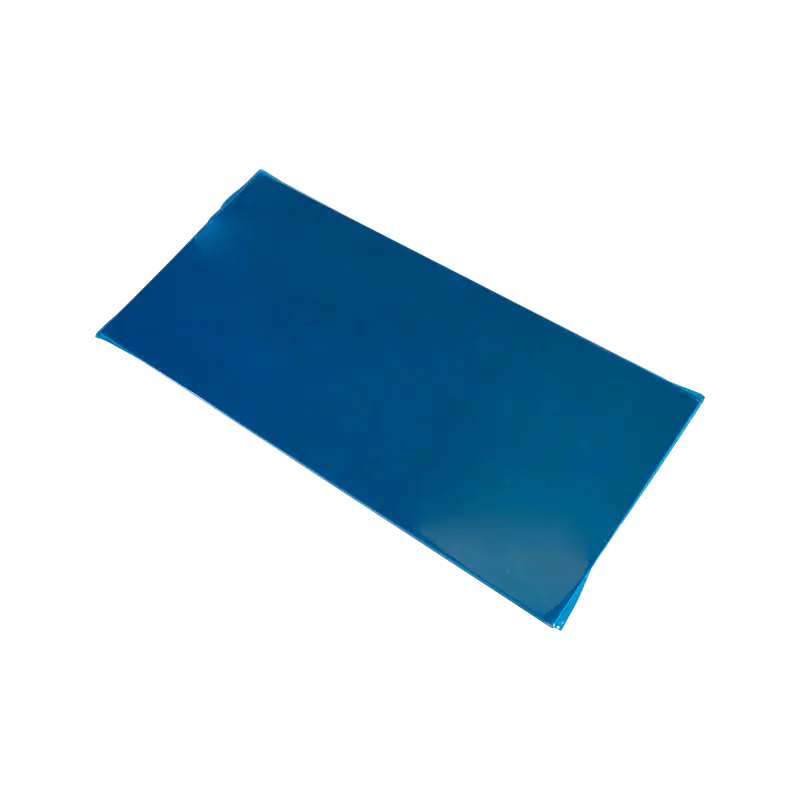
For aluminium, stainless and coated steel, we usually recommend matching the tape's adhesive chemistry with a PE protective film for metal sheets from the same supplier, so that peel strength, dwell time and removal window are specified together rather than guessed at separately.
This is the practical reason we prefer to talk about the whole protection stack rather than a single roll. A carton tape, a masking tape and a surface film all sit on different substrates, but they share the same failure mode: they are judged six weeks later, on somebody else's loading dock.
Before you place the next order, run through these five questions. They take ten minutes and usually settle the argument.
Changing adhesive chemistry mid-season is a specification change, not a purchasing decision. Run a trial on at least one full pallet, store it under real conditions, and check it at the interval that matters to your customer, not the interval that fits the trial schedule.
Hot melt tape and acrylic tape are not competing answers to the same question. They are two answers to two different questions, and the one you choose should follow from the life your carton is going to live rather than from the price on the pallet.
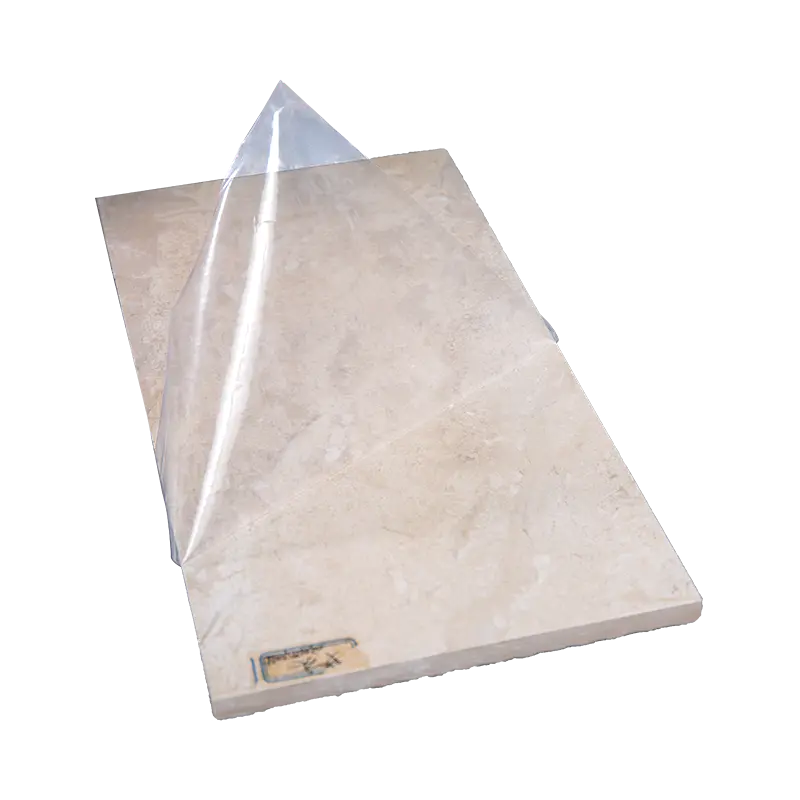
If speed, cold and difficult surfaces dominate, hot melt earns its cost. If time, sunlight and stored goods dominate, acrylic quietly does the work. And if you are sealing a carton that is protecting a finished metal, glass or stone surface, the adhesive on the outside is only half the story.
After more than three decades of supplying protective film and industrial tape into automotive, electronics and building-material supply chains, we still start every recommendation with the same sentence: tell us what happens to the product after it leaves your building. Everything else is detail.

Copyright © Wuxi Wanfeng Protective Film Co., Ltd. All Rights Reserved.
 English
 русский