Packaging Materials — Technical Buyer's Guide
Clear Hot Melt Packing Tape: What It Is, When to Use It, and How to Buy It
Fast carton sealing, strong grip, lower cost than acrylic — but only if you respect the working temperature. This guide shows where clear hot melt tape fits and what to verify before you order.
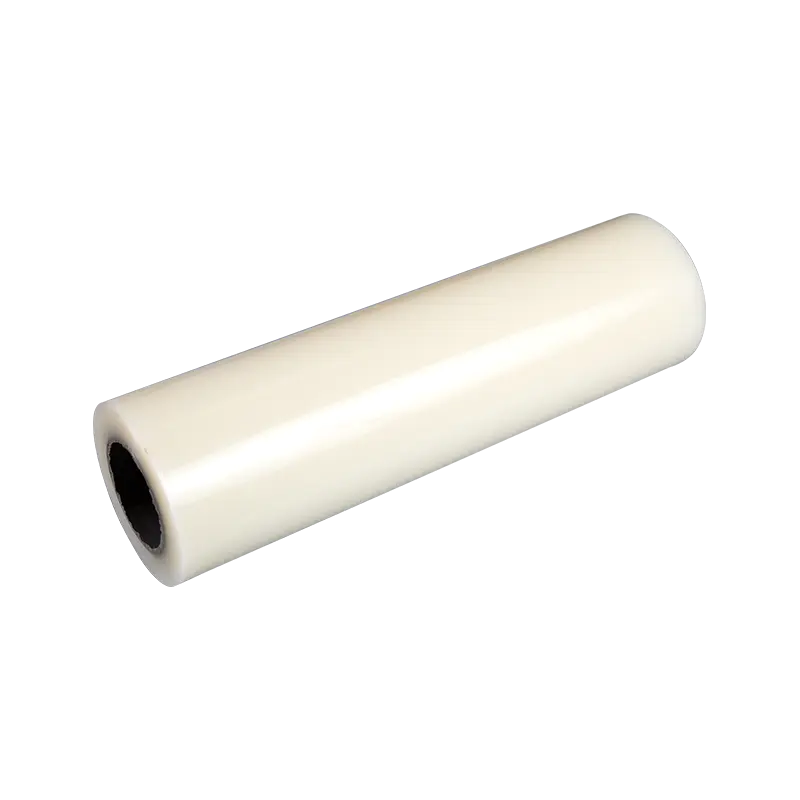
Two rolls of clear packing tape sit on a workbench, and they look identical. Both have a glossy polypropylene film and a faint amber layer of adhesive underneath. One is a hot melt tape, the other an acrylic tape. The line operator cannot tell them apart, yet the cartons they seal behave differently. For fast, dependable carton sealing, clear hot melt packing tape is usually the better value. It bonds on contact, holds through warehouse stacking and transit, and costs less than an acrylic tape of the same look. What you trade away is cold tolerance and resistance to long sun exposure. Understood in advance, that trade-off makes the choice simple.
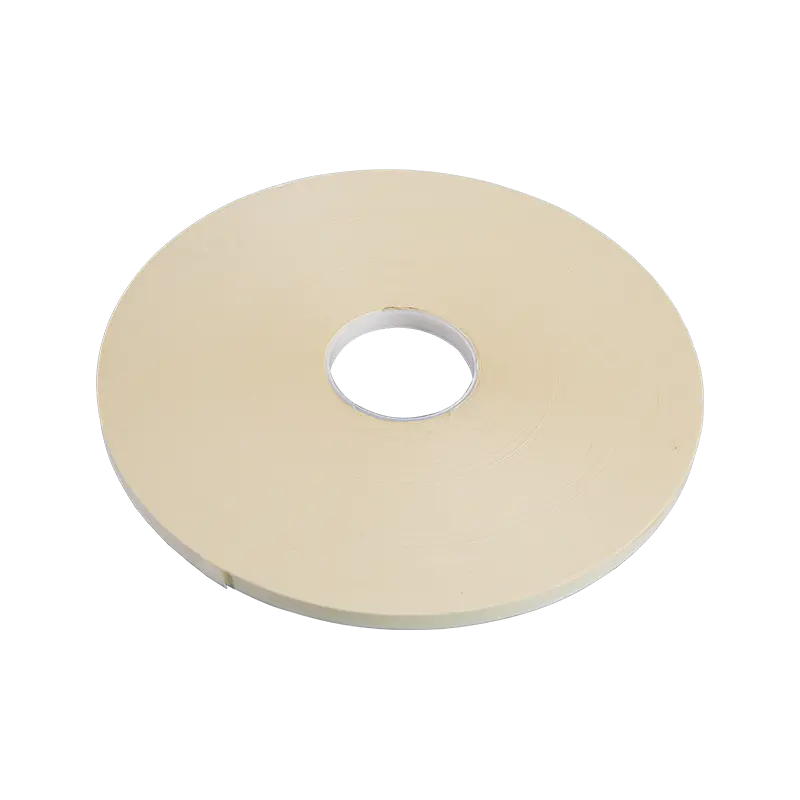
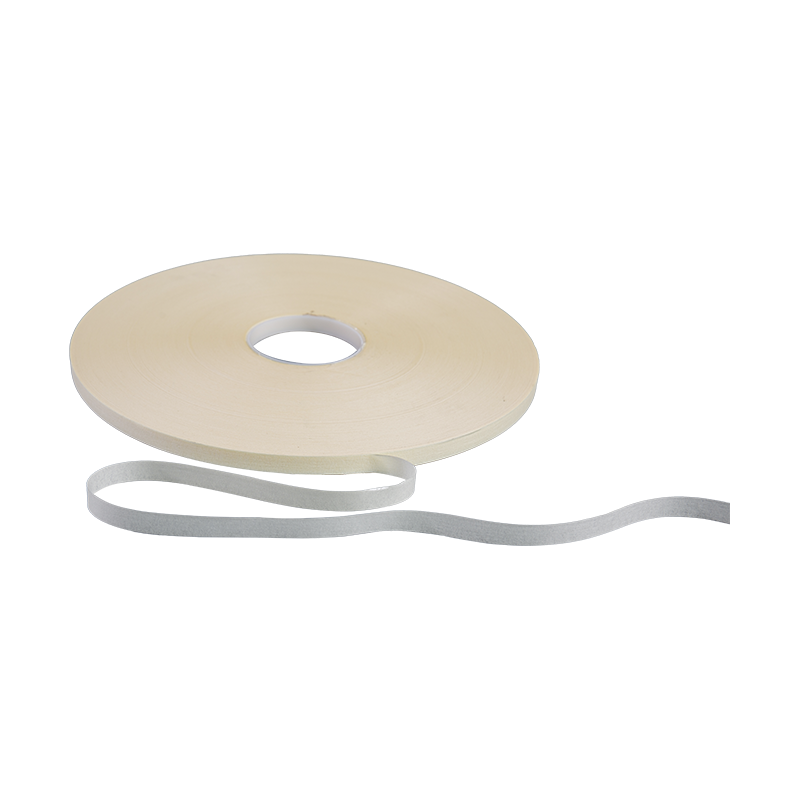
Clear hot melt packing tape starts with a biaxially oriented polypropylene (BOPP) film, typically 22 to 28 microns thick, coated with a synthetic rubber-resin adhesive. The adhesive is applied hot, in a molten state, then cooled into a permanently tacky pressure-sensitive layer. "Hot melt" describes how the adhesive is made and coated, not how the tape is applied — carton sealing needs pressure, not heat.
Two features explain why the clear version is so widely used. First, clarity: printed cartons, shipping labels, and barcodes stay readable under a transparent film, which is why e-commerce and retail operations prefer it to tan tape. Second, instant grab: the hot melt adhesive develops a usable bond in the first fraction of a second of contact. On an automatic case sealer, the flap stays closed without a long compression section, and the carton can move down the line immediately.
Acrylic packaging tape also uses a clear BOPP film, and at a distance the two products are nearly indistinguishable. The difference lies in the adhesive chemistry and the way it behaves on a cardboard flap. The table below summarizes the practical points of comparison.
| Property | Clear Hot Melt Tape | Clear Acrylic Tape |
|---|---|---|
| Adhesive base | Synthetic rubber and resin hot melt | Water-based acrylic polymer |
| Initial tack | High — bonds almost instantly | Low to moderate — needs pressure and dwell time |
| Bond after 24 hours | Strong peel and shear on corrugated board | Very strong once cured |
| Application temperature | About 10 °C to 40 °C | About -20 °C to 60 °C, depending on grade |
| UV and outdoor aging | Fair — avoid long direct sunlight | Good — better color and bond retention |
| Typical price position | Lower | Higher |
| Best matched to | Fast lines, recycled board, retail boxes | Long storage, temperature extremes |
Treat this table as a decision map, not a specification sheet. A hot melt tape with a heavy coating can outperform a light acrylic on dusty recycled board, while a premium acrylic will stay flexible in a cold warehouse where the same hot melt tape goes stiff. The only honest test is your own box, your own line speed, and your own storage area.
A packing tape either bonds on contact or it slows the line down. There is no third option that saves money.
The choice is never about the brand. It is about matching the adhesive to the box, the climate, and the speed of your line.
Clear hot melt tape is the workhorse of carton sealing. It earns its place in a few well-defined situations:
Because every tape looks the same from a distance, buyers tend to compare price per roll. That is the wrong unit. The unit that counts is price per successfully sealed carton, and it depends on details you cannot see in a product photo.
Buying clear hot melt tape in volume is not the same as picking up a few rolls from a distributor. When the order goes directly to a factory that coats its own adhesive, you can specify film thickness, coating weight, core size, and unwind direction, and the tape is made to that request rather than selected from stock.
A manufacturer with its own coating line can also react to a performance problem, because the formulation is under its control. Wuxi Wanfeng produces its tapes in-house; the hot melt tape range uses a synthetic rubber-resin adhesive on clear film and is built for carton sealing and similar packaging work.
Incoming material testing and batch-level checks keep the product consistent, which matters when a fulfillment network cannot tolerate drift between orders. And if clean removal from a carton is one of your criteria, the conditions that allow residue-free release from a hot melt tape are worth a read before you finalize the specification.
The bottom line is direct. Clear hot melt packing tape is the fastest, most economical way to keep a cardboard flap closed when your packing area is at a reasonable temperature and the carton will not sit in direct sunlight for months. Buy from a manufacturer that can tell you the film thickness, coating weight, and splice count, then let the sample roll do the talking.

Copyright © Wuxi Wanfeng Protective Film Co., Ltd. All Rights Reserved.
 English
 русский