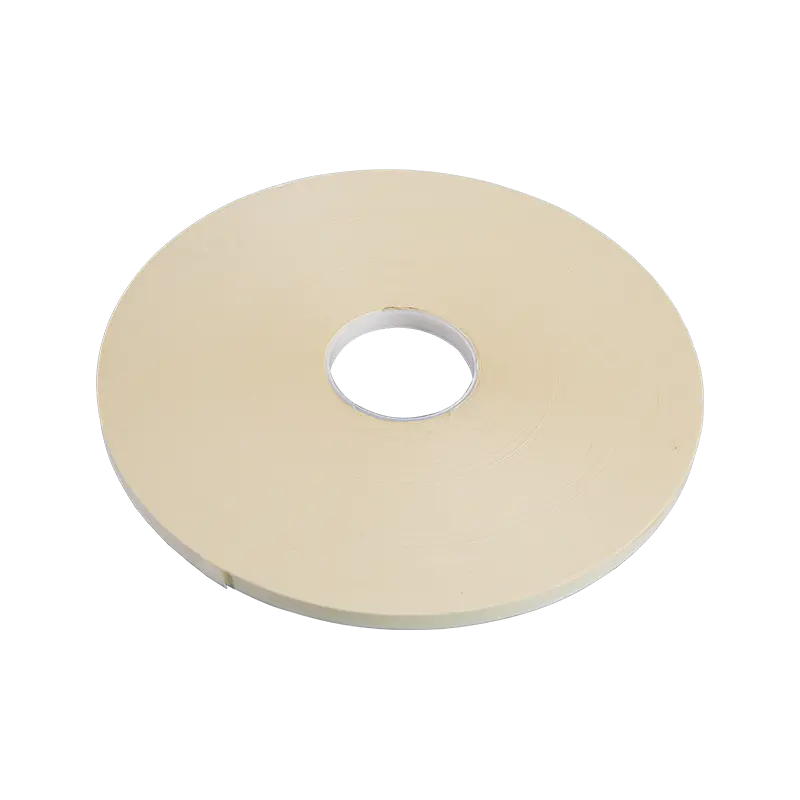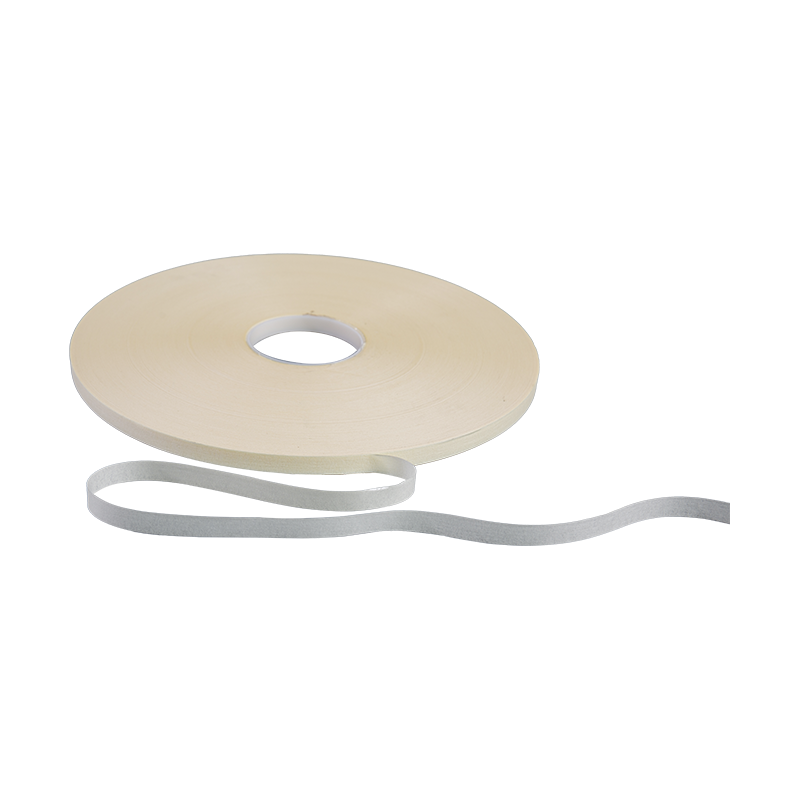
Adhesive Tape Basics
Does Hot Melt Tape Need to Be Heated? The Straight Answer for Industrial Users
The name says "hot," but the application method is entirely cold. Here is why hot melt tape bonds at room temperature, how it differs from heat-activated tape, and when heat genuinely belongs in your process.
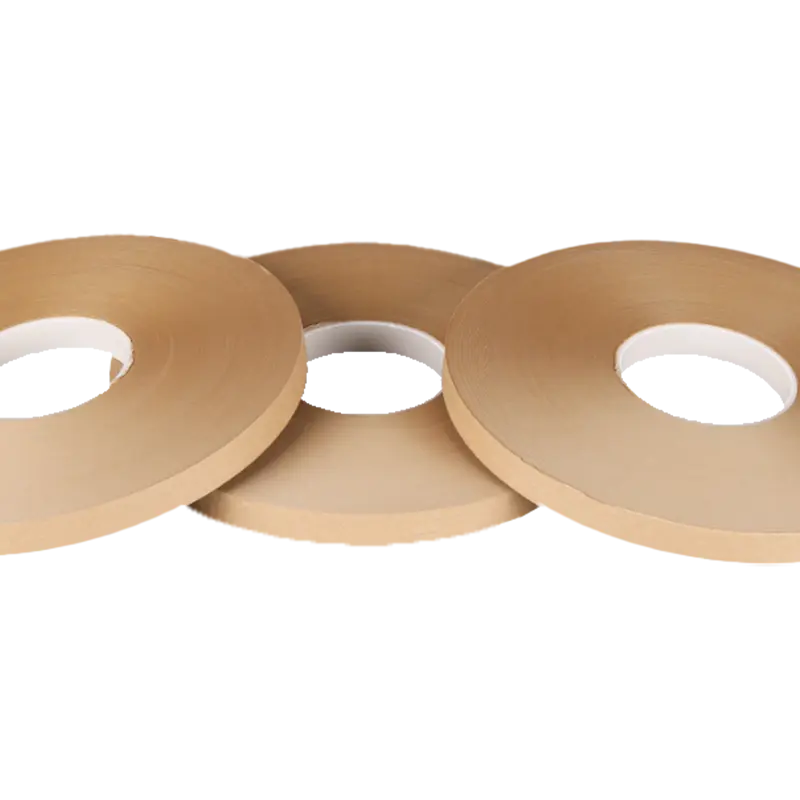
You have a roll of hot melt tape in one hand, a packaging line waiting behind you, and a single practical question: do I need to heat this tape before applying it? The answer is no. A standard hot melt tape is a pressure-sensitive product, engineered to form a strong bond when it is pressed onto a clean, dry surface at room temperature.
The word "hot" describes the adhesive's manufacturing history, not an instruction for the operator. Hot-melt adhesive is heated into a fluid state so it can be coated onto a backing, then cooled back into a solid, tacky layer. The tape you receive is ready to work the moment it leaves the roll.
During production, hot-melt adhesive — typically based on EVA, block copolymers, or polyolefin resins — is heated to roughly 120–200°C and coated onto paper, film, or cloth carriers. Once cooled, the adhesive layer stays soft enough to wet a surface under pressure, but it never needs to be melted again. The finished tape behaves like a classic pressure-sensitive adhesive: touch it to a substrate, apply pressure, and the bond begins forming immediately.
That is exactly why hot melt tape is a staple on packaging, splicing, and bundling lines. No applicator machinery. No warm-up time. No waiting for a heat source. You unroll, cut, press, and move on.
Hot melt describes how the tape was made — not how it is meant to be used.
The trade-offs matter as well. Hot-melt pressure-sensitive tapes deliver high initial tack and strong peel adhesion out of the box, usually at a lower cost than acrylic-based tapes. Acrylic systems tend to win on long-term UV resistance and controlled aging. If the tape only needs to perform for weeks inside a carton or on a bundle, hot melt gives you equivalent reliability at a better unit price.
For most packaging, splicing, and light assembly work, a standard hot-melt tape is the workhorse product to keep on the shelf.
The question "does hot melt tape need to be heated" is usually triggered by a second product family with a confusingly similar name: heat-activated tape. On a heat-activated tape, the adhesive is dry and nearly tack-free at room temperature. It only develops a bond when exposed to enough heat — commonly 100–180°C — to melt and flow into the substrate.
In catalogs, the two types sit close together. Add similar backing colors and similar packaging, and a busy purchasing manager can easily land on the wrong one. The table below clarifies what changes between them.
| Aspect | Hot Melt Tape | Heat-Activated Tape |
|---|---|---|
| Adhesive state at room temperature | Tacky and pressure-sensitive | Dry, with almost no initial tack |
| Application method | Pressure at ambient temperature | Heat source, typically 100–180°C |
| Bond formation | Adhesive wets the surface under pressure; strength builds with dwell time | Adhesive melts, flows into the substrate, then sets as it cools |
| Typical jobs | Packaging, splicing, bundling, mounting, light sealing | Fabric lamination, trim and emblem attachment, veneering, packaging heat-seal |
| Equipment needed | Hand roller or squeegee | Heat gun, heated roller, or heat press |
Once you know the category, the application question answers itself. Hot melt tape is applied with a roller at ambient temperature. Heat-activated tape requires a heat source, and no amount of extra pressure can substitute for it.
The same distinction is covered in greater depth in our technical comparison of hot melt tape with other pressure-sensitive tape systems, which is useful reading when a production line needs to qualify a new supplier.
Heat has a legitimate role in three situations close to this topic. First, heat-activated tape requires heat by definition. It appears on fabric lamination, trim attachment, veneering, and specialized packaging heat-seal lines, where the heat source is already part of the process.
Second, bulk hot-melt adhesive — sold as pellets, blocks, or pillows — must be melted in a heated tank and dispensed at temperatures around 150–200°C. That is a different product family from hot melt tape, used on case-sealing and assembly lines equipped with hot-melt dispensing systems, and it carries its own operator-safety requirements.
Third, service temperature. If the finished assembly will face high heat after the tape is applied — for example, masking during solder reflow or powder-coating curing — hot melt tape is the wrong tool because its adhesive softens. Polyimide tape with silicone adhesive is built for those environments: it holds its shape and releases cleanly after repeated heating and cooling cycles.
Cold weather deserves a note as well. Below roughly 10°C, pressure-sensitive adhesives become stiffer and initial tack drops noticeably. The tape still bonds, but leaving the roll and the substrate in a warm area for a few hours — or simply applying with more pressure and slower strokes — restores normal performance. That is helpful practice, not a heating requirement.
Application is straightforward, but deliberate technique separates a tape that survives the journey from one that peels off en route.
Storage also affects performance. Keep rolls in a cool, dry place away from direct sunlight and heat sources. Warm, humid conditions can soften the adhesive and deform the roll; extreme cold can make the backing brittle during unwinding.
One reason hot melt tape is so common in packaging and splicing is clean removal. The adhesive is formulated with high internal cohesion, so it stays in one piece when peeled instead of splitting and leaving a thin film behind.
Realistic limits still apply. On smooth steel, aluminum, finished plastics, and sealed cartons, hot melt tape releases cleanly. On rough wood, unsealed cardboard, or aged paint, some adhesive transfer is possible. Dwell time matters too: a tape removed after two weeks behaves better than one removed after two years in a warm, bright warehouse.
If residue control is critical, validate before rolling it out across the line. Apply samples to the actual substrate, wait the real shipment or storage interval, then peel at the speed your team uses for returns and inspections.
Back to the original question: does hot melt tape need to be heated? Not at all. Apply it at room temperature to a clean, dry surface, press firmly, and the adhesive does the rest. The name is a relic of production, not a requirement for use.
Keeping the categories straight also makes supplier conversations easier. If a tape needs heat to bond, it is heat-activated tape. If the job needs a tape that survives heat in service, it is heat-resistant tape. Hot melt tape sits in the practical middle: ready at room temperature, strong under pressure, and cleanly removable when the job is done.
When you are qualifying a tape source for a production line, the complete range of industrial tapes and protective films we manufacture in-house is a practical starting point — and we answer bonding questions directly for your exact substrate and process.

Copyright © Wuxi Wanfeng Protective Film Co., Ltd. All Rights Reserved.
 English
 русский