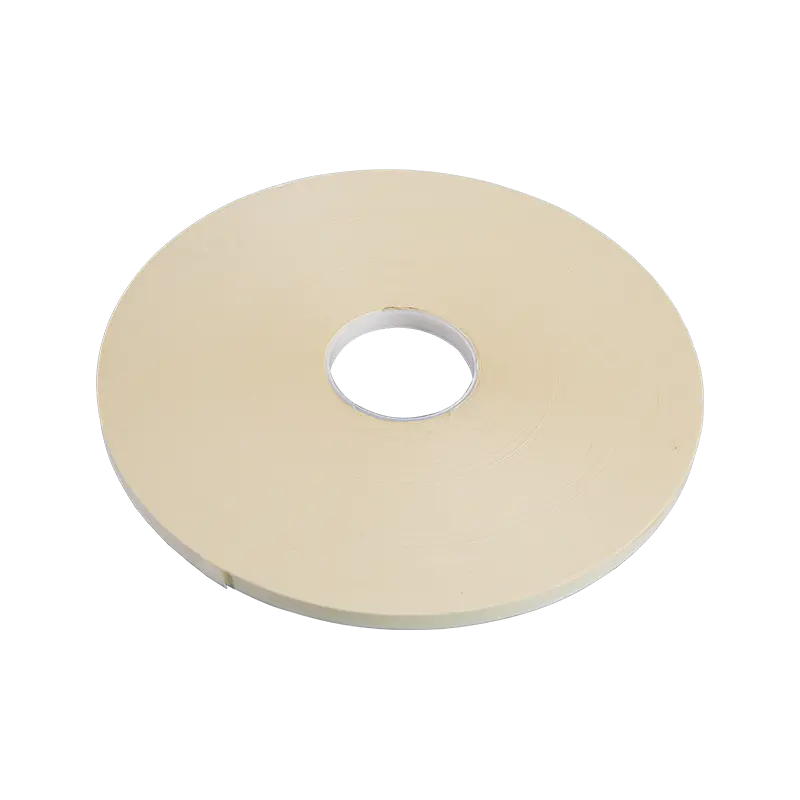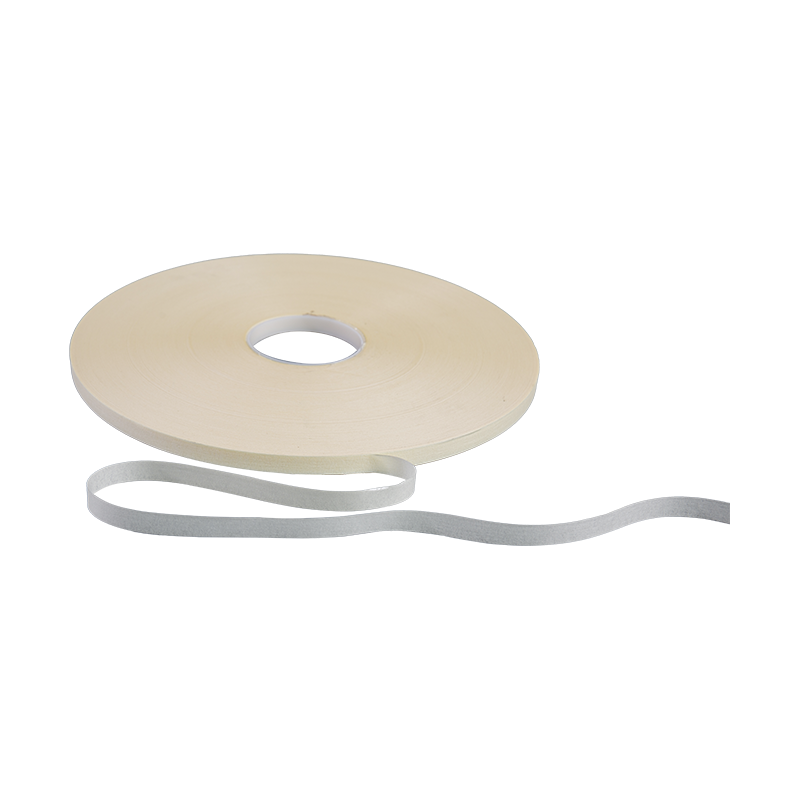
A working comparison of hot melt and acrylic carton-sealing tapes — what the adhesive actually is, how the two chemistries differ on the numbers that matter, and the conditions that decide which roll you should load next.
A carton sealed this afternoon and opened in five weeks is hot melt country. The synthetic rubber adhesive grabs recycled fiberboard within seconds, unwinds quietly through the case sealer, and usually costs less per metre than acrylic at the same thickness. The hard limit is temperature: standard hot melt grades soften as storage and transit conditions climb past about 50 °C, and they age faster on the roll.
That single distinction — dwell time plus temperature — explains most of the tape failures reported on packaging lines. The sections below cover how the adhesive is actually made, where hot melt beats acrylic and where it does not, how to match thickness to carton weight, and the storage and testing habits that keep seals intact until the flap is opened.
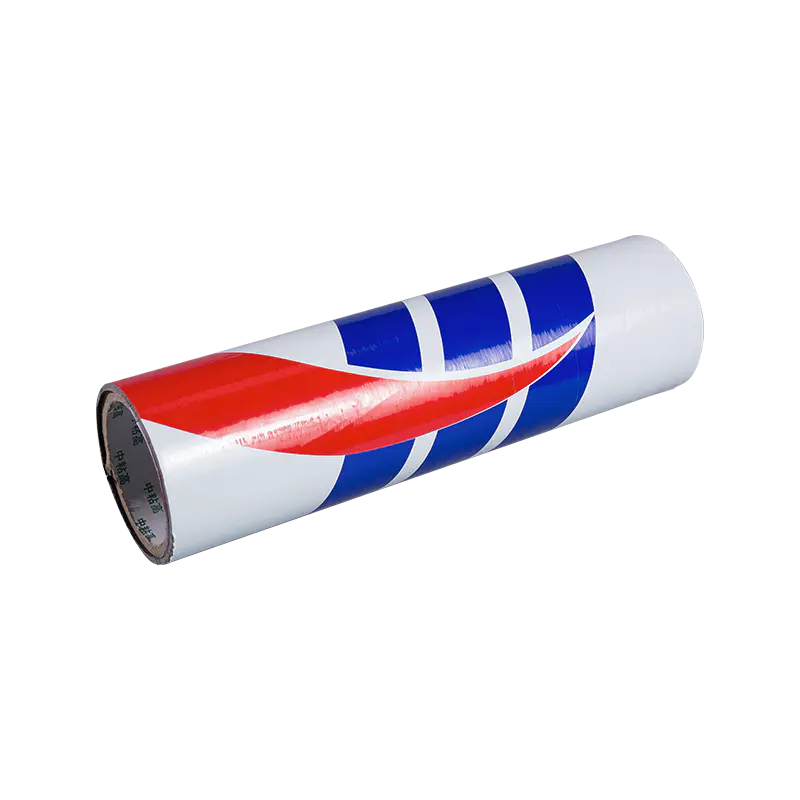
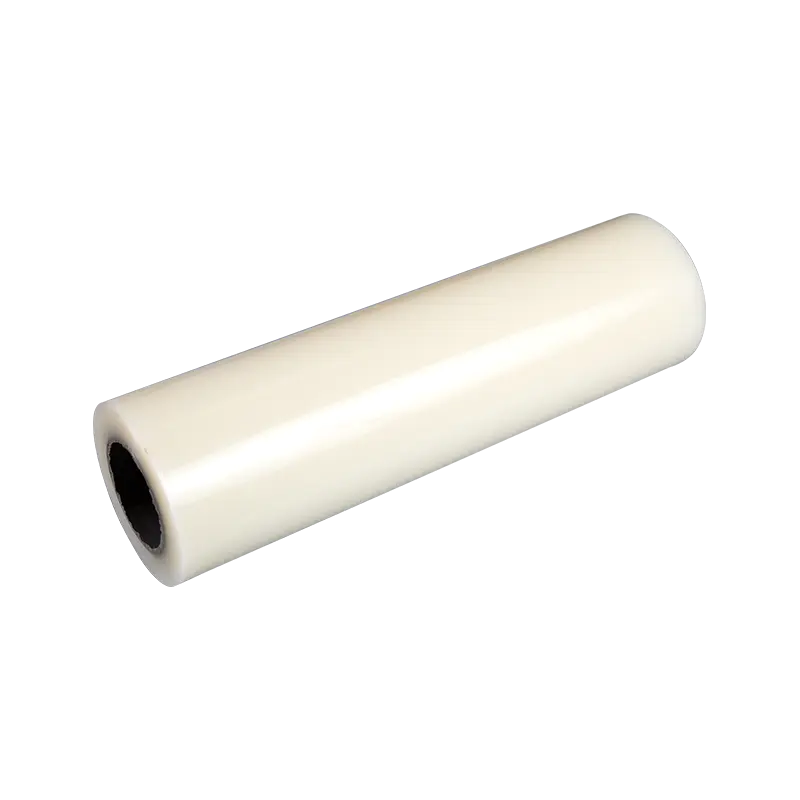
Hot melt shipping tape is a pressure-sensitive carton tape: a polypropylene film backing, typically 1.8 to 2.2 mil (about 45-55 microns) thick, coated with a synthetic rubber hot melt adhesive. That adhesive blends styrenic block copolymers, tackifying resins, and oils; it is melted and spread onto the film during manufacture, then cooled back to a solid. The name describes how the adhesive is made, not how the tape is used — there is no heating step at the packing station, and the bond forms under light pressure alone.
Once pressed onto the board, the rubber compound wets into the fibers quickly, which is why the seal feels secure within seconds. That fast wet-out, the quiet unwind, and the generally lower cost per metre are the reasons hot melt dominates high-volume carton sealing on standard grades of board.
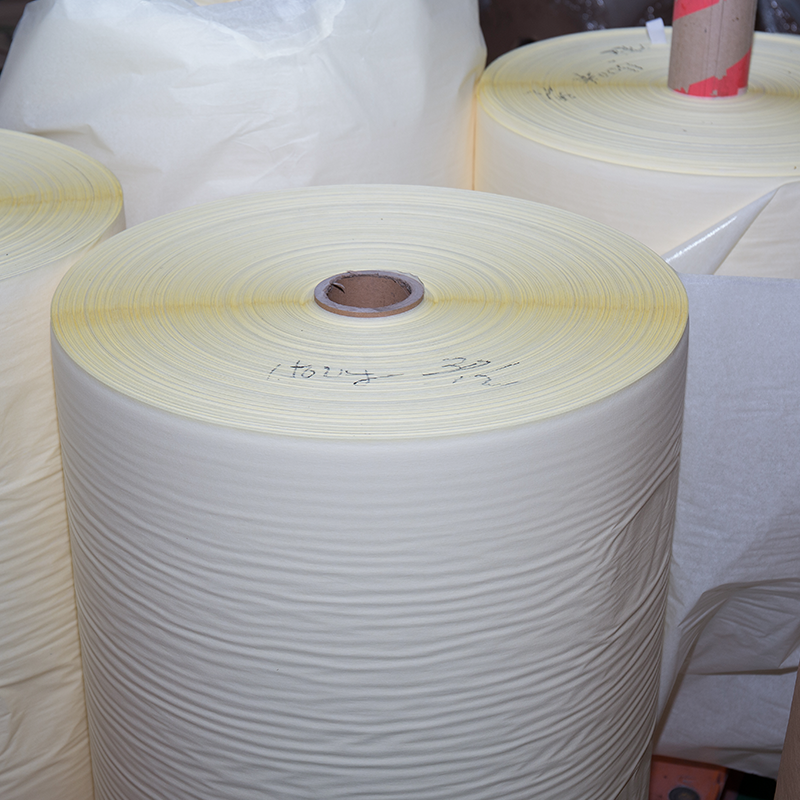 Hot Melt Tape for High-Volume Carton SealingA rubber-based hot melt tape that wets into board fibers within seconds, delivering instant grab and a secure seal. Its fast wet-out, quiet unwind, and lower cost per metre suit demanding high-volume packing lines.View Product →
One clarification saves awkward phone calls: this tape has nothing to do with glue guns or molten adhesive tanks. It applies straight from the roll at room temperature.
Acrylic carton tape runs the same polypropylene backing with a different adhesive chemistry — an acrylic polymer that builds grip more slowly but resists heat, sunlight, and aging far better. The practical trade-offs fit into a short table.
| Property | Hot melt (synthetic rubber) | Acrylic |
|---|---|---|
| Initial tack | Very high; grips in seconds | Moderate; builds over hours |
| Service temperature | Roughly 0 °C to 50 °C | Roughly -20 °C to 80 °C |
| UV and aging resistance | Fair; oxidizes over months | Excellent |
| Typical shelf life | About 12 months | 18-24 months or more |
| Unwind noise | Quiet | Louder unless specially formulated |
| Cost per metre | Typically lower | Typically higher |
The tape is the cheapest component of a shipment and the only part holding the box together, so its failure temperature deserves as much attention as its price.
For a closer look at the adhesive itself, the guide on how hot melt tape differs from other pressure-sensitive tapes walks through adhesion, shear, and clean-removal behaviour in more detail.
Hot melt's rubber adhesive bites into dusty, high-recycled fiberboard more readily than most acrylic grades, which need longer contact time to build their grip. On rough or low-grade board it is the more forgiving choice; on heavy cartons approaching 20 kg, step up to a 2.2 mil or thicker film so the seal resists stacking pressure in transit.
Info: 1.8-2.0 mil suits light cartons up to roughly 10 kg; 2.2-2.5 mil covers general industrial cartons; 3.0 mil and above is reserved for heavy, edge-crush-prone boxes.
Standard hot melt grades hold between about 0 °C and 50 °C. Above that, the adhesive softens — seals can creep open, and stored rolls can ooze at the edges. A closed shipping container in summer routinely passes those numbers.
Danger: do not specify standard hot melt tape for cartons that will spend weeks in unshaded yards, summer containers, or unventilated warehouses; move to an acrylic or high-temperature grade for those routes.
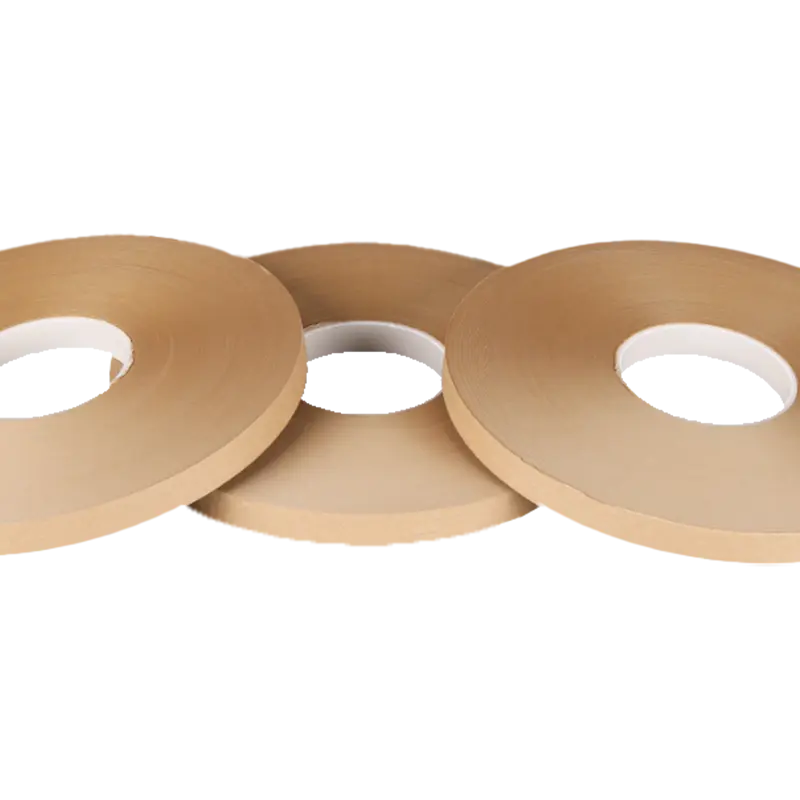
Quiet unwind and instant grab keep fast sealing lines moving without a second pass. Where a paper surface is preferred — retail-ready cartons, heavier boxes, or packaging audits that favor kraft — cold-pressed kraft tapes seal under pressure alone and present a natural paper finish.
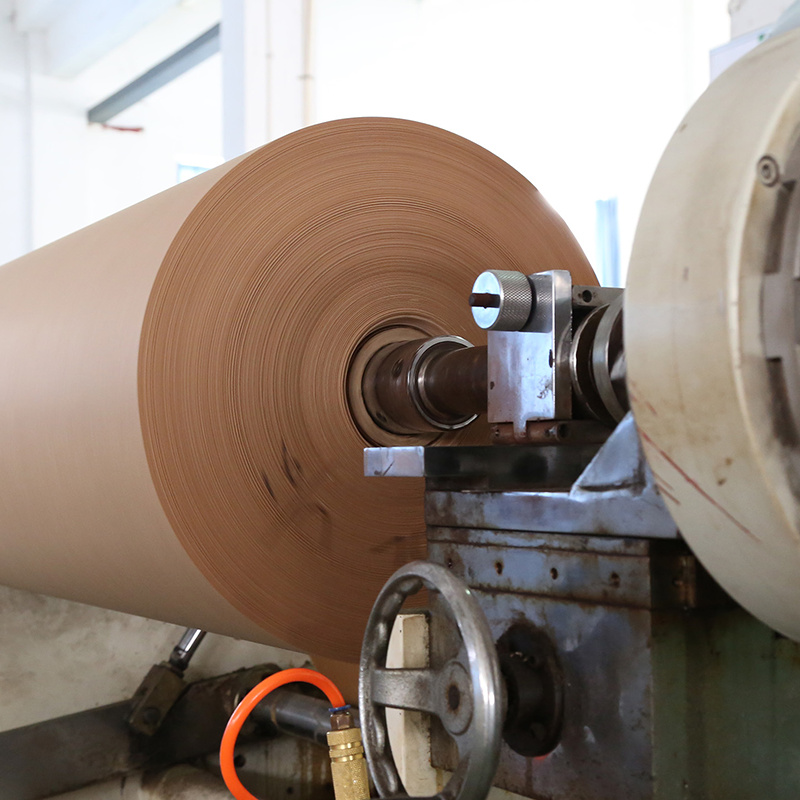 Cold Pressed Kraft Paper TapeA kraft paper tape with natural latex adhesive that seals under pressure alone, no heat required. Its natural paper finish suits retail-ready cartons, heavier boxes, and packaging audits favoring kraft.View Product →
Before committing to a specification, work through five points:
Hot melt adhesive ages on the roll. Oxidation slowly stiffens the rubber, which is why most manufacturers quote a shelf life of around twelve months for rolls kept cool, dry, and sealed in their original packaging. First-in, first-out rotation matters more here than it does for acrylic.
Warning: keep rolls away from radiators, sunny windows, and the tops of warm equipment. Sustained heat above roughly 40 °C can soften the adhesive, cause edge ooze, and ruin smooth unwinding.
Two simple checks catch most problems before a customer does. Start with the roll itself — it should unwind smoothly without snapping or sticking to itself. Then test the seal on the actual carton:
Success: if the 24-hour peel shows fiber tear and the heat stress sample still holds its flap, the specification is safe to lock in for that carton and that route.
Tape protects the carton; it does nothing for the finish of what travels inside. Aluminum sheets, anodized profiles, glass panels, acrylic, and polished stainless steel all ride the same trucks, and one scratched surface can cost more to replace than every roll of tape in the order. Tape buyers and surface-protection buyers are, in practice, often sitting in the same sourcing meeting.
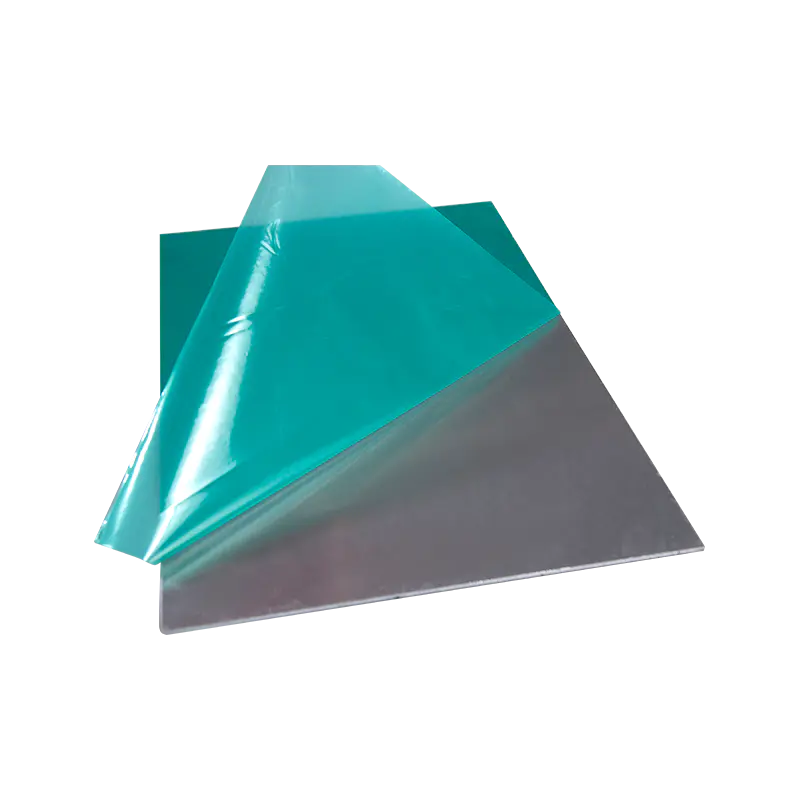
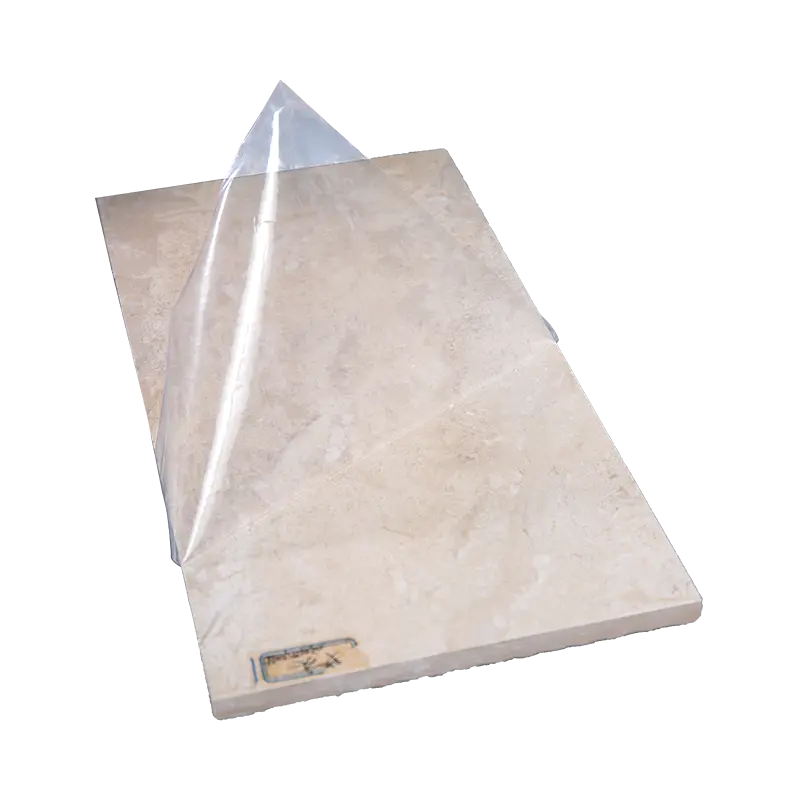
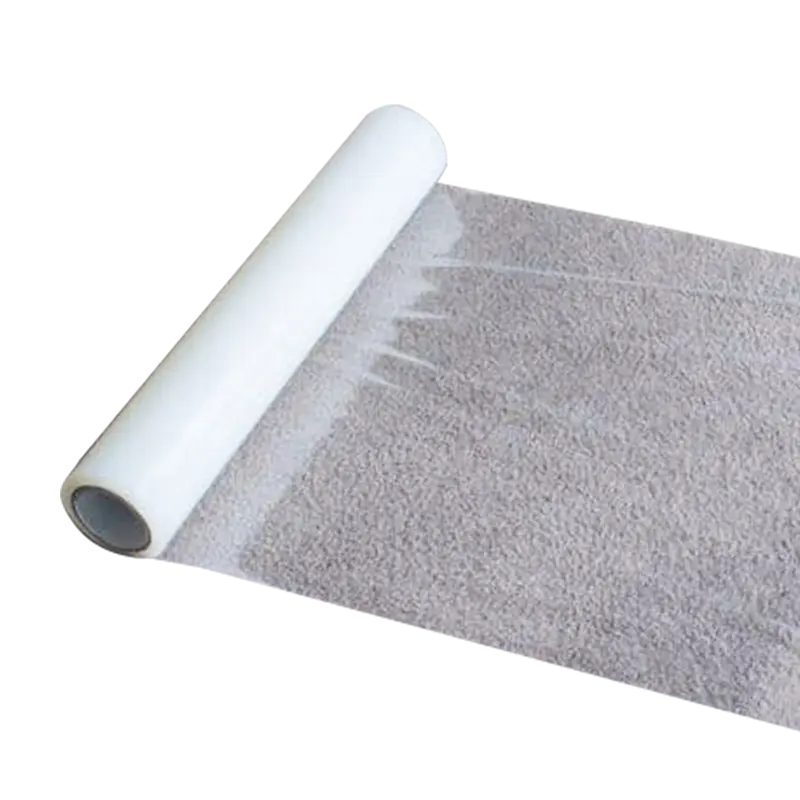
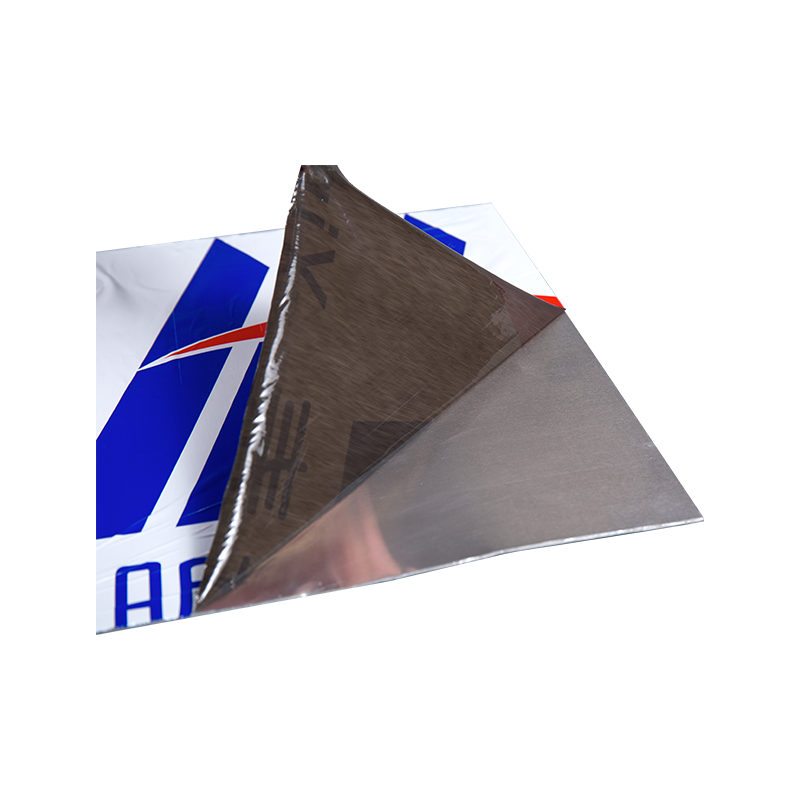
For delicate finishes, a low-tack PE protective film applied before packing adds a removable barrier that peels away cleanly on arrival; our low-tack PE protective film is specified for exactly these high-gloss surfaces, while higher-tack grades cover textured or rougher goods.
The two product lines share more than a customer list. Wuxi Wanfeng Protective Film has manufactured film and tape products since 1989, runs three dedicated tape lines at an annual capacity the company puts at 30 million square metres, and tests incoming raw materials before they reach the production floor — the same incoming discipline that decides whether a hot melt adhesive still performs to its data sheet a year later.
The short version: choose hot melt shipping tape when speed, grip on recycled board, and cost lead the priority list and the cartons live between roughly 0 °C and 50 °C; choose acrylic when sunlight, heat, or long storage stretch the journey. Whichever chemistry wins, buy against tested performance on your own board and route rather than roll price alone.
For mixed product ranges — heavy aluminum extrusions one month, glass panels the next — it is often worth running two specifications rather than forcing one tape to cover every carton. A brief conversation about carton weights, transit temperatures, and surface finishes with your supplier usually settles the question faster than another round of samples.

Copyright © Wuxi Wanfeng Protective Film Co., Ltd. All Rights Reserved.
 English
 русский