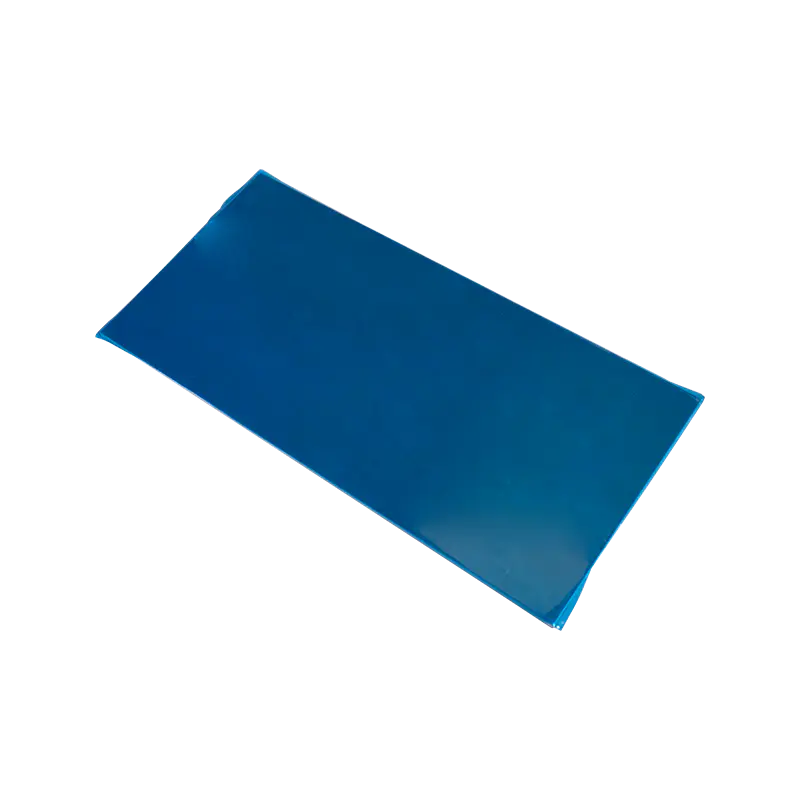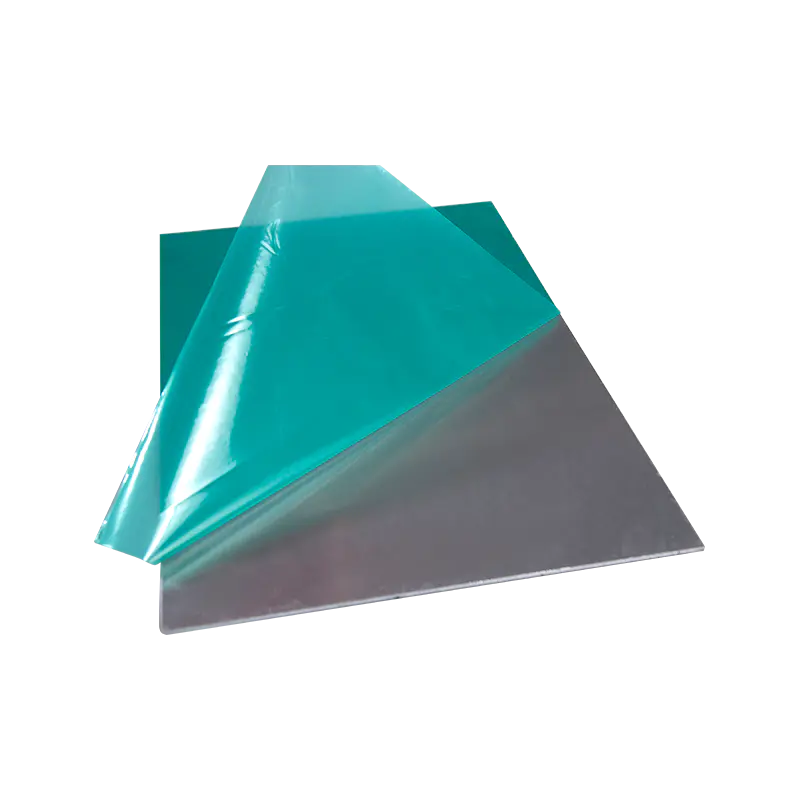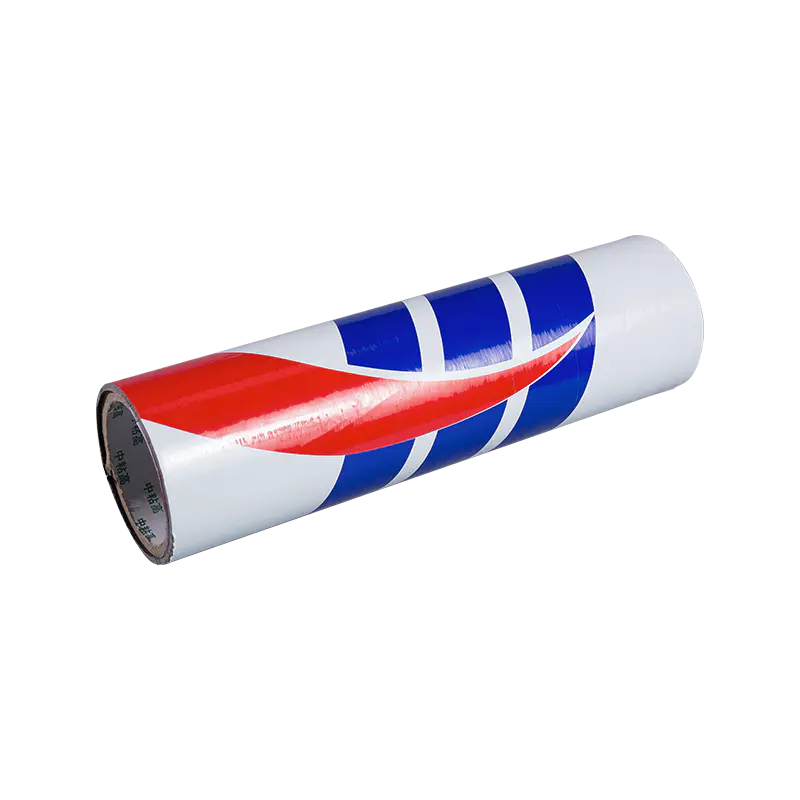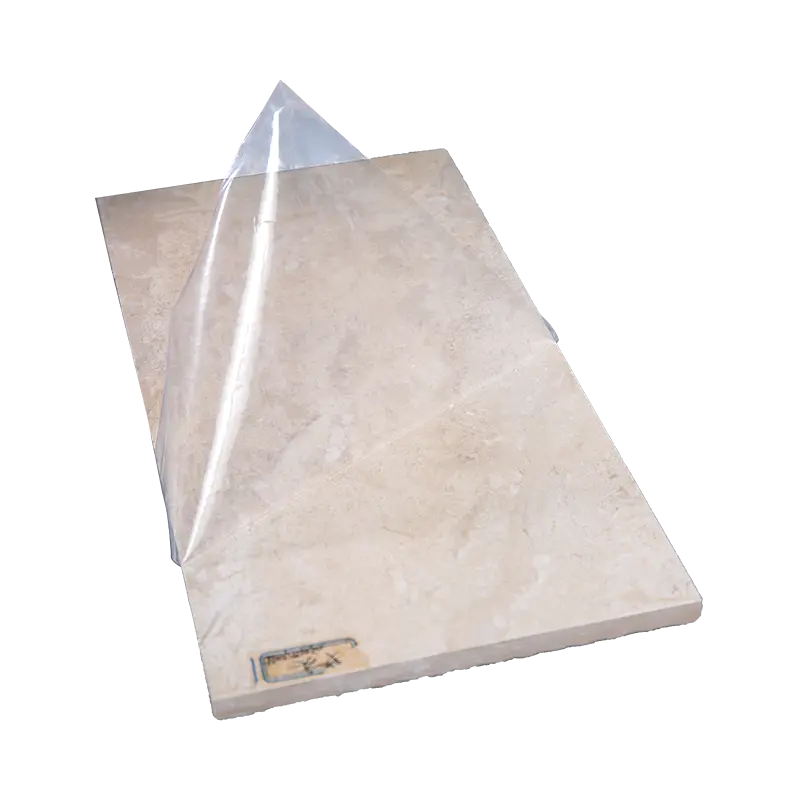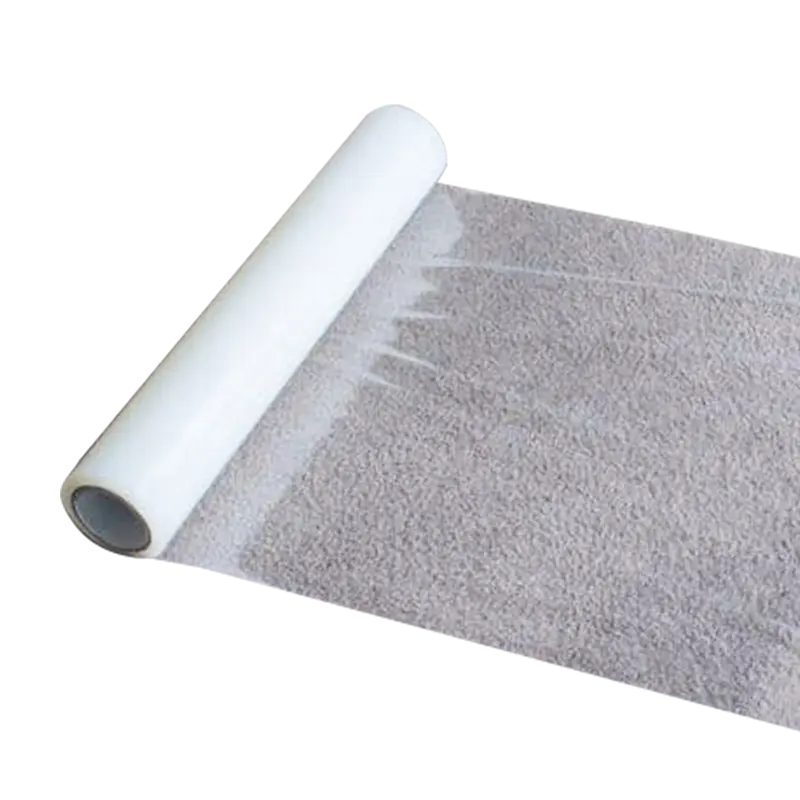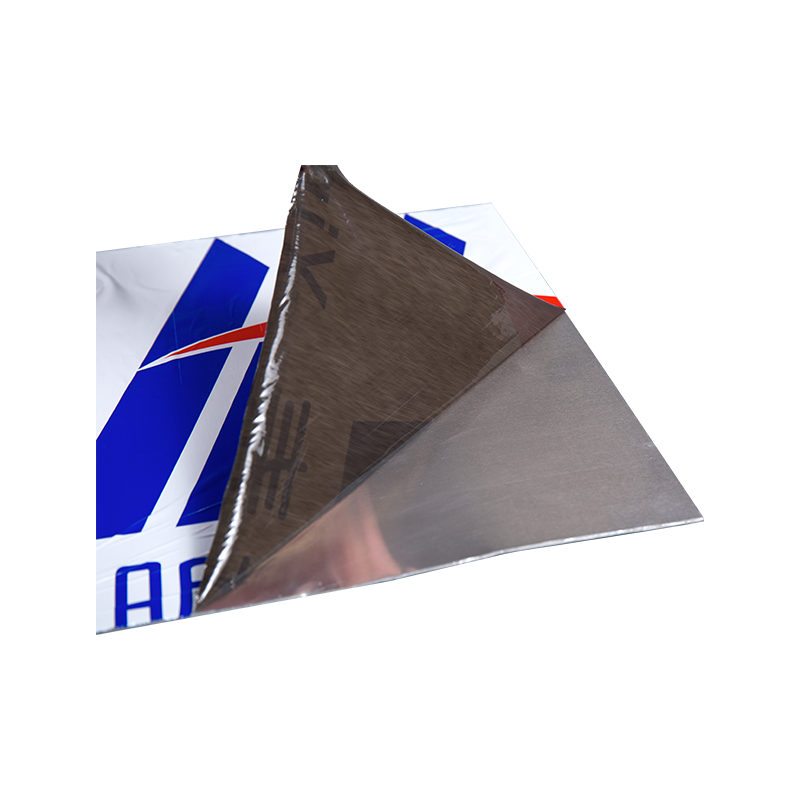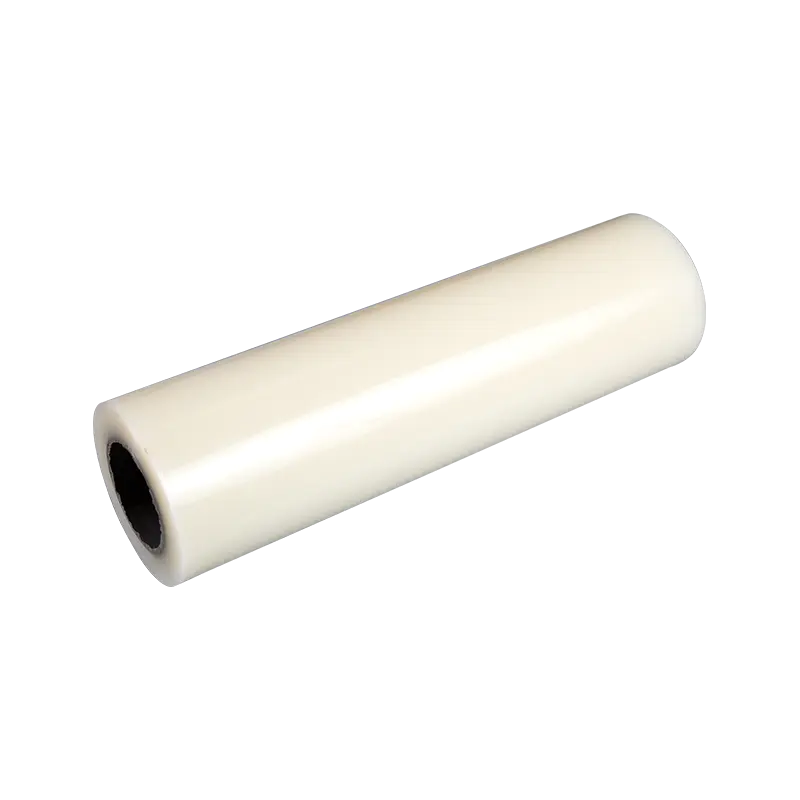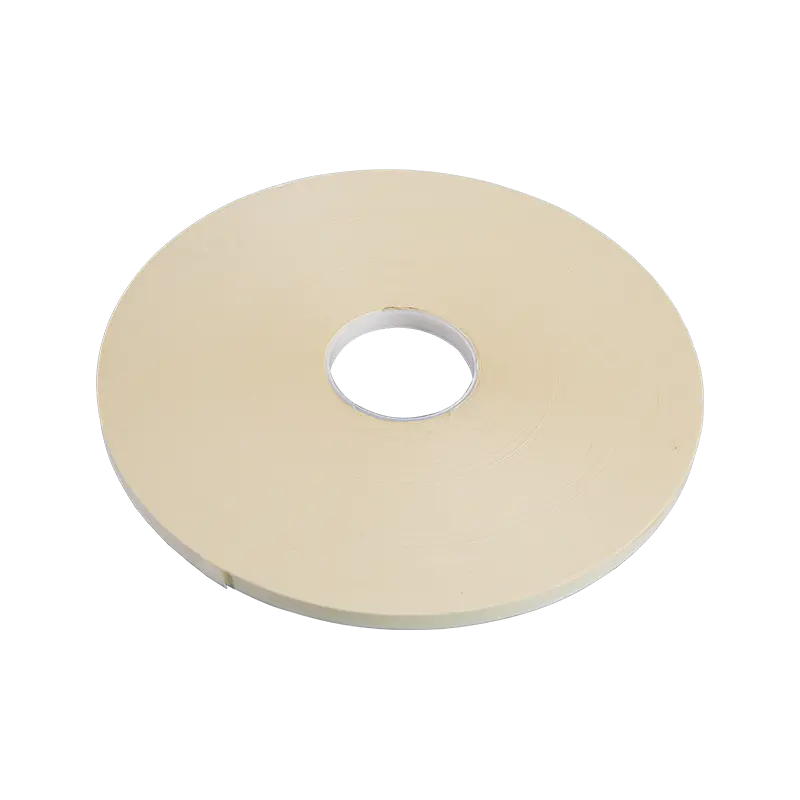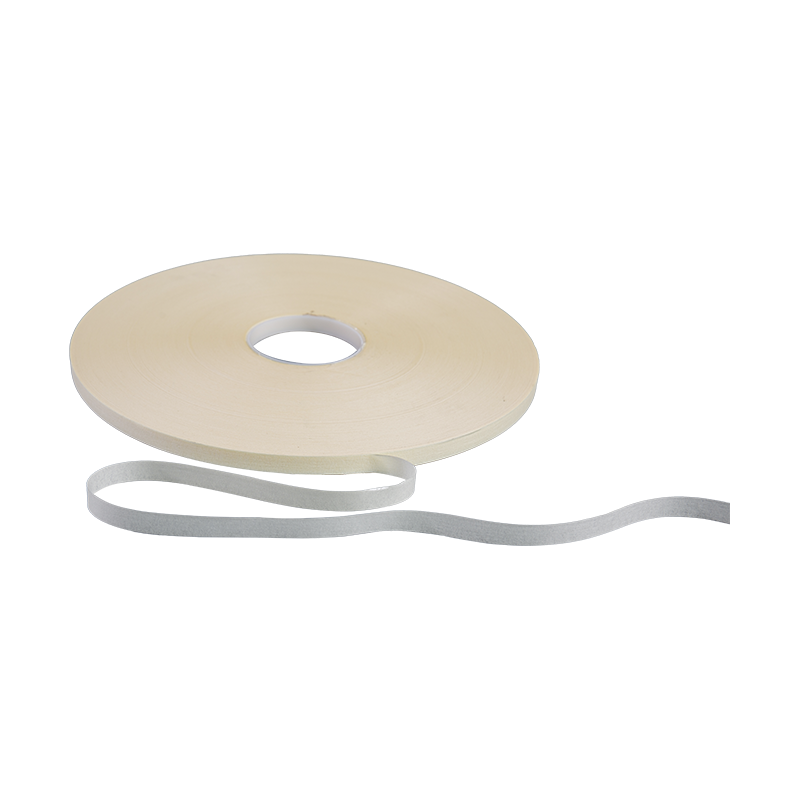
In most cases, high-quality protective film does not leave residue or adhesive marks if it is removed within its recommended timeframe and stored or used under proper conditions. However, residue can appear when film is exposed to excessive heat, direct sunlight, or left in place far longer than the manufacturer's suggested removal window. The presence or absence of residue depends almost entirely on three factors: the quality of the adhesive formulation, the environmental conditions the film is exposed to, and how long the film remains applied before removal. Well-engineered films, including protective tape for aluminium and other metal-safe adhesive products, are specifically designed with low-tack, pressure-sensitive adhesives that release cleanly without transferring sticky film onto the substrate.
Understanding why residue happens, which materials are more prone to it, and how to avoid it altogether can save manufacturers, installers, and end users significant time and money. Below, we break down the science behind adhesive residue, the variables that increase or decrease its likelihood, and the practical steps you can take to guarantee a clean removal every time.
Adhesive residue occurs when the bonding agent used in the film's coating breaks down, oxidizes, or becomes overly tacky due to prolonged exposure to heat, UV rays, or pressure. This is a chemical and physical process rather than a random occurrence, and it can typically be traced back to one or more identifiable causes.
Industry testing has shown that most protective films are rated for a maximum outdoor exposure of 60 to 120 days before residue risk increases significantly. Indoor-rated films used in manufacturing settings, such as aluminum protective film applied to sheet metal during fabrication and transport, generally have longer stable windows because they are shielded from UV and temperature extremes.
protective film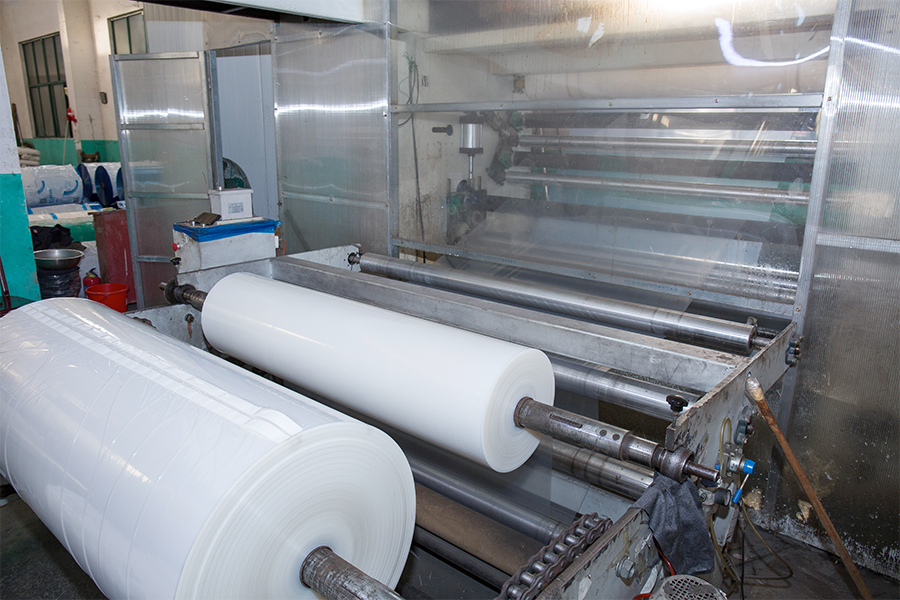
Not all protective films are created equal. The adhesive chemistry, backing material, and manufacturing consistency all play a role in determining whether a film will peel away cleanly or leave behind a sticky film residue.
| Adhesive Type | Typical Use | Residue Risk | Max Recommended Exposure |
|---|---|---|---|
| Acrylic-based | Long-term outdoor protection | Low | 180 days |
| Rubber-based | Short-term indoor use | Medium to High | 30 to 45 days |
| Low-tack synthetic | Metal fabrication, transport | Very Low | 90 to 150 days |
Films built with acrylic or low-tack synthetic adhesives, such as those found in premium protective tape for aluminium, are engineered specifically to resist residue transfer because they maintain a stable molecular structure even under moderate heat and time exposure. Rubber-based adhesives, while inexpensive, are more prone to breakdown and are generally not recommended for applications exceeding a few weeks.
Certain substrates interact differently with adhesive layers, making some surfaces more susceptible to leftover residue than others.
This is precisely why aluminum protective film is manufactured differently from general-purpose plastic or glass film. Aluminum surfaces, especially anodized or brushed finishes, require an adhesive that bonds firmly enough to stay in place during handling, machining, or shipping, yet releases cleanly without leaving behind oils or polymer residue. Manufacturers of aluminum components frequently report that using mismatched film, such as a generic packaging film not designed for metal, is the leading cause of residue complaints.
Preventing residue is largely a matter of selecting the right film and following a few simple handling guidelines. These practices apply whether you are removing film from a phone screen, a piece of furniture, or industrial-grade aluminum sheeting.
Field data from fabrication shops indicates that over 85% of residue complaints stem from film left in place beyond its rated window, rather than from a fundamental flaw in the film itself. This means proactive scheduling of film removal, especially for products stored in warehouses or exposed to seasonal temperature swings, is one of the most effective ways to avoid residue altogether.
Even with careful handling, residue occasionally appears, particularly on surfaces that were exposed to unexpected heat or extended storage. Fortunately, most adhesive residue can be removed safely without damaging the underlying material if the right technique is used.
| Surface | Recommended Cleaner | Method |
|---|---|---|
| Aluminum | Isopropyl alcohol (70 to 90 percent) | Soft cloth, gentle circular wiping |
| Glass | Standard glass cleaner | Spray and wipe with microfiber cloth |
| Painted surfaces | Manufacturer-approved adhesive remover | Test on small area first, then wipe gently |
It is important to avoid abrasive pads, razor blades, or harsh solvents on sensitive finishes, as these can scratch or discolor the surface, sometimes causing more damage than the original residue. For metal fabrication environments where aluminum protective film is used at scale, many facilities keep a designated cleaning station with alcohol-based solutions on hand specifically for this purpose.
The most reliable way to avoid residue is to select the correct film for your specific application before the problem ever occurs. This means considering the substrate, the expected duration of use, and the environmental conditions the product will face.
For businesses working with metal components, investing in purpose-built protective tape for aluminium rather than a generic alternative typically pays for itself by eliminating rework, cleaning labor, and potential surface damage. In short, residue is rarely an unavoidable outcome of using protective film; it is almost always a solvable variable tied to film selection, exposure time, and environmental conditions.

Copyright © Wuxi Wanfeng Protective Film Co., Ltd. All Rights Reserved.
 English
 русский