 English
 русский
Materials Guide — Industrial Films
The Anatomy of
Protective Film
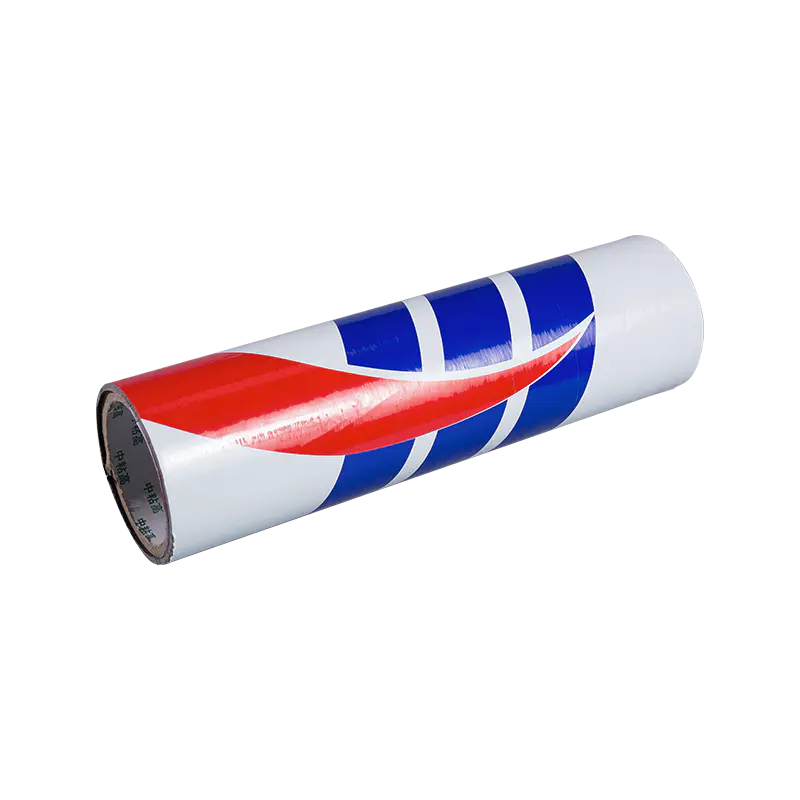
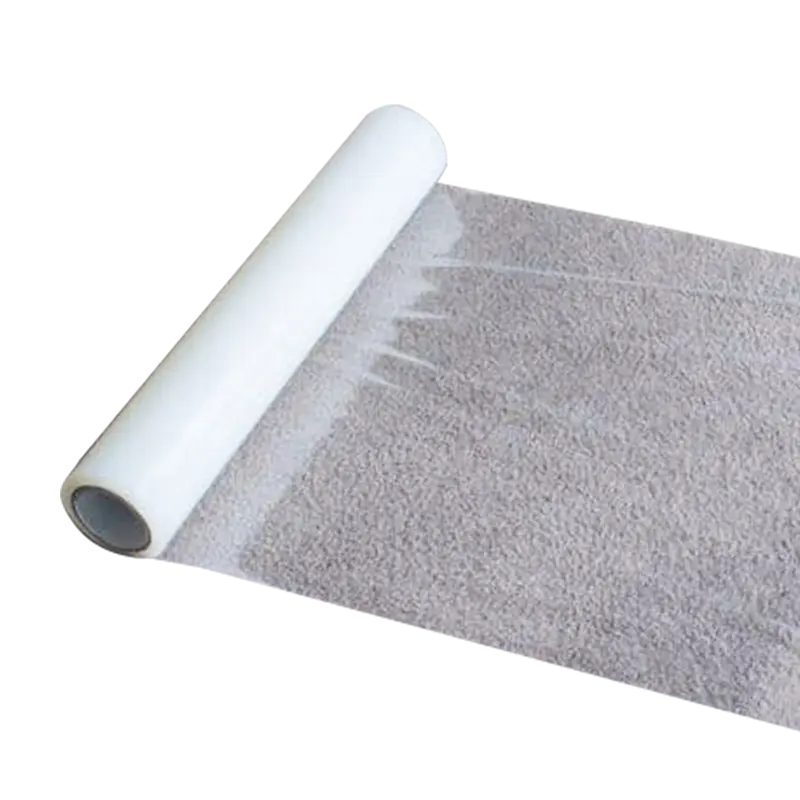
The main types of protective film are PE (polyethylene) film, PVC (polyvinyl chloride) film, and PET (polyester) film. Each is built on a different base polymer, which gives it a distinct balance of flexibility, adhesion, durability, and cost.
Overview
Three Polymers, Three Personalities
PE film is the most widely used option for general surface protection because it is inexpensive and easy to apply. PVC film offers stronger cling and better conformability around curves and edges. PET film is the strongest and most heat- and chemical-resistant of the three, making it the choice for demanding industrial or high-precision applications. Selecting the right one depends on the surface being protected, the length of time the film will stay in place, and the environment it will be exposed to during storage, transport, or fabrication.
Below, each film type is broken down by composition, typical thickness, adhesive behavior, and the surfaces it is best suited to protect, followed by a direct comparison to help narrow down the right option for a specific job.
Type — PE
PE Protective Film: The Everyday Standard
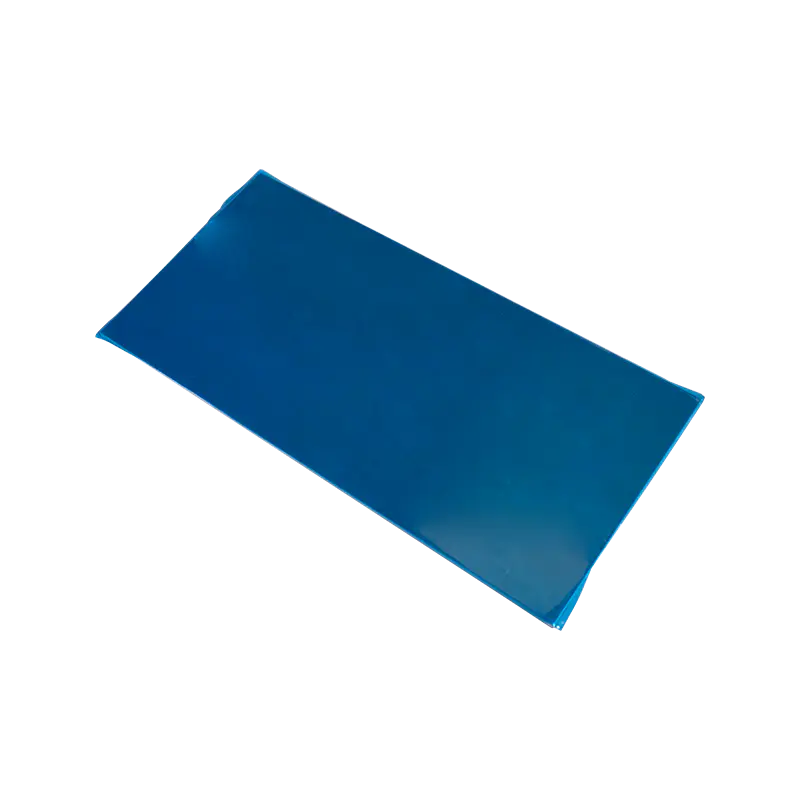
Polyethylene film is the default choice across metal fabrication, glass processing, and appliance manufacturing. It is typically extruded in thicknesses ranging from 0.03mm to 0.12mm and coated with a pressure-sensitive acrylic or rubber adhesive on one side. Because PE is a soft, low-cost polymer, it stretches easily during application, which allows it to be rolled onto flat and mildly curved surfaces without wrinkling.
Where PE Film Performs Best
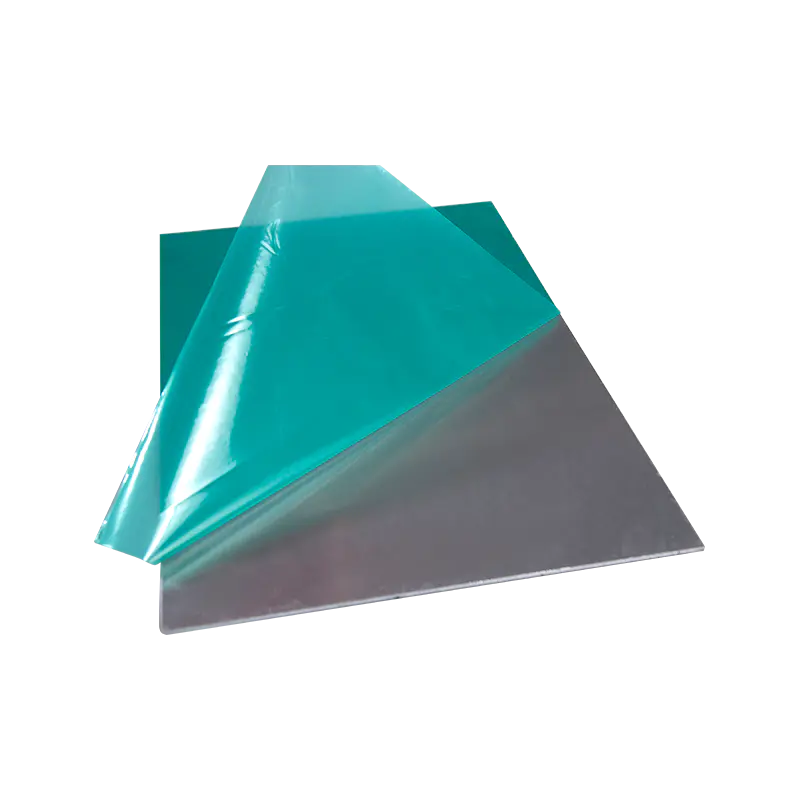
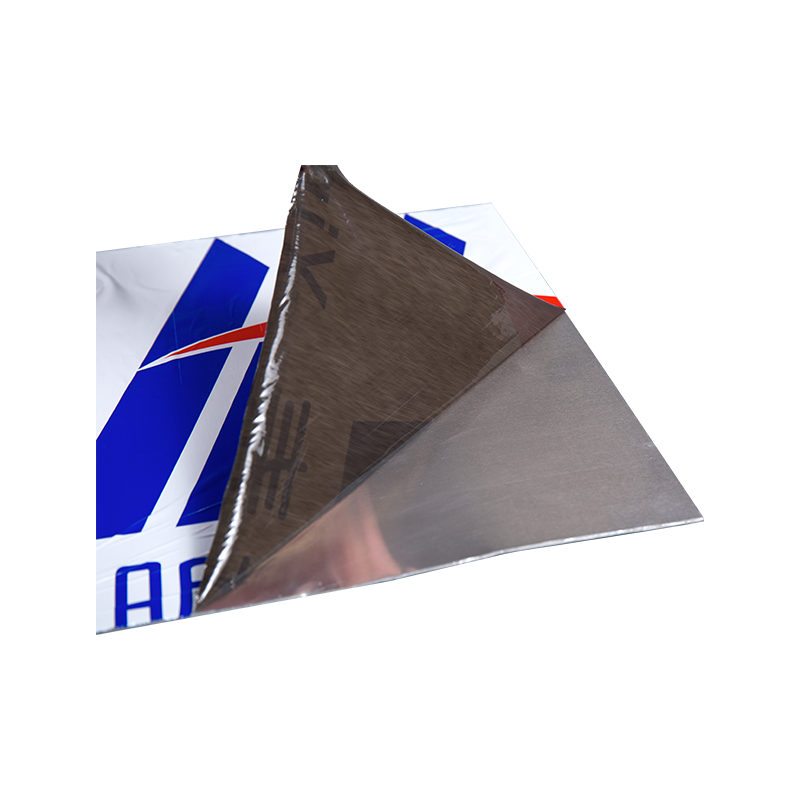
PE film is the standard choice for aluminum sheet protective film applications, where the goal is to shield freshly rolled or anodized aluminum sheets from scratches, dust, and oxidation during transport and downstream processing. Aluminum surfaces are particularly prone to fine surface scuffing, and a low-tack PE film peels away cleanly without leaving adhesive residue, which matters when the aluminum will later be painted, polished, or laser cut. It is also common on stainless steel coils, plastic sheeting, and painted panels.
- Low material cost per square meter compared to PVC or PET
- Adhesive strength ranges from 2 to 15 g/25mm depending on the grade
- UV-stabilized versions can hold up for 3 to 6 months outdoors
- Not ideal for surfaces with sharp corners or deep embossing, since it tears more easily than PVC
A low-tack PE film peels away cleanly without leaving adhesive residue — which matters when the aluminum will later be painted, polished, or laser cut.
Type — PVC
PVC Protective Film: Built for Conformability
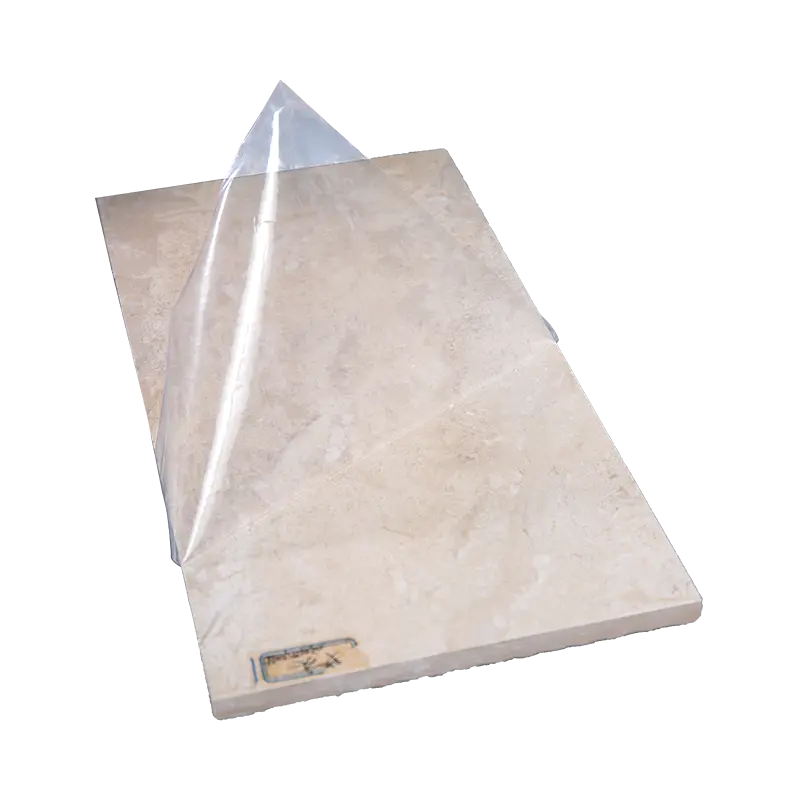
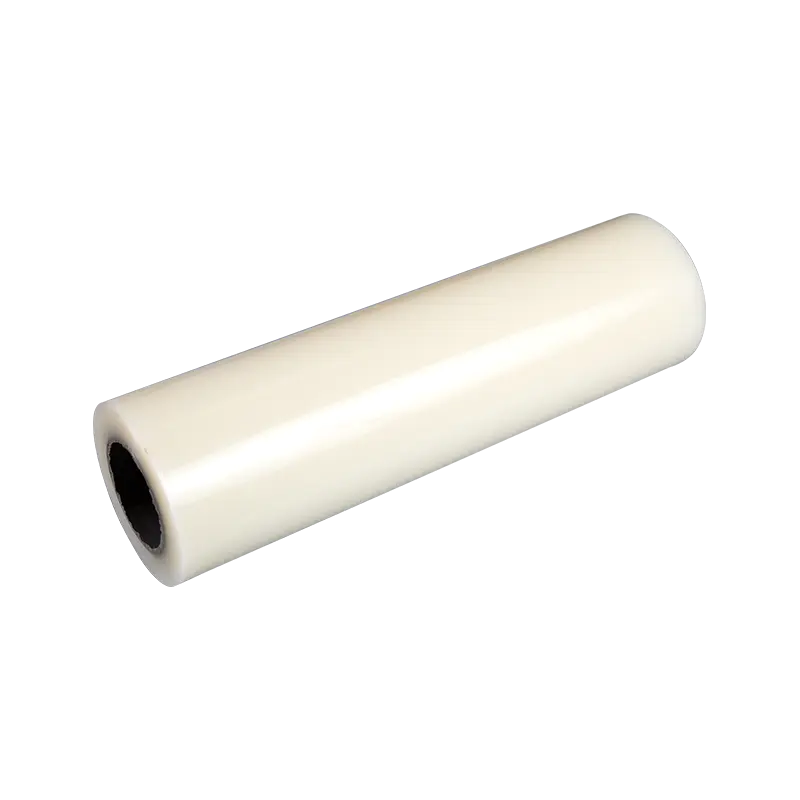
PVC film is denser and more elastic than PE, which allows it to stretch around corners, ridges, and profiled edges without lifting. This makes it a common choice for window frames, door profiles, and furniture panels that have raised details a flatter film would struggle to follow. PVC also tends to have a glossier finish and slightly higher clarity, so when a job calls for a clear wrapping film that needs to stay optically transparent for inspection or branding purposes during transit, PVC is frequently specified over PE.
aluminum sheet protective film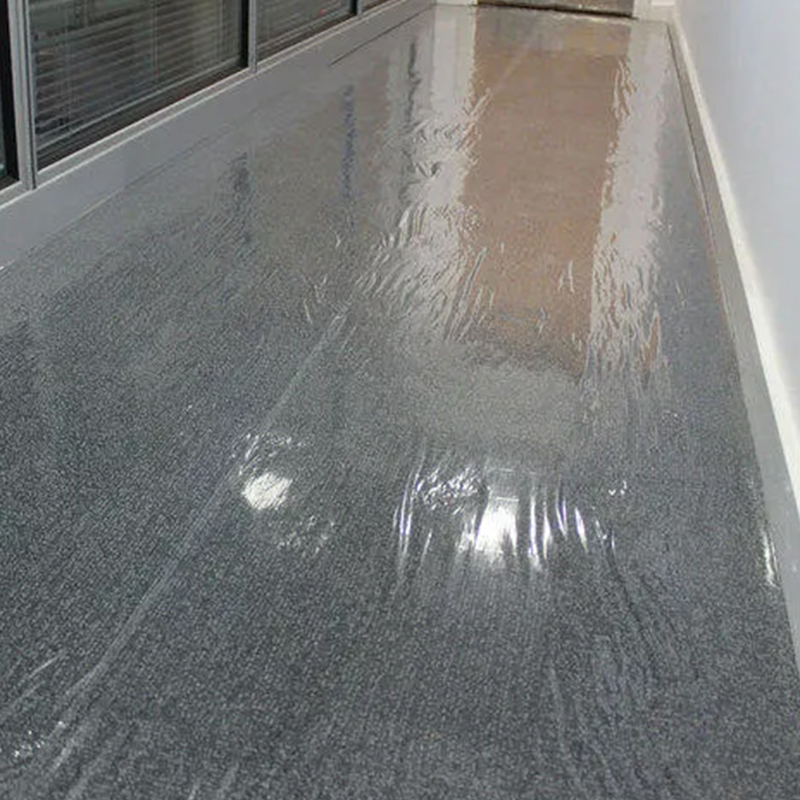
Trade-Offs to Consider
The main drawback of PVC film is heat sensitivity. It can soften and leave behind adhesive residue if left in direct sunlight or a hot warehouse for extended periods, so it is generally rated for shorter protection windows than PE or PET, often 60 to 90 days under normal indoor storage. PVC film is also heavier per roll, which can add shipping cost on large orders. Despite these limits, its conformability and clarity keep it in steady use for decorative panels, plastic profiles, and consumer electronics housings where visual inspection through the film matters.
Warning
PVC film left in direct sunlight or a hot warehouse can soften and leave adhesive residue behind — plan removal within its 60–90 day indoor rating.
Type — PET
PET Protective Film: The Industrial-Grade Option
PET film is a polyester-based film valued for its tensile strength, heat resistance, and chemical stability. Where PE and PVC are typically limited to light mechanical protection, PET can withstand higher-temperature processes such as powder coating, laminating, and short exposure to solvents without breaking down. Its tensile strength can exceed 150 MPa, roughly three to four times that of standard PE film, which is why it is chosen for surfaces that go through multiple manufacturing steps before the film is finally removed.
Typical Applications
- Precision-machined metal components that pass through CNC or laser processing stages
- Optical and display panels where scratch resistance and clarity both matter
- Solar panel glass and other surfaces exposed to prolonged UV during assembly
- Printed circuit board panels requiring temporary protection through soldering-adjacent steps
The trade-off is cost. PET film generally runs two to three times the price of comparable PE film, so it is reserved for applications where the added durability offsets the higher material spend, rather than for general-purpose packaging.
Comparison
Side-by-Side Comparison of PE, PVC, and PET Film
The table below summarizes the core differences across the three film types so they can be compared quickly against a project's needs.
| Property | PE Film | PVC Film | PET Film |
|---|---|---|---|
| Typical thickness | 0.03–0.12mm | 0.05–0.15mm | 0.02–0.10mm |
| Heat resistance | Moderate | Low | High |
| Flexibility / conformability | Good | Excellent | Moderate |
| Relative cost | Low | Medium | High |
| Best-fit surfaces | Flat metal, glass, plastic sheet | Profiled or curved panels | Precision components, optical surfaces |
Adhesion
How Adhesive Strength Affects the Choice
Beyond the base polymer, adhesive strength is one of the most practical factors in choosing a film. Films are generally graded as low-tack, medium-tack, or high-tack. Low-tack film is designed for surfaces that will be handled repeatedly during processing, such as sheet metal moving through multiple stamping stations, where the film needs to stay in place but come off without residue. High-tack film is used for rougher or textured surfaces, such as brushed or embossed panels, where a weaker adhesive would lift at the edges during shipping.
For a surface like aluminum sheet protective film, tack level is often matched to how many processing steps the sheet will go through before final installation. A sheet destined for immediate cutting and bending typically uses a low-to-medium tack film, while a sheet stored for weeks before fabrication may need a slightly higher tack to prevent edge lifting from handling and stacking.
Info
Match tack level to handling frequency: low-tack for multi-station processing, high-tack for textured or long-stored panels.
Optics
Clarity and Its Role in Film Selection
Optical clarity matters more than it might seem. On products where surface quality is inspected visually before shipping, such as glass panels, polished metal, or consumer electronics casings, a clear wrapping film allows inspectors and end users to check for scratches, dents, or finish defects without removing the film first. PVC and PET films generally offer higher clarity than standard PE film, which can appear slightly hazy, particularly in thicker gauges. Some PE films are manufactured with additives specifically to improve transparency for this reason, closing the visual gap with PVC at a lower cost.
When Clarity Is a Priority
If a product will pass through a retail display, a showroom, or a quality-control checkpoint before the film is removed, clarity should be weighed alongside cost and adhesion. A film that hides surface defects until it is peeled off can result in returns or rework discovered too late in the process.
Success
Additive-enhanced PE film can approach PVC-level transparency, giving inspection-ready clarity without the added material cost.
Timeline
Matching Film Type to Storage and Removal Timeline
How long the film needs to stay on the surface is one of the clearest deciding factors. Short-term protection during a single production run favors PE film for its low cost. Medium-term storage, such as finished goods sitting in a warehouse for one to three months, often calls for UV-stabilized PE or standard PVC. Long-term or multi-stage industrial use, where the film may remain in place through several manufacturing steps over several months, points toward PET film because of its resistance to heat, UV exposure, and mechanical stress.
- Under 30 days indoor storage: standard PE film is usually sufficient
- 1–3 months, mixed indoor/outdoor exposure: UV-stabilized PE or PVC
- 3+ months or multi-stage processing: PET film
Danger
Leaving film on far past its rated window is one of the most common causes of adhesive residue, regardless of film type — confirm the removal timeline against the film's rating before large orders ship.