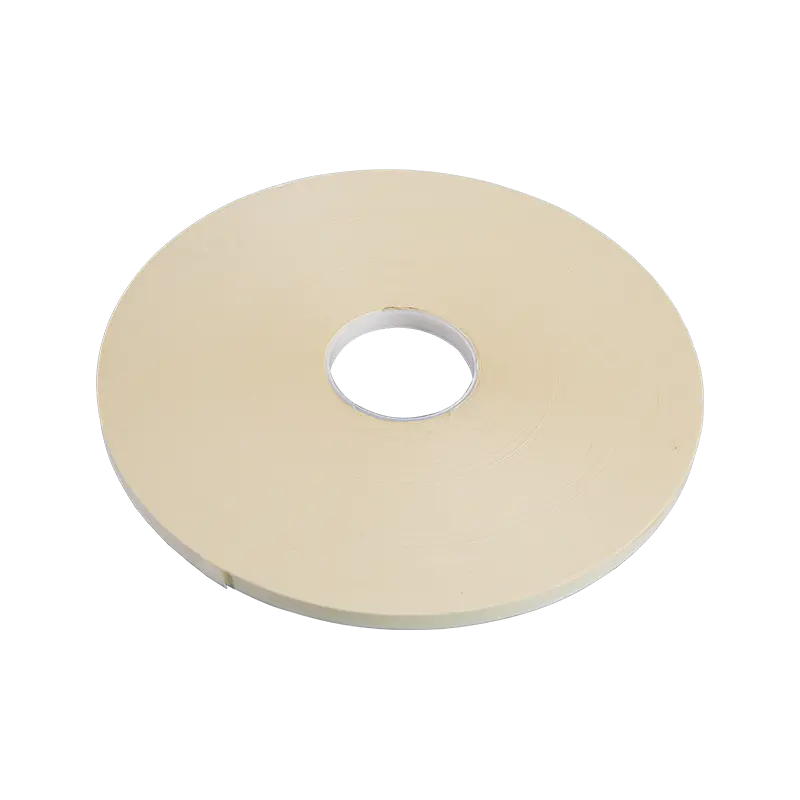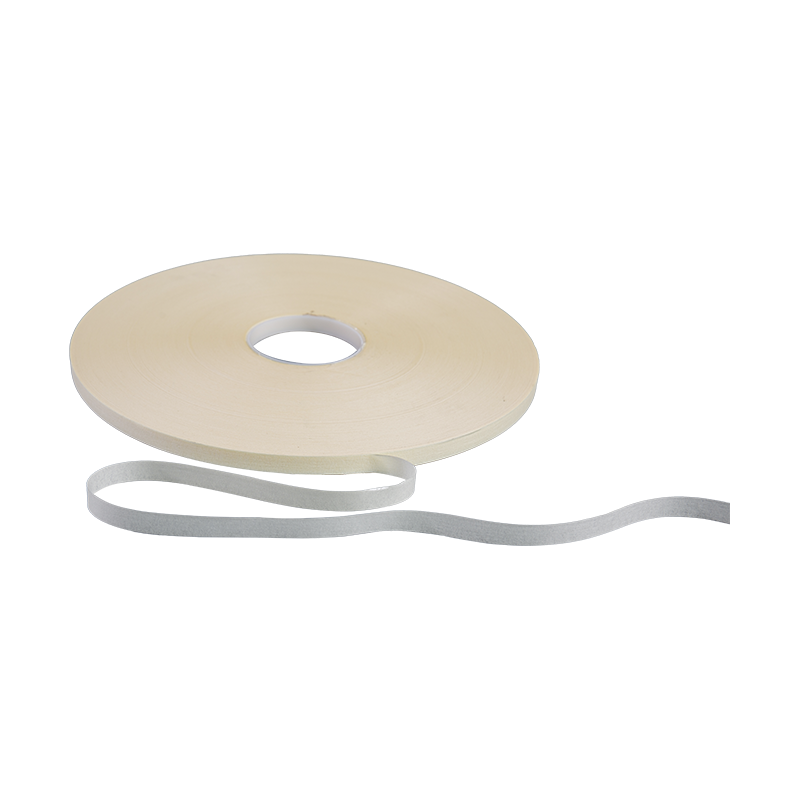
The production engineer once asked why double-sided hot melt tape outperforms ordinary pressure-sensitive tape on rough surfaces. The answer lies in how the adhesive is activated. Double-sided hot melt tape bonds by heat rather than pressure alone, which gives it higher shear strength, better temperature tolerance, and a cleaner bond line on many industrial surfaces. In this guide, we explain how it works, where it performs best, and exactly what to check when selecting a tape for your process.
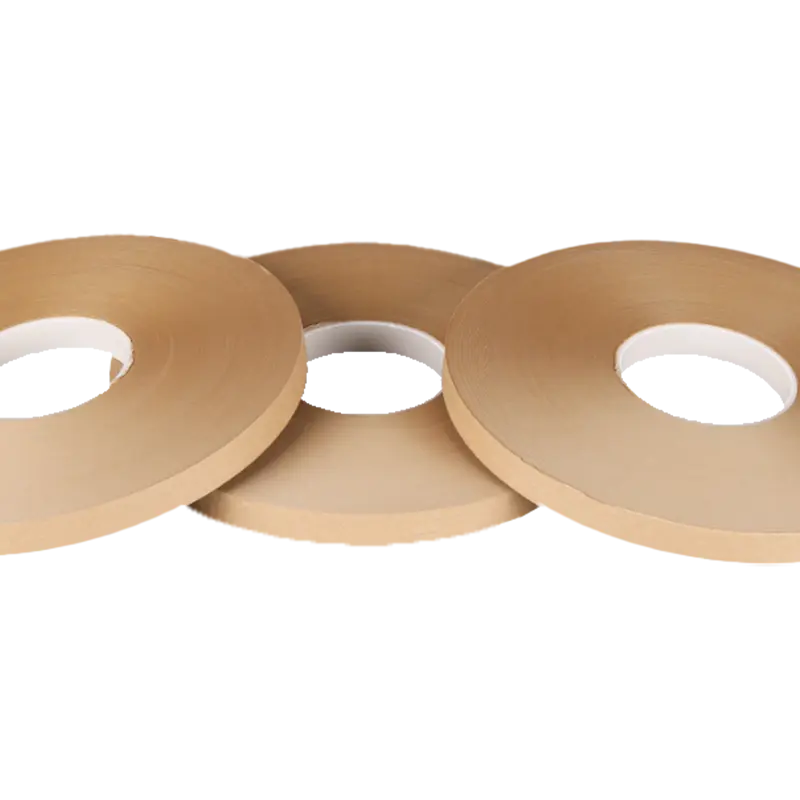
Hot melt adhesive is a thermoplastic polymer that softens when heated and returns to a solid when cooled. In a double-sided hot melt tape, this adhesive is coated onto a carrier film—typically PET, non-woven fabric, or another substrate depending on the required stiffness. When you apply heat, the adhesive melts and flows into the microscopic peaks and valleys of the target surface. As the tape cools, the adhesive re-solidifies, creating mechanical interlocking and molecular bonding that delivers a strong hold without chemical curing.
The activation temperature generally ranges from 100°C to 180°C, depending on the formulation. Because the tape is dry at room temperature, you can position and reposition it before heating. Once heated, it forms a permanent bond in seconds, making it well suited for high-throughput production lines.
Choosing hot melt over conventional PSA tape is often driven by the following advantages:
Because it can bond dissimilar materials and tolerate harsh service conditions, double-sided hot melt tape appears in demanding environments across many industries.
Understanding when to use hot melt instead of PSA can prevent bond failures. Here is how the two main types of double-sided tape compare.
| Criteria | Double-Sided Hot Melt Tape | Pressure-Sensitive Double-Sided Tape |
|---|---|---|
| Activation method | Heat required | Pressure only |
| Bond strength | High shear and peel | Moderate, varies by formulation |
| Temperature resistance | Excellent (-40°C to 120°C) | Limited (typically -30°C to 80°C) |
| Surface wetting | Excellent on rough surfaces | Good on smooth surfaces |
| Initial tack | None until heated | Immediate tack |
| Repositioning | Possible before heating | Limited |
| Curing time | Seconds after cooling | Immediate, but final strength develops gradually |
| Solvent content | None | None for most grades |
For a more technical breakdown of the adhesive differences, see our article on how hot melt tape differs from pressure-sensitive tape.
Choosing the right tape means matching the adhesive formulation to your substrates, service temperature, and production method. Consider these factors before you order.
For OEMs and fabricators, the reliability of the tape supply chain is as important as the tape itself. A specialist producer should control raw materials, adjust adhesive formulations, and maintain consistent production parameters. Our company, Wuxi Wanfeng Protective Film Co., Ltd., operates three tape lines with automated coating and slitting equipment, and we apply the same incoming-material testing and supplier audit routine that we use for our protective film business. This approach keeps viscosity, coating weight, and unwind properties stable from batch to batch.
If you need a ready-to-use product, take a look at our industrial hot melt tape product range, available with several adhesive thicknesses and carrier options. We can supply technical data sheets and can test a sample against your bonding requirements before you commit to a full order.
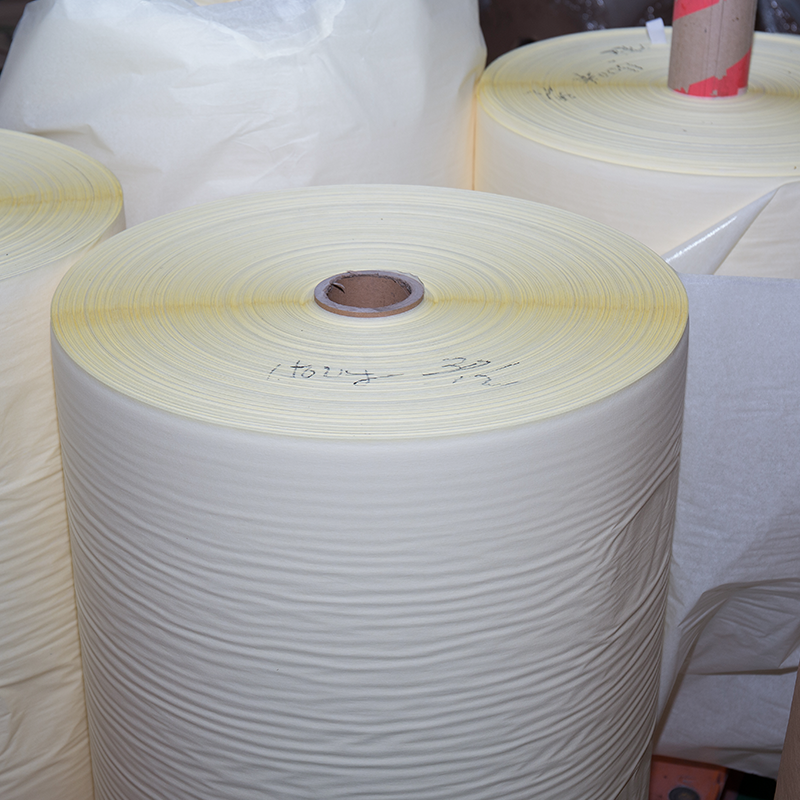 Wholesale Hot melt tape Suppliers, FactoryWuxi Wanfeng Protective Film Co., Ltd. is China wholesale Hot melt tape suppliers and Hot melt tape factory,Applicable industries: finish...View Product →
Double-sided hot melt tape offers a unique combination of strength, heat resistance, and processing cleanliness that PSA tape cannot always deliver. By understanding the activation mechanism, comparing your needs, and sourcing from a manufacturer who controls the entire process, you can turn a simple adhesive into a reliable part of your production. Start by checking the specifications of a hot melt tape against your assembly conditions, and you will know quickly whether it is the right solution for you.

Copyright © Wuxi Wanfeng Protective Film Co., Ltd. All Rights Reserved.
 English
 русский