You just unboxed a stainless steel refrigerator, or a brushed stainless sheet arrived at the workshop, and the blue protective film that kept the surface flawless during shipping now refuses to leave. It tears into strips, leaves a sticky haze, and resists every pull. Homeowners and metal fabricators run into this exact problem, and the fix is simpler than it looks.
The short answer is to match the removal technique to the film's condition. Fresh film peels by hand. Aged or sun-baked film responds to heat. Film that has broken down needs a plastic scraper and a solvent. None of these methods require razor blades or aggressive chemicals, and all of them protect the brushed finish underneath.
Below is the preparation, the step-by-step removal methods, the residue cleanup, and the mistakes to avoid.
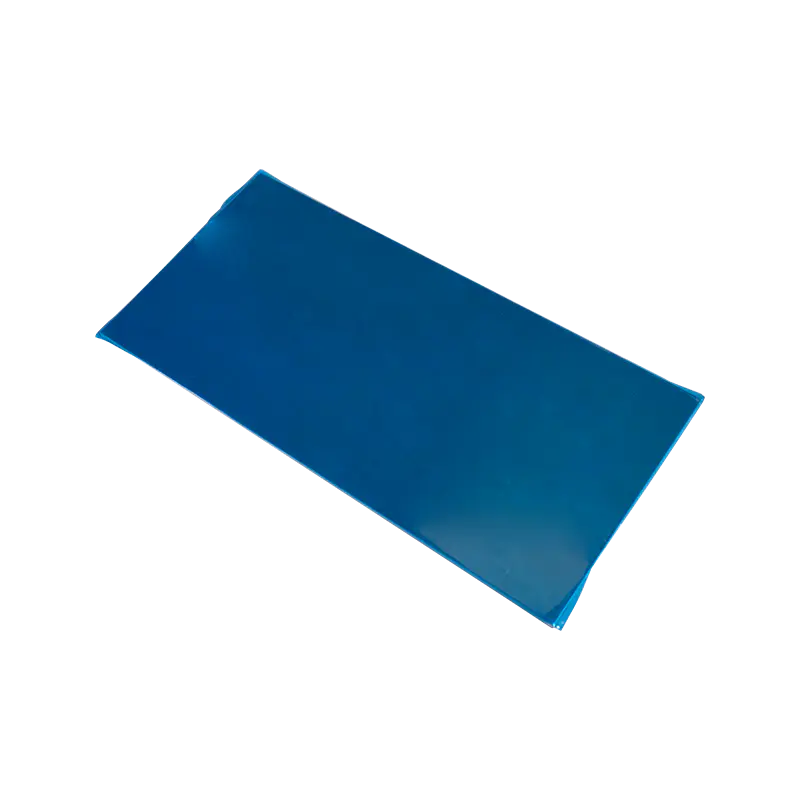
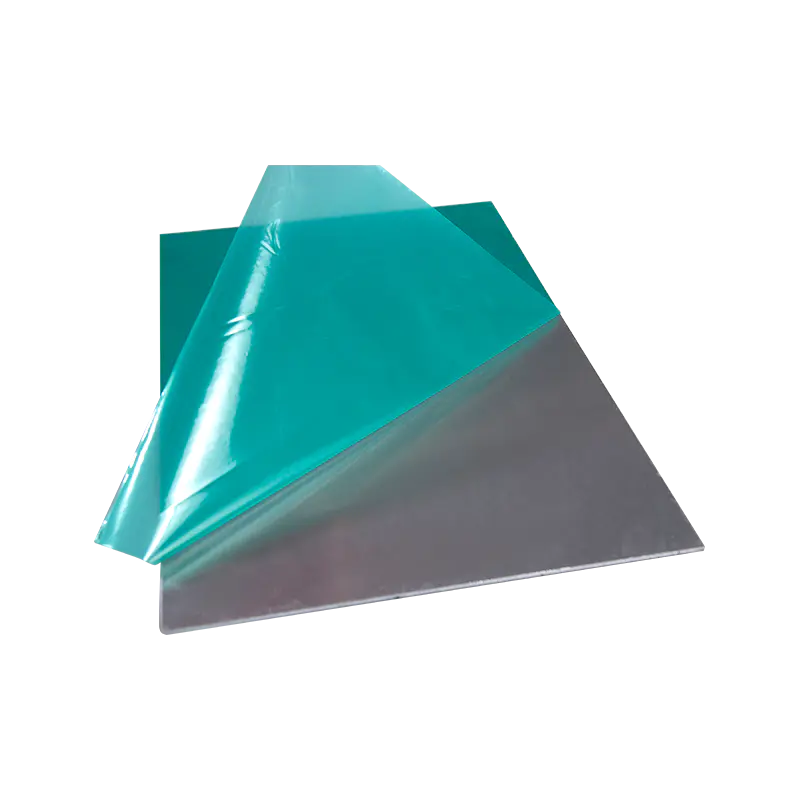
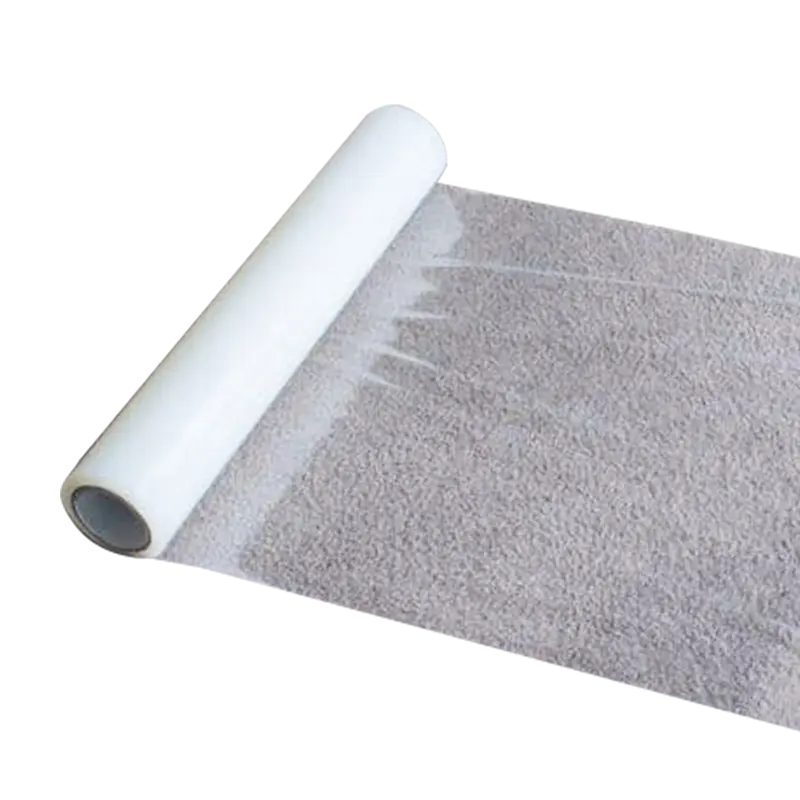
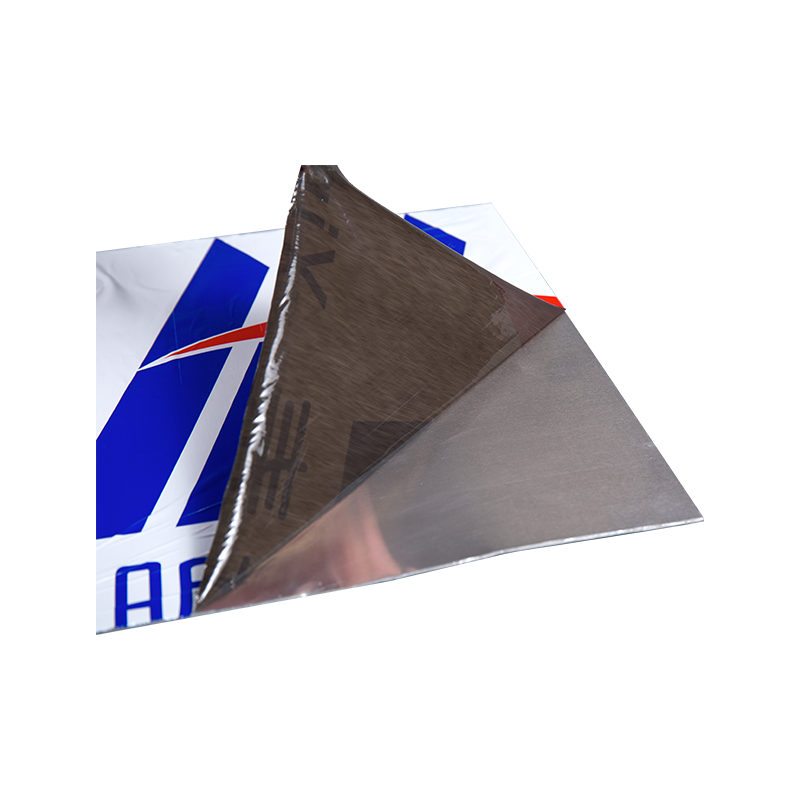
The blue film on stainless steel is a polyethylene protective film with an acrylic or rubber-based adhesive. It is applied at the mill or the fabrication shop to shield the metal from scratches, fingerprints, dust, and minor impact during handling and transport. It works well, until it outlives its removal window.
Adhesives age. UV exposure, humidity, and temperature swings gradually change the adhesive layer. A clean-release adhesive can soften and flow into the microscopic grain of a brushed stainless finish, or harden and turn brittle. That is why a film that peels beautifully at three months can shatter into fragments at eighteen months. The material is still the same PE protective film for stainless steel, but its removal behavior has changed completely.
There is a practical limit to how long protective film should stay on. Most manufacturers rate their films for a removal window, often between three months and a year depending on the adhesive. Beyond that, expect tearing and residue.
Before touching the film, gather the right tools:
Work in a ventilated area when you use solvents, especially inside a kitchen or small workshop. If the stainless steel is part of an appliance, protect surrounding surfaces and gaskets from solvent runoff.
Start in a corner. If the film has an exposed edge, lift it with a fingernail or the tip of a plastic scraper. If there is no exposed edge, work a corner loose with the scraper, then grasp the film and pull.
If the film is less than a few months old, hand peeling is usually enough. Pull the film back at a wide angle, close to 180 degrees, so the adhesive releases from the surface instead of lifting the finish. Keep slow, steady tension. Fast yanking causes tearing. If the film starts to tear, do not force it. Switch to heat.
When the film is brittle, heat softens both the polyethylene and the adhesive. Hold a hair dryer six to eight inches from the surface and move it along the peeling edge, working in strips of about six inches. The film should release with noticeably less resistance. Keep the heat moving so the stainless never becomes too hot to touch, and avoid concentrated heat on plastic or painted edges of an appliance.
If the film disintegrates no matter how gently you pull, combine heat with a plastic scraper. Insert the scraper at a shallow angle and slide it under the film, lifting as you push. This works best along the edge. Never use a razor blade, utility knife, or any metal scraper. Brushed stainless steel scratches far more easily than most people expect.
For film that has bonded to the surface, solvents help. Isopropyl alcohol is the first choice because it evaporates cleanly and does not attack stainless steel. Apply it along the edge with a cloth, wait thirty to sixty seconds, then lift the film with the scraper. For heavily aged acrylic adhesive, a citrus-based adhesive remover applied for two to three minutes softens the bond effectively.
If the film is stuck between glass and stainless steel trim, which is common on refrigerator doors, use tweezers. Pull the corner up, then slowly work the film out of the gap, keeping tension low so it does not tear inside the joint.
Once the film is off, a hazy layer of adhesive often remains on the metal. This is not corrosion and not a stain; it is soft adhesive, and it can be removed with the same logic as the film.
Soak a microfiber cloth in isopropyl alcohol and wipe along the grain of the brushed finish. The grain direction matters: wiping across it pushes residue deeper into the texture. For heavier residue, apply a citrus adhesive remover, wait two or three minutes, and wipe again. Finish with warm soapy water and a clean dry cloth.
Heat can speed up this step too. A few seconds of warm air softens the residue, which then lifts with far less rubbing.
| Film condition | Best method | Key caution |
|---|---|---|
| Fresh and peels easily | Hand peel at a wide angle | Keep tension steady |
| Brittle, tears into strips | Hair dryer plus hand peel | Keep the heat moving |
| Still tearing | Plastic scraper plus heat | Use a shallow angle only |
| Sticky haze after removal | Isopropyl alcohol, wipe with the grain | No abrasive pads |
| Film stuck in glass-to-metal gaps | Tweezers and a slow peel | Avoid scratching edges |
| Heavily aged, bonded film | Citrus-based adhesive remover | Ventilate the area |
Most permanent damage comes from the wrong removal tools, not from the film itself.
Aggressive oven cleaners can break down some film adhesives quickly, but they can also dull or discolor stainless finishes and are especially risky on aluminum parts. Mild heat and a plastic scraper achieve the same result without the chemistry.
A film that refuses to come off is usually a film that was never matched to its application. The ideal stainless steel protective film uses a controlled-tack adhesive that holds securely during fabrication, storage, and transport yet releases cleanly within a defined removal window. That balance is set in the adhesive formulation, which is why a stainless steel protective film from a specialist manufacturer behaves differently from generic film bought without specifications.
When you re-protect the metal after cleaning, before storage, shipment, or installation, choose a film rated for metal surfaces. Quality options such as a properly specified stainless steel protective film are formulated for clean removal.
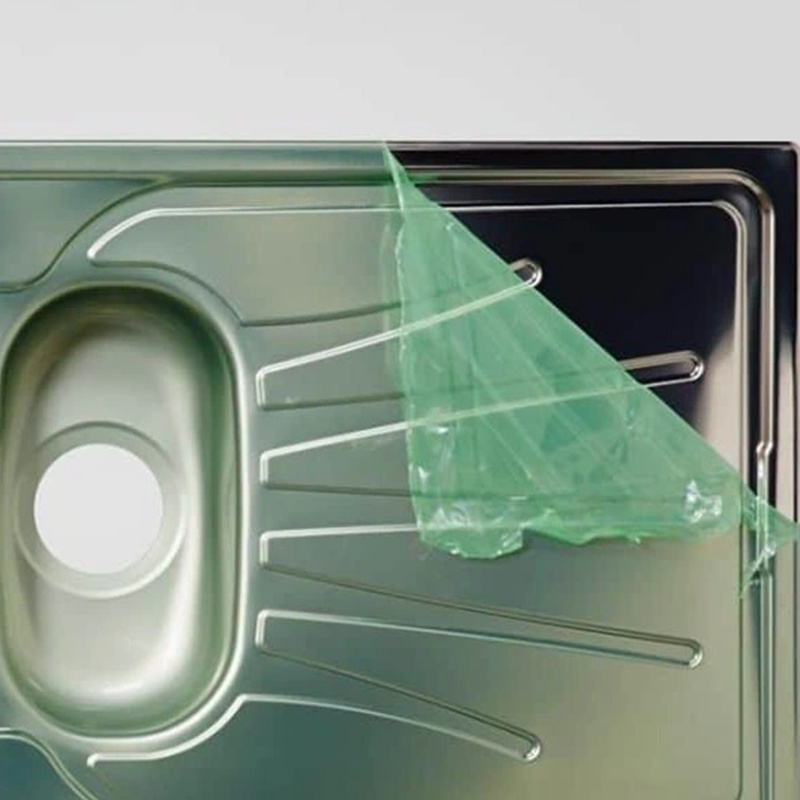 Wholesale Stainless steel protective film Suppliers, FactoryWuxi Wanfeng Protective Film Co., Ltd. is China wholesale Stainless steel protective film suppliers and Stainless steel protective film f...View Product →
Beyond easy removal, a good film protects the aesthetic finish of stainless steel during handling and installation. It prevents scratches, fingerprints, and oxidation, and it should peel away cleanly, without the residue that motivated this article.
The blue film on stainless steel is there to protect the surface, and it can be removed cleanly if you read its condition before choosing a method. Start with a corner, peel slowly, add heat when the film fights back, switch to a plastic scraper and solvent when it tears, and clean residue with the grain of the brushed finish. A few minutes of preparation will leave a stainless surface that looks as good as the day it was protected.

Copyright © Wuxi Wanfeng Protective Film Co., Ltd. All Rights Reserved.
 English
 русский