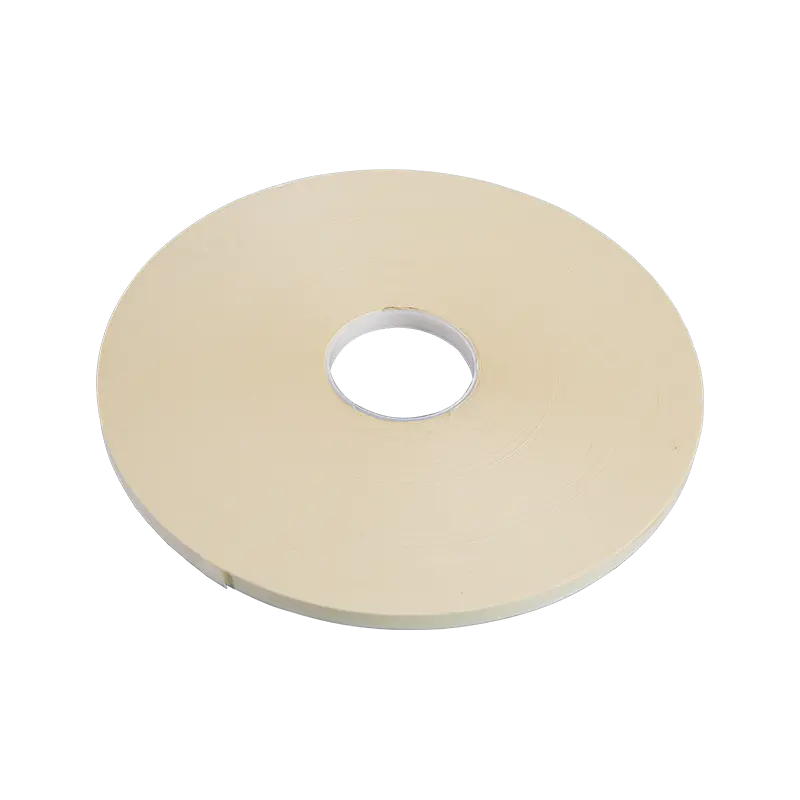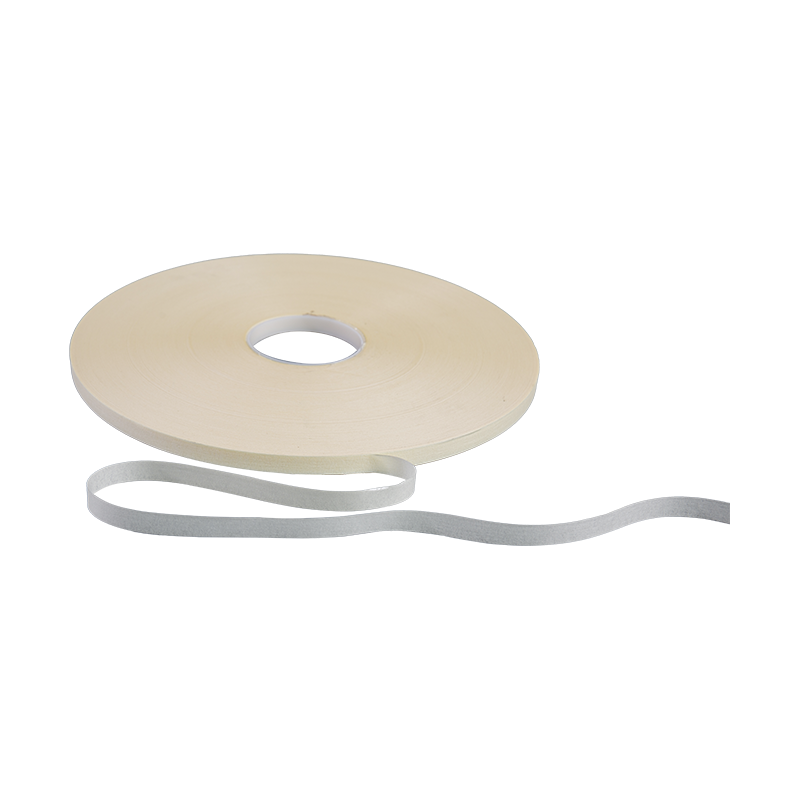
A carton that leaves your packing line looking perfectly sealed can still fail before it reaches the customer. In our decades of supplying adhesive tapes and protective films to packing and fabrication plants, we have seen the same pattern repeated: the tape gets blamed, but the real cause is how it was applied. Hot melt tape forms a strong bond almost instantly, so the seal is decided in the first few seconds by the surface condition, the pressure applied, and the way the tape is laid down. Get those right, and hot melt tape is one of the most reliable sealing products available. Get them wrong, and no amount of tape will save the package.
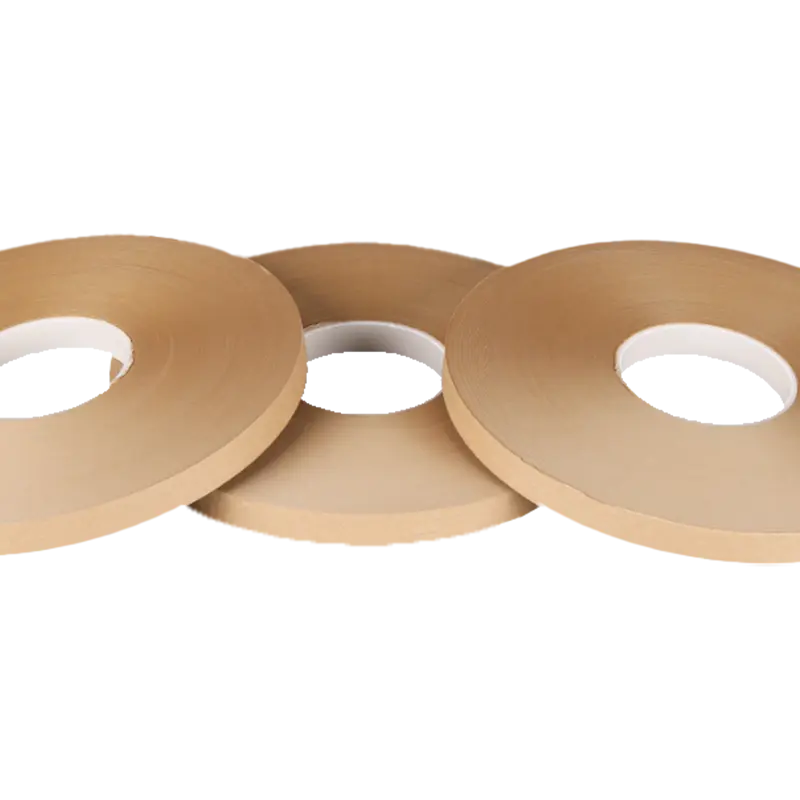
Hot melt tape is a pressure-sensitive tape coated with a synthetic rubber and resin adhesive. During manufacturing, the adhesive is melted and applied to the backing; once cooled, it becomes a permanently tacky layer. End users do not heat the tape during application. The tape is applied at room temperature, and the bond develops when pressure forces the adhesive into the cardboard’s fibers.
This construction gives hot melt tape two practical advantages. The first is speed: a carton sealed with hot melt tape can be palletized and loaded within seconds, whereas water-based acrylic tapes may take hours to reach full bond strength. The second is versatility: hot melt adhesive grips recycled corrugated board, plastic film, and slightly textured surfaces well, which is why it is the default choice for high-volume packaging lines.
Adhesive bonds to the board, not to the dust on top of it. Recycled corrugated board is the worst offender because it sheds short fibers that sit between the adhesive and the cardboard. Wipe the sealing area with a dry cloth, or fit a brush and compressed-air nozzle to your automatic case sealer. In humid climates, check the bottom flaps as well: cartons stored directly on a concrete floor absorb moisture, and moisture vapor weakens the adhesive’s grip on the fibers.
Hot melt adhesive becomes stiffer as temperature drops. Below 10°C (50°F), it needs noticeably more pressure to flow into the board texture. Store tape rolls in the packing area rather than in an unheated warehouse, and let cold cartons acclimate before sealing. If the line runs in a cold environment, increase the brush pressure on the machine or use a handheld roller after the tape is laid down.
Check the brake tension before starting a run. Too much tension stretches the polypropylene backing and makes the tape curl at the edge; too little tension leaves wrinkles and air pockets. The tape should pay off smoothly and lie flat the moment it touches the carton. A backing thickness of 45 to 50 microns is the most forgiving range for manual dispensers and automatic sealers because it resists stretching without feeling stiff.
Once the surface is clean and the dispenser is adjusted, the application itself takes a few seconds per carton.
Using hot melt tape correctly also means knowing when not to use it. Hot melt tape suits packaging, bundling, and sealing tasks where bond speed and holding power are the priority. For lightweight cartons that need clean removal from polished surfaces, a pressure-sensitive acrylic tape may be a better fit. For paper splicing and heavy-duty packaging where repulpability matters, a cold-pressed kraft tape is often the conventional choice.
| Property | Hot Melt Tape | Pressure-Sensitive Acrylic Tape |
|---|---|---|
| Adhesive | Synthetic rubber / resin | Acrylic emulsion |
| Bond speed | Instant to seconds | Minutes to hours |
| Best application | Carton sealing, bundling, molded parts | Light-duty sealing and general purpose |
| Cold resistance | Good to about 0°C (32°F) | Moderate |
| Removal behavior | Clean on smooth board; residue if stressed or heated | Low residue |
The table is a practical starting point, not a fixed rule. If you are deciding between technologies for a specific line, our detailed comparison of how hot melt tape differs from pressure-sensitive tape explains the behavior you can expect during application and in transit.
For carton sealing and bundling in packing plants, the hot melt tape we manufacture at our Wuxi facility uses a synthetic rubber/resin adhesive on a polypropylene film backing, with widths matched to handheld dispensers and automatic case sealers. It is applied exactly as described earlier in this guide — no heat guns, glue pots, or drying time required.
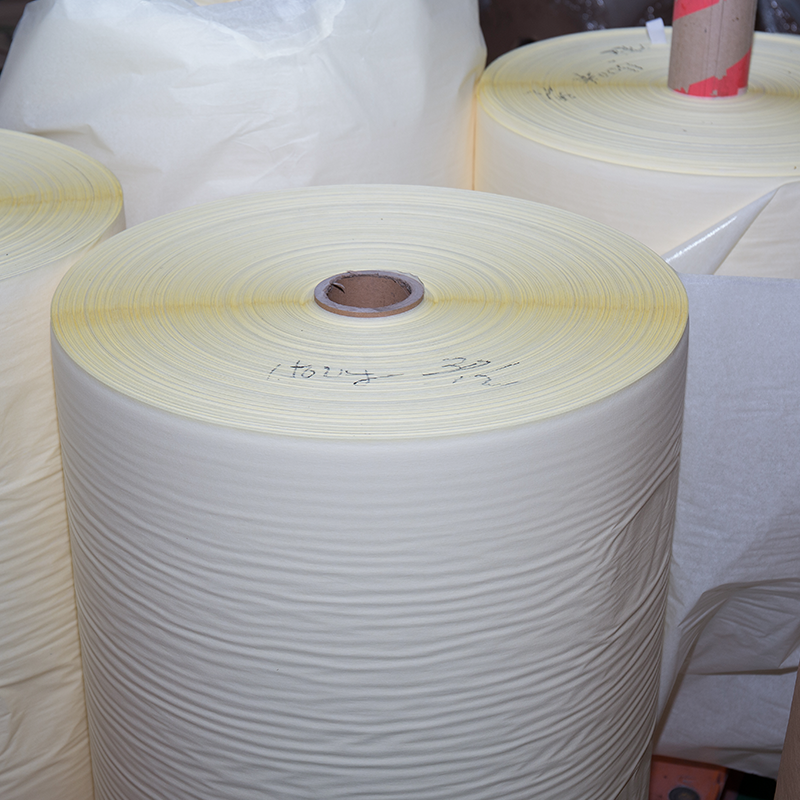 Wholesale Hot melt tape Suppliers, FactoryWuxi Wanfeng Protective Film Co., Ltd. is China wholesale Hot melt tape suppliers and Hot melt tape factory,Applicable industries: finish...View Product →
Hot melt tape can last for more than a year if stored correctly and fail within weeks if stored badly. Keep rolls in a cool, dry area at 5 to 30°C (41 to 86°F), away from sunlight, radiators, and damp walls. Stand rolls on end instead of stacking them flat, and do not place heavy objects on top of them. A deformed roll feeds unevenly through the dispenser and creates the exact wrinkles that weaken the seal.
Humidity also affects how the adhesive behaves at the moment of application. Our notes on how the adhesive on hot melt tape performs under varying humidity or moisture conditions cover what to expect in non-climate-controlled packing areas.
Removal behavior matters at the other end of the supply chain. On clean, smooth corrugated board, hot melt tape usually peels away without tearing the surface. If the tape has carried a heavy load for weeks or been exposed to heat, the adhesive may leave a rubbery mark. Our article on clean, residue-free removal describes how to minimize that risk.
Hot melt tape is simple to use, but simple is not the same as careless. Clean the surface, apply firm pressure from the center outward, let the tape reach room temperature, and store the rolls properly. Do that, and the tape will do its job from your packing line to the customer’s dock.

Copyright © Wuxi Wanfeng Protective Film Co., Ltd. All Rights Reserved.
 English
 русский