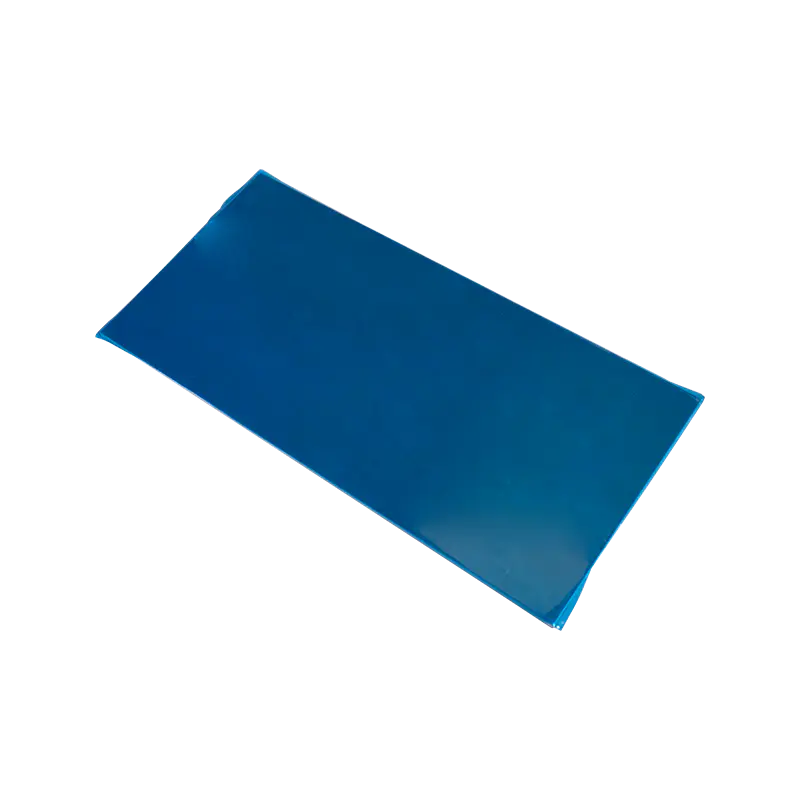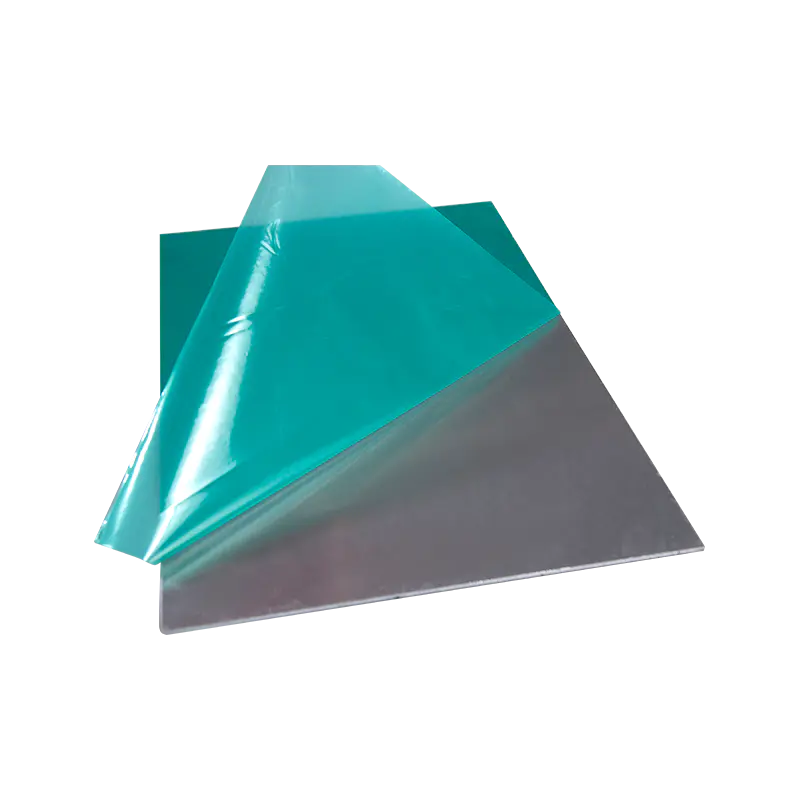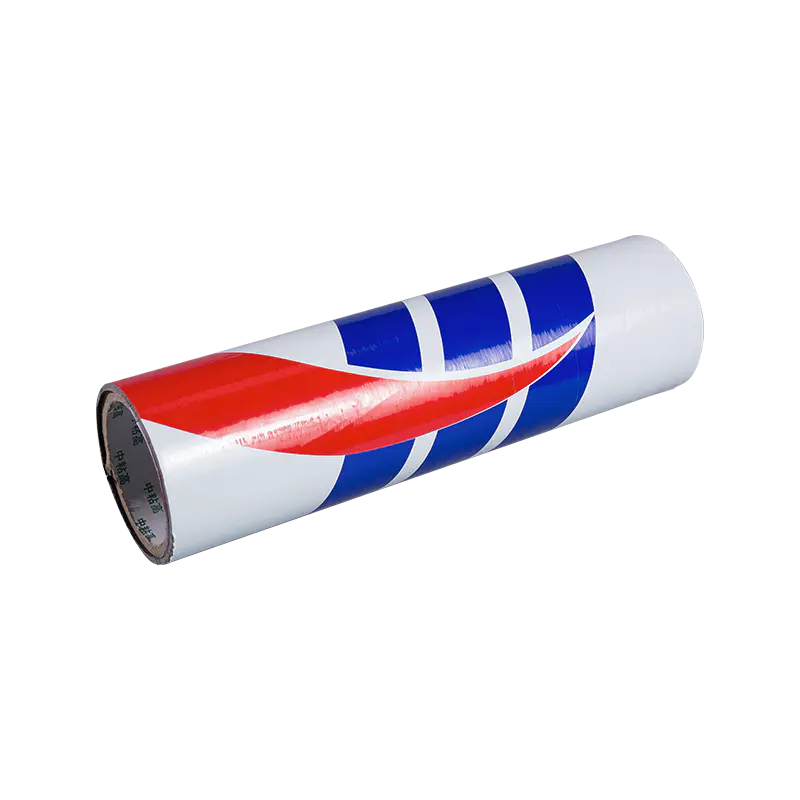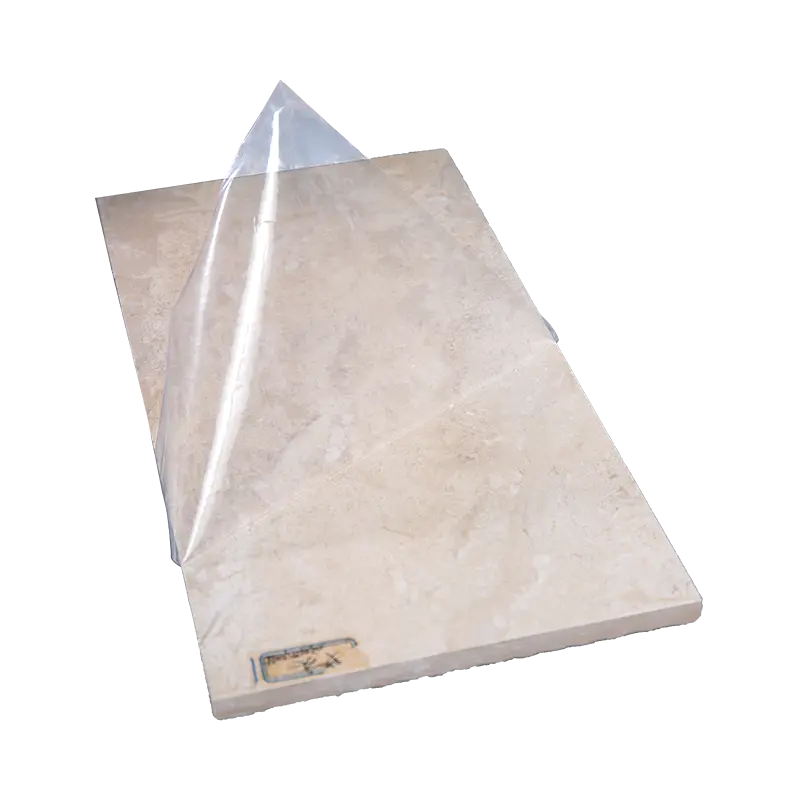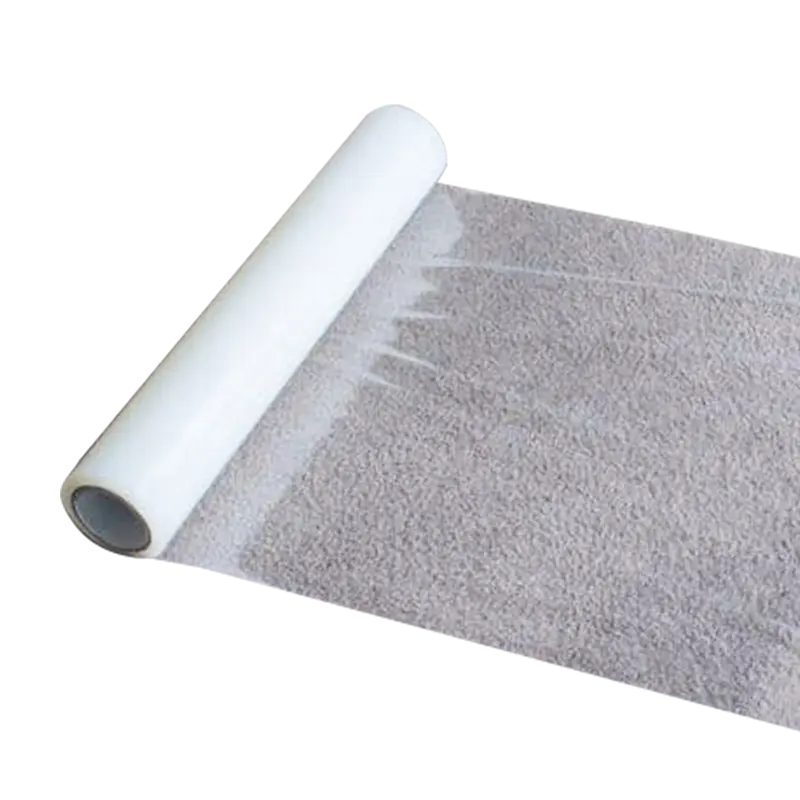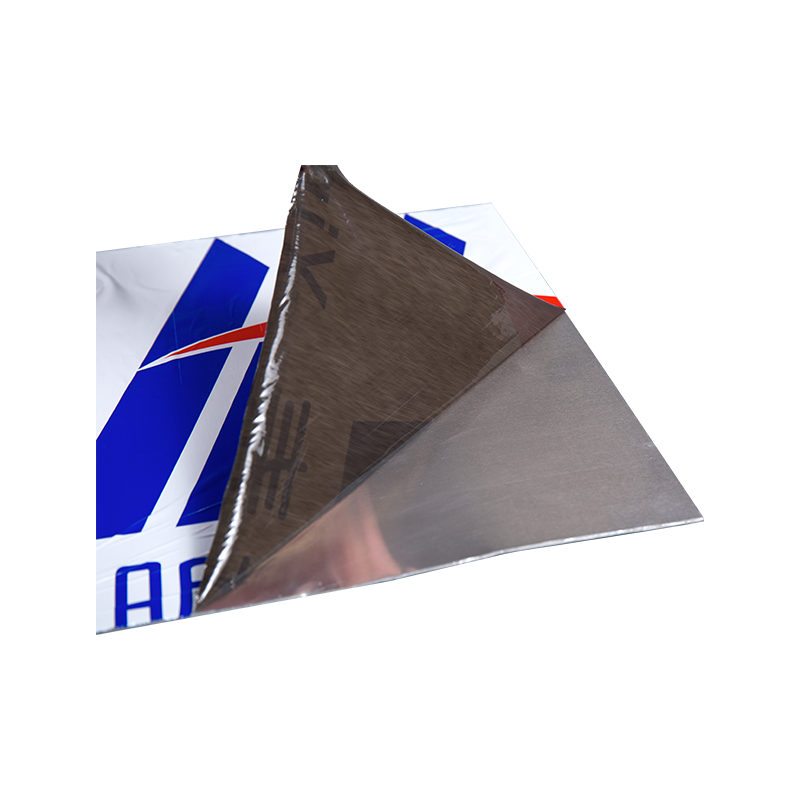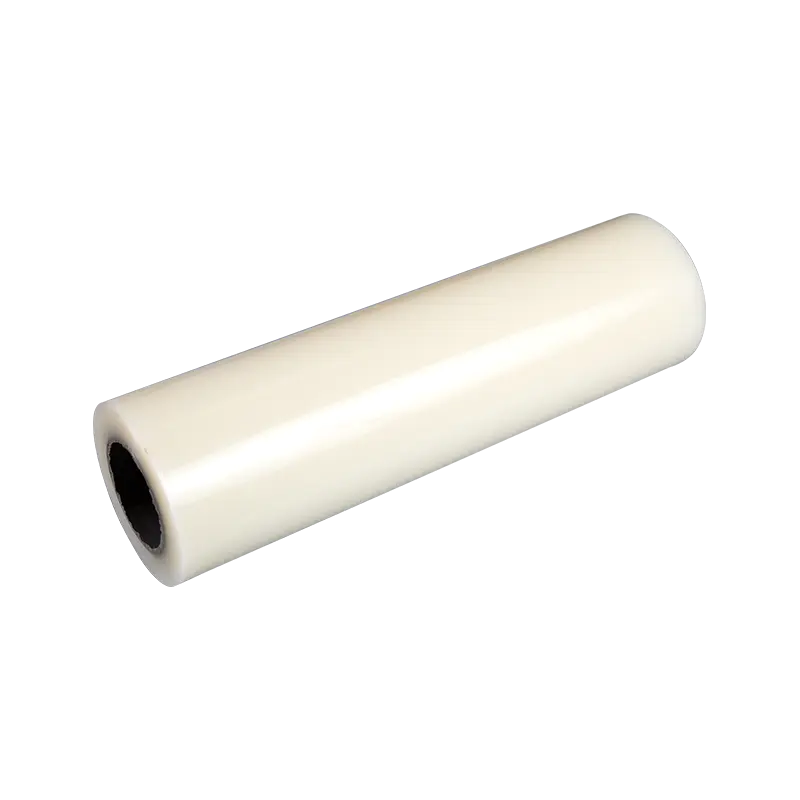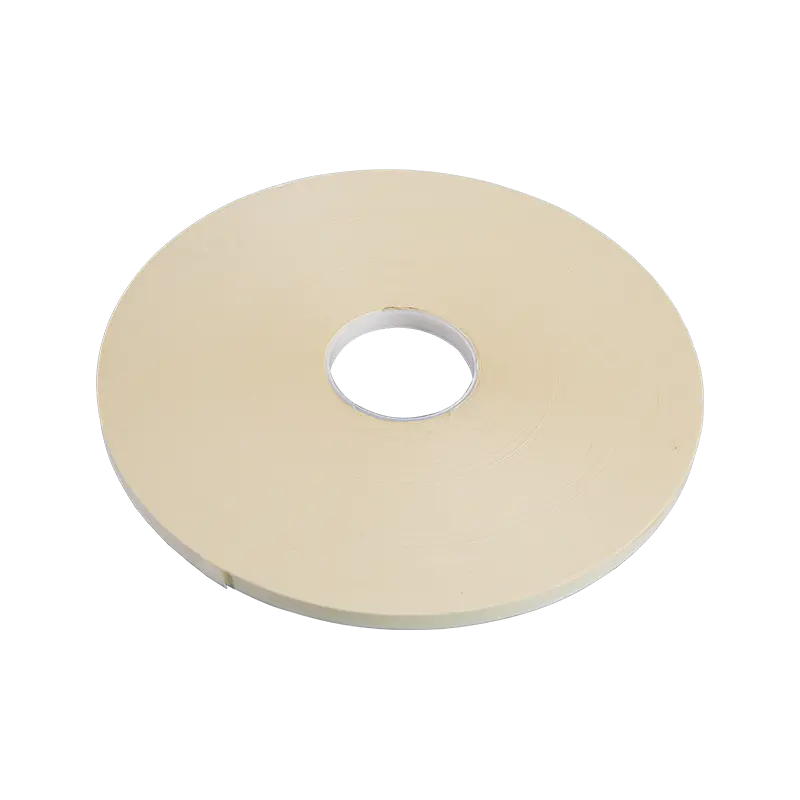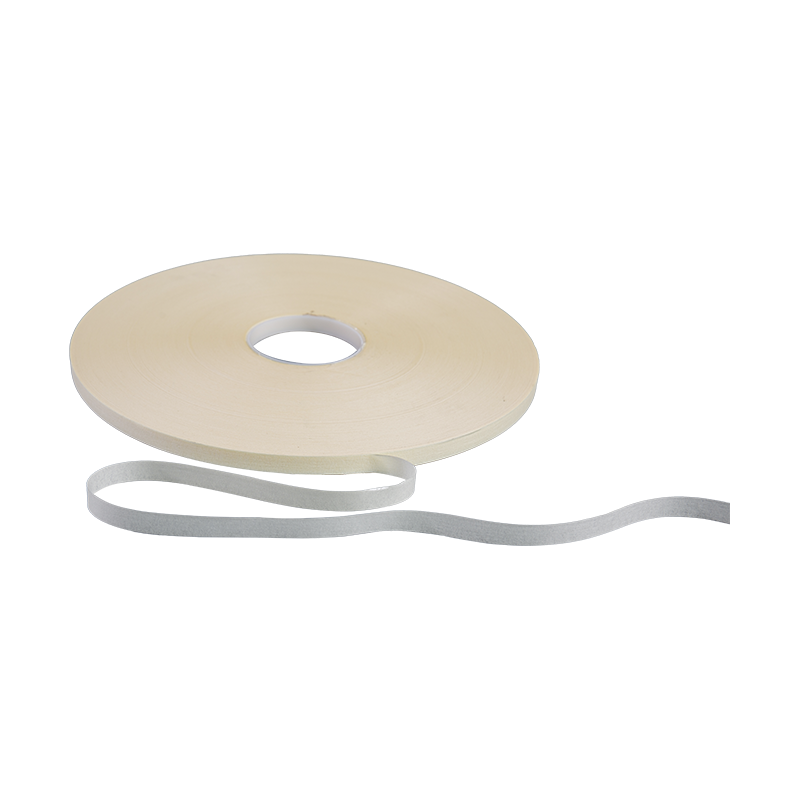
Aluminum profile protective film generally performs well during secondary processing operations such as cutting, drilling, bending, and CNC machining when the correct adhesion level and film thickness are selected. High-quality films are designed to stay firmly attached to the aluminum surface during machining, preventing scratches, tool marks, and contamination. At the same time, they should peel off cleanly after processing without leaving adhesive residue. In most industrial applications, protective films with thicknesses between 40–80 microns and medium adhesion levels are commonly used because they balance durability and removability during machining operations.
However, the performance of Aluminum profile protective film during secondary processing is influenced by several factors, including film material, adhesive formulation, machining speed, tool type, and environmental conditions. Understanding how these variables interact helps manufacturers ensure consistent surface protection throughout fabrication and finishing processes.
During fabrication, aluminum profiles undergo multiple operations that expose their surfaces to mechanical stress. These operations include sawing, drilling holes, bending frames, and machining grooves using CNC equipment. Without surface protection, aluminum—especially anodized or powder-coated surfaces—can easily suffer scratches, abrasion, or contamination.
The primary purpose of Aluminum profile protective film in these processes is to provide a temporary barrier between the aluminum surface and external mechanical contact. This barrier reduces friction between tools and surfaces and prevents debris from embedding into the finish.
In many architectural aluminum applications, surface defects can reduce product value significantly. For example, a single visible scratch on anodized aluminum frames used in curtain walls can lead to rejection rates of 3–5% of finished components. Properly applied protective film significantly reduces this risk.
Cutting is one of the most common secondary processing operations for aluminum profiles. Circular saws or band saws are typically used to cut long extrusions into precise lengths. During this operation, Aluminum profile protective film must remain firmly bonded to the surface despite vibration and tool contact.
High-quality polyethylene protective films generally demonstrate strong resistance to tearing and edge lifting. When properly applied, the film remains intact even when cutting speeds reach 3,000–5,000 RPM on industrial saws.
In practical manufacturing environments, the presence of protective film can reduce surface defect rates after cutting by up to 60% compared to unprotected aluminum profiles.
Drilling and CNC machining involve high-speed rotational tools that generate friction, heat, and metal chips. Aluminum profile protective film must withstand these conditions without melting, shifting, or contaminating the workpiece.
Most industrial protective films are made from polyethylene (PE), which has a melting point of approximately 110–130°C. Since machining temperatures usually remain below this range due to coolant systems, the film generally maintains structural integrity throughout the process.
| Processing Type | Typical Machine Speed | Film Behavior | Protection Result |
|---|---|---|---|
| Drilling | 1000–3000 RPM | Remains stable around drilling area | Prevents clamp scratches |
| CNC Milling | 5000–20000 RPM | Resists chip damage | Surface remains intact |
| Groove Machining | 3000–8000 RPM | Edges may partially cut | Main surface still protected |
Although the film may be partially cut or penetrated at machining points, the surrounding surface remains protected from machine clamps, debris, and tool contact.
Bending aluminum profiles introduces tensile and compressive stress on the material surface. During this process, Aluminum profile protective film must stretch slightly without tearing or losing adhesion.
Flexible polyethylene films can elongate by approximately 200–400% before breaking. This elasticity allows the film to adapt to moderate bending without cracking.
However, extremely tight bending radii or aggressive forming operations may cause localized film wrinkling. For these cases, manufacturers sometimes choose thinner films around 30–50 microns to improve flexibility.
Several technical factors determine how effectively Aluminum profile protective film performs during secondary processing operations. Selecting the correct combination of film properties and process parameters is essential.
When these variables are properly controlled, protective film can remain effective throughout the entire manufacturing process—from extrusion to final installation.
Manufacturers can maximize the performance of Aluminum profile protective film during machining by following several practical guidelines. These practices help maintain strong adhesion while ensuring easy removal after processing.
Following these guidelines ensures that the protective film continues to deliver consistent protection throughout fabrication while maintaining easy removal and leaving the aluminum surface in optimal condition.

Copyright © Wuxi Wanfeng Protective Film Co., Ltd. All Rights Reserved.
 English
 русский