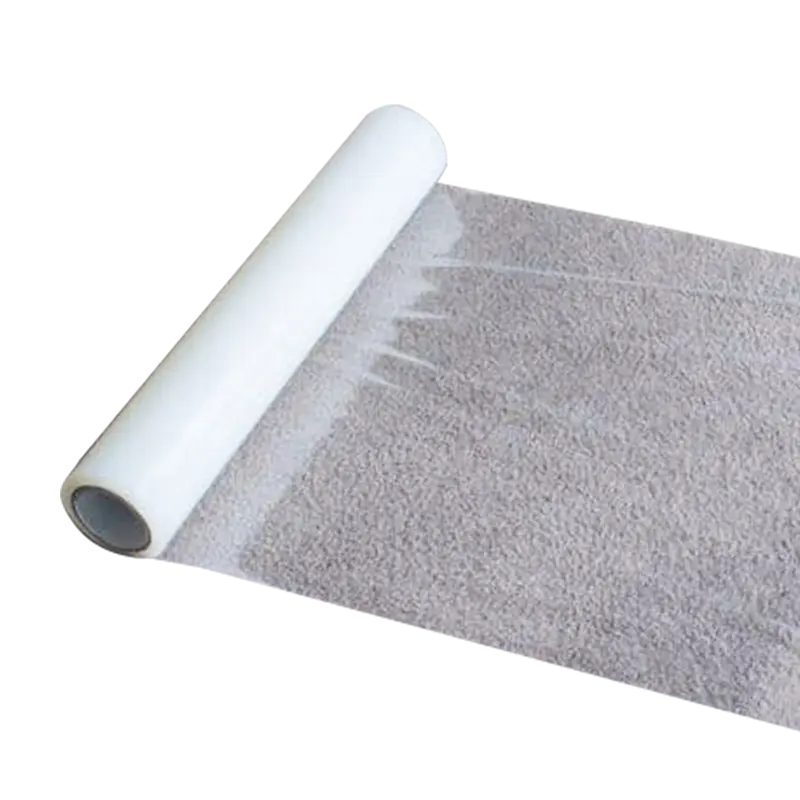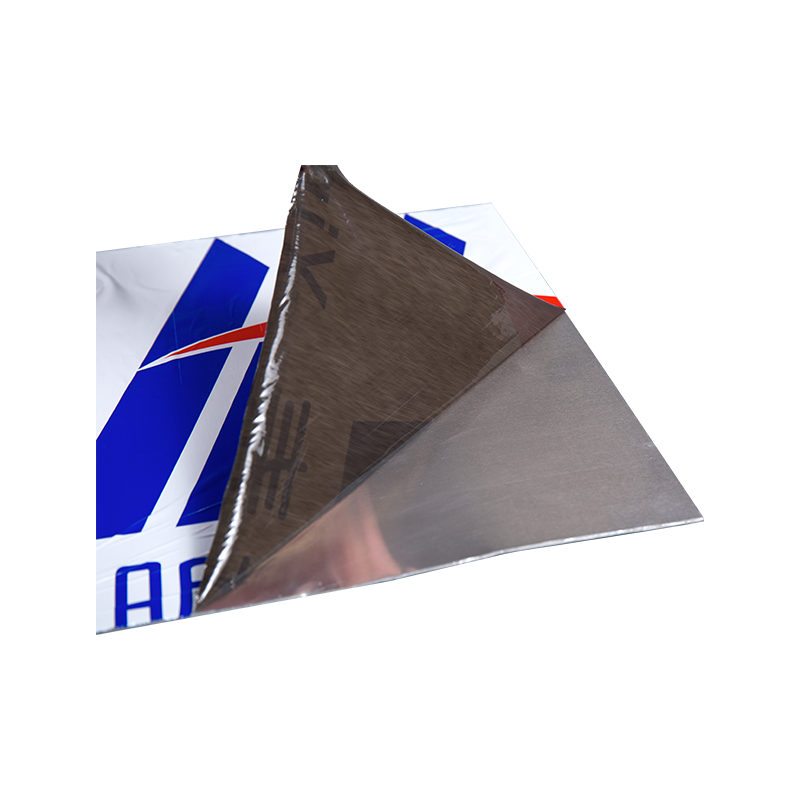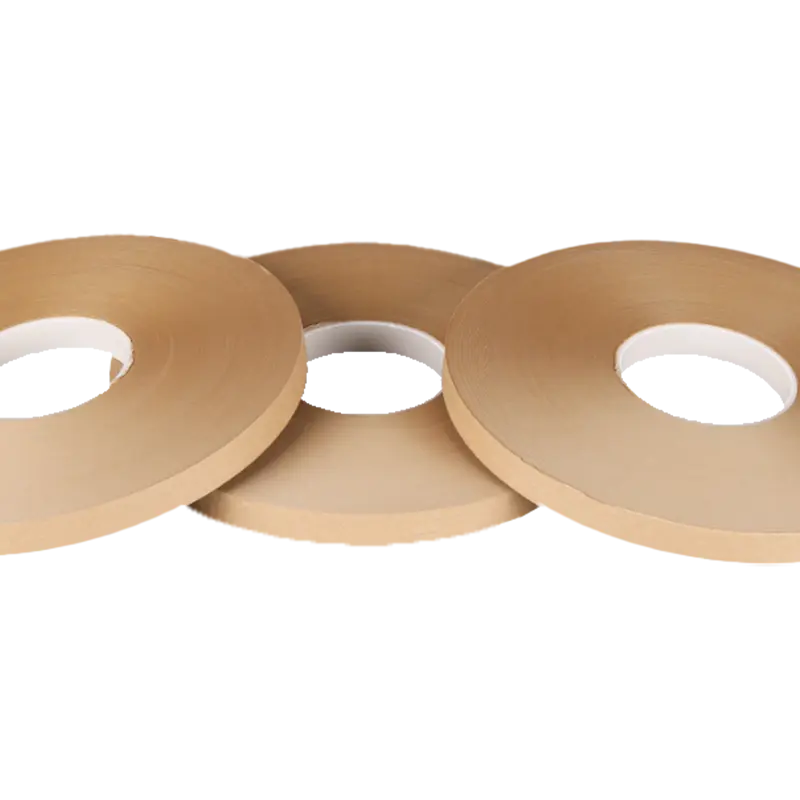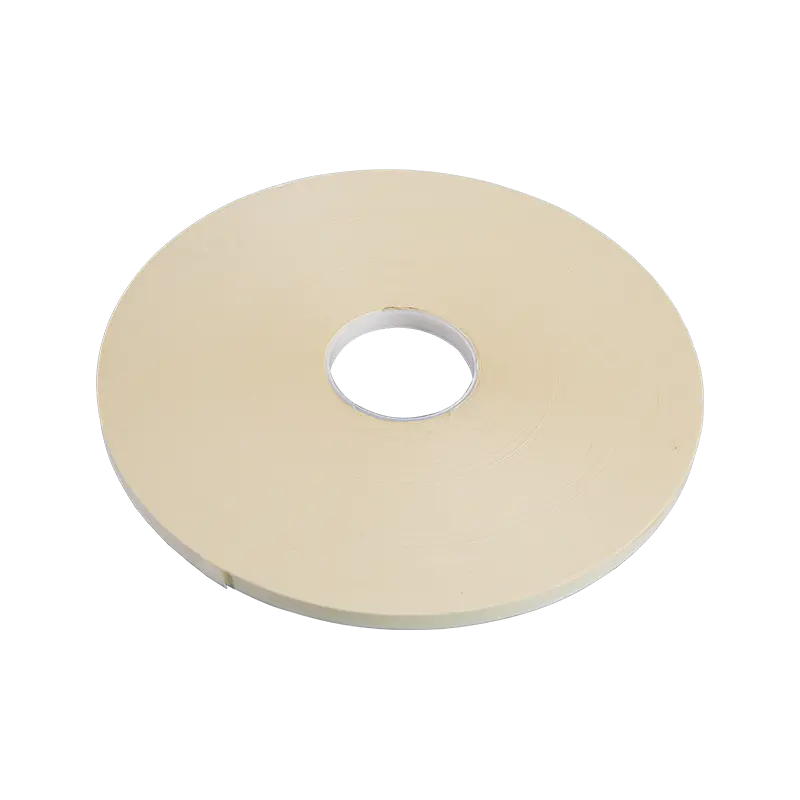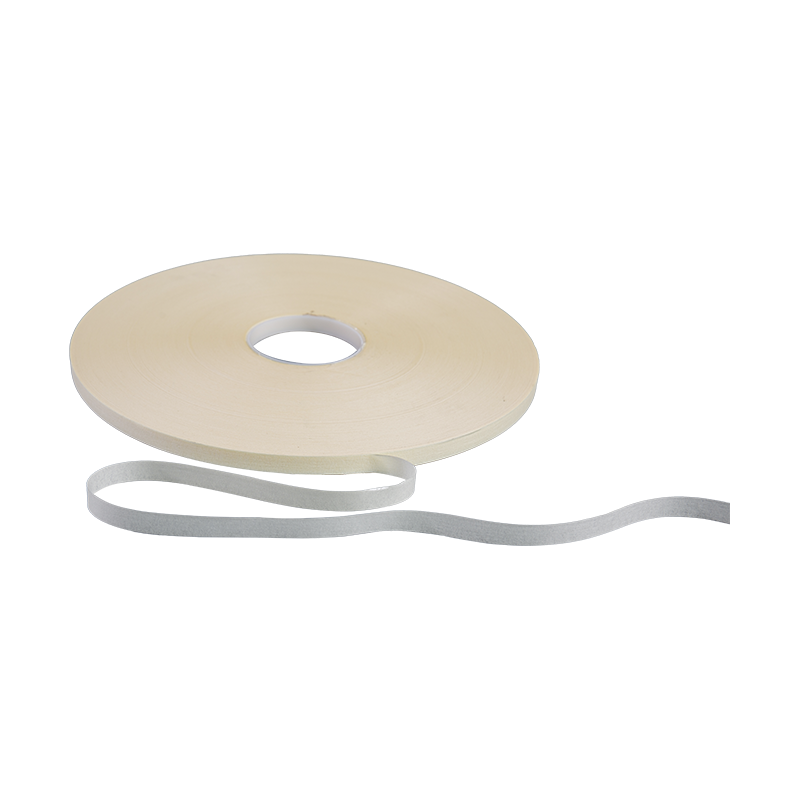
Adhesion compatibility and surface interaction: Brown Masking Paper is engineered to provide optimal compatibility with painter’s tape and other adhesive products, ensuring that the tape adheres securely to the paper without excessively bonding to the underlying surface. The slightly textured or fibrous surface of Brown Masking Paper allows the adhesive to grip firmly, holding the paper in place even on vertical, contoured, or irregular surfaces. This controlled adhesion prevents the tape from slipping or the paper from shifting during painting or coating operations. The balance of adhesion is critical: if the tape’s bond is too strong relative to the paper, it can tear the masking paper during removal, leaving fragments behind; if the bond is too weak, the tape may lift or allow gaps where paint or overspray can penetrate. High-quality Brown Masking Paper is manufactured to maintain this precise balance, enabling reliable masking in both commercial and industrial applications.
Prevention of paint bleed-through and overspray: One of the most important functions of Brown Masking Paper when used with adhesive products is its ability to act as a protective barrier, preventing paint, primer, or other coatings from seeping under the tape edges. Its thickness, opacity, and density create an effective physical block that maintains clean lines and sharp edges, especially during spray painting, powder coating, or high-volume finishing operations. When paired with compatible painter’s tape, the paper-tape combination significantly reduces the risk of bleed-through, pinholes, or uneven coatings along masked boundaries. In professional settings, this property is critical for achieving consistent finishes on automotive panels, cabinetry, metalwork, or architectural surfaces.
Ease of removal and residue management: A major advantage of Brown Masking Paper is that it allows adhesive products, including painter’s tape, to be removed cleanly after painting without leaving adhesive residue or damaging the substrate. The paper’s composition prevents chemical interactions between the tape adhesive and the surface coating, even when the tape has been applied for extended periods or exposed to heat and moisture during curing processes. This property is particularly valuable for sensitive or finished surfaces, such as automotive paints, wood finishes, or industrial coatings, where residue or surface damage could compromise quality and require costly rework. By ensuring clean removal, Brown Masking Paper improves workflow efficiency and reduces post-finishing cleanup.
Durability under tension, bending, and environmental stress: When used in combination with painter’s tape, Brown Masking Paper provides structural integrity that distributes the tape’s adhesion across the surface evenly. This ensures that the paper does not tear, wrinkle, or lift under normal tension, making it ideal for masking curves, edges, and irregular shapes. Its tensile strength allows it to withstand manipulation, repeated handling, or the weight of overlapping layers without compromising the masking barrier. Brown Masking Paper retains its performance under environmental stressors, including humidity, temperature fluctuations, and moderate wind exposure, making it suitable for both indoor and outdoor applications. The combination of tensile strength and flexibility ensures that the paper and tape remain securely in place throughout the entire painting or coating process.
Professional techniques and optimization for industrial use: To achieve the best performance, using Brown Masking Paper with adhesive products requires attention to professional application techniques. Aligning painter’s tape precisely along the edge of the paper, avoiding overstretching the paper, and smoothing out air pockets enhances adhesion and minimizes the risk of gaps or bleed-through. In industrial or automotive contexts, pre-perforated rolls of Brown Masking Paper or rolls with standardized widths can improve application speed, reduce waste, and enhance masking accuracy. Additional methods, such as layering the paper with overlapping sections or using complementary adhesive films in high-risk areas, further optimize protection and finish quality. Proper application ensures that the combined system of paper and adhesive maximizes efficiency, maintains high-quality results, and supports consistent outcomes in commercial and professional operations.

Copyright © Wuxi Wanfeng Protective Film Co., Ltd. All Rights Reserved.
 English
 русский