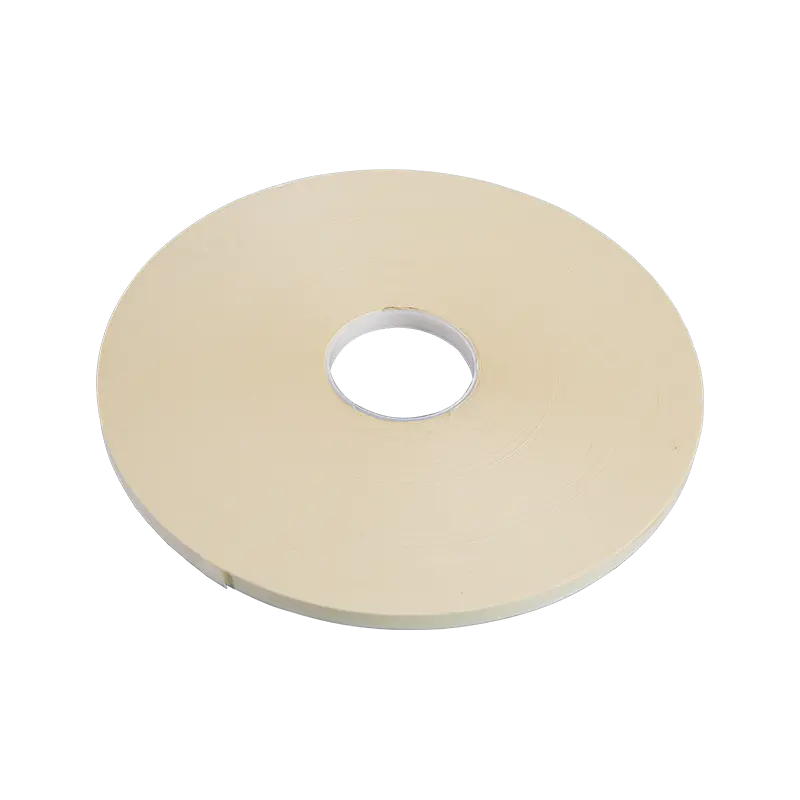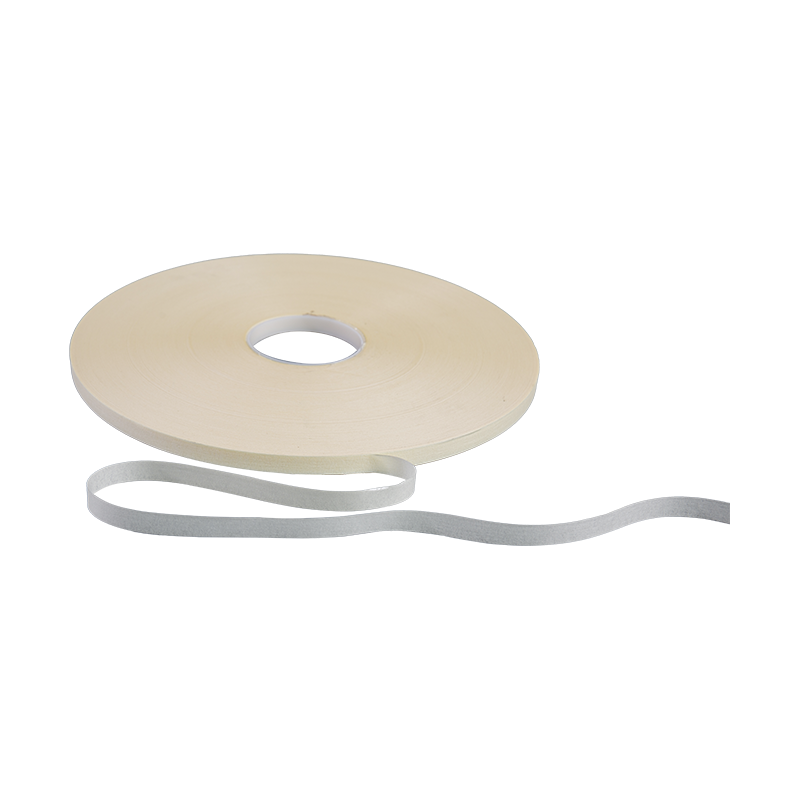
Long-term exposure of Electrolytic capacitor paper to electrolytes significantly affects both its structural integrity and insulating performance. Studies show that over 5–10 years of continuous operation, the paper's tensile strength can decrease by up to 35%, while its dielectric resistance may decline by 20–30%. These degradations directly contribute to increased leakage current, reduced capacitance stability, and higher failure rates in aluminum electrolytic capacitors.
In practical terms, capacitors subjected to prolonged electrolyte interaction without protective design measures are more likely to experience early failure, especially in high-temperature or high-voltage applications.
Electrolytic capacitor paper is typically composed of high-purity cellulose fibers with a porous structure designed to absorb electrolytes. Over time, several degradation mechanisms occur:
These processes cumulatively reduce the paper’s mechanical support for the anode-cathode assembly, increasing the risk of internal short circuits.
The insulating function of electrolytic capacitor paper relies on both the physical barrier of fibers and the dielectric properties of cellulose. Long-term exposure to electrolytes can cause:
These electrical effects are especially pronounced in high-frequency or high-voltage circuits, where insulation reliability is critical.
Temperature accelerates degradation: for every 10°C increase above 85°C, the chemical reaction rates within the paper rise approximately twofold. Capacitors using aqueous or acidic electrolytes exhibit faster cellulose hydrolysis than those with neutral or low-water-content electrolytes.
High-purity paper with controlled porosity can mitigate some effects by evenly distributing the electrolyte and minimizing localized stress points.
To extend the operational life of capacitors, manufacturers and users can adopt several strategies:
The table below illustrates typical changes in tensile strength and dielectric performance for electrolytic capacitor paper exposed to a standard aqueous electrolyte at 85°C over a 10-year operational period:
| Time (Years) | Tensile Strength (% of initial) | Dielectric Resistance (% of initial) |
|---|---|---|
| 0 | 100 | 100 |
| 5 | 78 | 85 |
| 10 | 65 | 70 |
This data highlights the importance of material selection and operational management to ensure capacitor longevity.
Long-term electrolyte exposure compromises both the structural and insulating properties of electrolytic capacitor paper, with measurable declines in tensile strength and dielectric resistance. By selecting high-quality paper, optimizing electrolyte composition, and controlling operating temperature, manufacturers and engineers can significantly mitigate degradation effects and prolong capacitor service life.

Copyright © Wuxi Wanfeng Protective Film Co., Ltd. All Rights Reserved.
 English
 русский