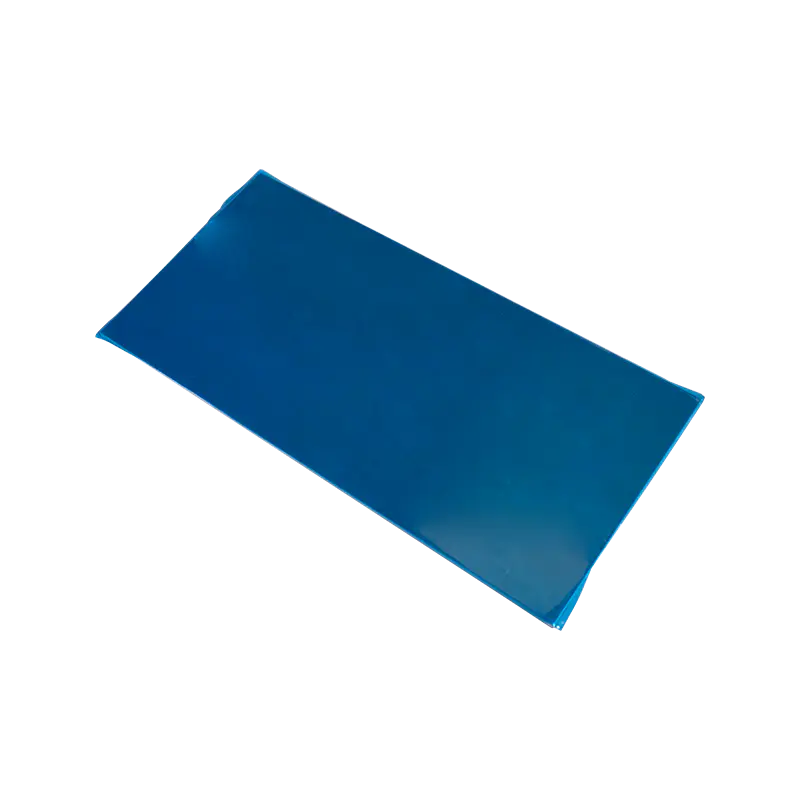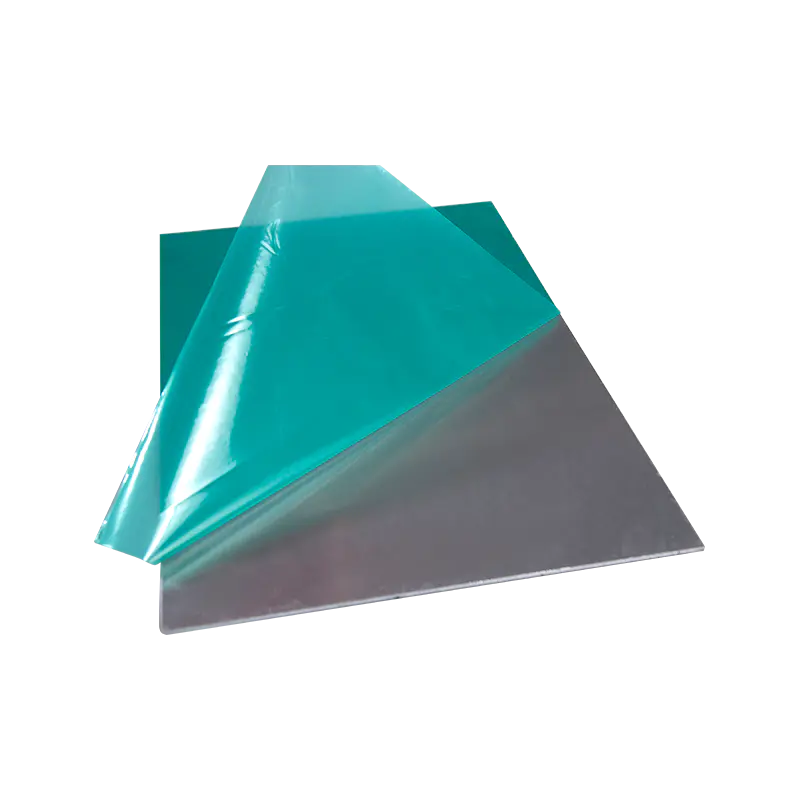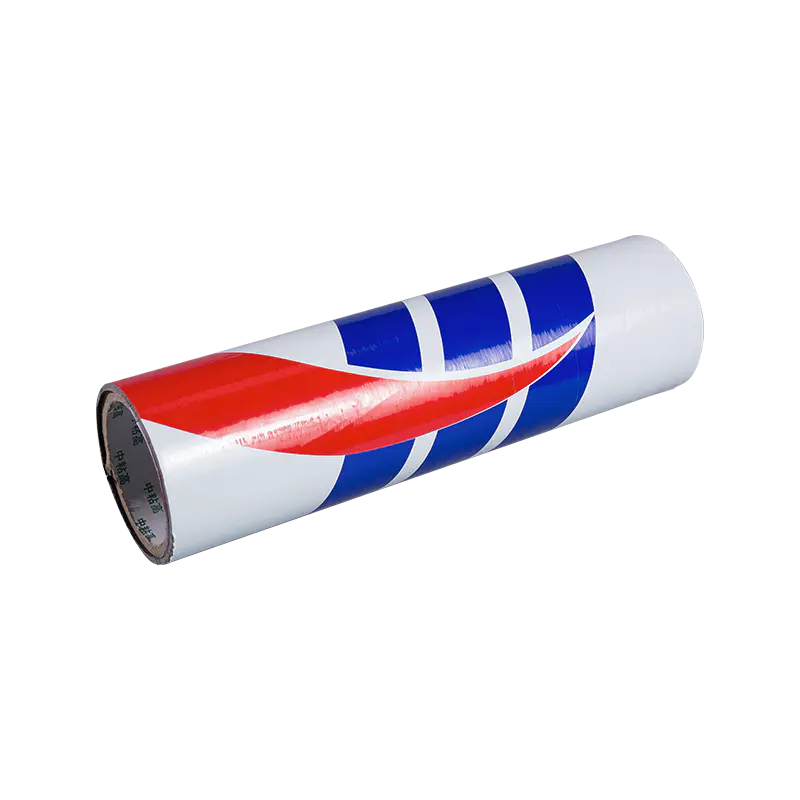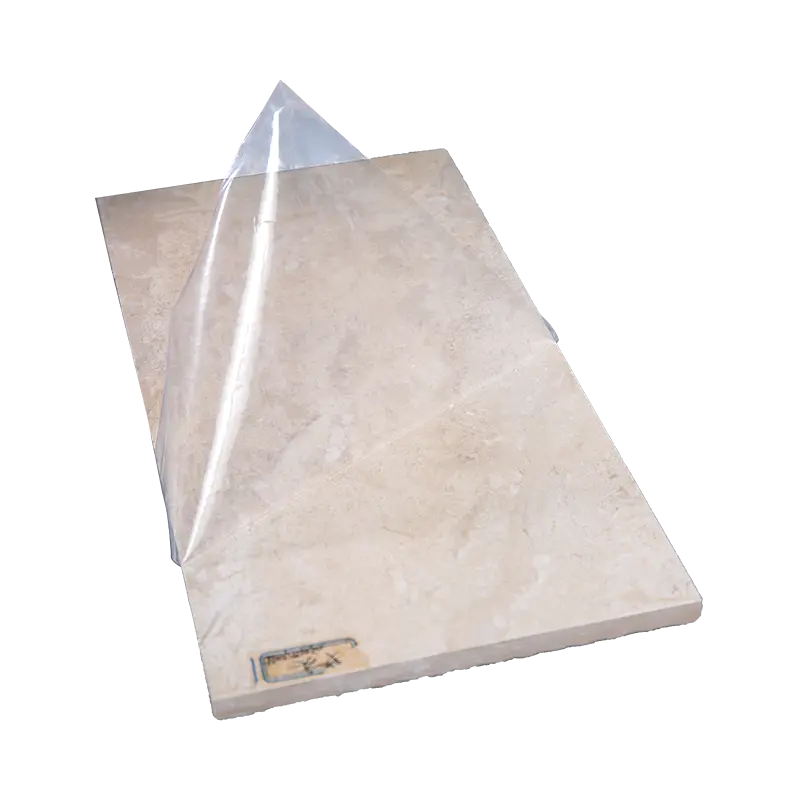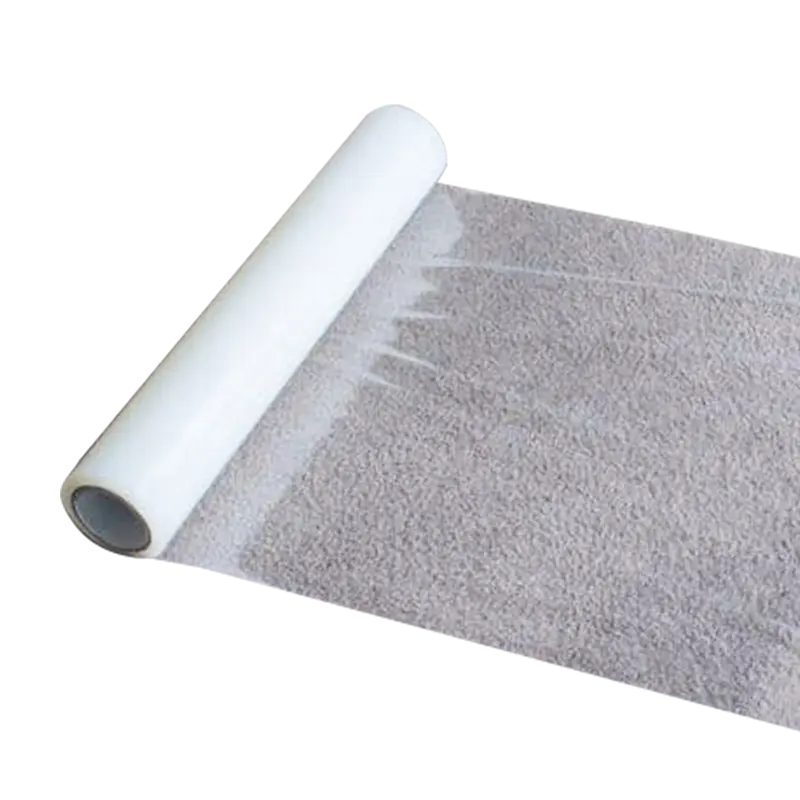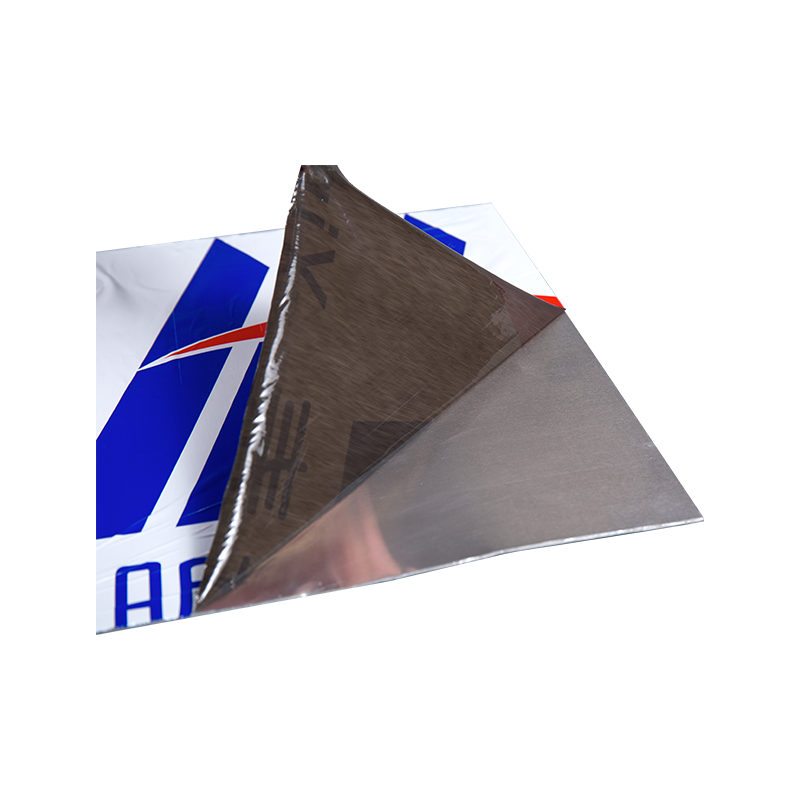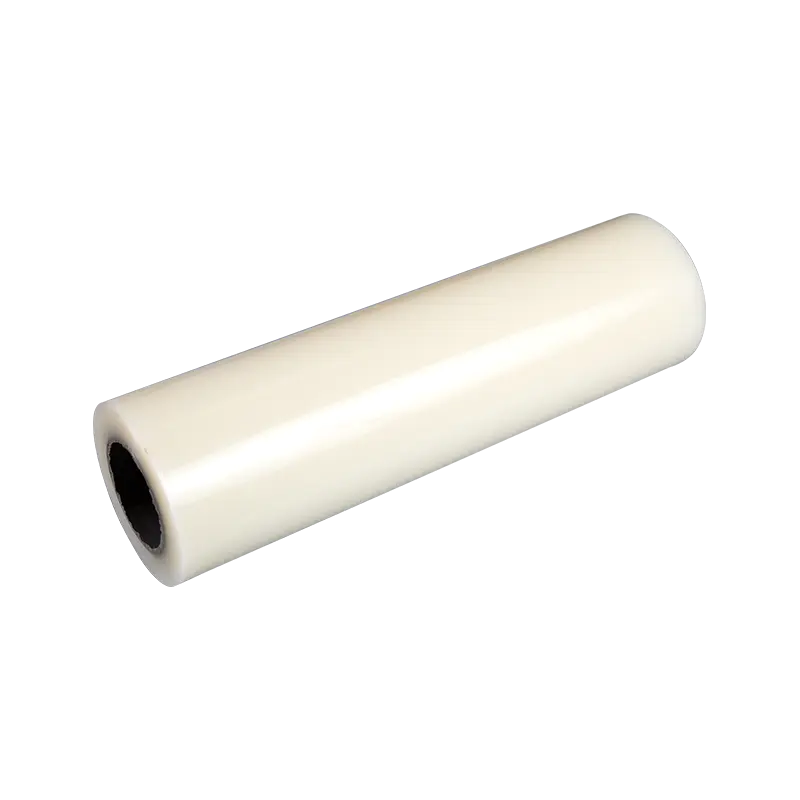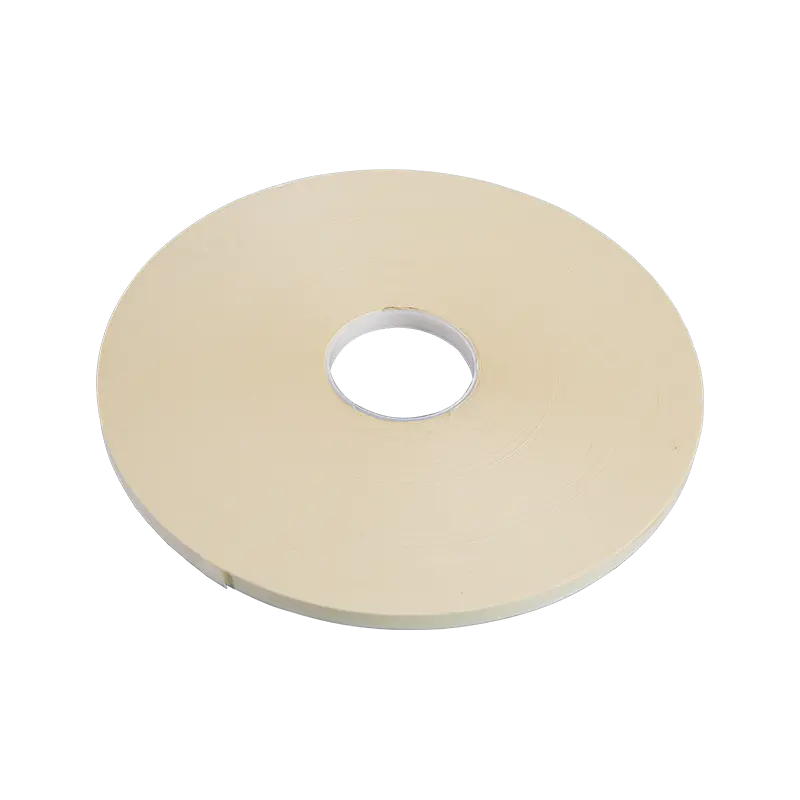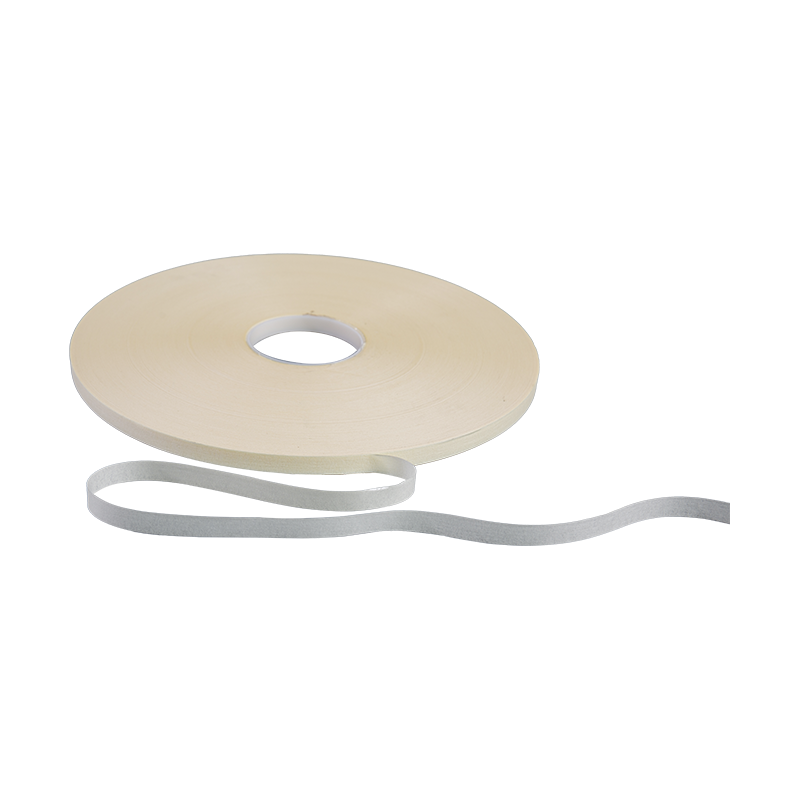
Stainless steel protective film exhibits high resistance to oils, fingerprints, and smudges, maintaining surface clarity and hygiene in both residential and industrial environments. Laboratory testing indicates that surfaces covered with this protective film retain over 90% of their original shine after repeated contact with oily substances and finger marks, significantly outperforming unprotected stainless steel.
The key to the effectiveness of Stainless steel protective film lies in its specialized surface chemistry and micro-texture. The film typically incorporates a hydrophobic layer that repels water and oils while a smooth, low-friction coating prevents fingerprint adhesion. This dual mechanism ensures that contaminants are less likely to stick and are easier to clean.
Modern formulations often include a self-cleaning component, which allows minor smudges to be removed simply by wiping with a dry microfiber cloth, without the need for harsh chemicals. This contributes to both longevity and environmental safety.
To evaluate the performance of Stainless steel protective film, standardized tests measure the surface’s response to typical contaminants, including oils from food handling, fingerprint residue, and industrial greases.
| Contaminant Type | Adhesion on Unprotected Steel | Adhesion on Protected Steel | Ease of Cleaning |
|---|---|---|---|
| Cooking Oil | High | Low | Very Easy |
| Fingerprint Residue | Moderate | Minimal | Easy |
| Industrial Grease | High | Moderate | Moderate |
For optimal performance, Stainless steel protective film must be applied to a clean, dry surface. Even minor dust or oil traces during application can reduce the film's effectiveness against fingerprints and smudges. Professional-grade films often come with an air-release layer to ensure a bubble-free finish.
The film thickness also matters. Typical protective films range from 50 to 100 microns. Thicker films provide enhanced durability against mechanical wear, but may slightly affect surface gloss, while thinner films maintain a nearly invisible finish but may require more frequent replacement.
Maintaining surfaces protected with Stainless steel protective film is simple and cost-effective. Recommended practices include:
In kitchens, hospitals, and industrial environments, Stainless steel protective film reduces cleaning time and prevents surface deterioration. For instance, commercial kitchens using the film on prep tables reported a 50% reduction in cleaning labor and a noticeable decrease in permanent fingerprint marks on high-touch areas.
In consumer appliances, applying the film on refrigerators or ovens keeps stainless steel looking new even after months of daily handling. Manufacturers also benefit from lower warranty claims due to scratch and smudge protection.
While Stainless steel protective film offers excellent resistance, it is not completely impervious to aggressive chemicals, abrasive tools, or very high-temperature exposure. Surfaces with heavy mechanical contact may require periodic replacement to maintain optimal protection.
Choosing the right film type—matte, glossy, or textured—can also impact performance. Textured finishes may hide fingerprints better but can slightly increase cleaning effort for sticky oils. Glossy finishes provide aesthetic appeal but show smudges more clearly.
Stainless steel protective film is highly effective at resisting oils, fingerprints, and smudges, enhancing both hygiene and appearance. Proper application, appropriate thickness selection, and basic maintenance allow users to maximize its lifespan and functionality. Whether in industrial settings or domestic environments, the protective film offers a practical, cost-efficient solution for maintaining stainless steel surfaces in pristine condition.

Copyright © Wuxi Wanfeng Protective Film Co., Ltd. All Rights Reserved.
 English
 русский