 English
 русский
Materials & Surface Engineering
How PE Protective Film Adheres to Surfaces
An inside look at the adhesive chemistry, peel-strength engineering, and application science that keeps industrial surfaces protected — and how it compares to clear paint protection film.
The Direct Answer: How PE Protective Film Adheres to Surfaces
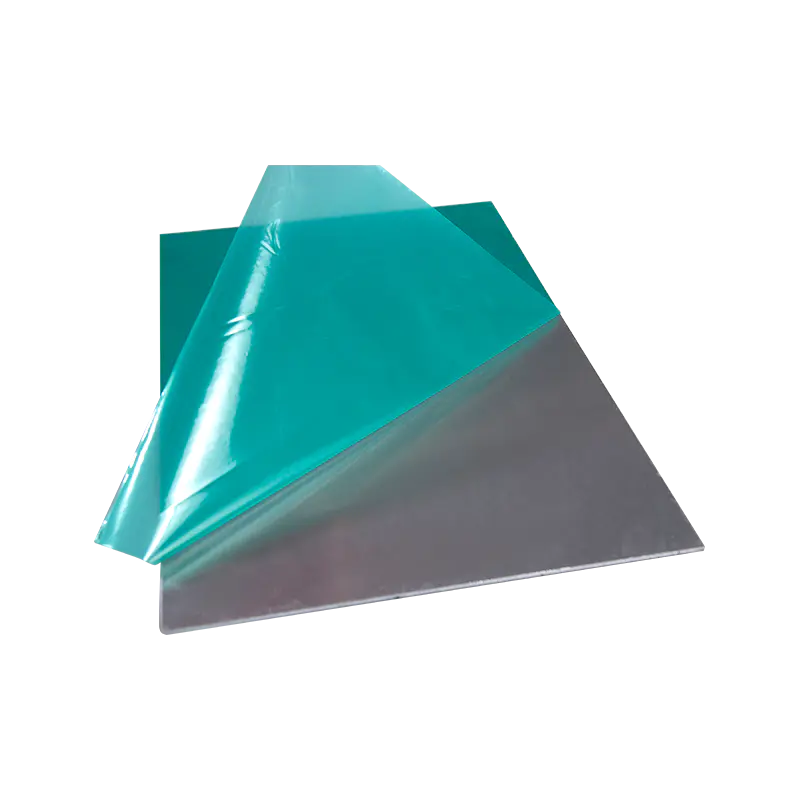
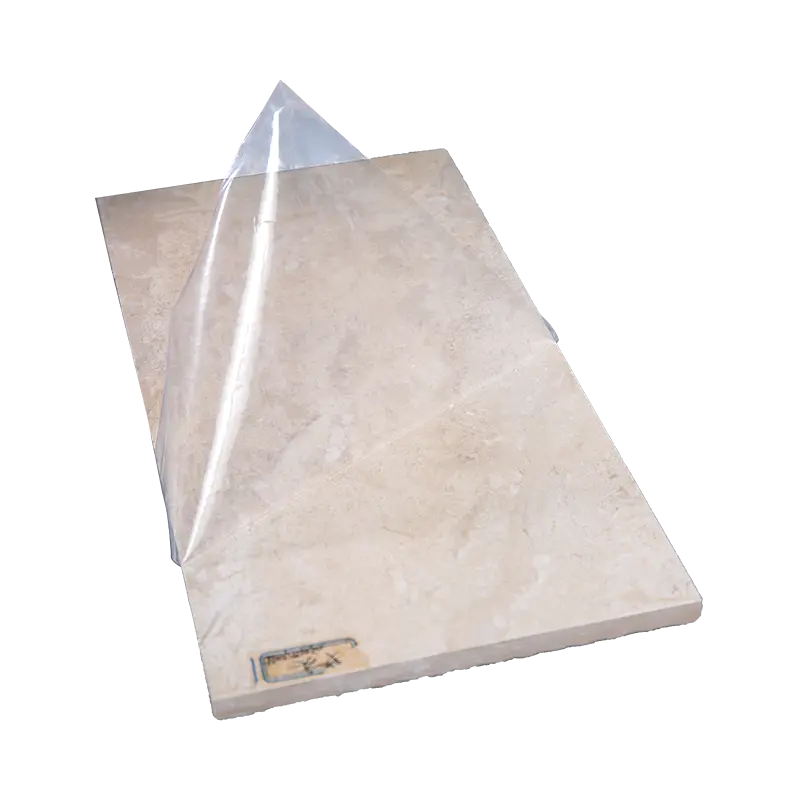
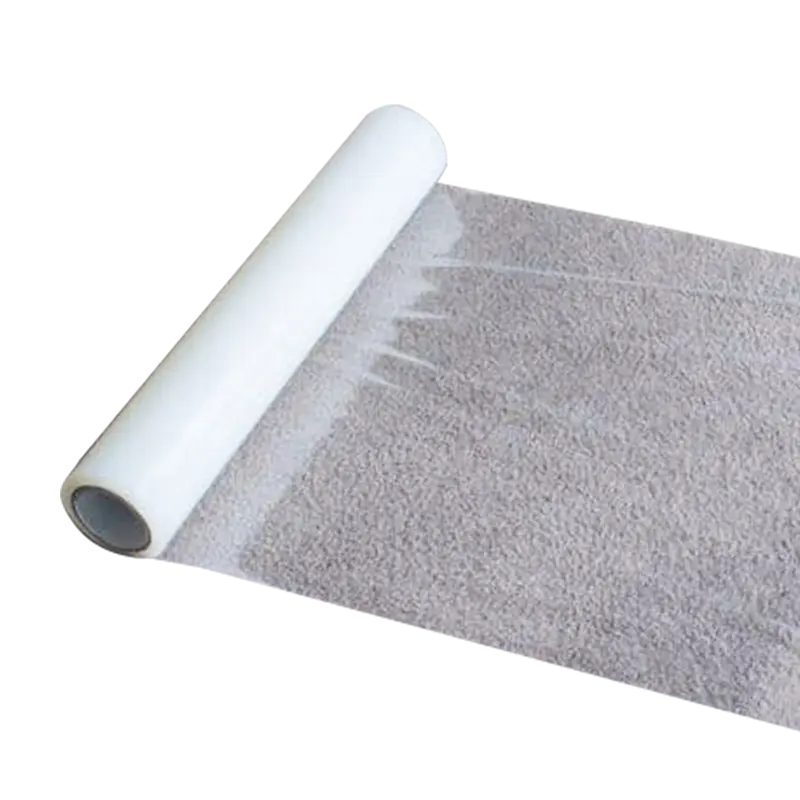
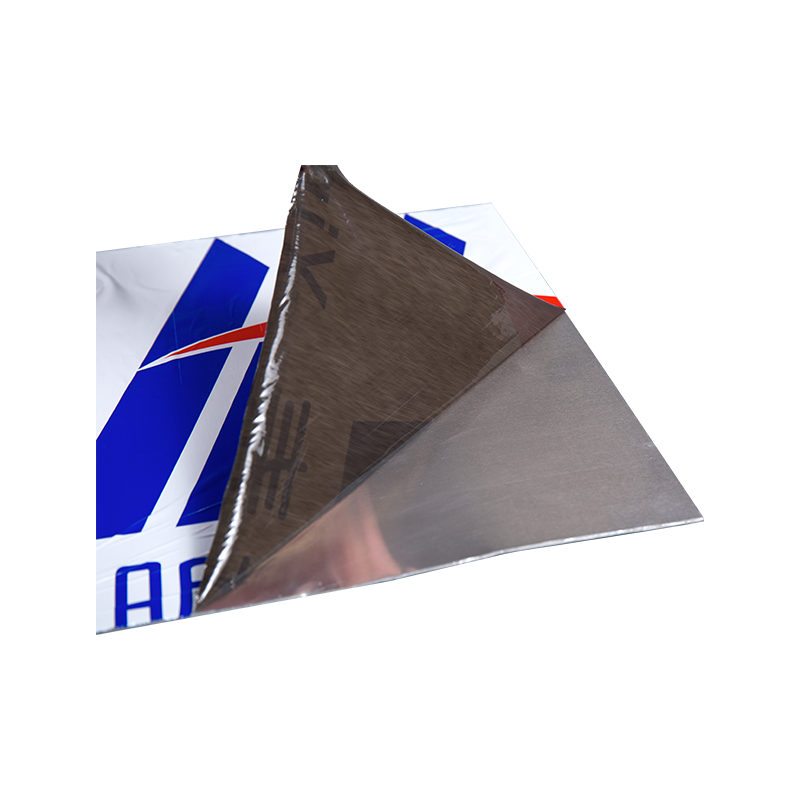
PE protective film adheres to surfaces through a thin layer of pressure-sensitive adhesive (PSA) coated onto one side of the polyethylene backing. This adhesive is typically made from acrylic, rubber-based, or hot-melt polymer compounds that remain permanently tacky at room temperature. When the film is pressed onto a surface, the adhesive molecules flow into microscopic surface irregularities and form weak, reversible bonds through van der Waals forces and mechanical interlocking. No heat, water, or solvent activation is required — the bond forms instantly under light hand pressure or roller application, which is why this material is so widely used for temporary surface protection during manufacturing, shipping, and installation.
The strength of this bond is engineered to be low enough for clean removal later, yet strong enough to resist dust, moisture, scratching, and handling during transit. This balance is the defining characteristic that separates a functional pe protection film from one that either falls off prematurely or leaves adhesive residue behind.
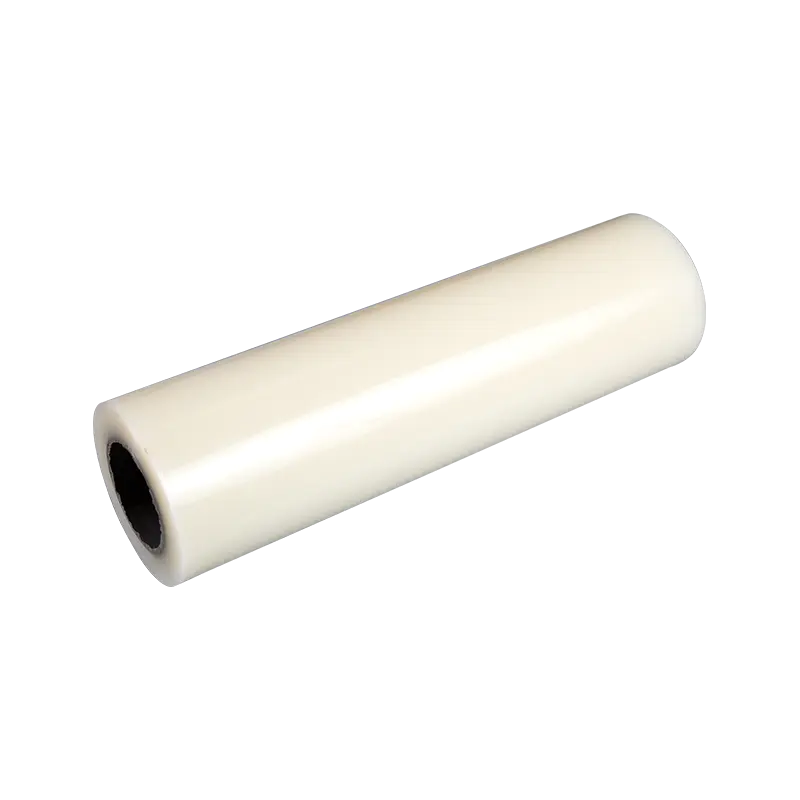
PE protective film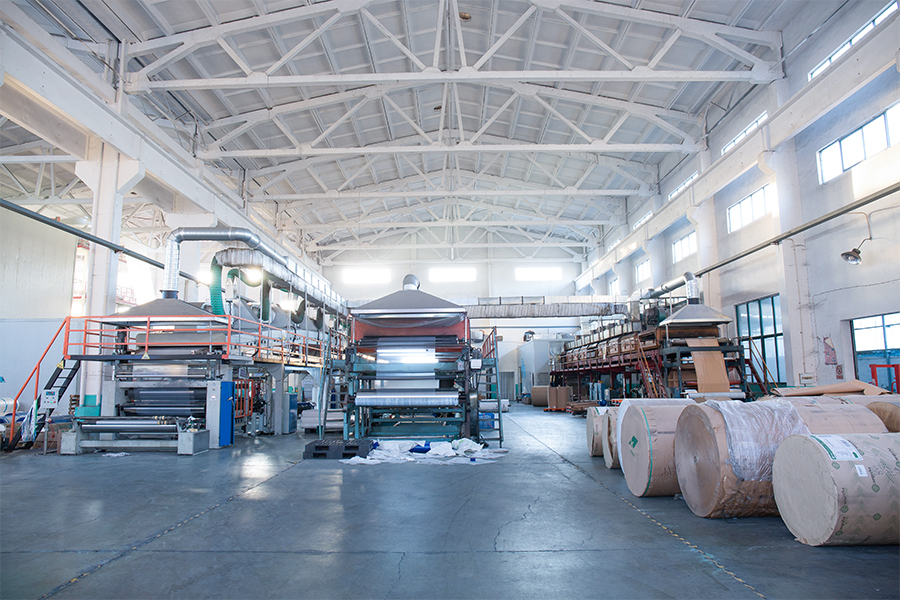
The Chemistry Behind the Adhesive Layer
The adhesive layer is not a simple glue coating — it is a carefully formulated polymer system designed to behave differently under different forces. At rest, the adhesive acts almost like a soft solid, gripping the surface passively. When peeled, it behaves more like a viscous fluid, stretching and releasing gradually rather than snapping off. This dual behavior is what allows PE protective film to stay attached during rough handling but still peel away smoothly by hand.
Key Components of the Adhesive System
- Base polymer (acrylic or rubber) that provides tack and flexibility
- Tackifying resins that increase initial stickiness
- Plasticizers that keep the adhesive soft over a range of temperatures
- Cross-linking agents that control cohesive strength and prevent residue transfer
Acrylic-based adhesives are generally preferred for longer-term applications because they offer better UV stability and lower risk of yellowing, while rubber-based adhesives provide stronger initial tack and are often chosen for short-term industrial use where fast, high-grip bonding matters more than long-term aging performance.
Factors That Influence How Well the Film Sticks
Adhesion is not a fixed property — it changes depending on the surface, environment, and application method. Several variables determine whether a film will bond reliably or fail prematurely.
Surface Energy of the Substrate
Adhesion depends heavily on the surface energy of the material being protected. High-energy surfaces such as metal, glass, and painted panels allow the adhesive to spread and wet the surface effectively, producing strong contact. Low-energy plastics like polypropylene are harder to bond to, which is why some pe protection film products are formulated with higher tack levels specifically for plastic components.
Application Pressure and Technique
Because the bond relies on the adhesive flowing into microscopic surface features, applying firm, even pressure — often with a roller — significantly improves contact area and bond strength. Films applied loosely or with air bubbles trapped underneath will have weaker overall adhesion and are more prone to lifting at the edges.
Temperature and Humidity
Most PE protective films are designed to perform within a range of roughly 5°C to 60°C. Below this range, the adhesive stiffens and loses tack, while excessive heat can soften it too much, increasing the risk of adhesive transfer onto the substrate.
Surface energy differences explain why the same film can feel firmly bonded on glass but noticeably looser on textured plastic — the adhesive simply has less contact area to grip.
Peel Strength Levels and Choosing the Right Adhesion
Peel strength, usually measured in grams per 25mm (g/25mm) or N/25mm, describes the force needed to remove the film from a surface at a set angle and speed. Manufacturers typically offer several tiers so buyers can match adhesion strength to their specific application.
| Adhesion Level | Typical Peel Strength | Common Use Case |
|---|---|---|
| Light | 5–15 g/25mm | Textured or matte plastic panels |
| Medium | 20–40 g/25mm | Stainless steel, glass, painted metal |
| Strong | 50–100 g/25mm | Rough surfaces, outdoor or long-duration protection |
Choosing too high an adhesion level for a delicate surface can risk residue or coating damage on removal, while too low a level risks the film lifting during shipping or handling. As a general rule, medium adhesion (20–40 g/25mm) covers the majority of industrial applications, including appliances, metal sheets, and glass panels.
Why Adhesive Failure Happens — and How to Prevent It
Two common complaints with protective films are premature lifting and residue left behind after removal. Both are usually linked to adhesive chemistry and environmental exposure rather than a fundamental flaw in the product.
UV Exposure and Adhesive Breakdown
Prolonged sunlight exposure accelerates cross-linking in the adhesive, which can cause it to harden and bond more aggressively to the surface over time. This is why most PE films are rated for indoor or short-term outdoor use, generally recommended for removal within 60 to 90 days to avoid difficult removal or residue.
Leaving PE protective film on a surface well beyond the manufacturer's recommended window is the single most common cause of adhesive residue and difficult removal.
Preventing Residue Transfer
- Select the correct adhesion tier for the substrate material
- Avoid storing protected parts in direct sunlight or high heat
- Remove the film within the manufacturer's recommended timeframe
- Peel at a consistent, low angle rather than pulling straight up
Following the four steps above consistently reduces the risk of residue transfer to near zero, even on sensitive painted or coated surfaces.
PE Protective Film vs. Clear Paint Protection Film
While both products use pressure-sensitive adhesive systems, their intended purpose and bonding behavior differ significantly. PE protective film is designed as a temporary, removable layer meant to be stripped off after manufacturing, shipping, or installation. In contrast, clear paint protection film is engineered for long-term, often permanent or semi-permanent adhesion to automotive or architectural surfaces, using a thicker urethane or polyurethane base with a much stronger, more durable acrylic adhesive designed to resist years of UV exposure, temperature cycling, and washing without lifting.
The adhesive in clear paint protection film is also typically self-healing and formulated to bond aggressively yet remain removable without damaging factory paint, which requires a far more sophisticated cross-linking chemistry than standard PE film. Choosing between the two comes down to duration of use: short-term surface protection during production and transit calls for PE film, while long-term protection against stone chips, scratches, and UV damage calls for a dedicated paint protection film product.
Never substitute standard PE protective film for clear paint protection film on exterior automotive surfaces — its adhesive and backing are not formulated to withstand years of UV and weather exposure.
Best Practices for Maximizing Adhesion Performance
Getting reliable performance from PE protective film comes down to matching the product to the application and following a few simple handling guidelines.
- Clean and dry the surface before application to remove dust and oils that reduce contact area
- Apply the film at room temperature for optimal adhesive flow
- Use a roller or squeegee to eliminate trapped air and ensure full contact
- Store rolls in a cool, dry place away from direct sunlight before use
Following these steps ensures the adhesive layer performs as designed — providing dependable protection during handling while remaining easy to remove cleanly when the job is done.
In Summary
The adhesion of PE protective film is the product of precise polymer engineering — a pressure-sensitive layer tuned to bond firmly enough to survive handling, yet release cleanly when its job is done. Matching adhesion strength to substrate, respecting temperature and UV limits, and following correct application technique are what separate flawless protection from frustrating residue. Understood this way, adhesion is not an accident of stickiness, but a deliberately balanced material science.