 English
 русский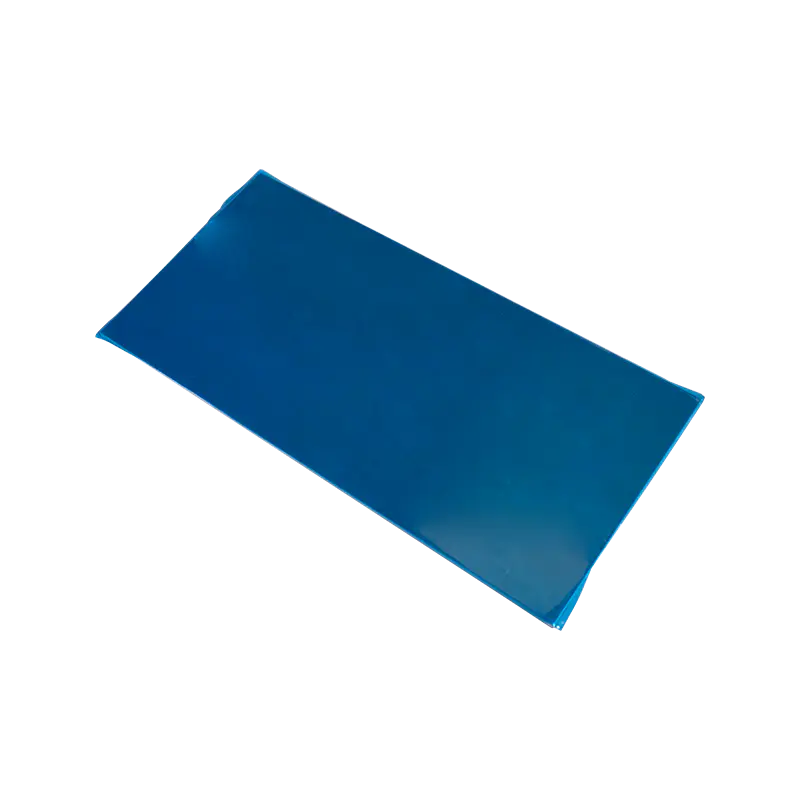
Stainless steel protective film exhibits high resistance to oils, fingerprints, and smudges, mainta...
READ MORE
Aluminum sheet protective film: Made of polyethylene (PE)
1. The aluminum protective film is soft and can be quickly pasted to the surface of the profile
2. The rate of increase in peel strength after pasting is low;
3. High anti-buffering strength.
4. The product will not be scratched or dirty by dust during transportation
Aluminum sheet protective film: Made of polyethylene (PE)
1: Easy to paste and remove the protective film without damaging the surface of the aluminum sheet
2. Low rate of increase in peel strength after pasting
3. High anti-buffering strength.
4. The product will not be scratched or dirty by dust during transportation
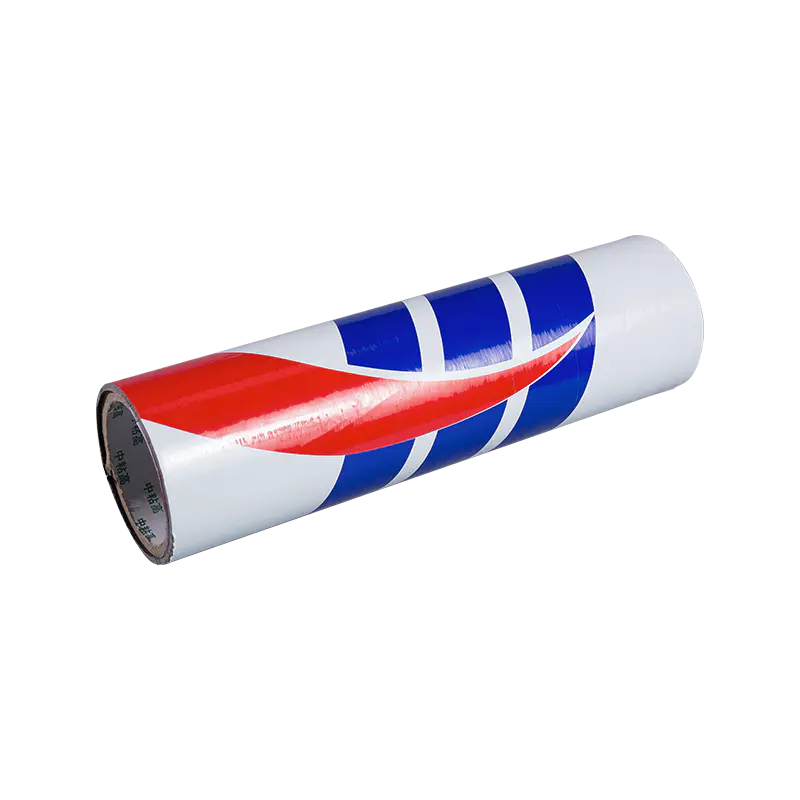
5: Printing LOGO or text
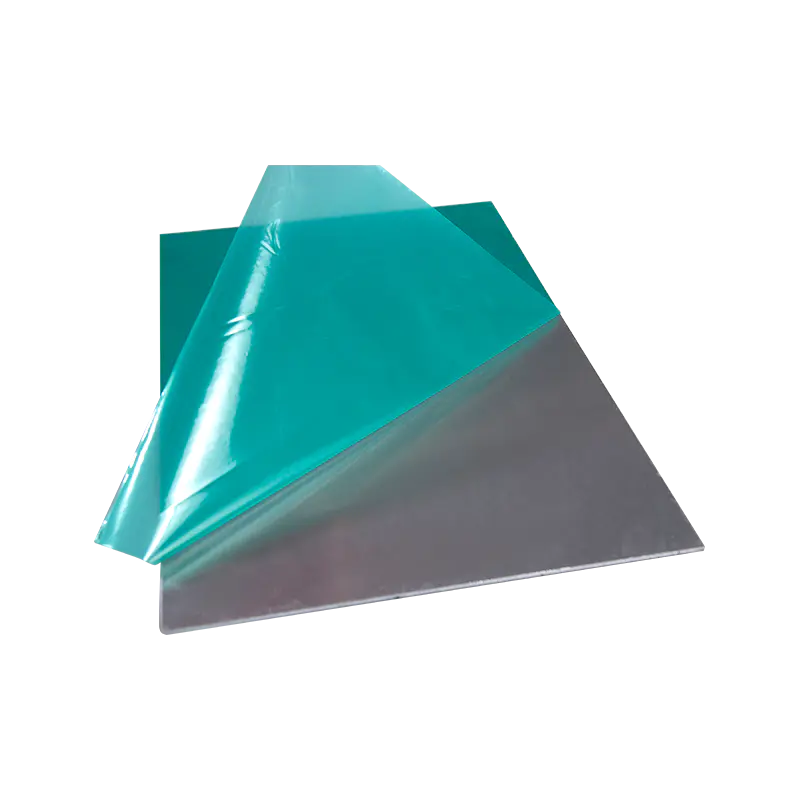
Features: The aluminum profile protective film is made of polyethylene (PE) raw materials as the base material, and acrylic polymer as the base resin of the pressure-sensitive adhesive. It is processed by a coating machine. The pressure-sensitive adhesive has good stability and will not have any adverse effects on the aluminum profile being pasted.
Effectively protect the aluminum profile from pollution, decay, and scratches, and protect the original smooth and shiny surface.
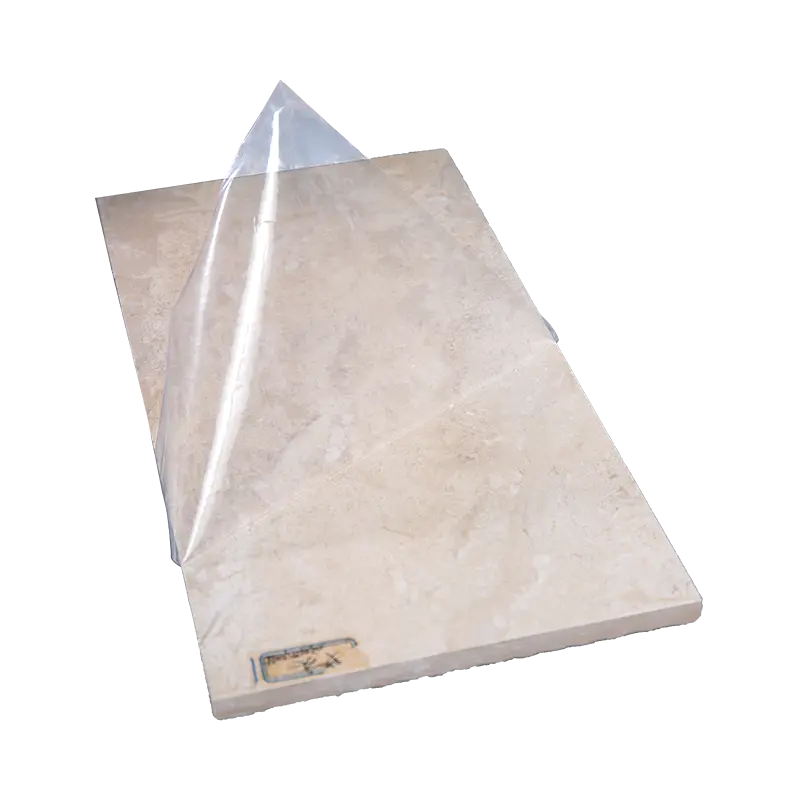
The rock countertop protective film is made of polyethylene material, which has extraordinary wear resistance and effectively resists scratches, abrasions, stains and heat resistance. This rock countertop protection film has good waterproof performance, preventing moisture from penetrating under the countertop, thus preventing moisture and corrosion. Accept printing LOGO on the surface of the protective film for publicity.
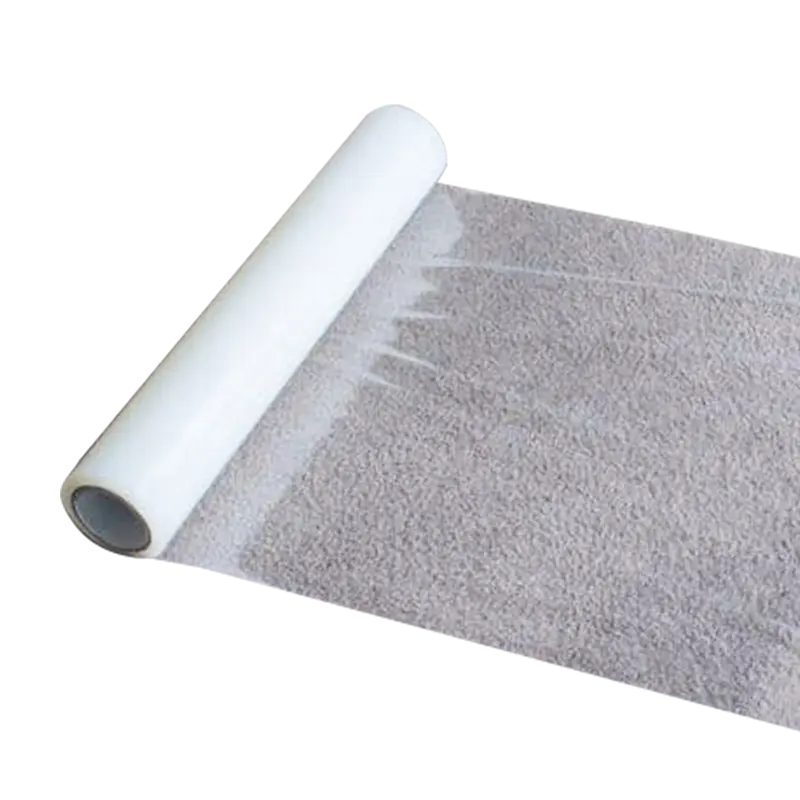
The carpet protective film is easy to stick and remove, and the pressure-sensitive adhesive will not have adverse effects on the carpet and its fibers. This product is mainly used for the protection of carpets and decorative surfaces with carpet-like textures (such as walls); automotive carpets, carpet-like decorative surfaces, fiber-textured seat surfaces, etc. The carpet protective film can also be customized and easily torn by hand.
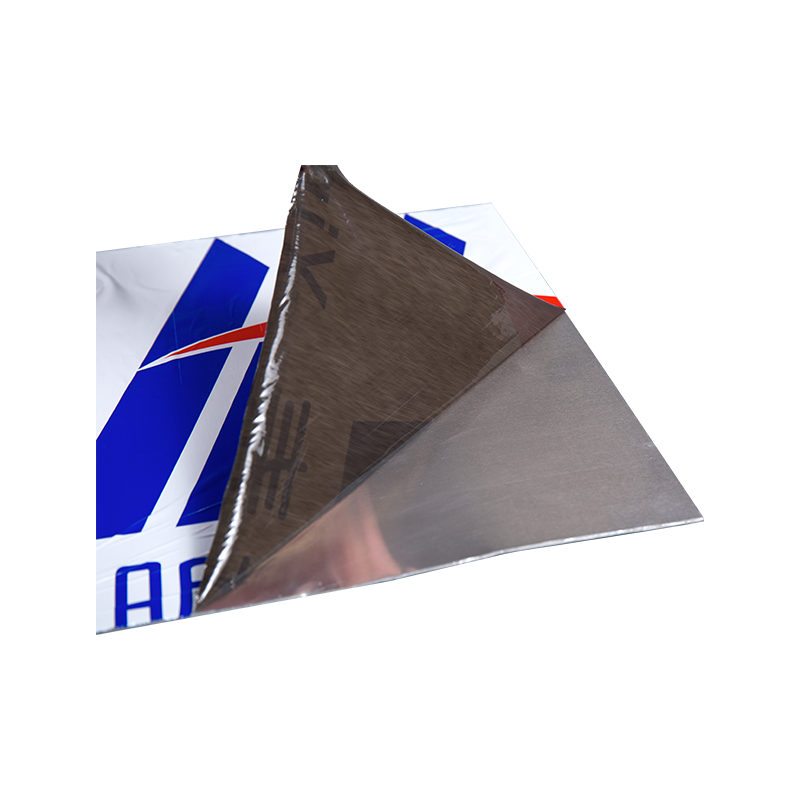
Stainless steel protective film refers to a film used for temporary protection of the surface of stainless steel products, usually in a transparent color. The protective film is used for surface protection to prevent the surface from accumulation of dirt, scratches and tool scratches during the following operations, keeping the surface of the object bright and new. In addition, the surface of the stainless steel protective film can be printed with text and patterns to play a role in publicity.
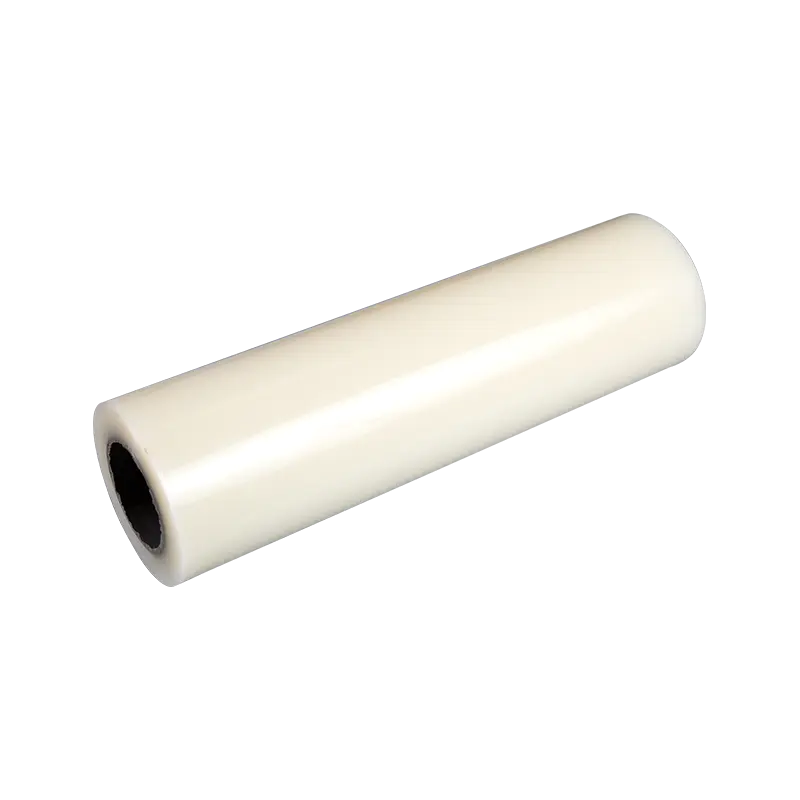
The main material of the self-adhesive floor protection film is polyethylene film, which has good tensile resistance, wear resistance and waterproof performance. The film is sticky with a water-based adhesive, which is non-toxic, odorless, and environmentally friendly. It will not pollute or damage the environment or the protected ground. The surface of the self-adhesive film is smooth, which can effectively reduce the adhesion of pollutants to the ground. It is easy to clean and simple to maintain. During the construction process, in order to prevent the ground from being contaminated by construction tools or materials, the construction party will use a self-adhesive floor protection film, which can effectively protect the surface of floors, tiles, stones, etc., and avoid dust, paint, coatings and other substances from polluting the ground during the construction process. During home decoration or moving, this protective film can effectively prevent items from scratching the floor during transportation, ensuring that the originally smooth ground is not damaged and keeps it clean.
Industry use: used for metalized capacitors, safety capacitors, motor start capacitors, masking gold spraying, film capacitors.
Color: brown white
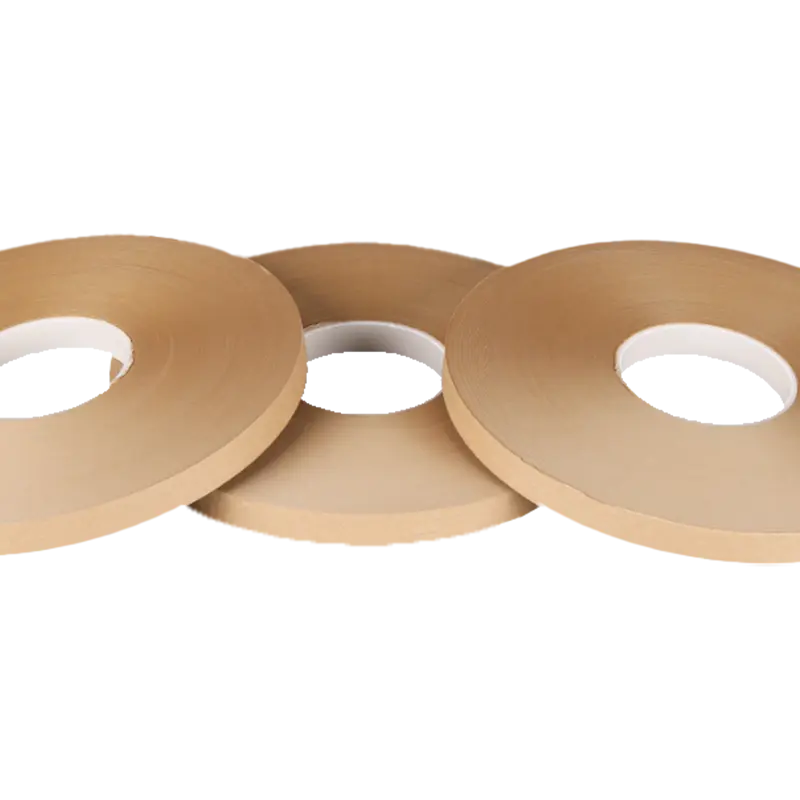
Base material: kraft paper
Primer: natural latex
Product application: Suitable for metalized film capacitors, polyester capacitors and other component product process taping.
Color: white brown
Base material: masking paper
Base glue: natural latex
Applicable industries: finished tapes of electronic components such as electrolytic capacitors, diodes, transistors, inductors, fuses, etc.
Base material: masking paper
Base adhesive: natural latex
Product features: Excellent electrical performance, high insulation (≤8.5KV). High and low-temperature resistance, acid and alkali resistance, low electrolysis, good mechanical properties, low friction coefficient, tear resistance, strong adhesion, no residual glue left on the masked surface after tearing
High-temperature resistance: 230℃/24 hours
Product application: Suitable for motor insulation, circuit board solder shielding, printed circuit board gold-plated finger hot air tin hole processing and shielding and protecting the heating plate insulation package at various stages in the tin furnace.
Application industry: Microcomputer wave capacitor
Base material: High voltage capacitor paper
Base glue: Natural acrylic glue
Stainless steel protective film exhibits high resistance to oils, fingerprints, and smudges, mainta...
READ MOREElectrolyte Exposure Weakens Performance Over Time Long-term exposure of Electrolytic capacitor pap...
READ MOREAluminum profile protective film generally performs well during secondary processing operations suc...
READ MOREAdhesion compatibility and surface interaction: Brown Masking Paper is engineered to provide optim...
READ MOREElectrolyte Retention and Distribution: The Electrolytic Capacitor Paper functions as both the die...
READ MORERole of Electrolytic Capacitor Paper in High-Frequency Performance: The Electrolytic Capacitor Pap...
READ MOREAdvantages of Heat Activated Film in Textile Repair
In the field of modern textile repair, heat-activated film, as an advanced repair technology, is expected to replace traditional repair methods. Wuxi Wanfeng Protective Film Co., Ltd., as an experienced heat activated film manufacturer and supplier in China, is committed to providing high-quality heat-activated film products to meet the needs of the global market.
One of the main advantages of heat-activated film in the repair process is its speed. Traditional suture repairs usually take a long time, while heat-activated film can complete the repair in a few minutes through heat and pressure. This efficient repair method is very suitable for fast-paced production environments and daily maintenance needs.
Aesthetics
Compared with traditional suture or glue repairs, heat-activated film repairs can provide a smoother and smoother repair effect. The application of the film can avoid obvious stitching or glue marks, making the repaired area integrated with the original fabric and maintaining the appearance integrity of the textile. This is especially important for high-end clothing and home textile products, because the aesthetics of these products directly affect their market value and consumer satisfaction.
Strength and durability
Heat-activated film has excellent bonding strength and durability. After proper heat and pressure treatment, heat-activated films can form a strong bond that gives the repaired area similar strength to the original fabric. Especially in high-use environments, such as sportswear or outdoor equipment, heat-activated films can ensure long-term durability of the repaired area and avoid frequent re-repairs.
Professional details of heat-activated film repair process
Different types of heat-activated films have different performance characteristics, so choosing the right film is the key to a successful repair. The right film material is usually selected based on the type of fabric, the degree of damage and the repair requirements. For example, polyurethane films are usually suitable for elastic fabrics, while polyester films are suitable for rigid fabrics.
Prepare the repair area
Before repairing, the repair area must be fully prepared. This includes cleaning the repair area, removing dirt and loose fibers, and trimming the edges to reduce roughness. Good preparation ensures that the heat-activated film is in full contact with the fabric surface for the best bonding effect.
Determine the heating temperature and time
Different types of heat-activated films require different heating conditions. Manufacturers usually provide recommended heating temperature and time ranges. When using a heat press or iron, the temperature and time need to be precisely controlled to ensure the film melts and bonds correctly. Too high or too low a temperature may result in an unsatisfactory repair.
Applying pressure
During the heat-activated membrane repair process, applying the right amount of pressure is key to ensuring the repair is effective. The pressure of the heat press or iron must be uniform to ensure good contact between the membrane and the fabric surface. Insufficient pressure may result in a weak bond to the repaired area, while too much pressure may damage the fabric.
Performance Testing and Quality Control
The repaired fabric needs to be tested for washability to ensure that the repaired area will not fall off during the washing process. Washability testing usually includes simulated washing and friction testing to evaluate the durability of the repaired area. Washability testing is especially important for high-end textiles, such as premium clothing and home textile products.

Copyright © Wuxi Wanfeng Protective Film Co., Ltd. All Rights Reserved.
